Fallout: New Vegas is beloved for a specific alchemy: first-person open-world exploration married to a genuinely reactive RPG — one where your stats, speech skill, and faction reputation change what quests are available, how NPCs respond to you, and which of its multiple endings you earn. The Mojave's warring factions (NCR, Legion, House, Yes Man) aren't window dressing; they're competing ideological manifestos that the game treats seriously, trusting the player to engage with them.
When players ask for games like New Vegas, they're rarely just asking for "a post-apocalyptic shooter." They want that combination of meaningful dialogue choices, build-defining character stats, morally complex factions, and a world that feels like it existed before you arrived — one that rewards curiosity and punishes nothing less than total engagement with its systems.
Top pick:The Outer Worlds is the single closest match — built by the same Obsidian writers, using the same first-person RPG framework, faction-reputation mechanics, and dialogue skill checks, in a retro-sci-fi setting that carries the same sardonic wit New Vegas fans love. If you've already played it, Fallout 3 (from the candidate list) is the obvious next stop: identical mechanics, different tone, and a massive world to lose yourself in.
Some store buttons are affiliate links — we may earn a commission at no extra cost to you.
22 games like Fallout: New Vegas
98%
Fallout 3 2008
The closest sibling to New Vegas — same engine, same wasteland tone, same V.A.T.S. combat and perk-driven leveling, set in the ruined Washington D.C. Capitol Wasteland. Where New Vegas excels in faction complexity and writing, Fallout 3 leans harder into discovery and dungeon-crawling.
Key difference: Narrative is more linear; faction choices carry less weight.
Best for: Fans who want more hours in the same mechanical framework.
Skip if: You loved FNV primarily for its ideological faction depth.
Made by the same Obsidian writers as New Vegas, The Outer Worlds is a first-person RPG in a retro-sci-fi corporate dystopia with identical faction loyalty mechanics, companion quests, and dialogue skill checks — the closest spiritual successor in existence.
Key difference: Smaller world scope; lighter tone and shorter runtime.
Best for: Anyone who loved FNV and wants the same team's next game.
Skip if: You want a massive open world on the scale of the Mojave.
Fallout 4 iterates on New Vegas's open-world post-nuclear sandbox with a rebuilt engine, vastly improved gunplay, and deep base-building, but trades dialogue nuance for voiced protagonists and streamlined skill trees.
Key difference: RPG depth and dialogue branching are significantly reduced.
Best for: Players who want tighter shooting and modern production values.
Skip if: You prioritize meaningful skill checks and faction complexity.
The isometric predecessor that shares New Vegas's dark humor, branching quest design, and morally grey factions across a post-nuclear California. Its writing is arguably even sharper, and player agency is extraordinary.
Key difference: Isometric turn-based combat; 1998 production values.
Best for: RPG fans who want more political depth and player freedom.
Skip if: You need modern visuals or real-time first-person action.
Cyberpunk 2077 drops you into Night City as a mercenary navigating rival megacorp factions and street gangs, blending first-person gunplay with deep skill trees, meaningful quest choices, and a gritty sci-fi setting that echoes New Vegas's neon-and-ruin tone.
Key difference: Cyberpunk dystopia instead of nuclear wasteland; no karma system.
Best for: FNV fans who want a modernized first-person RPG with factions.
Skip if: You want a desert survival tone or classic RPG skill checks.
Disco Elysium replaces combat with skill-check-driven dialogue, building an astonishingly written political RPG where your character's ideology and faction allegiances define every outcome — FNV's writing ambitions taken to their logical extreme.
Key difference: No combat; isometric; wildly experimental RPG structure.
Best for: FNV fans who loved the ideology and faction debates most.
Skip if: You need first-person action or shooting mechanics.
Mobile
88%💎 Gem
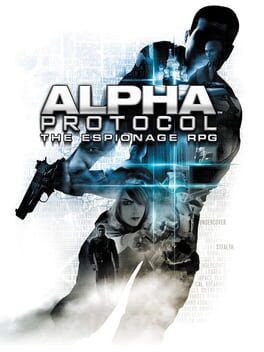
Alpha Protocol 2010
Alpha Protocol is an Obsidian-developed spy-thriller RPG where every dialogue choice affects faction reputation with three competing organizations — the same relationship-web design as New Vegas's NCR/Legion/House system, applied to the espionage genre.
Key difference: Modern spy setting; clunky but serviceable cover-based gunplay.
Best for: FNV fans who want another Obsidian faction-reputation RPG.
Skip if: You need polished, modern gunplay alongside the RPG systems.
Wasteland 2 is the direct spiritual ancestor of Fallout, set in a post-nuclear Arizona with squad-based tactics, brutal skill checks, and branching faction storylines where your choices visibly reshape the world.
Key difference: Party-based turn-based combat instead of first-person action.
Best for: Players who want New Vegas-level faction writing in tactical RPG form.
Skip if: You need real-time action and a single protagonist.
The original Deus Ex is a first-person RPG with deep skill investment, conspiracy-laden factions, and multiple solutions to every encounter — stealth, combat, or dialogue — making it the spiritual cousin of New Vegas in the sci-fi thriller space.
Key difference: Late '90s design and visuals; more linear world structure.
Best for: Fans of FNV's systemic player freedom and ideological factions.
Skip if: You can't overlook dated graphics and clunky movement.
The Witcher 3 shares New Vegas's commitment to morally complex quest writing, reactive factions, and a world where choices produce delayed, often painful consequences — the writing quality is arguably the industry benchmark.
Key difference: Fantasy setting; third-person melee combat, no shooting.
Best for: FNV fans who prioritize narrative depth and quest writing quality.
Skip if: You need post-apocalyptic tone or first-person shooter combat.
KOTOR puts you in a galaxy-spanning RPG where companion relationships, dialogue trees, and a Light/Dark alignment system shape the story — the same satisfaction loop as New Vegas's faction allegiances, just in a Star Wars skin.
Key difference: Turn-based combat; linear chapter structure rather than open world.
Best for: FNV fans who love companion writing and binary moral choices.
Skip if: You need an open world and real-time gunplay.
Pillars of Eternity was designed by the core New Vegas team at Obsidian as a spiritual return to the Baldur's Gate era — isometric, deeply written, with faction politics and a lore density that mirrors FNV's world-building ambition.
Key difference: Isometric real-time-with-pause combat; dark fantasy, not post-apoc.
Best for: FNV fans who want Obsidian-quality writing in a classic CRPG.
Skip if: You need first-person action and a modern game feel.
Mass Effect 2's loyalty mission structure and richly written companions echo New Vegas's companion quests; your Paragon/Renegade choices and factional allegiances meaningfully alter the ending, delivering the same sense of ideological stakes.
Key difference: Linear mission structure; sci-fi space opera rather than open world.
Best for: Fans of FNV's companion depth and choice-consequence writing.
Skip if: You want a sandbox open world to freely explore.
Dragon Age: Origins is a dark fantasy RPG built around origin stories, faction loyalty, and party approval mechanics — the same moral-weight writing style Obsidian brought to New Vegas, realized in Bioware's fantasy canvas.
Key difference: Fantasy setting; isometric-style tactical party combat.
Best for: FNV fans who love deep faction politics and companion banter.
Skip if: You want first-person action and a post-apocalyptic tone.
Baldur's Gate 3 delivers some of the most reactive quest design in RPG history — companions remember everything, factions respond to your actions, and virtually every scenario has multiple valid solutions rooted in your build.
Key difference: Fantasy D&D ruleset; turn-based tactical combat.
Best for: FNV fans craving maximum player agency and reactive writing.
Skip if: You dislike turn-based systems or high-fantasy settings.
Planescape: Torment is the philosophical godfather of dialogue-heavy, morality-questioning RPGs — its explorations of identity, factions, and what defines a person echo New Vegas's ideological debates about civilization and survival.
Key difference: Isometric, minimizes combat; abstract fantasy setting.
Best for: Players who loved FNV for its writing and existential themes.
Skip if: You need action combat and a modern interface.
BioShock wraps first-person shooting and RPG plasmid upgrades around a narrative dense with political philosophy — Rapture's libertarian collapse mirrors New Vegas's fractured ideological factions in a more linear but atmospheric package.
Key difference: Linear levels; no dialogue choices or open-world faction reputation.
Best for: FNV fans who want political world-building in a first-person shooter.
Skip if: You need open-world freedom and reactive quest design.
Metro 2033 puts you in a post-nuclear underground Russia, balancing survival resource management, moral choices that affect the ending, and atmospheric first-person gunplay in a tone that matches New Vegas's bleakness.
Key difference: Linear narrative; smaller world focused on tunnel survival horror.
Best for: Players who loved FNV's post-nuclear survival atmosphere.
Skip if: You need faction systems and open-world exploration.
Skyrim shares New Vegas's open-world RPG structure — guild factions, skill-based character builds, and hundreds of hours of exploration — though its writing rarely matches Obsidian's depth of political storytelling.
Key difference: Fantasy setting; shallower quest writing and faction consequences.
Best for: Fans who want FNV's scale and exploration over its narrative.
Skip if: You loved FNV specifically for its sharp writing and moral weight.
Neverwinter Nights 2 was actually developed by Obsidian Entertainment, sharing the same writing DNA as New Vegas — branching dialogue, complex party companions, and a climax driven by choices you made hours earlier.
Oblivion is the closest Elder Scrolls game to New Vegas in RPG ambition — its Shivering Isles and guild questlines show genuine narrative creativity within the same open-world structure New Vegas fans crave.
Key difference: Fantasy setting; faction stories less politically nuanced.
Best for: Players who want an expansive, immersive open-world RPG.
Skip if: You need post-apoc tone or deep moral faction conflict.
Dishonored uses a systemic stealth-action framework in a dieselpunk city, rewarding lateral thinking and build variety — the same respect for player agency as New Vegas, with mission structure that changes based on how lethally you play.
Key difference: Linear missions; no dialogue choices or open faction reputation.
Best for: FNV players who loved stealth builds and creative problem-solving.
Skip if: You need open-world exploration and RPG stat progression.
Narrative is more linear; faction choices carry less weight.
PlayStation, PC, Xbox
The Outer Worlds
97%
Shooter, Role-playing (RPG)
Smaller world scope; lighter tone and shorter runtime.
Xbox, PlayStation, PC, Nintendo
Fallout 4
94%
Shooter, Role-playing (RPG)
RPG depth and dialogue branching are significantly reduced.
Xbox, PlayStation, PC
Fallout 2
92%
Role-playing (RPG), Science fiction
Isometric turn-based combat; 1998 production values.
PC
Cyberpunk 2077
90%
Shooter, Role-playing (RPG)
Cyberpunk dystopia instead of nuclear wasteland; no karma system.
Xbox, PlayStation, Nintendo, PC
Disco Elysium
90%
—
No combat; isometric; wildly experimental RPG structure.
Mobile
Alpha Protocol
88%
Shooter, Role-playing (RPG)
Modern spy setting; clunky but serviceable cover-based gunplay.
PlayStation, PC, Xbox
Wasteland 2
87%
Role-playing (RPG), Action
Party-based turn-based combat instead of first-person action.
PlayStation, PC, Xbox
Deus Ex
87%
Shooter, Role-playing (RPG)
Late '90s design and visuals; more linear world structure.
PC
The Witcher 3: Wild Hunt
84%
Role-playing (RPG), Action
Fantasy setting; third-person melee combat, no shooting.
Xbox, PlayStation, PC, Nintendo
Star Wars: Knights of the Old Republic
84%
Role-playing (RPG), Action
Turn-based combat; linear chapter structure rather than open world.
Xbox, Mobile, PC, Nintendo
Pillars of Eternity
84%
Role-playing (RPG)
Isometric real-time-with-pause combat; dark fantasy, not post-apoc.
PlayStation, PC, Xbox, Nintendo
Mass Effect 2
82%
Shooter, Role-playing (RPG)
Linear mission structure; sci-fi space opera rather than open world.
PlayStation, PC, Xbox
Dragon Age: Origins
82%
Role-playing (RPG), Action
Fantasy setting; isometric-style tactical party combat.
PlayStation, PC, Xbox
Baldur's Gate III
82%
Role-playing (RPG), Action
Fantasy D&D ruleset; turn-based tactical combat.
Xbox, PC, PlayStation
What makes a game truly feel like Fallout: New Vegas?
The key ingredients are: a first-person or isometric open world where your stats gate real options (not just combat numbers), factions with coherent ideologies that compete for your loyalty, and quest writing that respects player intelligence. Cyberpunk 2077 and Deus Ex: Human Revolution hit most of these in a modern first-person package — your build choices define how you approach every encounter, and the world's power structures are painted with moral ambiguity. Wasteland 2 is the hidden-gem pick: it's the direct creative ancestor of Fallout, made by the original team, with brutal skill checks and faction choices that visibly reshape the wasteland.
Writing quality is just as important as systems. The Witcher 3 and Baldur's Gate 3 both match New Vegas's commitment to quest writing that avoids easy answers — both games have side quests that reframe the entire main plot, exactly as New Vegas's companion quests do.
Best picks if you want the same Obsidian writing team
Obsidian Entertainment didn't stop after New Vegas. The Outer Worlds (in "additional") is the most direct continuation — same lead writers, same faction systems, same sardonic humor about the cost of ideology. Neverwinter Nights 2 (id 214) is a hidden gem that predates New Vegas by four years but shares the same creative fingerprints: companion approval systems, branching faction storylines, and a final act dramatically shaped by your prior choices. Alpha Protocol (in "additional") is Obsidian's most underrated game — a spy RPG where the same three-faction reputation web from New Vegas is applied to global terrorism politics.
If you want the post-nuclear atmosphere without the open world
Metro 2033 delivers the most faithful post-nuclear survival atmosphere in the candidate list — scavenging bullets as currency, morally weighted choices, and a world whose lore is as dense as the Mojave's. It's linear, but the tone is unmistakable. BioShock is worth visiting for fans drawn to New Vegas's political world-building: Rapture's fallen libertarian utopia is the same kind of ideological autopsy as New Vegas's NCR vs. Legion debate, delivered through environmental storytelling in a first-person shooter with light RPG elements.
Fallout 4 has better gunplay and base-building, but New Vegas is widely considered superior for RPG depth — its dialogue choices carry real weight, faction reputations change quest availability, and skill checks gate genuine story outcomes. Fallout 4 streamlined those systems significantly, trading narrative complexity for more fluid action.
What game is most similar to Fallout: New Vegas's faction system?
The Outer Worlds (by the same Obsidian writers) replicates the faction-reputation system most directly. Alpha Protocol does so as well in a spy-thriller context. In the candidate list, Wasteland 2 is the closest — it features multiple competing factions in a post-nuclear setting where siding with one visibly closes off options with another.
Are there any other games made by Obsidian Entertainment like New Vegas?
Yes — The Outer Worlds (2019) is the clearest spiritual successor. Neverwinter Nights 2 (2006), Alpha Protocol (2010), and Pillars of Eternity (2015) are all Obsidian games that share the same writing philosophy: morally grey factions, companion depth, and choices with delayed consequences.
What should I play after finishing all the Fallout games?
Start with Cyberpunk 2077 for a modern first-person RPG with faction depth, then Disco Elysium if you want the sharpest political writing in the genre. Deus Ex (the original) and Deus Ex: Human Revolution are essential first-person RPGs with the same emphasis on build-defining player freedom. For something closer to the CRPG roots, Wasteland 2 and Pillars of Eternity are written by Fallout's original creators.
Does Skyrim feel like Fallout: New Vegas?
Mechanically they share the same open-world RPG DNA and Bethesda's engine lineage, but the experience is quite different. Skyrim's faction quests are shallower and its dialogue rarely carries the moral complexity of New Vegas. If you love Skyrim's exploration and scale but want FNV's writing quality, The Witcher 3 is a better bridge — it matches Skyrim's scope with far superior quest writing.
 98%
98%