It Takes Two earns its love by doing something almost no game attempts: it reinvents itself every twenty minutes. Each chapter of Cody and May's journey introduces a completely new core mechanic—time-manipulation magnets, tiny squirrel warfare, a Book of Love acting as narrator—so the moment you master one idea, the game gleefully discards it and hands you something brand new. Layered on top is a story about a failing marriage told with genuine emotional stakes, and a co-op structure where neither player can progress alone.
When someone asks for games like It Takes Two, they're really asking for two overlapping things: the creative variety of a game that refuses to repeat itself, and the joy of a co-op experience where the other player isn't optional but essential. The best recommendations share at least one of those pillars—ideally both.
Top pick:A Way Out (in the 'additional' section) is the single closest match—it's literally made by the same director at Hazelight Studios, requires two players, and shifts genre and tone chapter by chapter in exactly the same spirit. Among games in the candidate pool, Portal 2 is the best pick: its dedicated two-player co-op campaign demands constant communication, introduces new mechanics at a steady pace, and is designed from the ground up for exactly two people—nobody else, no solo mode available.
Some store buttons are affiliate links — we may earn a commission at no extra cost to you.
From the same Hazelight Studios director, A Way Out is a co-op-only prison-break action adventure that constantly shifts genre and mechanics between its two players, making it the single closest spiritual twin to It Takes Two.
Key difference: Darker, more grounded story; less whimsy and platforming.
Best for: Anyone who loved It Takes Two and wants more Hazelight.
Skip if: You want family-friendly tone or platforming mechanics.
Portal 2's co-op campaign gives each player a distinct portal gun and requires constant communication to solve increasingly clever physics puzzles. Like It Takes Two, it's built from the ground up for two and constantly refreshes its mechanics.
Key difference: Pure puzzle focus; no platforming variety or emotional narrative arc.
Best for: Couples who love brain-teasing coordination over story.
Skip if: You want warmth and story alongside the puzzles.
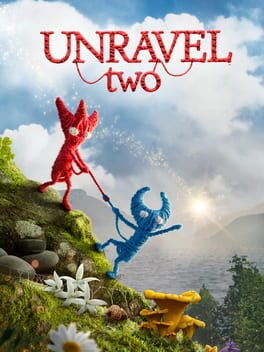
Unravel Two is built explicitly for two players using yarn-physics platforming, where both characters are literally tethered and must cooperate to swing, pull, and solve puzzles—directly evoking It Takes Two's co-op design.
Key difference: Shorter and simpler; less mechanical variety per level.
Best for: Couples wanting a gentler, cuter co-op platformer.
Skip if: You want adult story complexity or genre-hopping.
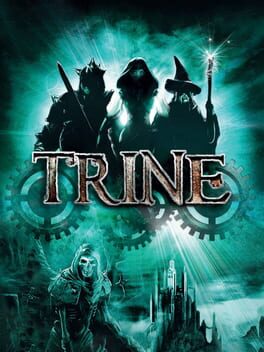
Trine is a co-op side-scrolling puzzle-platformer where each character has unique abilities—wizard, knight, thief—that must be combined to progress, mirroring It Takes Two's complementary-abilities design. Up to three players, gorgeous fairy-tale visuals.
Key difference: Fantasy setting; less mechanical variety between levels.
Best for: Players who want co-op platforming with a magical atmosphere.
Skip if: You disliked physics-based puzzle solutions.
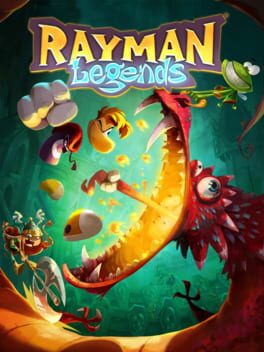
Rayman Legends is a lavish co-op 2D platformer with inventive level designs, musical stages, and constant creative surprises that make each world feel fresh—a direct parallel to It Takes Two's level-by-level reinvention.
Key difference: No narrative; purely gameplay-focused co-op platformer.
Best for: Players who loved It Takes Two's platforming and visual creativity.
Skip if: You need emotional story to stay engaged.
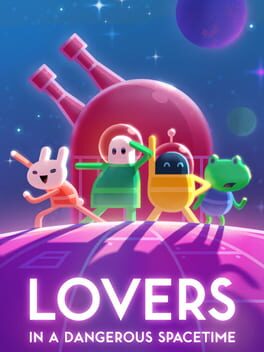
Lovers in a Dangerous Spacetime puts two players inside a spaceship, each manning different gun turrets and engines to navigate colorful levels, demanding constant communication in the same spirit as It Takes Two.
Key difference: Space-shooter genre; no platforming or story depth.
Best for: Couples wanting a fun, colourful co-op action game.
Overcooked! 2 is a frantic co-op cooking game demanding tight communication and split-second coordination between two players, delivering the same 'we did it together!' highs as It Takes Two. Mechanics escalate with each level.
Key difference: No narrative or platforming; pure party-game chaos.
Best for: Couples wanting maximum chaos-and-laughter co-op.
Skip if: You want exploration or a story connecting the levels.
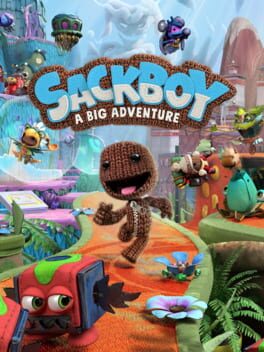
Sackboy: A Big Adventure is a polished co-op 3D platformer with themed worlds, music-driven levels, and varied mechanics that channels the same family-friendly creative energy as It Takes Two.
Key difference: Less narrative ambition; more traditional collect-a-thon structure.
Best for: Families or couples wanting accessible co-op platforming.
Skip if: You want deep story or constantly shifting game genres.
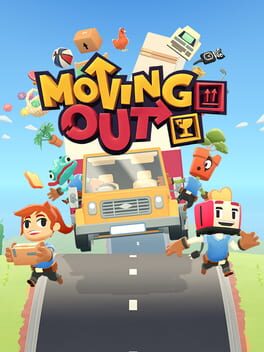
Moving Out is a co-op physics game where two players must haul furniture through chaotic scenarios together, delivering the same combination of laughter, teamwork, and escalating mechanical challenges as It Takes Two.
Key difference: Pure physics party game; no story or platforming.
Best for: Couples who loved It Takes Two's comedic co-op chaos.
Skip if: You want narrative depth or platforming precision.
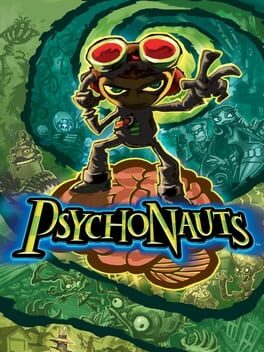
Psychonauts sends players through surreal, wildly different mental worlds, each with its own mechanics and tone—exactly what It Takes Two does room by room. The comedy, heart, and variety of gameplay ideas are remarkably similar.
Key difference: Single-player only; no co-op component.
Best for: Solo players craving It Takes Two's creative variety and humor.
Skip if: You specifically need a two-player experience.
Inside is a tightly crafted puzzle-platformer with a cinematic atmosphere and clever mechanics that evolve without ever repeating themselves, much like It Takes Two's commitment to never reusing an idea.
Key difference: Single-player, dark/silent tone instead of warm co-op story.
Best for: Solo players who want smart puzzles with strong atmosphere.
Skip if: You need comedy, warmth, or a partner to play with.
Braid introduces a completely new time-manipulation mechanic in each world and wraps it in a melancholy narrative—echoing It Takes Two's commitment to fresh ideas every level. A puzzle-platformer ahead of its time.
Key difference: Difficult, abstract puzzles; no co-op.
Best for: Solo puzzle fans who appreciate inventive mechanics.
Skip if: You want accessible gameplay or a co-op partner.
A Hat in Time is a charming 3D platformer full of genre-hopping chapter themes—stealth chapter, movie-set chapter, haunted chapter—channeling the same 'what are we playing NOW?' surprise loop as It Takes Two.
Celeste is a precision platformer with a genuinely moving story about mental health and perseverance, pairing tight mechanical design with real emotional stakes—similar to the tonal ambition of It Takes Two.
Ori and the Blind Forest is a visually stunning platformer with fluid movement and puzzle-driven exploration. Its emphasis on a heartfelt story and polished, ever-changing challenges aligns with what makes It Takes Two memorable.
Key difference: Single-player; more Metroidvania structure than level-by-level variety.
Best for: Players who loved It Takes Two's beauty and emotion.
Skip if: You need co-op or constant mechanic switches.
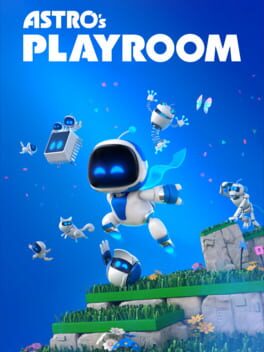
Astro's Playroom cycles through themed worlds each showcasing completely different gameplay gimmicks, capturing It Takes Two's signature 'every room is a new game' feel in a shorter, joyful package.
Key difference: Single-player; a showcase game rather than a full-length experience.
Best for: PS5 owners wanting bite-sized mechanical variety.
Skip if: You want co-op or a longer narrative arc.
Gris is a wordless, emotionally charged platformer where each chapter unlocks new movement mechanics tied to the protagonist's grief arc—sharing It Takes Two's philosophy of mechanics serving story.
Key difference: Very short, no challenge difficulty, no co-op.
Best for: Players who loved the emotional tone over the action.
Limbo is a monochromatic puzzle-platformer with a relentless momentum and escalating environmental puzzles. It inspired an entire generation of indie puzzle-platformers that It Takes Two builds upon.
Key difference: Dark, minimalist, single-player; no humor or story warmth.
Best for: Players wanting atmospheric puzzle-platforming.
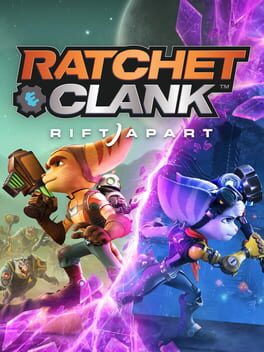
Ratchet & Clank: Rift Apart is a polished, dimension-hopping action-platformer that swaps mechanics and set-pieces at a pace reminiscent of It Takes Two's relentless creativity, with two playable characters.
Key difference: Single-player; shooter-heavy; less puzzle emphasis.
Best for: Fans of It Takes Two's visual spectacle and character variety.
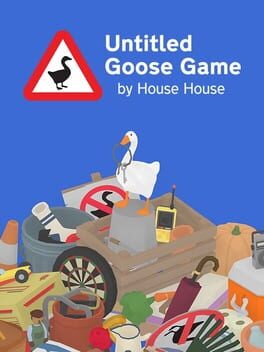
Untitled Goose Game supports co-op for two players and tasks both with creatively trolling unsuspecting villagers through environmental puzzle-stealth comedy—delivering It Takes Two's co-op laughs in a much shorter burst.
Key difference: Extremely short; stealth-comedy rather than platforming.
Best for: Couples wanting a quick, hilarious co-op session.
Fez plays with perspective in a way that constantly reframes the puzzle-platformer around a single ingenious mechanic, rewarding curiosity and exploration in the same indie spirit as It Takes Two's best rooms.
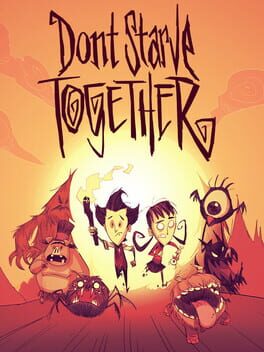
Don't Starve Together is a co-op survival game requiring players to divide tasks and communicate to stay alive, delivering meaningful two-player dependence similar in spirit to It Takes Two's teamwork design—but in a very different genre.
Key difference: Punishing survival roguelike; no narrative warmth.
Best for: Co-op fans who want a longer, harder challenge together.
Skip if: You want story, platforming, or low-stress gameplay.
Single-player; more Metroidvania structure than level-by-level variety.
PC, Xbox, Nintendo
What makes a game feel like It Takes Two?
The three pillars are: mandatory co-op (not 'co-op option' bolted onto a single-player game), constant mechanical reinvention (each level or chapter plays differently), and a sense that both players have equal agency. Portal 2 nails all three in its co-op campaign—each puzzle is unsolvable alone, and the game regularly breaks its own rules to introduce new portal mechanics. Trine gets close too, with its complementary-character design forcing players to use wizard, thief, and knight abilities in concert.
Games that share only the platforming or puzzle genre without the co-op heart—like Celeste or Inside—are still excellent recommendations for solo players who loved It Takes Two's level design philosophy, but they scratch a different part of the itch.
Best co-op picks if you want to play with a partner
If co-op is non-negotiable, start with Portal 2's co-op campaign, then move to Overcooked! 2 for chaotic kitchen comedy that tests communication under pressure. Untitled Goose Game supports two players and delivers surprising laughs in a much shorter session. For something cozier, Unravel Two (in the 'additional' list) is explicitly built for two and uses its yarn-tether mechanic to make helping each other feel genuinely tactile.
Outside the candidate list, Moving Out and Lovers in a Dangerous Spacetime are both hidden-gem co-op titles most lists skip but that deliver the same 'we're figuring this out together' energy that defines It Takes Two.
If you loved the story and emotion more than the co-op
It Takes Two uses its marriage-in-crisis narrative to give emotional weight to every mechanic—the wasp nest level hits differently because of what it represents. If that emotional resonance is what you're chasing solo, Unravel tells a wordless, touching story through yarn physics, while Gris channels grief into beautiful platforming. Psychonauts is the best match for the playful creativity and genuine heart: each mental world is its own genre sandbox, and the comedy-to-sincerity ratio is remarkably similar to It Takes Two at its best.
Is there a game exactly like It Takes Two but single-player?
Psychonauts comes closest: it's a platformer that reinvents its mechanics in every themed world and balances comedy with genuine emotion. Inside and Braid both share the puzzle-platformer DNA with fresh mechanics per level, just without the co-op or narrative warmth.
What game should I play after It Takes Two with the same partner?
A Way Out, from the same Hazelight director, is the obvious first stop—it's co-op only, genre-hopping, and built on the same design philosophy. After that, Portal 2's co-op campaign and Trine are the strongest follow-ups in the candidate pool.
Is It Takes Two good for couples who don't normally play games?
Yes—it's one of the most recommended 'gateway' co-op games because it constantly changes what you're doing, so neither player gets left behind by a genre they don't enjoy. Overcooked! 2 and Unravel Two are similarly accessible co-op options for non-gamers.
Are there free or mobile games like It Takes Two?
True co-op platformers of It Takes Two's quality don't translate well to free-to-play or mobile. The closest free option is Fortnite's creative co-op modes, but they lack the mechanical variety. It Takes Two itself offers a free 'Friend Pass' so only one player needs to buy the full game.
Does It Takes Two have a sequel?
Not a direct sequel, but Hazelight Studios' next game 'Split Fiction' (2025) follows the same co-op-only, genre-hopping design with two new protagonists. A Way Out is the studio's earlier work and shares the same co-op philosophy.
 96%
96%