Minecraft's lasting appeal comes from its seamless blend of survival pressure and creative freedom: you punch trees, smelt ore, craft progressively powerful gear, and build anything from a dirt hut to a working computer—all inside a procedurally generated open world that never runs out of space to explore. The day/night threat cycle and mob encounters give structure to an otherwise boundless sandbox, making every session feel both urgent and open-ended.
When players search for games like Minecraft, they're really looking for that specific cocktail: resource gathering → crafting → building → exploration, ideally with survival stakes and enough creative latitude to leave a personal mark on the world. Pure open-world RPGs or action-adventures rarely scratch the itch; the sweet spot is games where making things is as central as surviving or exploring.
Top pick:Terraria is the single closest match in the entire medium—it shares Minecraft's exact loop of punching raw materials, crafting your way up a tool tier, building shelters, and eventually taking on world-threatening bosses, all wrapped in a procedurally generated world with nearly identical sandbox freedom; the only real trade-off is the shift from 3D blocks to a 2D side-scrolling plane.
Some store buttons are affiliate links — we may earn a commission at no extra cost to you.
Terraria is a 2D sandbox where you mine, craft, and build while fighting bosses and exploring procedurally generated worlds—the closest spiritual twin Minecraft has. Resource chains, tool progression, and creative building all feel instantly familiar, just collapsed into a side-scrolling plane.
Key difference: 2D side-scrolling instead of first-person 3D blocks.
Best for: Fans who want deeper combat and boss progression alongside building.
Skip if: You need the first-person, fully 3D block world.
Minecraft: Java Edition is the PC-native version of the same game with moddability, snapshot updates, and a vast modding community that dramatically expands crafting trees, biomes, and gameplay systems. If you play the 2016 console/Bedrock build, Java Edition unlocks a totally different ecosystem.
Key difference: PC-exclusive with massive modding and snapshot access.
Best for: Players who want mods, custom servers, and snapshot features.
Skip if: You already play Java Edition or prefer controller/cross-play.
Subnautica tasks you with surviving on an alien ocean world by gathering resources, crafting tools, and constructing underwater bases from modular pieces—Minecraft's loop translated into a breathtaking first-person 3D seascape.
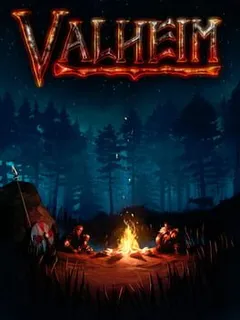
Valheim drops you into a procedurally generated Viking world where you gather resources, craft tools, build longhouses, and defeat mythical bosses to unlock new biomes. Its hunger, shelter, and crafting loops mirror Minecraft's survival mode with a grittier Norse aesthetic.
Key difference: Third-person perspective with stamina-based combat and structured boss gates.
Best for: Players who want Minecraft survival with more purposeful story progression.
Skip if: You dislike stamina mechanics or darker, more demanding survival.
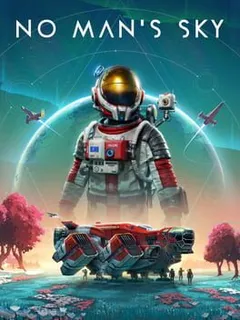
No Man's Sky combines procedurally generated planet exploration, resource mining, base building, and crafting across a near-infinite universe—hitting almost every pillar of Minecraft's sandbox formula at interstellar scale.
Key difference: Space flight and multiplayer galaxy scale; less focused block building.
Best for: Minecraft explorers who want an astronomically large sandbox to populate.
Skip if: You want tight, focused survival with dense block-level construction.
7 Days to Die fuses voxel-block building and crafting with zombie survival: you mine, craft, and fortify bases, then defend them against escalating horde nights—the closest genre hybrid to Minecraft's survival mode with explicit threat escalation.
Key difference: Wave-based zombie hordes every seventh night demand defensive engineering.
Best for: Minecraft survival players who want stronger threat pressure and goals.
Skip if: You want peaceful creative building or a kid-friendly tone.
Starbound is a 2D space-exploration sandbox where you terraform planets, gather alien resources, craft gear, and build colonies—Terraria's structure expanded across a galaxy of procedurally generated worlds with a light narrative spine.
Key difference: Space travel between planets adds scope Terraria and Minecraft lack.
Best for: Terraria fans who want more variety, lore, and a galaxy to colonize.
Skip if: You need 3D building or want tightly balanced combat.
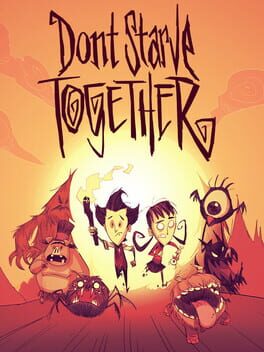
Don't Starve Together is a co-op wilderness survival sandbox where you scavenge resources, craft tools, build a base camp, and endure seasonal threats—all against a hand-drawn gothic art style. The open-ended crafting and base-building loop hits the same core itch as Minecraft's survival mode.
Key difference: Permadeath and brutally unforgiving difficulty with no block-building.
Best for: Co-op players who want a harder, aesthetically distinct survival sandbox.
Skip if: You rely on respawning or want creative/peaceful building modes.
ARK places you on a prehistoric island where you gather resources, craft tools, build bases, and tame dinosaurs to survive—Minecraft's survival crafting loop amplified by a creature-collection system and brutal multiplayer ecosystems.
Key difference: Dinosaur taming and steep PvP survival curve make it far more demanding.
Best for: Minecraft survival players who want creature companions and harder stakes.
Skip if: You want kid-friendly tone, block aesthetics, or peaceful play.
Don't Starve is the solo version of the same survival-crafting formula: forage, craft, build structures, manage hunger and sanity, and push deeper into mysterious biomes. Its eccentric, hand-drawn world feels fresh while the resource-to-tool progression mirrors Minecraft closely.
Key difference: Solo only, permadeath-focused, no block construction system.
Best for: Solo players who prefer a curated, hand-crafted survival experience.
Skip if: You want cooperative play or peaceful creative building.
Raft has you build and expand a floating platform across a procedurally generated ocean, harvesting debris and crafting new structures while fending off sharks—a tight, focused take on Minecraft's survival-building loop with a striking water-world setting.
Key difference: Entirely ocean-based with a drifting raft as your only land.
Best for: Co-op Minecraft fans who want a constrained, goal-oriented survival sandbox.
Skip if: You need vast land exploration or block-based creative building.
Stardew Valley centers on farming but layers in mining, crafting, base-building, and open-ended daily progression that scratches the same gathering-and-constructing loop Minecraft fans love. Its mines are resource dungeons in all but name.
Key difference: Farming and social simulation are the primary focus, not exploration or combat.
Best for: Players who want a cozy, slower-paced crafting and building sandbox.
Skip if: You need action, exploration over large maps, or hostile mob survival.
Animal Crossing: New Horizons lets you terraform a deserted island from scratch, place structures, decorate freely, and cultivate a community—all in a chill, kids-friendly sandbox with daily loops. The creative freedom and open-ended island shaping parallel Minecraft's creative mode.
Key difference: No survival, no combat; purely cozy social and decorative sandbox.
Best for: Younger players or anyone who mainly plays Minecraft in creative mode.
Skip if: You want survival challenge, combat, or large-scale exploration.
Rust is a multiplayer survival sandbox where you punch trees, gather resources, craft progressively advanced gear, and build fortified bases—directly echoing Minecraft's survival loop. It adds intense player-vs-player conflict on shared servers.
Key difference: Aggressively PvP-focused; other players are the main threat, not mobs.
Best for: Players who want Minecraft survival with high-stakes multiplayer tension.
Skip if: You prefer PvE, peaceful building, or kid-safe environments.
Animal Crossing: New Leaf shares the sandbox, kids-friendly island life with daily crafting, collecting, and community-building rhythms that young Minecraft fans will find welcoming. It's a predecessor to New Horizons with a beloved cult following.
Key difference: 3DS handheld only; less terraforming freedom than New Horizons.
Best for: Handheld players or Minecraft fans who want a relaxed collector's sandbox.
Skip if: You need survival, action, or large open-world exploration.
Fallout 4 introduced a full settlement-building system on top of its open-world RPG, letting you gather scrap, craft structures and defenses, and wire up electricity—recognizably Minecraft-like within a post-apocalyptic shooter framework.
Key difference: Story-driven shooter RPG with building as a secondary feature, not the core.
Best for: Players who want Minecraft-style building embedded in a narrative RPG.
Skip if: You want building and crafting as the primary loop, not side content.
Sea of Thieves is an open-world shared-world adventure centered on sailing, discovering islands, and cooperative exploration—hitting the same sense of wonder and sandbox freedom Minecraft fans love on the high seas. Emergent player stories drive both games.
Key difference: No crafting or building; PvP pirate combat and sailing are the focus.
Best for: Minecraft multiplayer fans who want exploration and emergent co-op stories.
Skip if: You need crafting, construction, or single-player depth.
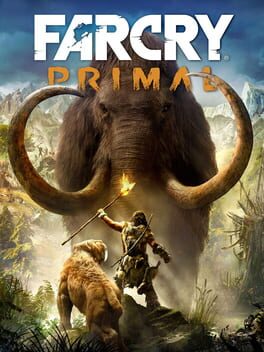
Far Cry Primal strips the series down to a Stone Age survival sandbox: craft primitive tools from gathered resources, tame animals, build up a settlement, and survive in a hostile open world—a lighter take on the Minecraft survival formula in a first-person 3D world.
Key difference: Linear story structure and no procedural generation or block building.
Best for: Minecraft survival fans who want a first-person 3D crafting world with a story.
Skip if: You need truly open sandbox creation or block-based building.
Breath of the Wild offers enormous open-world exploration, physics-driven experimentation, and cooking/crafting systems that reward curiosity in ways Minecraft players will recognize. The freedom to approach any problem creatively is the shared DNA.
Key difference: Action-adventure with fixed narrative; no base-building or resource grind.
Best for: Minecraft explorers who want a polished guided adventure alongside the freedom.
Skip if: You want crafting depth, building, or persistent world modification.
Civilization V shares Minecraft's 4X loop—explore territory, expand your borders, exploit resources, and eliminate threats—just through a turn-based strategy lens rather than a first-person sandbox. Both reward long-term planning and resource chain management.
Key difference: Turn-based grand strategy with no real-time action or building blocks.
Best for: Minecraft players drawn to the 4X expansion and resource strategy side.
Skip if: You want action, first-person exploration, or creative building.
Third-person perspective with stamina-based combat and structured boss gates.
Xbox, PC, Nintendo, PlayStation
No Man's Sky
85%
Simulator, Adventure
Space flight and multiplayer galaxy scale; less focused block building.
Xbox, PlayStation, Nintendo, PC
7 Days to Die
82%
Simulator, Adventure
Wave-based zombie hordes every seventh night demand defensive engineering.
Xbox, PlayStation, PC
Starbound
80%
Adventure, Action
Space travel between planets adds scope Terraria and Minecraft lack.
Xbox, PC
Don't Starve Together
78%
Simulator, Adventure
Permadeath and brutally unforgiving difficulty with no block-building.
PC, Nintendo
Ark: Survival Evolved
78%
Simulator, Adventure
Dinosaur taming and steep PvP survival curve make it far more demanding.
Xbox, PlayStation, PC, Mobile, Nintendo
Castle Crashers
75%
Adventure, Action
Solo only, permadeath-focused, no block construction system.
PlayStation, PC, Xbox
Raft
75%
Simulator, Adventure
Entirely ocean-based with a drifting raft as your only land.
Xbox, PC, PlayStation
Stardew Valley
68%
Simulator, Adventure
Farming and social simulation are the primary focus, not exploration or combat.
PlayStation, PC, Nintendo, Mobile, Xbox
Animal Crossing: New Horizons
65%
Simulator, Sandbox
No survival, no combat; purely cozy social and decorative sandbox.
Nintendo
Rust
64%
Adventure, Action
Aggressively PvP-focused; other players are the main threat, not mobs.
PC
Animal Crossing: New Leaf
60%
Simulator, Fantasy
3DS handheld only; less terraforming freedom than New Horizons.
Nintendo
What makes a game genuinely feel like Minecraft?
The defining features aren't "open world" or "action"—they're the gather-craft-build loop, procedural world generation, and the sense that your construction persists and reshapes the environment. Terraria and Valheim nail all three: Terraria in a 2D plane with richer combat systems, Valheim in a full 3D Norse world with structured boss progression that unlocks new crafting tiers the way mining diamonds unlocks new tools in Minecraft.
Don't Starve Together and Rust capture the survival pressure and base-building sides respectively, though both dial up difficulty significantly—Don't Starve with permadeath and Rust with aggressive PvP. If you want the full creative-mode experience without survival stakes, Animal Crossing: New Horizons is the most family-friendly sandbox with genuine terrain-shaping freedom.
Best Minecraft alternatives if you want a richer story or world
If exploration and discovery matter more to you than building, Subnautica (in our additional picks) delivers the finest sense of uncovering a new world since Minecraft's early days, with a light narrative that explains why you're there. No Man's Sky scales that wonder to a practically infinite universe of procedurally generated planets you can mine, build on, and colonize.
For players who want structured quests alongside the sandbox, Fallout 4's settlement-building system is a legitimate Minecraft analogue embedded inside a narrative RPG, and The Legend of Zelda: Breath of the Wild rewards the same physics-driven experimentation and curiosity that makes Minecraft so endlessly engaging—even without block construction.
Co-op and multiplayer picks for Minecraft fans
Valheim is arguably the best co-op survival sandbox available right now: a shared world where up to ten players build Viking longhouses, sail procedurally generated seas, and take on boss fights together. Don't Starve Together offers a harder, more intimate co-op take—two to four players sharing resources and fighting the environment's brutal seasonal cycles. Sea of Thieves captures the emergent multiplayer stories Minecraft servers are famous for, trading block-building for pirate sailing and island hopping with friends.
Terraria is widely considered the closest game to Minecraft on PC—it shares the same resource-gathering, crafting, and sandbox building loop, just in a 2D side-scrolling world. Valheim is the best 3D alternative, offering survival crafting and base building in a Norse open world with a similarly open-ended feel.
Is Terraria basically Minecraft in 2D?
Broadly yes: Terraria and Minecraft share the same core loop of mining resources, crafting tools, building shelters, and battling bosses. Terraria adds more structured combat depth and a richer item variety, while Minecraft emphasizes 3D creative building. Most fans of one enjoy the other.
What games like Minecraft are good for kids?
Animal Crossing: New Horizons is the safest and most polished sandbox for younger players—creative island building, no combat, and a warm social tone. Stardew Valley is another gentle pick with crafting and farming. For older kids ready for more challenge, Terraria and Valheim both have adjustable difficulty.
Are there any games like Minecraft with a better story?
Subnautica pairs Minecraft-style survival crafting with a genuinely gripping mystery narrative. No Man's Sky has an overarching lore quest across its procedural universe. If you want story inside a crafting game, Fallout 4 embeds a full settlement-building system inside a post-apocalyptic RPG narrative.
What is the best survival crafting game like Minecraft for multiplayer?
Valheim stands out as the best co-op survival crafting game for Minecraft fans: shared procedural worlds, Viking base building, and cooperative boss fights all feel like natural extensions of what Minecraft's multiplayer servers offer. Rust is the most intense option if you want PvP stakes, while Don't Starve Together is best for small-group cooperative survival.
 97%
97%