What makes Skyrim beloved isn't just its dragons — it's the feeling of stepping into a handcrafted living world and becoming whoever you want. The skill system grows with what you do, not a class you picked at a menu. Every mountain has something on the other side worth finding, every dungeon has a story, and no two playthroughs look the same.
When players ask for games like Skyrim, they're really asking for that combination: a large open fantasy world, freeform character progression, abundant hand-placed content to discover, and the freedom to approach any situation — combat, stealth, or magic — on their own terms.
Top pick:The Witcher 3: Wild Hunt is the single closest match in the pool: it's a vast open-world fantasy RPG with a living world, layered sidequests that rival Skyrim's best, and a combat/sign-magic system that rewards build experimentation — the main trade-off is that you play a fixed character rather than building one from scratch.
Some store buttons are affiliate links — we may earn a commission at no extra cost to you.
The Witcher 3 shares Skyrim's open-world fantasy RPG blueprint: a massive handcrafted world packed with side quests, dynamic storytelling, and character progression. Where Skyrim lets you be anyone, Witcher 3 goes deeper on narrative consequence and quest writing.
Key difference: Fixed protagonist Geralt; story is authored, not player-invented.
Best for: Players who want richer writing and quest design.
Oblivion is Skyrim's direct predecessor, running the same open-world fantasy RPG loop across Cyrodiil — dungeon crawling, guild questlines, and freeform character building. Slightly clunkier but equally vast and beloved.
Key difference: Older engine; attribute system is more complex and dated.
Best for: Skyrim veterans hungry for more Elder Scrolls lore.
Skip if: You can't tolerate dated AI and animation.
Morrowind is the same open-world fantasy RPG lineage, set in an alien, deeply strange corner of Tamriel with full text dialogue and hardcore stat-based combat. The worldbuilding is arguably richer than Skyrim's.
Key difference: Dice-roll combat; no quest markers; very old interface.
Best for: Lore-obsessed players who love world texture over polish.
Skip if: You want modern accessibility or smooth action combat.
Fallout 4 is a Bethesda open-world RPG built on the same Creation Engine philosophy as Skyrim — radiant quests, hundreds of dungeons, and freeform character builds. The setting shifts to post-apocalyptic Boston but the exploration loop is nearly identical.
Key difference: Sci-fi post-apocalypse; base-building replaces pure dungeon-crawl.
Best for: Skyrim fans wanting the same studio's open-world feel, different skin.
Skip if: You dislike shooting and want pure sword-and-sorcery.
Fallout: New Vegas is an open-world RPG set in the Mojave wasteland with exceptional faction choices, branching quests, and character build depth that rivals any Bethesda title. The writing and role-playing systems outshine Fallout 4.
Key difference: Obsidian's writing is sharper; world is denser with moral grey zones.
Best for: Players who want the best RPG writing in a Bethesda-style world.
Skip if: You need polished technical performance; it shipped notoriously buggy.
A first-person open-world RPG set in medieval Bohemia where you play a blacksmith's son with no preset class — skills develop through use, exactly like Skyrim's system, but in a grounded historical setting with no magic.
Key difference: No fantasy or magic; hardcore realism; demanding survival systems.
Best for: Players who want Skyrim's first-person RPG loop in a historical world.
Skip if: You need fantasy elements or forgiving difficulty.
Fallout 3 was Bethesda's proof that their open-world RPG formula worked in first-person 3D before Skyrim. Capital Wasteland is huge, full of hand-placed discoveries, and the S.P.E.C.I.A.L. build system rewards experimentation.
Key difference: Post-nuclear Washington D.C. setting; gunplay-focused combat.
Best for: Skyrim fans who want Bethesda's exploration magic in a grim sci-fi skin.
Skip if: You need a fantasy setting or melee-focused combat.
Elden Ring is an open-world fantasy action RPG where exploration rewards you with secrets, builds, and lore — structurally the closest From Software has come to Skyrim's exploration philosophy. Combat is far more demanding and precise.
Key difference: Punishing Soulslike difficulty; minimal hand-holding or quest markers.
Best for: Players craving a darker, more challenging open-world fantasy.
Skip if: You want casual exploration or fast leveling rewards.
The Elder Scrolls Online is set in the same Tamriel universe as Skyrim, letting you explore Morrowind, Elsweyr, Summerset, and more with the familiar lore, guild quests, and character progression. It's now playable fully solo.
Key difference: MMO infrastructure; some content requires grouping; subscription model.
Best for: Skyrim players who want more Tamriel and don't mind online.
Skip if: You strictly want a singleplayer, offline experience.
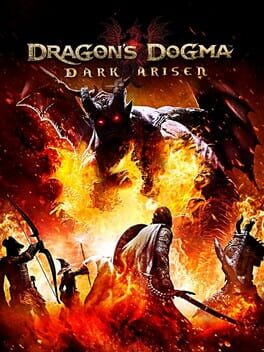
An open-world fantasy action RPG with a deep vocation (class) system and party-based combat against massive creatures. Exploration and character build experimentation feel very close to Skyrim's spirit.
Key difference: Pawn companion AI system; smaller world; more action-arcade combat feel.
Best for: Skyrim fans who want monster-hunting and class flexibility.
Skip if: You need polished open-world density or strong narrative.
Dragon Age: Origins is a party-based fantasy RPG set in a world of Grey Wardens, darkspawn, and political intrigue. It shares Skyrim's love of lore-dense worldbuilding and meaningful sidequests, but with tactical, pause-and-command combat.
Key difference: Tactical party combat; more linear hub structure than true open world.
Best for: Skyrim fans who want deeper companion stories and tactical depth.
Skip if: You need real-time fluid combat and total freedom of movement.
Baldur's Gate 3 is a D&D-based fantasy RPG with extraordinary freedom of choice, rich world reactivity, and deep character building. It scratches the same 'do anything' itch as Skyrim, but through turn-based tactical combat.
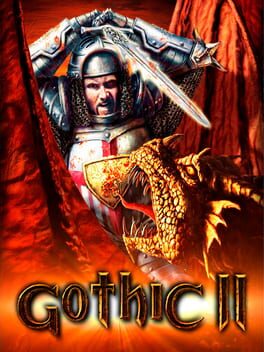
Gothic II is an open-world fantasy RPG from 2002 where every NPC has a schedule and the world feels genuinely reactive to your actions. It shares Skyrim's dungeon-crawl loop and guild-joining structure, with a harsher, more grounded tone.
Key difference: Steep early difficulty curve; no hand-holding; very dated visuals.
Best for: Players who want a tight, believable fantasy world over Skyrim's scale.
Skip if: You need modern UI quality or smooth animations.
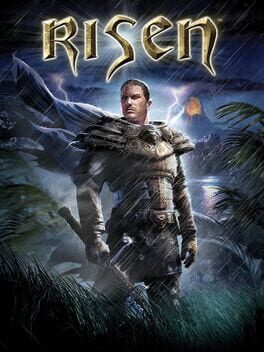
Risen is an open-world fantasy action RPG from the Gothic developers, set on a volcanic island with faction-based progression and skill-gate exploration that rewards patience. The tone is grounded medieval fantasy, similar to early Skyrim areas.
Horizon Zero Dawn is a third-person open-world action RPG set in a post-post-apocalyptic world of robotic creatures and tribal societies. It shares Skyrim's loop of exploration, crafting, skill trees, and rich lore revealed through collectibles.
Key difference: Sci-fi mystery over fantasy; more cinematic, less freeform roleplaying.
Best for: Skyrim explorers who want a narrative-driven open world with bow-combat.
Skip if: You want true RPG character freedom or a fantasy setting.
Cyberpunk 2077 (post-patch) is an open-world RPG with deep character builds, hundreds of side activities, and a dense city to explore — it's Night City as Bethesda's Tamriel, but in neon sci-fi. First-person perspective and build variety mirror Skyrim's feel.
Key difference: Urban sci-fi setting; story protagonist V; shipped with major bugs.
Best for: Players who want Skyrim's first-person RPG feel in a modern setting.
Skip if: You want fantasy or truly non-linear character origin.
Shadow of Mordor is a third-person open-world fantasy action RPG set in Tolkien's Middle-earth, featuring the Nemesis system that makes every enemy encounter personal and dynamic. Combat and stealth feel polished, and the open world rewards exploration.
Key difference: Nemesis system replaces RPG build depth; shorter and more action-focused.
Best for: Skyrim fans wanting fantasy open-world with tight action combat.
Skip if: You want deep character customization or extensive questlines.
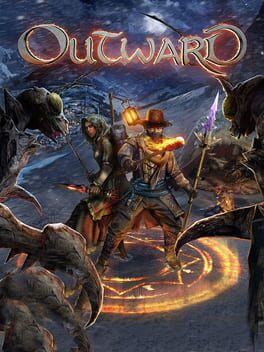
A fantasy open-world RPG survival game where you play a common adventurer with no special destiny — skills, spells, and survival needs shape your character organically, much like Skyrim's freeform progression.
Key difference: Hardcore survival mechanics; permadeath alternatives; no fast travel.
Best for: Players who want a grittier, more punishing Skyrim-style survival fantasy.
Skip if: You want polish or traditional hero power fantasy.
Dishonored is a first-person stealth-action RPG set in a dark fantasy city, where your powers (Blink, Possession, Wind Blast) mirror Skyrim's magic school and the missions offer multiple approaches — go loud, go stealthy, or use magic creatively.
Key difference: Mission-based structure; not open-world; no persistent character leveling.
Best for: Skyrim players who loved stealth/magic builds and want tight level design.
Skip if: You need an open world to wander or a deep RPG progression system.
The Witcher 2 is a fantasy action RPG with impactful branching choices and a gritty world. It's more linear than Skyrim and Witcher 3, but its combat and moral ambiguity make it a worthy bridge between classic CRPGs and open-world action RPGs.
Key difference: Much more linear; one major choice forks the entire second act.
Best for: Players who want authored Witcher narrative before the open-world jump.
Skip if: You need a seamless open world or simple combat.
Breath of the Wild revolutionized open-world exploration with a sandbox fantasy world where you can tackle anything in any order, climb any surface, and solve problems creatively — the same spirit of freedom Skyrim champions, in a Nintendo key.
Key difference: No character build depth; combat is gear-durability-based; no dialogue choices.
Best for: Players who prioritize pure exploration wonder over RPG systems.
Skip if: You want leveling systems, story choices, or dark mature tone.
KOTOR is a choice-driven RPG in the Star Wars universe with a party system, deep character builds, and a story full of moral decisions. Though not open-world, it delivers the same sense of being a hero shaped by your own choices.
Key difference: Turn-based combat; linear hub-world structure; sci-fi setting.
Best for: Skyrim players who love character builds and meaningful story choices.
Skip if: You need an open world or real-time action combat.
Sci-fi mystery over fantasy; more cinematic, less freeform roleplaying.
PlayStation, PC
What Makes a Game Feel Like Skyrim?
Three things define the Skyrim experience: a seamless open world you can explore in any direction from the start, skill progression that reacts to how you play rather than locking you into a class, and dense environmental storytelling — books, ruins, and NPCs that reward curiosity. Games like Fallout 4 and The Elder Scrolls IV: Oblivion nail all three because they share the same Bethesda design philosophy: a huge handcrafted world where the act of wandering is the core gameplay loop.
Depth of the RPG systems matters too. Baldur's Gate 3 and Dragon Age: Origins deliver the character-build obsession in a more structured format, while Gothic II and Risen — lesser-known but excellent — match Skyrim's gritty tone and reactive world in compact, punishing packages that most recommendation lists overlook.
Best Open-World Fantasy Alternatives to Skyrim
If your priority is the fantasy open world itself, The Witcher 3: Wild Hunt remains the gold standard — its Skellige islands and Velen countryside feel as alive as any Nordic hold. Elden Ring pushes open-world fantasy exploration further into secret discovery and environmental mystery, though it demands far more patience with its combat. Horizon Zero Dawn swaps swords for bows and robots for dragons, but its open world has the same density of side content and lore.
For something more niche, Gothic II and Risen (both from Piranha Bytes) build smaller but remarkably believable fantasy open worlds where NPCs have jobs and schedules, and the world genuinely resists you early on — a refreshing contrast to Skyrim's ever-scaling enemies.
If You Want More Bethesda DNA
Bethesda's own catalog is the most reliable source of that exact feeling. Fallout: New Vegas argues it's the best RPG writing ever put into a Bethesda-engine open world, with faction politics and moral ambiguity Skyrim never attempts. The Elder Scrolls III: Morrowind is Skyrim's stranger, more demanding ancestor — the lore is deeper and the world is more alien, but the dice-roll combat and lack of quest markers require a different mindset. The Elder Scrolls Online lets you walk the same roads as Skyrim's Tamriel in an MMO framework that now works comfortably in solo play.
The Witcher 3: Wild Hunt is almost universally considered the closest equivalent — a massive open-world fantasy RPG with comparable exploration depth, layered questing, and skill-based character progression. If you specifically want the Bethesda formula (first-person, skill-use leveling, full sandbox), Fallout 4 is the nearest sister title.
Are there games like Skyrim but with better graphics?
Elden Ring (2022) and Horizon Zero Dawn are both visually stunning open-world fantasy/action RPGs. Cyberpunk 2077 post-patch delivers breathtaking city visuals in a similar first-person open-world RPG framework, though the setting is sci-fi rather than fantasy.
Is The Witcher 3 harder than Skyrim?
On default difficulty, The Witcher 3 is noticeably more demanding — enemy levels matter more and combat has less of Skyrim's forgiving power-scaling. However, both games let you adjust difficulty settings, and neither is as punishing as Elden Ring or the Dark Souls series.
What is the best RPG for fans of Skyrim's freeform character building?
Kingdom Come: Deliverance (not in the candidate pool) mirrors Skyrim's skill-use leveling most faithfully in a historical setting. From the candidate list, Fallout: New Vegas and Fallout 4 best replicate the grow-as-you-play character system, while Baldur's Gate 3 offers the deepest class-build experimentation in a fantasy setting.
Are there any hidden gem games like Skyrim most people haven't heard of?
Gothic II and Risen (both by Piranha Bytes) are the most underrated Skyrim alternatives — they build reactive open-world fantasy RPGs with schedule-driven NPCs and guild progression that most recommendation lists miss. Dragon's Dogma: Dark Arisen is another frequently overlooked pick with excellent class-switching and creature combat.
 97%
97%