Diablo (1996) carved out the action-RPG genre as we know it: an isometric dungeon-crawler where real-time monster slaying, randomised level generation, and an addictive loot loop combine with a relentlessly oppressive Gothic-horror atmosphere. Its brilliance lies in the feedback loop — kill enemies, collect gear, grow stronger, descend deeper — executed with such clarity that it became the template for an entire genre.
When players search for games like Diablo, they are really chasing a specific sensation: the satisfying crunch of clearing a dark room full of monsters, the thrill of a glowing item drop, and a character that visibly grows more powerful. The best alternatives deliver that same real-time isometric loot-driven loop, or at least capture the dark fantasy atmosphere and stat-driven escalation that made Diablo so compelling.
Top pick:Diablo II (and its expansion Lord of Destruction) is the single closest match — a direct sequel by the same studio that perfects every system of the original while expanding the world, classes, and itemisation into what many fans still consider the greatest action-RPG ever made; if you loved Diablo, Diablo II is not optional.
Some store buttons are affiliate links — we may earn a commission at no extra cost to you.
20 games like Diablo
97%
Diablo II 2000
Diablo II perfects every mechanic introduced in the original: five character classes, a sprawling act structure, randomised areas, and a loot system so deep it defined the genre for decades. The dark fantasy tone and monster-slaying loop are direct continuations.
Path of Exile is the most direct modern heir to Diablo II: isometric hack-and-slash, a colossal passive-skill tree, deeply randomised areas, and a ruthless dark-fantasy atmosphere. Its free-to-play model makes it essential for any Diablo fan.
Key difference: Far steeper complexity; enormous passive tree and linked-gem skill system.
Best for: Diablo II veterans who want the deepest possible ARPG endgame.
Skip if: You are overwhelmed by deep build theorycrafting.
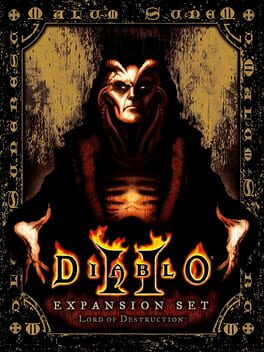
Lord of Destruction adds two full character classes (Druid and Assassin), a fifth act, and the pinnacle runeword itemisation system that Diablo II fans still chase. It is effectively Diablo II in its complete form.
Key difference: Expansion only — requires base Diablo II to play.
Best for: D2 players ready for the definitive endgame grind.
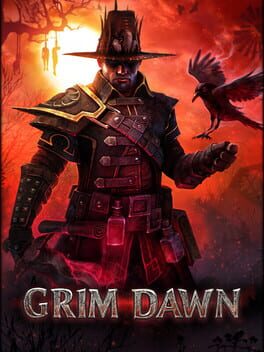
Grim Dawn blends Diablo's isometric dungeon crawl with a post-apocalyptic dark-fantasy setting, a dual-class system, and exceptional item density. It is widely regarded as the best Diablo-like outside the Diablo and Path of Exile families.
Key difference: Dual-class mastery system; grimmer steampunk-horror art direction.
Best for: Players who want Diablo II depth with modern production quality.
Skip if: You want a bright colourful ARPG or co-op-first design.
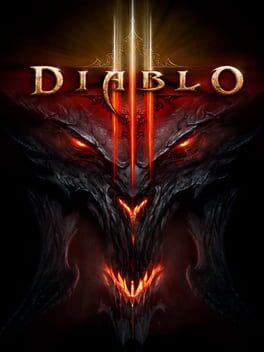
Diablo III streamlines and refines the isometric hack-and-slash loot loop with fluid real-time combat, five distinct classes, and randomised rift dungeons. The horror atmosphere is lighter than the original but the monster-slaying compulsion is identical.
Key difference: More polished and accessible; less oppressive atmosphere.
Best for: Players who want a smoother, co-op-friendly ARPG experience.
Skip if: You prefer the gritty, slower pacing of the 1996 original.
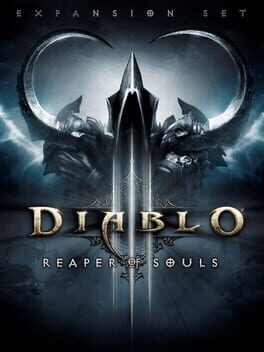
Reaper of Souls overhauled Diablo III's endgame with Adventure Mode, Nephalem Rifts, and the Crusader class — it's the version that turned the game's critical reception around and is now inseparable from the base game.
Key difference: Expansion content only; requires Diablo III.
Best for: D3 players wanting a proper endless endgame grind.
Skip if: You bounced off Diablo III's core combat already.
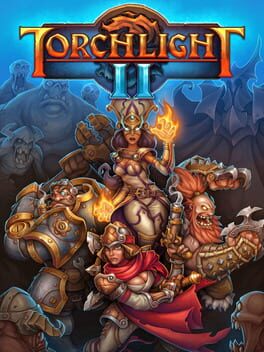
Torchlight II expands the original with full online and LAN co-op, four classes, massive outdoor zones, and a mod-friendly engine — delivering everything the first game lacked while keeping the same loot-driven isometric loop.
Key difference: Much larger game with co-op; lighter tone than Diablo.
Best for: Solo or co-op ARPG fans who want Diablo-style play without darkness.
Skip if: You want the grimmer atmosphere of the original Diablo.
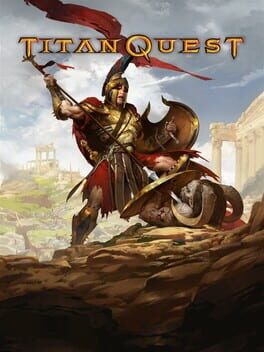
Titan Quest applies Diablo's isometric loot-crawler formula to ancient Greek, Egyptian, and Asian mythology, offering a dual-class system, randomised loot, and lengthy handcrafted campaigns with memorable mythological bosses.
Key difference: Sunlit historical mythology setting; no dark dungeon claustrophobia.
Best for: Diablo fans who enjoy mythology and prefer outdoor adventure to horror.
Skip if: You specifically want gothic horror atmosphere.
PC
82%
Dungeon Siege 2002
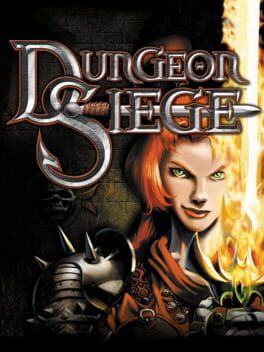
Dungeon Siege is a streamlined isometric ARPG focused on endless monster corridors, automatic skill levelling via use, and seamless world loading — it stripped Diablo's formula to pure kinetic momentum.
Key difference: No death penalty, very streamlined; RPG systems are minimal.
Best for: Players who love Diablo's pacing but dislike complex build management.
Skip if: You want deep itemisation or meaningful character choice.
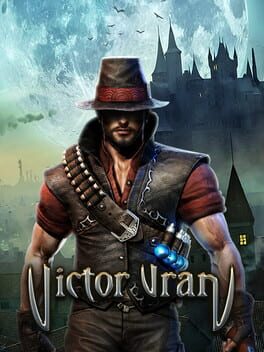
Victor Vran is an isometric ARPG set in a gothic vampire-haunted city where weapon type determines your playstyle, not a class selection — it shares Diablo's dark European horror aesthetic and dungeon-clearing loop.
Hades is a top-down hack-and-slash roguelike where each run through procedurally varied underworld chambers showers you with stacking power upgrades and narrative rewards. The fast, fluid combat and 'one-more-run' loot compulsion directly echo Diablo's appeal.
Key difference: Roguelike structure: runs reset on death; no persistent open stash.
Best for: Players who love Diablo's moment-to-moment combat with tighter narrative.
Skip if: You hate losing progress between sessions.
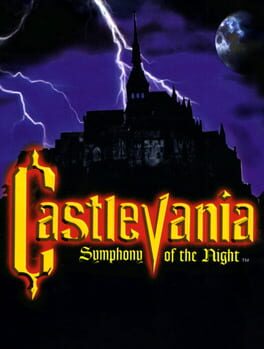
Castlevania: Symphony of the Night is a gothic action-RPG where you explore a sprawling, monster-filled castle, collect weapons and gear from fallen enemies, and level up a permanent character. The dark horror atmosphere and loot-driven exploration mirror Diablo's DNA.
Key difference: 2D side-scrolling Metroidvania, not isometric; map is hand-crafted.
Best for: Diablo fans who enjoy gothic horror and character stat-building.
Skip if: You strictly need isometric perspective or randomised levels.
Baldur's Gate II shares Diablo's isometric camera and its Forgotten Realms dark-fantasy world crawling with undead and demons. Gear and XP accumulation drive progression through story-rich dungeons with menacing bosses.
Key difference: Pause-and-play tactical combat, heavy narrative focus; not real-time twitch.
Best for: Diablo fans who crave deep story and party management too.
Skip if: You want pure fast-paced real-time action with minimal reading.
PC
63%💎 Gem
Planescape: Torment 1999
Planescape: Torment is an isometric RPG set in a nightmarish multi-dimensional realm dripping with grotesque horror imagery and existential dread. Like Diablo, you explore dark dungeons and fight monsters, though the writing and roleplay depth are unmatched.
Key difference: Almost entirely narrative-driven; combat is secondary to dialogue.
Best for: Diablo fans curious about the philosophical dark-fantasy genre.
Skip if: You want fast loot-driven combat over story.
Pillars of Eternity uses an isometric perspective, dark fantasy world, and deep character-building system that echoes the classic CRPG roots from which Diablo emerged. Dungeon exploration and monster combat are core pillars of its loop.
Key difference: Pausable real-time tactical combat; very heavy on lore and text.
Best for: Diablo veterans who grew up on CRPGs and want narrative depth.
Skip if: You want instant action and minimal story.
Dark Souls distills Diablo's brutal dark-fantasy atmosphere and rewarding gear progression into a third-person action-RPG where every enemy demands respect. The drip-feed of powerful equipment upgrades delivers a similar dopamine loop through sheer perseverance.
Key difference: 3D third-person; punishing stamina-based combat, no randomised dungeons.
Best for: Diablo fans who want a harder, more methodical dark-fantasy challenge.
Skip if: You dislike dying repeatedly to progress.
Bloodborne channels Diablo's Gothic horror setting and addictive loot accumulation into an aggressive third-person combat system. The Victorian-nightmare aesthetic and grotesque monster design share clear tonal DNA with Diablo's cathedral and catacombs.
Key difference: PlayStation exclusive; fast aggressive dodge-based combat, no ranged focus.
Best for: Horror-atmosphere Diablo fans on PlayStation who want intense challenge.
Skip if: You prefer mouse-driven isometric play or dislike Soulslike difficulty.
PlayStation
58%
Dragon Age: Origins 2009
Dragon Age: Origins is a dark, gritty fantasy RPG in which you command a party through bloody battles against demonic hordes, collect gear, and level up skills — all in a world with a Diablo-esque sense of moral bleakness and monstrous antagonists.
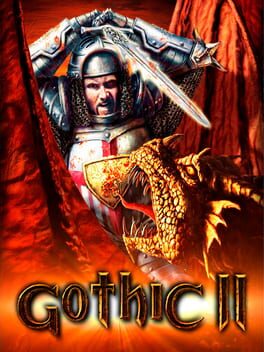
Gothic II is an old-school open-world action RPG with hand-crafted dungeon interiors, dark fantasy monster encounters, and gear progression that demands careful stat investment — much like early Diablo, it rewards patience and punishes carelessness.
Key difference: 3D open-world, third-person; no randomisation or loot drops.
Best for: Diablo fans who enjoy old-school RPG systems and world exploration.
Skip if: You need modern UI quality or randomised replayability.
Rogue Legacy is a dungeon-crawling RPG-platformer with procedurally generated castle levels, character stat progression, and constant loot accumulation between runs — the 'just one more run' loop is spiritually close to Diablo's addictive crawl.
Key difference: 2D side-scrolling roguelite; runs reset but meta-progression persists.
Best for: Diablo fans who like procedural replayability in a shorter session format.
Skip if: You need isometric perspective or deep gear itemisation.
Roguelike structure: runs reset on death; no persistent open stash.
Xbox, PlayStation, PC, Mobile, Nintendo
Castlevania: Symphony of the Night
72%
Role-playing (RPG), Action
2D side-scrolling Metroidvania, not isometric; map is hand-crafted.
PlayStation, Xbox
Baldur's Gate II: Shadows of Amn
65%
Role-playing (RPG), Fantasy
Pause-and-play tactical combat, heavy narrative focus; not real-time twitch.
PC
Planescape: Torment
63%
Role-playing (RPG), Strategy
Almost entirely narrative-driven; combat is secondary to dialogue.
PC, Mobile
Pillars of Eternity
62%
Role-playing (RPG), Strategy
Pausable real-time tactical combat; very heavy on lore and text.
PlayStation, PC, Xbox, Nintendo
What makes a game truly feel like Diablo?
Three pillars define the Diablo experience: real-time isometric combat against hordes of monsters, randomised dungeon layouts that keep each session feeling fresh, and a loot system where every kill has a chance to drop something transformative. Games like Torchlight and Path of Exile nail all three, which is why they are the gold standard alternatives — Torchlight was literally built by Blizzard North alumni and shares Diablo's single-town hub and colour-coded loot language, while Path of Exile deepens the formula to an almost overwhelming degree.
The atmosphere matters too. Diablo's cathedral and catacombs drip with Gothic horror, and games like Grim Dawn and Victor Vran carry that same oppressive dread into their itemisation and world design — making them feel spiritually closer than brighter ARPGs despite technically similar mechanics.
If you want the dark-fantasy feel without the isometric perspective
Bloodborne and Dark Souls translate Diablo's monster-hunting tension and drip-fed gear rewards into third-person action, with a Gothic horror aesthetic and brutal enemy design that rival Diablo's cathedral levels for sheer dread. They demand more skill-based play but scratch the same 'overcome the darkness' itch.
Castlevania: Symphony of the Night is another essential bridge: a 2D action-RPG with loot drops, stat-driven character growth, and a vampire-horror world that predates Diablo by months — the two games share unmistakable tonal DNA, and SotN's randomised item variety rivals Diablo's in ambition.
Best picks for co-op dungeon crawling
Diablo III (especially with the Reaper of Souls expansion) is the most polished co-op Diablo experience available, supporting up to four players in shared loot sessions through randomised Nephalem Rifts. Torchlight II adds full online co-op to the formula of its predecessor, and Grim Dawn offers two-player co-op with excellent build synergy between the game's dual-class combinations.
For something more roguelike in structure, Hades offers local and online co-op in its Underworld update and delivers tight hack-and-slash combat with persistent progression that scratches the 'one more run' compulsion Diablo pioneered.
Yes — Diablo II: Resurrected (a 2021 remaster) brought the game up to modern visual standards while preserving the original gameplay. The itemisation and class depth remain unmatched, and the online community is still active for trading and co-op runs.
What is the best free alternative to Diablo?
Path of Exile is free-to-play and widely considered the deepest Diablo-like ever made. It is more complex than Diablo, with a massive passive skill tree and a linked-gem active-skill system, but it is entirely free with no pay-to-win mechanics.
What game has the closest feel to Diablo 1 specifically?
Diablo II is the obvious answer, but for the claustrophobic dungeon-crawl atmosphere of the original specifically, Grim Dawn and Torchlight (built by Blizzard North veterans) are the closest in tone and loop. Victor Vran also captures that Gothic horror feel in an isometric format.
Are the Dark Souls games similar to Diablo?
They share dark fantasy atmosphere and a rewarding gear-progression loop, but the gameplay is very different — Dark Souls uses a third-person camera and demands precise, stamina-managed combat rather than the fast real-time clicking and loot showering of Diablo. They are worth playing for Diablo fans but are a distinct subgenre.
What Diablo-like games are good for beginners to the genre?
Diablo III is the most accessible entry point — it has a smooth difficulty curve, generous loot, and modern UI. Torchlight is another gentle introduction, with a lighter tone and forgiving systems. Path of Exile is excellent but best approached after you understand the core loop from one of those two.
 97%
97%