NYT Games earns its daily-habit status through a carefully curated suite of word and logic puzzles—Wordle's letter-deduction, Spelling Bee's pangram hunt, Connections' category clustering, and the Crossword's clue-parsing craft—all wrapped in a clean, distraction-free design that makes five minutes of puzzle time feel deeply satisfying.
When players look for games like NYT Games, they're really searching for two things: the same vocabulary-first puzzle mechanics (anagramming, letter-set deduction, crossword cluing) and the same low-friction daily-ritual format where you check in, solve, share your streak, and feel smart. Pure action or adventure games with a puzzle sub-genre tag won't scratch that itch.
Top pick:7 Little Words is the single closest match: a daily letter-chunk crossword game that combines Spelling Bee's letter-set logic with Mini Crossword-style cluing, delivered in the same tidy daily-ritual format that makes NYT Games so habit-forming.
Some store buttons are affiliate links — we may earn a commission at no extra cost to you.
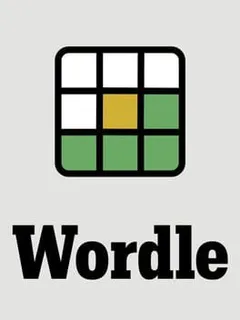
Wordle is the six-guess daily word-guessing game that NYT acquired and made the centerpiece of its Games app, sharing the exact same daily-puzzle cadence and color-coded feedback loop.
Key difference: Single mechanic only; no suite of other games.
Best for: Anyone who comes to NYT Games just for Wordle.
Skip if: You want variety beyond one daily guess game.
An asynchronous Scrabble-style word game played against friends or strangers, directly mirroring the social and vocabulary competition of NYT Crossword and Spelling Bee.
Key difference: Multiplayer match focus rather than solo daily puzzle.
Best for: NYT word game fans who want to challenge friends directly.
Skip if: You prefer solo, solitary daily-puzzle rituals.
Mobile
87%
7 Little Words 2011
Seven clues, 20 letter chunks—each day you combine chunks to form the answer words, blending crossword cluing with the letter-set logic of Spelling Bee. Structurally the closest app to NYT Games.
Key difference: Chunk-combination mechanic rather than free-form typing.
Best for: NYT Mini and Crossword fans wanting another daily fix.
Skip if: You dislike constrained letter-block interfaces.
Puzzmo is a daily browser-based puzzle platform featuring Wordle variants, crosswords, a typeshift game, and more—essentially an indie NYT Games competitor with fresh editorial voice.
Key difference: Indie platform; smaller community and puzzle back-catalog.
Best for: NYT Games subscribers wanting a second daily puzzle app.
Skip if: You want a massive established puzzle archive.
Bracket City is a daily tournament-bracket word-puzzle game with a trivia flavor, built around the same bite-sized, shareable daily format as NYT Games titles.
Key difference: Tournament bracket structure instead of grid or word-fill.
Best for: NYT Games fans who love Connections-style daily challenges.
Skip if: You dislike process-of-elimination puzzle formats.
Quordle challenges you to solve four Wordle grids simultaneously in nine guesses, amplifying the same letter-deduction mechanic NYT Games players love.
Key difference: Four simultaneous boards raises difficulty dramatically.
Best for: Wordle veterans who find the original too easy now.
Skip if: You prefer the simplicity of a single daily grid.
Wordscapes is a mobile word-search/crossword hybrid where you swipe letters to fill a crossword grid, closely mirroring the letter-arrangement thinking of Spelling Bee and The Mini.
Key difference: Hundreds of pre-set levels rather than a single daily puzzle.
Best for: Players who want more puzzles after finishing NYT's daily set.
Skip if: You need a fresh-every-day single-puzzle structure.
Mobile
78%💎 Gem
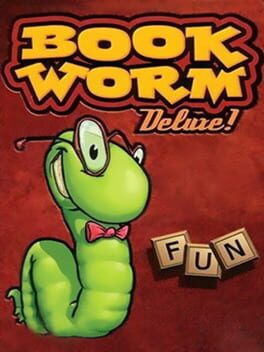
Bookworm 2003
Bookworm tasks you with spelling words from a grid of lettered tiles to clear the board, rewarding vocabulary depth in the same way Spelling Bee and Wordle do.
Key difference: Real-time tile management adds light time pressure.
Best for: Spelling Bee fans wanting a more arcade-paced word game.
Skip if: You only enjoy asynchronous, no-pressure daily puzzles.
PCMobileXboxNintendo
78%💎 Gem
Letterpress: Word Game 2012
A two-player word game on a 5x5 letter grid where you claim territory by spelling words, combining crossword vocabulary with light strategy—like a competitive NYT Spelling Bee.
Key difference: Territorial color-capture strategy layer over word play.
Best for: NYT word game fans who want a competitive edge.
Skip if: You want single-player, solo-focused puzzle sessions.
MobilePC
76%💎 Gem
Whirly Word 2011
Whirly Word presents a ring of letters and asks you to find every valid word—the same anagram-hunting core as Spelling Bee, just with a circular UI.
Key difference: No pangram/bonus-word goal; pure word count hunting.
Best for: Spelling Bee players who want more sessions per day.
Skip if: You value the NYT editorial polish and leaderboard sharing.
Mobile
75%💎 Gem
Word Connect 2017
Word Connect has you drag through a letter wheel to fill crossword-style blanks, combining Wordle's word verification with Spelling Bee's letter-set constraints.
Key difference: Hundreds of themed level packs, not a daily schedule.
Best for: Players wanting NYT-style word puzzles available any time.
Skip if: You dislike heavy in-app monetization nudges.
Word Cross Puzzle blends crossword cluing with word-search grids, targeting fans of NYT's crossword and Mini who want offline-friendly level-based play.
Key difference: Clue-based crossword without the prestige NYT editorial voice.
Best for: Crossword fans without a NYT subscription.
Skip if: You care about puzzle craft and constructor bylines.
Mobile
72%💎 Gem
Word Search 10K 2017
Word Search 10K offers a massive library of themed word-search grids, the casual find-the-hidden-word mechanic that underpins several NYT Games adjacent puzzles.
Key difference: Purely passive word-finding; no deduction or anagram play.
Best for: Relaxed puzzle sessions without any time pressure.
Skip if: You prefer generative, unique daily puzzles.
Nintendo
71%💎 Gem
Word Charm 2017
Word Charm chains letter-swipe word-building across branching paths, scratching the same vocabulary-exploration itch as Spelling Bee with a colorful casual veneer.
Key difference: Path-based branching rather than open letter-set anagramming.
Best for: Mobile-first players wanting Spelling Bee flavor on the go.
Skip if: You find match-three-adjacent word games too simple.
Mobile
68%💎 Gem
What Would You Choose? Rather 2017
What Would You Choose? Rather is a rapid-fire either/or trivia and opinion game that captures the social, shareable quiz energy of NYT Connections' debate-worthy categories.
Key difference: Pure opinion/trivia poll; no vocabulary or crossword element.
Best for: NYT Connections fans who enjoy the social-share moment.
Skip if: You want language or deduction puzzles, not opinion polls.
MobilePC
64%💎 Gem
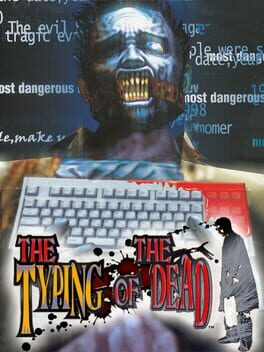
The Typing of the Dead 1999
The Typing of the Dead overlays a typing-speed word game onto a zombie shooter, making vocabulary recall and quick spelling the central mechanic—a niche but genuine word-game cousin.
Key difference: Arcade action framing around the word-typing core.
Best for: Word game fans who want a quirky, humorous twist.
Skip if: You want calm, daily-ritual puzzle play with no action.
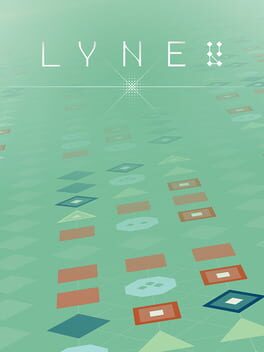
Lyne is a minimalist abstract line-drawing puzzle game with the same 'one more puzzle' daily-session cadence and clean UI philosophy as NYT Games' lighter offerings.
Key difference: No language or trivia; purely geometric logic puzzles.
Best for: NYT Mini fans who also love abstract spatial puzzles.
Skip if: Words and vocabulary are central to why you play.
Her Story asks you to deduce a narrative by searching a video clip database with keyword queries—pure deductive puzzle-solving that mirrors the inference logic of Connections and Spelling Bee.
Key difference: Narrative FMV mystery rather than word or trivia game.
Best for: NYT Connections fans who enjoy categorization and deduction.
Skip if: You want quick five-minute daily puzzle sessions.
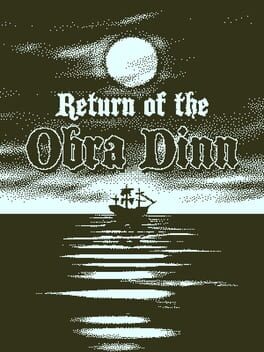
Return of the Obra Dinn is an insurance-investigation deduction game demanding the same careful logical reasoning and process of elimination that drives the NYT puzzle suite's harder entries.
Key difference: Hours-long single mystery, not bite-sized daily sessions.
Best for: Crossword solvers who love methodical, clue-driven deduction.
Skip if: You need casual, low-stakes five-minute puzzle breaks.
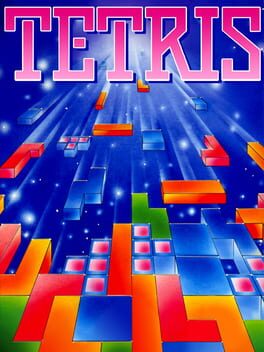
Tetris is the canonical casual drop-and-clear puzzle that shares NYT Games' frictionless pick-up-and-play structure and universal accessibility across all ages.
Key difference: Spatial/reflex puzzle with no language or trivia element.
Best for: NYT Mini fans who want a classic arcade puzzle in the same session.
Skip if: Words, trivia, or crosswords are the reason you open NYT Games.
Multiplayer match focus rather than solo daily puzzle.
Mobile
7 Little Words
87%
Puzzle
Chunk-combination mechanic rather than free-form typing.
Mobile
Puzzmo
85%
Puzzle
Indie platform; smaller community and puzzle back-catalog.
—
Bracket City
82%
Puzzle, Quiz/Trivia
Tournament bracket structure instead of grid or word-fill.
—
Quordle
82%
Puzzle, Quiz/Trivia
Four simultaneous boards raises difficulty dramatically.
—
Wordscapes
80%
Puzzle, Educational
Hundreds of pre-set levels rather than a single daily puzzle.
Mobile
Bookworm
78%
Puzzle, Educational
Real-time tile management adds light time pressure.
PC, Mobile, Xbox, Nintendo
Letterpress: Word Game
78%
Puzzle
Territorial color-capture strategy layer over word play.
Mobile, PC
Whirly Word
76%
Puzzle
No pangram/bonus-word goal; pure word count hunting.
Mobile
Word Connect
75%
Puzzle, Educational
Hundreds of themed level packs, not a daily schedule.
Mobile, PC
Word Cross Puzzle
73%
Puzzle
Clue-based crossword without the prestige NYT editorial voice.
Mobile
Word Search 10K
72%
Puzzle, Quiz/Trivia
Purely passive word-finding; no deduction or anagram play.
Nintendo
Word Charm
71%
Puzzle
Path-based branching rather than open letter-set anagramming.
Mobile
What Would You Choose? Rather
68%
Quiz/Trivia, Educational
Pure opinion/trivia poll; no vocabulary or crossword element.
Mobile, PC
What makes a game feel like NYT Games?
The defining features are vocabulary-centricity, a daily one-shot puzzle structure, and instant sharability of results—none of which most "puzzle" video games provide. Wordle (listed separately) is the purest single-mechanic distillation of that formula, while Wordscapes and Whirly Word capture the anagram-and-fill feeling of Spelling Bee across hundreds of levels.
Deduction-first games like Return of the Obra Dinn and Her Story serve the harder-core NYT Crossword solver who loves systematic inference; they lack the daily ritual but reward exactly the same careful logical thinking.
Best daily-puzzle alternatives beyond the NYT app
Puzzmo is the strongest direct competitor to the full NYT Games platform: a browser-based daily suite featuring crosswords, a Wordle-style game, and typeshift puzzles, all with a fresh indie editorial voice. For mobile word games, 7 Little Words offers a beautifully minimalist chunk-combination crossword that slots perfectly into the same morning routine.
Quordle is the go-to escalation for Wordle veterans—four simultaneous grids in nine guesses—while Words With Friends 2 transforms the Scrabble-style vocabulary competition into an asynchronous social game perfect for challenging family members the way a shared Wordle score already does.
Hidden gems word-puzzle fans shouldn't miss
Bookworm (2003) remains one of the most purely satisfying word-tile games ever made, rewarding broad vocabulary with cascading bonus chains in a way that feels like a faster, more kinetic Spelling Bee. Whirly Word and Word Charm are quieter mobile picks that most 'games like Wordle' listicles skip entirely, yet both nail the letter-constraint anagram mechanic that makes Spelling Bee so addictive.
For something more unusual, The Typing of the Dead is a cult classic that turns rapid word recall into an arcade experience—absurd, but genuinely one of the most memorable word games ever shipped.
Quordle (four simultaneous Wordle grids), Wordscapes (letter-set word building), and the standalone Wordle app are the closest mechanical matches. Puzzmo also features a daily Wordle-style game as part of its suite.
Is there a free alternative to the NYT Games subscription?
Yes—7 Little Words, Wordscapes, and Quordle are all free-to-play and cover the core word-puzzle itch. Puzzmo offers a free daily puzzle tier as well.
What games are like NYT Connections?
Connections' category-grouping deduction logic is most closely mirrored by Her Story (keyword-driven deductive investigation) and What Would You Choose? Rather for a lighter social format. Bracket City also uses a process-of-elimination structure similar to Connections.
Are there puzzle games like NYT Spelling Bee?
Whirly Word, Wordscapes, Word Charm, and Bookworm all share Spelling Bee's core mechanic of forming as many words as possible from a constrained letter set. 7 Little Words adds a crossword-clue layer on top of similar letter-chunk logic.
What's a good game like the NYT Mini Crossword?
7 Little Words is the closest in feel and session length. Puzzmo's daily crossword and the standalone NYT Mini Crossword app (listed separately) are the most structurally identical alternatives, and Wordscapes serves players who want the grid-filling satisfaction without timed daily resets.
 93%
93%