Connections works because it collapses trivia, vocabulary, and lateral thinking into a single elegant constraint: four groups of four words, a strict mistake limit, and the slow-burn satisfaction of spotting the hidden category that ties seemingly unrelated words together. Its daily format and social shareability (color-coded result grids) are as central to the appeal as the puzzle itself.
When players look for "games like Connections," they want that same semantic grouping or pattern-recognition spark — ideally in short sessions, with clean rules and a meaningful 'aha' moment. The best alternatives either share the daily-word-puzzle DNA directly, or deliver deduction-heavy gameplay where categorizing and connecting disparate pieces is the entire loop.
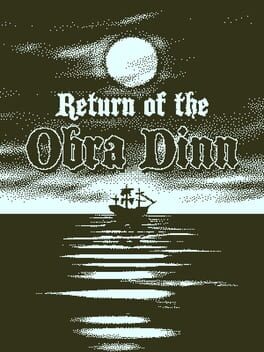
Top pick:Return of the Obra Dinn is the single closest pick from the candidate pool: its entire mechanic is assigning 60 sailors to correct groups by deductive reasoning, producing exactly the same slow-tightening satisfaction as filling in Connections' final purple category — it's just spread over a rich narrative rather than a five-minute grid.
Some store buttons are affiliate links — we may earn a commission at no extra cost to you.
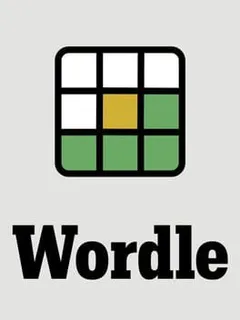
Wordle is the closest sibling to Connections: a daily NYT word puzzle with a strict guess limit that rewards vocabulary and pattern deduction in a 5-minute session.
Key difference: You deduce a single hidden word, not four semantic groups.
Best for: Anyone who plays Connections daily — they likely play this too.
Skip if: You want category/grouping logic over letter deduction.
NYT Spelling Bee shares Connections' daily format, short session length, and vocabulary-focused brain engagement — find as many words as possible from seven letters.
Key difference: Open-ended word-finding, not grouping into exact categories.
Best for: Connections players wanting more NYT daily word variety.
Codenames is the board/party game that most directly mirrors Connections' core mechanic — one-word clues link a set of cards by hidden category, demanding the same semantic grouping skill.
Key difference: Social/party game requiring 4+ players; not a solo daily.
Best for: Connections fans who want a multiplayer group version.
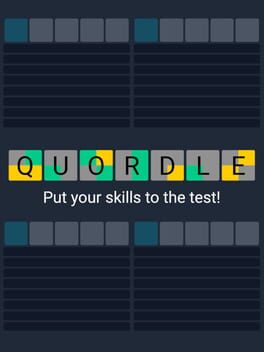
Quordle is four simultaneous Wordles, ramping up the same daily deduction puzzle format Connections shares — pattern recognition across multiple grids at once.
Key difference: Letter/word deduction grids, not semantic category grouping.
Best for: Connections dailies who want a harder Wordle-family challenge.
Skip if: You specifically want category-sorting over letter logic.
Semantle asks you to guess a hidden word based on semantic similarity scores — pure word-meaning reasoning, the same vocabulary-and-association thinking that Connections' tricky groups demand.
Key difference: Unlimited guesses with semantic scoring, not a 4×4 grid.
Best for: Connections fans obsessed with word meaning and nuance.
Skip if: You want a quick, clearly bounded daily format.
Return of the Obra Dinn is built entirely around grouping and categorizing: you assign fates to 60 sailors by reasoning through evidence, exactly the same mental motion as sorting words into four buckets. The deductive 'click until it clicks' satisfaction is the closest feeling in any game on this list.
Key difference: A full narrative adventure, not a quick daily puzzle.
Best for: Connections fans who want a longer deduction challenge.
Papers, Please forces you to sort and classify documents against an ever-growing rulebook — the same pattern-recognition and category-matching brain that Connections exercises, just wrapped in a dystopian bureaucratic frame.
Key difference: Timed pressure and moral weight replace casual wordplay.
Best for: Players who like rule-logic over word association.
The Witness is a pure puzzle game with no combat: you study patterns and recognize hidden categories of rules across hundreds of panels, demanding the same 'what do these four things share?' lateral thinking Connections does.
Key difference: Open-world spatial exploration replaces a tidy word grid.
Best for: Connections fans who want a long-form pure puzzle.
Skip if: You need a guided or social puzzle experience.
The Talos Principle is a logic-puzzle game that chains constraint-based challenges together — no action, just pattern and rule recognition — matching Connections' emphasis on 'spot the common thread' thinking.
Key difference: Physical spatial puzzles, not word/semantic grouping.
Best for: Players wanting philosophical depth with their logic puzzles.
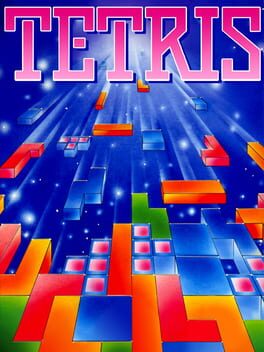
Tetris is the closest to Connections in session length and 'pure puzzle' purity — spot a pattern, act on it, reset. The brain engagement is classification under time pressure rather than semantic grouping.
Key difference: Spatial/visual pattern, not word categories.
Best for: Players who enjoy the distilled puzzle loop without narrative.
Skip if: You specifically want word or trivia logic.
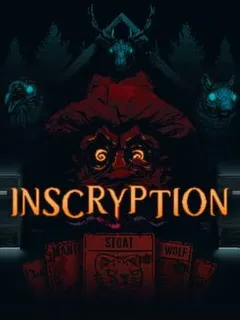
Inscryption uses layered deduction — reading a board state and finding the hidden rule set — in a way that rewards the same 'ah, I see the pattern now' moments Connections delivers.
Key difference: Roguelike card game with horror narrative framing.
Best for: Connections players curious about deeper mechanical puzzles.
Skip if: You dislike card mechanics or horror aesthetics.
Braid strips a game down to a single mechanic — time manipulation — and asks you to spot how it applies in each room. The 'find the rule, apply it to four things' satisfaction echoes Connections.
Key difference: Platformer execution required; not a passive word puzzle.
Best for: Puzzle fans who want a sense of wonder with logic.
Machinarium is a pure point-and-click puzzle game with no combat — every scene is a self-contained logic challenge about recognizing what goes with what.
Key difference: Visual inventory puzzles, not word semantics.
Best for: Players who love quiet, cerebral puzzle sessions.
Skip if: You want a multiplayer or competitive element.
Fez revolves entirely around perspective-flipping to reveal hidden patterns and codes — it rewards the same lateral 'I need to see this differently' insight that Connections demands on tricky groups.
Key difference: Platformer exploration wrapper around the aha moments.
Best for: Connections fans who love cryptic, layered puzzle design.
Skip if: You want a purely passive, non-dexterity puzzle.
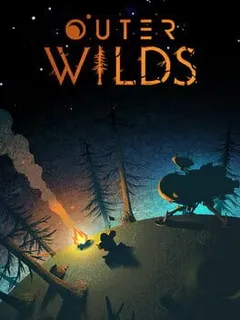
Outer Wilds is a pure deduction game at heart: you gather clues and classify what connects them to unlock understanding, much like sorting Connections' trickiest purple group.
Key difference: 3D space exploration; sessions take hours, not minutes.
Best for: Players who love discovery-through-reasoning gameplay.
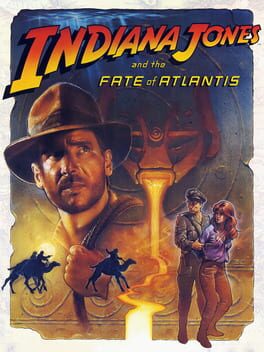
Indiana Jones and the Fate of Atlantis is a classic point-and-click where every puzzle asks 'what does this object have in common with that situation?' — classic lateral categorization thinking.
Key difference: 1992 adventure game with inventory and dialogue systems.
Best for: Word/trivia puzzle fans who enjoy vintage adventure games.
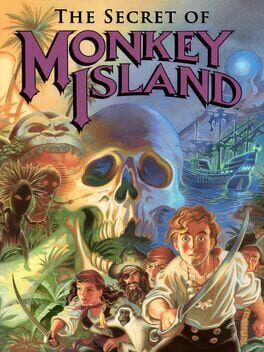
The Secret of Monkey Island's puzzles are famously category-based — you succeed by recognizing the hidden logic linking items and situations, the same cognitive move Connections requires.
Key difference: Narrative point-and-click, not an abstract word grid.
Best for: Connections fans who enjoy humor and wordplay.
Skip if: You dislike old-school adventure game logic leaps.
PC
At a glance
Game
Match
Shared DNA
Biggest difference
Platforms
Wordle
90%
Puzzle
You deduce a single hidden word, not four semantic groups.
—
Spelling Bee
80%
Puzzle
Open-ended word-finding, not grouping into exact categories.
Mobile
Codenames
72%
—
Social/party game requiring 4+ players; not a solo daily.
Mobile, PC
Quordle
68%
Puzzle
Letter/word deduction grids, not semantic category grouping.
—
Semantle
62%
Puzzle
Unlimited guesses with semantic scoring, not a 4×4 grid.
—
Letter Boxed
58%
Puzzle
Word-chaining spatial logic rather than semantic grouping.
Mobile
Return of the Obra Dinn
48%
Puzzle
A full narrative adventure, not a quick daily puzzle.
PlayStation, PC, Xbox, Nintendo
Papers, Please
40%
Puzzle
Timed pressure and moral weight replace casual wordplay.
PC, Mobile, PlayStation
The Witness
35%
Puzzle
Open-world spatial exploration replaces a tidy word grid.
PlayStation, PC, Mobile, Xbox
The Talos Principle
33%
Puzzle
Physical spatial puzzles, not word/semantic grouping.
PlayStation, PC, Mobile, Xbox, Nintendo
Tetris
30%
Puzzle
Spatial/visual pattern, not word categories.
Nintendo
Inscryption
28%
Puzzle
Roguelike card game with horror narrative framing.
Xbox, PlayStation, PC, Nintendo
Braid
25%
Puzzle
Platformer execution required; not a passive word puzzle.
PlayStation, PC, Xbox
Machinarium
23%
Puzzle
Visual inventory puzzles, not word semantics.
PlayStation, PC, Mobile, Xbox, Nintendo
Fez
21%
Puzzle
Platformer exploration wrapper around the aha moments.
PlayStation, PC, Mobile, Xbox, Nintendo
What makes a game feel like Connections?
Connections' DNA is semantic grouping under constraint — you hold a set of items in your head, look for the hidden rule that binds exactly four of them, and commit to a guess knowing mistakes are limited. Very few video games operate on pure word-category logic, which is why the closest matches in a traditional game library are deduction puzzles rather than word games: Return of the Obra Dinn (assign fates to sailors) and Papers, Please (classify documents against rules) exercise almost the identical cognitive muscle.
The key ingredient other candidates lack is the lateral semantic leap — realizing that "Mercury, Venus, Bowie, and Freddie" are all connected by something other than the obvious. The Witness and The Talos Principle get closest to that feeling in a spatial format, asking you to discover the hidden rule governing a set of similar-looking panels.
Best daily-format alternatives to Connections
If the daily ritual is as important as the puzzle type, nothing in a traditional game library replicates it — that format belongs almost entirely to browser-based word games. Wordle and Spelling Bee are the obvious siblings (both NYT products), but Semantle is the hidden gem: it measures how close your guesses are in semantic vector space, making vocabulary-and-meaning intuition the entire game — exactly what Connections' harder purple groups demand.
Codenames translates the grouping mechanic into a social setting: a clue-giver links four words with a single clue and teammates must deduce the category, which is essentially Connections in reverse and in company. It's the best pick for players who've run out of NYT daily puzzles and need a group activity.
If you want pure logic puzzles without words
For players who love Connections' rule-discovery satisfaction but want a longer-form experience without the word layer, The Talos Principle and The Witness are the most reputable picks — both are entirely puzzle-focused with no combat, and both reward the patience to sit with a problem until the underlying pattern becomes visible. Inscryption is the hidden gem here: its layered deception and rule-revelation feel genuinely like peeling back a Connections category you thought you understood.
The closest direct equivalents are other daily word puzzle games: Wordle, Spelling Bee, and Quordle share the NYT daily format and word-deduction appeal. For the specific grouping mechanic, Codenames (board/party game) is the best match, asking players to link words by hidden category. In the traditional video game space, Return of the Obra Dinn's deductive grouping system is the closest analogue.
Is there a video game version of Connections?
There's no direct video game port of Connections, but the NYT Games app hosts the official version. Codenames Digital is the closest board-game adaptation of the same mechanic in a digital format. Return of the Obra Dinn translates grouping-and-categorizing deduction into a full narrative video game.
What should I play if I like Connections but want something longer?
Return of the Obra Dinn offers 6–10 hours of pure deductive grouping — you assign fates to 60 sailors by reasoning through evidence, which is structurally very similar to filling in Connections categories. The Witness provides dozens of hours of pattern-recognition puzzles if you prefer something visual rather than word-based.
Are there multiplayer games like Connections?
Codenames is the best multiplayer game with the same semantic-grouping core: one player gives a clue that links four words on a grid and teammates must identify the correct group without selecting the opponent's words. It's available as a physical card game, a digital app, and free browser versions.
What makes Connections harder than Wordle?
Connections requires you to hold 16 words in working memory simultaneously, identify four distinct hidden categories, and avoid red-herring overlaps — words deliberately placed to fit multiple groups. Wordle tasks you with deducing one specific word through letter feedback. The lateral semantic leap required for Connections' purple (hardest) category — where the link is often a pun, a cultural reference, or a word that follows or precedes a hidden keyword — has no equivalent in Wordle.
 90%
90%