Project Zomboid earns its devoted fanbase through uncompromising survival simulation: a vast sandbox where hunger, fatigue, injury, depression, and an ever-present zombie horde conspire to kill you in creative ways. Its depth comes from the interplay of a skill-based RPG system, deep crafting and base-building, realistic injury and nutrition modelling, and a world that keeps simulating whether you sleep or not.
When players look for games like Project Zomboid, they're really searching for that same sense of earned survival — games where every looting run carries genuine risk, where preparation and resource management matter more than reflexes, and where the world feels indifferent to whether you live or die. The best alternatives share at least one of: zombie apocalypse setting, hardcore survival simulation, sandbox crafting-and-building, or permadeath weight.
Top pick:7 Days to Die is the single closest match in the candidate pool — it shares Project Zomboid's zombie-survival-sandbox DNA almost beat for beat, from looting and crafting to base-building and progressive horde escalation, just rendered in first-person 3D; if you've exhausted Zomboid, start there.
Some store buttons are affiliate links — we may earn a commission at no extra cost to you.
DayZ is the defining open-world zombie survival sandbox — loot military bases, manage realistic hunger and illness, and navigate a vast map where other players are as dangerous as the undead. The brutally unforgiving simulation is the closest spiritual sibling Zomboid has.
Key difference: First-person perspective and massive PvP-focused multiplayer server culture.
Best for: Zomboid veterans who want real-time 3D zombie survival on a massive map.
Skip if: You dislike griefing or want structured PvE progression.
7 Days to Die blends zombie survival with voxel-based base building and crafting in an open world, demanding the same looting runs, skill progression, and desperate resource management as Project Zomboid. The horde-night mechanic adds a structured pressure loop that keeps survival stakes high.
Key difference: First-person action with voxel destruction instead of isometric simulation.
Best for: Players who want fortification building at the center of survival.
Skip if: You need polished visuals or a well-optimized game.
The Forest combines survival simulation — building, crafting, farming, managing hunger — with horror as cannibal tribes stalk your camp, creating the same sustained dread and resource anxiety as Project Zomboid. Base fortification is central.
Key difference: First-person perspective; supernatural horror enemies instead of zombies.
Best for: Players who want crafting and base-building with intense survival horror.
Skip if: You want zombie apocalypse setting or multiplayer on public servers.
Don't Starve shares Project Zomboid's punishing survival loop — manage hunger, sanity, and health while crafting tools and shelters — wrapped in a gothic cartoon aesthetic. Permadeath and a hostile open world make every playthrough feel as desperate.
Key difference: Fantasy wilderness setting instead of zombie apocalypse suburbia.
Best for: Solo players who love unforgiving simulation with quirky style.
Skip if: You want multiplayer or a realistic modern setting.
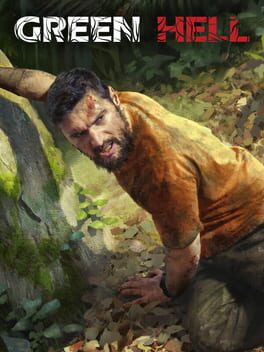
Green Hell is a hardcore jungle survival simulator tracking calories, hydration, injuries, parasites, and psychology with the same granular depth as Project Zomboid. Crafting and shelter-building are essential to outlasting the environment.
Key difference: Realistic jungle setting; no zombies, no RPG skill tree.
Best for: Simulation purists who want the most realistic survival mechanics.
Skip if: You want zombies, open cities to loot, or RPG progression.
SCUM is the most mechanically deep zombie survival sandbox available — tracking metabolism, digestion, vitamins, and skill trees in granular detail across a vast open world. It directly targets the same hardcore simulation audience as Project Zomboid.
Key difference: First-person 3D perspective with large-scale PvP server focus.
Best for: Simulation maximalists who want the deepest body-model survival mechanics.
Skip if: You want polished performance or a strong solo-play experience.
RimWorld is a colony survival simulator where you manage a group of survivors with individual RPG traits, building bases, growing food, and repelling raids — it shares Zomboid's systemic depth, emergent storytelling, and brutal attrition.
Key difference: Top-down colony management strategy instead of direct character control.
Best for: Players who love emergent storytelling and deep simulation systems.
Skip if: You want direct character control or zombie-specific horror tension.
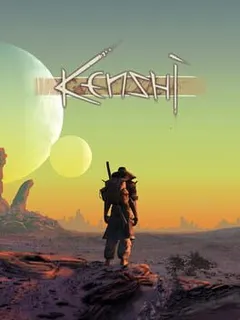
Kenshi is a post-apocalyptic open-world sandbox RPG where characters develop skills through action, you build settlements, manage squads, and survive in a brutal world — the systemic freedom and punishing difficulty mirror Project Zomboid's sandbox philosophy.
Key difference: No zombies; faction-based desert world with squad-level management.
Best for: Sandbox RPG fans who want total freedom and deep simulation without zombies.
Skip if: You need zombie horror or polished UI; Kenshi's learning curve is severe.
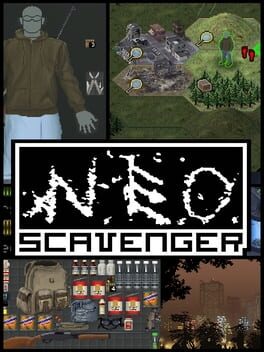
NEO Scavenger is a turn-based post-apocalyptic survival RPG where every loot decision, injury, and calorie counts — the hardcore RPG skill system and desperate resource management are the clearest mechanical parallel to Project Zomboid in the genre.
Key difference: Turn-based grid combat and text-heavy interface; minimal graphics.
Best for: Players who want Project Zomboid's simulation depth in a turn-based format.
Skip if: You need real-time action or modern visuals.
Minecraft's survival mode has the same foundational loop: gather resources, craft, build shelter, and manage hunger against hostile enemies. The sandbox depth and mod ecosystem let players recreate a zombie apocalypse experience close to Zomboid's.
Key difference: Block world and near-limitless creativity over gritty realism.
Best for: Players who want deep building and modding freedom in survival.
Skip if: You specifically want zombie-apocalypse realism and RPG progression.
Rust is an open-world survival sandbox where you loot, craft, and build bases while competing with other players — the constant threat of ambush mirrors the paranoia of Zomboid's multiplayer servers. Progression comes through skill in resource management and base design.
Key difference: Player-versus-player conflict is the primary threat, not zombies.
Best for: PvP-oriented players who enjoy competitive survival under constant threat.
Skip if: You prefer PvE or single-player; griefing is endemic.
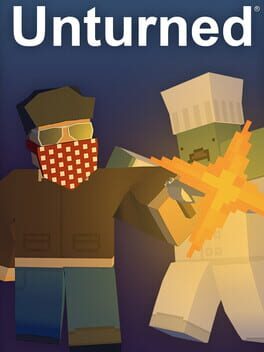
Unturned is a free zombie survival sandbox with looting, crafting, base-building, and open-world exploration that consciously mirrors Project Zomboid's formula in a low-poly style. Its robust server options support the same kind of solo or multiplayer survival runs.
Key difference: Simplified, accessible low-poly design targets a younger audience.
Best for: Players wanting a free entry point into the zombie survival sandbox genre.
Days Gone is an open-world zombie survival game built around managing fuel, crafting weapons, and navigating vast horde-filled regions, sharing Zomboid's sense of attrition and resource scarcity. The horde AI creates some of the most terrifying zombie encounters in the genre.
Key difference: Third-person action-adventure with a scripted story instead of a sandbox simulator.
Best for: Players who want zombie survival with a cinematic narrative.
Skip if: You dislike character-driven stories or linear progression gating.
Left 4 Dead 2 channels Project Zomboid's core fantasy of desperate survival against zombie hordes, rewarding teamwork, situational awareness, and resource rationing across its campaigns. The Director AI keeps threat levels dynamic and unpredictable.
Key difference: Linear co-op shooter campaigns; no building, crafting, or persistent world.
Best for: Groups of four wanting intense co-op zombie action sessions.
Skip if: You want a sandbox, progression system, or single-player depth.
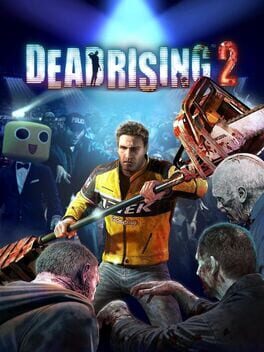
Dead Rising 2 drops you into a zombie-filled casino resort where crafting improvised weapons, managing a strict time limit, and looting shops mirrors the pressure of Zomboid's survival loop. The sandbox encourages creative problem-solving against overwhelming hordes.
Key difference: Arcade comedy tone with timed missions versus slow simulation realism.
Best for: Players who want zombie sandbox with humor and action-heavy combat.
Skip if: You want realism, permadeath weight, or a slow-burn survival arc.
The Walking Dead puts you in the same zombie apocalypse setting as Project Zomboid, forcing hard choices about survival, resource allocation, and who to trust. While it trades sandbox simulation for point-and-click narrative, the emotional stakes feel just as punishing.
Key difference: Narrative adventure with choices; no simulation, building, or open world.
Best for: Players who want the story and human drama of the zombie apocalypse.
Skip if: You want gameplay agency, crafting, or open-world exploration.
Fallout 4 shares Project Zomboid's post-apocalyptic survival ethos with its settlement-building, crafting, looting, and RPG skill progression across a vast open world. Its survival mode adds hunger, thirst, and injury systems that closely echo Zomboid's simulation depth.
Key difference: Retro-sci-fi setting, voiced protagonist, and story-driven quests.
Best for: Players who want narrative and world-building alongside survival systems.
Skip if: You dislike scripted stories or want pure sandbox zombie horror.
Fallout: New Vegas offers a post-apocalyptic RPG sandbox with hardcore mode survival mechanics — tracking food, water, and sleep alongside deep skill-based progression — mirroring Zomboid's simulation philosophy. The open world rewards careful resource planning and faction navigation.
Key difference: RPG-heavy story and dialogue focus over moment-to-moment survival simulation.
Best for: RPG fans who want the deepest narrative alongside survival systems.
Skip if: You want real-time zombie horror or multiplayer survival.
Alien: Isolation demands the same stealth-and-resource tension as Project Zomboid's early game — every consumable matters, every sound cues mortal danger, and panic management is essential. The crafting system for distraction devices echoes Zomboid's improvised tool logic.
Key difference: Scripted sci-fi setting with a single monster; no open world or sandbox.
Best for: Players who want intense, focused horror-survival with atmosphere.
Skip if: You want an open world, zombie setting, or crafting-building depth.
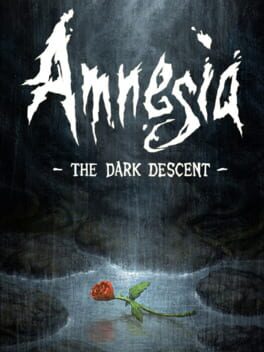
Amnesia: The Dark Descent is pure survival horror built on resource scarcity and managing psychological deterioration, mirroring Zomboid's sanity and morale systems. Hiding, improvising, and managing fear rather than fighting are central to both games.
Key difference: Linear first-person horror with no combat and no open world.
Best for: Horror fans who want psychological tension and resource-scarce dread.
Skip if: You want open-world freedom, zombie combat, or multiplayer.
First-person perspective and massive PvP-focused multiplayer server culture.
Xbox, PlayStation, Nintendo, PC
7 Days to Die
92%
Role-playing (RPG), Simulator
First-person action with voxel destruction instead of isometric simulation.
Xbox, PlayStation, PC
Märchen Forest: Mylne and the Forest Gift
86%
Role-playing (RPG), Indie
First-person perspective; supernatural horror enemies instead of zombies.
PC
Don't Starve
82%
Simulator, Indie
Fantasy wilderness setting instead of zombie apocalypse suburbia.
PlayStation, PC, Xbox, Nintendo
Green Hell
82%
Simulator, Indie
Realistic jungle setting; no zombies, no RPG skill tree.
Xbox, PlayStation, PC, Nintendo
Scum
82%
Role-playing (RPG), Simulator
First-person 3D perspective with large-scale PvP server focus.
PC
RimWorld
80%
Simulator, Indie
Top-down colony management strategy instead of direct character control.
PC
Kenshi
76%
Role-playing (RPG), Indie
No zombies; faction-based desert world with squad-level management.
PC
NEO Scavenger
74%
Role-playing (RPG), Indie
Turn-based grid combat and text-heavy interface; minimal graphics.
PC
Minecraft: Java Edition
72%
Simulator, Survival
Block world and near-limitless creativity over gritty realism.
PC
Rust
70%
Role-playing (RPG), Indie
Player-versus-player conflict is the primary threat, not zombies.
PC
Unturned
68%
Indie, Horror
Simplified, accessible low-poly design targets a younger audience.
PlayStation, PC, Xbox, Nintendo
Days Gone
65%
Horror, Survival
Third-person action-adventure with a scripted story instead of a sandbox simulator.
PlayStation, PC
Left 4 Dead 2
62%
Horror, Survival
Linear co-op shooter campaigns; no building, crafting, or persistent world.
PC, Xbox
Dead Rising 2
58%
Horror, Survival
Arcade comedy tone with timed missions versus slow simulation realism.
PlayStation, PC, Xbox
What makes a game truly feel like Project Zomboid?
The hallmark of a genuine Zomboid alternative is systemic simulation over scripted spectacle — games where the world models hunger, thirst, injury, and morale as interlocking systems rather than simple health bars. 7 Days to Die nails this with its resource tracking and escalating horde timers, while Don't Starve replicates the sanity and starvation spiral in a gothic wilderness setting. Both demand that you plan and prepare rather than react, which is the core pleasure of Zomboid.
The second pillar is meaningful consequence: decisions that compound over time. Rust delivers this through persistent base degradation and player conflict, while Fallout 4's survival mode layers in the same hunger, thirst, and rest requirements that make Zomboid's day-to-day loop tense. If a game lets you reload a save the moment something goes wrong, it won't scratch the same itch.
Best zombie-specific alternatives to Project Zomboid
For players who specifically want the zombie apocalypse setting, Days Gone is the best narrative option — its open world is genuinely dangerous, fuel management creates constant tension, and horde encounters are terrifying. Left 4 Dead 2 captures the frantic co-op panic of being overwhelmed, even if it trades simulation depth for arcade momentum. Unturned is worth flagging as a hidden gem: it's free and replicates the zombie survival sandbox loop in a low-poly package that's surprisingly deep.
Outside the candidate list, DayZ is the undisputed closest game in existence to Project Zomboid — a first-person sandbox survival game set in a zombie-infested open world where other players are as deadly as the undead, and where a single infected bite can doom a character you've spent hours building.
If you want survival simulation without zombies
Don't Starve Together is the strongest non-zombie pick: it has the same permadeath weight, the same sanity mechanic, and the same cascading failure states as Zomboid, just in a cooperative gothic wilderness. For maximum simulation depth, Green Hell (not in the candidate pool but highly recommended) tracks calories, vitamins, parasite loads, and psychological breakdown with a rigour that rivals Zomboid's injury system.
Rust drops the zombies entirely but preserves the paranoia and resource grind; the threat of human raiders is arguably more stressful than any shambler. And for players who love Zomboid's emergent storytelling, RimWorld translates that same systemic simulation into a colony-management format where survivor backstories and traits shape every crisis.
Is there a game exactly like Project Zomboid but in first-person 3D?
DayZ (not in the candidate pool) is the closest — it's a first-person open-world zombie survival sandbox with looting, crafting, disease, and permadeath on a massive map. 7 Days to Die adds base-building and voxel terrain to a similar formula and is available on the same candidate list.
What are the best games like Project Zomboid for co-op multiplayer?
Don't Starve Together and Rust are the strongest co-op survival sandboxes in the candidate pool. Left 4 Dead 2 is best for intense co-op zombie action sessions. Outside the list, DayZ and Sons of the Forest both support co-op with strong survival simulation depth.
Are there any games like Project Zomboid on consoles?
Days Gone (PS4/PS5/PC) is the most accessible console zombie survival game with similar open-world tension. Fallout 4's survival mode on console captures some of the same resource management. Project Zomboid itself remains PC-only, but 7 Days to Die is available on PS4 and Xbox One.
What games have the same deep survival simulation mechanics as Project Zomboid?
For pure simulation depth, Green Hell and SCUM (both PC) are the closest mechanical matches — tracking metabolism, nutrition, injury, and psychology in granular detail. Don't Starve and RimWorld replicate the systemic emergent-survival philosophy, while NEO Scavenger is a lesser-known gem that models every injury and calorie in a post-apocalyptic RPG framework.
What is the best game like Project Zomboid for players who also like RPG progression?
Fallout: New Vegas with its hardcore mode is the deepest RPG-meets-survival option in the candidate pool, blending skill trees, stat management, and narrative freedom. Outside the list, Kenshi offers a similarly freeform post-apocalyptic RPG sandbox where characters genuinely grow through use — much like Zomboid's skill system — but without zombies.
 94%
94%