Raft earns its following by doing something deceptively simple: it makes scarcity feel exciting. Floating on a few planks, hooking debris from the water, battling a circling shark, and slowly expanding your home into a sprawling ocean vessel — the game nails a core loop of gather, craft, build, explore that feels endlessly rewarding in solo or co-op.
When players look for games like Raft, they're really chasing that combination of survival tension, creative base building, co-op camaraderie, and exploration-driven progression — not just any survival game, and certainly not any ocean game. The best alternatives either replicate the crafting-and-building loop in a different setting, or share the oceanic survival fantasy with their own twist.
Top pick:Subnautica is the single closest game to Raft you can play — an alien ocean planet, resource diving, base building, and an apex predator hunting you, all wrapped in one of survival gaming's finest narratives; if you love Raft's DNA, Subnautica is an unmissable next step.
Some store buttons are affiliate links — we may earn a commission at no extra cost to you.
Subnautica is the single closest game to Raft: you survive on an alien ocean planet by diving for resources, crafting equipment, and building underwater bases while managing oxygen and avoiding apex predators.
Key difference: Entirely underwater, first-person perspective with no co-op.
Best for: Anyone who loves Raft's ocean survival loop at its purest.
Skip if: You need co-op or dislike thalassophobia-inducing depth.
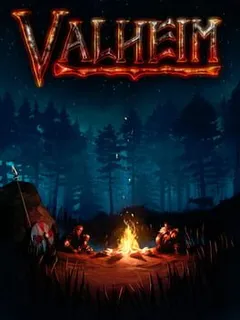
Valheim drops you in a procedurally generated Norse world where you gather materials, craft tools, and build elaborate bases — all playable in co-op. Like Raft, progression is gated behind exploration and boss fights that unlock new crafting tiers.
Key difference: Land-based biomes replace the oceanic setting entirely.
Best for: Fans who want more combat depth and Viking atmosphere.
Skip if: You specifically love the water-world, floating-base concept.
Minecraft is the definitive survival-crafting sandbox: gather resources, build shelters, craft tools, and survive hostile nights — the same loop that Raft refines into a nautical niche. Both reward creative base-building at your own pace.
Key difference: Infinite land world instead of an ocean drift setting.
Best for: Players who want the biggest creative building freedom.
Skip if: You dislike dated visuals or prefer a focused narrative structure.
Stranded Deep puts you on a life raft in a procedural Pacific Ocean, forcing you to scavenge debris, craft tools, and explore island chains — it is essentially Raft's direct spiritual sibling.
Key difference: Smaller scope; no persistent base expansion or story islands.
Best for: Players who want the most literal Raft-equivalent.
Skip if: You want polished co-op or long-form narrative progression.
Sea of Thieves puts you and friends on a ship sailing an open ocean, hunting treasure, fighting skeleton forts, and skirmishing with other crews — the closest thing to Raft's oceanic co-op feel with a pirate twist.
Key difference: PvP-focused with no base building or crafting progression.
Best for: Co-op players who want ocean adventure over survival mechanics.
Skip if: You dislike PvP or want meaningful crafting systems.
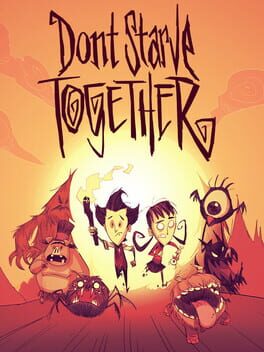
Don't Starve Together is a co-op survival game built around scavenging resources, crafting gear, and surviving increasingly brutal threats — the same tense resource loop as Raft but in a dark, hand-drawn wilderness.
Key difference: Top-down 2D world with no ocean or base-building focus.
Best for: Friends who want co-op survival with higher difficulty.
Skip if: You want a relaxing building experience or 3D world.
The Forest tasks you with surviving on a cannibal-inhabited island by gathering resources, building shelters, and crafting weapons — sharing Raft's co-op survival building loop in a dense woodland setting.
Key difference: Horror tone, cannibals instead of sharks, land-based world.
Best for: Co-op fans who want darker survival tension.
Skip if: You dislike horror elements or prefer calm exploration.
Grounded shrinks you to ant-size in a backyard and tasks you with gathering resources, crafting gear, and building elaborate bases while fending off giant insects — co-op friendly like Raft with the same expanding-home loop.
Key difference: Microscale backyard setting; no water traversal or ocean theme.
Best for: Raft fans who want the co-op building loop with more combat.
Skip if: You dislike bugs or want an oceanic setting.
Rust strips survival down to its brutal essentials: gather, craft, and build a base while fending off starvation, wildlife, and hostile players. The resource scavenging and base-expansion loop mirrors Raft's core fantasy.
Key difference: Hardcore PvP multiplayer dominates — griefing is constant.
Best for: Players who want ruthless challenge and player conflict.
Skip if: You play solo or want a peaceful building pace.
Ark: Survival Evolved has you punch trees, build bases, craft gear, and tame dinosaurs on island maps — sharing Raft's survival-crafting skeleton with far more combat and creature variety.
Key difference: Dinosaur taming is the central mechanic, not water/base expansion.
Best for: Players who want survival combined with creature collection.
Skip if: You want a polished, well-optimized experience.
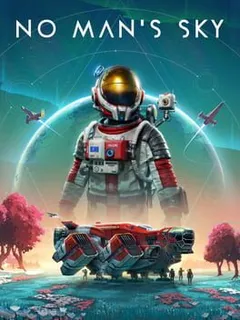
No Man's Sky features resource gathering, base building, and procedural exploration across planets and space — a sci-fi spin on the same loop of expanding your home while surviving environmental threats.
Key difference: Space exploration focus; ocean survival feeling is absent.
Best for: Raft fans who want exploration on a cosmic scale.
Skip if: You prefer tight, focused progression over sprawling freedom.
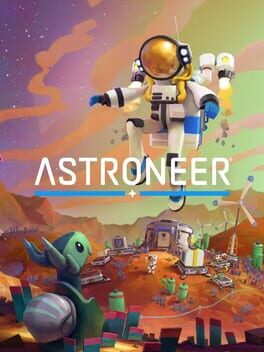
Astroneer has you excavating alien planets for resources, crafting modules, and expanding your base — sharing Raft's gentle exploration and base-growth loop in a colorful sci-fi package.
Key difference: Sci-fi planet-hopping; very low threat, minimal combat.
Best for: Players who want a relaxing base-building exploration game.
Skip if: You want survival pressure or a water-based setting.
Terraria packs Raft's crafting depth and survival tension into a 2D side-scrolling sandbox: gather materials, build shelters, and face escalating threats via boss encounters that unlock new tiers of gear.
Key difference: 2D side-scroller with combat-heavy boss progression.
Best for: Players who want deep crafting with more action gameplay.
Skip if: You dislike 2D platformer perspectives or heavy combat.
Starbound blends survival, crafting, and exploration across procedurally generated alien planets — you build a ship as your home base and scavenge worlds for materials, closely mirroring Raft's expanding-home structure.
Key difference: 2D pixel art; sci-fi planets replace the ocean.
Best for: Raft fans who want story content mixed into survival.
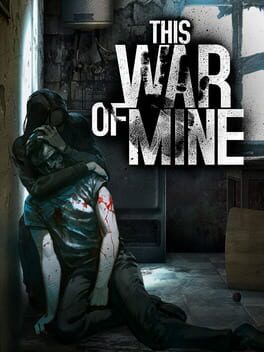
This War of Mine focuses on civilian survival: scavenging scarce supplies, managing shelter, and making desperate decisions — sharing Raft's core of improvising safety from whatever you can find.
Key difference: Dark wartime drama; no building or exploration, narrative-driven.
Best for: Players who want emotionally weighty survival storytelling.
Skip if: You want base building, exploration, or co-op fun.
Palworld combines survival crafting, base building, and creature capture in an open world — the gather-build-craft loop is familiar to Raft players, with Pokémon-style monster companions added.
Key difference: Creature-catching and combat dominate over environmental survival.
Best for: Raft fans who want a more action-heavy survival experience.
Skip if: You want a polished, ocean-based or co-op-focused experience.
7 Days to Die blends survival crafting with zombie horde defense — you scavenge, build fortified bases, and brace for escalating attacks on a set schedule, echoing Raft's constant threat while you build.
Key difference: Zombie horror focus; no ocean, land-based voxel world.
Best for: Players who want survival crafting with tense defense missions.
Skip if: You want a polished, well-rated experience (rough around the edges).
Entirely underwater, first-person perspective with no co-op.
Xbox, PlayStation, Nintendo, Mobile, PC
Valheim
96%
Adventure, Indie
Land-based biomes replace the oceanic setting entirely.
Xbox, PC, Nintendo, PlayStation
Minecraft: Java Edition
93%
Simulator, Adventure
Infinite land world instead of an ocean drift setting.
PC
Stranded Deep
93%
Simulator, Adventure
Smaller scope; no persistent base expansion or story islands.
PlayStation, PC, Xbox, Nintendo
Sea of Thieves
88%
Simulator, Adventure
PvP-focused with no base building or crafting progression.
Xbox, PC, PlayStation
Don't Starve Together
87%
Simulator, Adventure
Top-down 2D world with no ocean or base-building focus.
PC, Nintendo
Märchen Forest: Mylne and the Forest Gift
85%
Adventure, Indie
Horror tone, cannibals instead of sharks, land-based world.
PC
Grounded
83%
Adventure, Survival
Microscale backyard setting; no water traversal or ocean theme.
Xbox, PlayStation, PC, Nintendo
Rust
82%
Adventure, Indie
Hardcore PvP multiplayer dominates — griefing is constant.
PC
Ark: Survival Evolved
80%
Simulator, Adventure
Dinosaur taming is the central mechanic, not water/base expansion.
Xbox, PlayStation, PC, Mobile, Nintendo
No Man's Sky
79%
Simulator, Adventure
Space exploration focus; ocean survival feeling is absent.
Xbox, PlayStation, Nintendo, PC
Astroneer
78%
Simulator, Adventure
Sci-fi planet-hopping; very low threat, minimal combat.
PlayStation, PC, Xbox, Nintendo
Terraria
77%
Simulator, Adventure
2D side-scroller with combat-heavy boss progression.
PlayStation, PC, Nintendo, Mobile, Xbox
Starbound
71%
Adventure, Indie
2D pixel art; sci-fi planets replace the ocean.
Xbox, PC
This War of Mine
66%
Simulator, Adventure
Dark wartime drama; no building or exploration, narrative-driven.
PlayStation, PC, Mobile, Xbox
What makes a game feel like Raft?
The magic of Raft rests on three pillars: a persistent home you expand over time, a resource loop that demands constant exploration, and an ever-present threat that keeps you on edge. Not every survival game hits all three. Valheim nails all of them — your longhouse grows with every boss you defeat, biomes demand risky exploration, and the procedural world is full of danger. Stranded Deep (in the additional list) is the most literal ocean twin, while Don't Starve Together captures the same co-op tension in a completely different biome.
Games that only share the "survival" tag without the base-building or exploration progression — like pure shooters or roguelikes — don't scratch the same itch. Focus on titles where your home grows as you do.
Best co-op picks for Raft fans
Raft shines brightest with friends, and several games here match that energy. Valheim is the top co-op recommendation: up to ten players can share a server, divide crafting labor, and sail the ocean together — yes, it even has ships. Don't Starve Together is a more challenging co-op pick where communication and role division are essential for survival. For a more action-packed ocean experience, Sea of Thieves puts a crew on a ship sailing a shared open world, hunting treasure and fighting skeleton forts together. Finally, Grounded (additional list) supports four-player co-op and replicates Raft's home-building camaraderie almost perfectly.
If you want more story alongside your survival
Raft surprised many players with its island story chapters and lore collectibles. If narrative-driven survival is what you're after, Subnautica (additional list) has one of the most compelling storylines in the genre — pieced together through exploration and audio logs just like Raft. No Man's Sky also weaves a main questline through its survival sandbox, offering a more guided experience than pure sandbox titles. For players who want survival mechanics fused with genuine emotional storytelling, This War of Mine delivers unforgettable civilian-survival drama, though it trades building and exploration for gut-punch narrative choices.
Is there a game exactly like Raft but with better graphics or more content?
Subnautica is the closest in feel — ocean survival, base building, crafting, and an apex predator threat — with stunning underwater visuals and a rich narrative. Valheim offers more content and co-op depth in a Viking survival setting if you don't mind leaving the ocean behind.
What is the best Raft alternative for solo players?
Subnautica (solo only) and Don't Starve are the top solo picks. Subnautica mirrors Raft's ocean survival most closely, while Don't Starve offers a punishing but rewarding resource-management challenge in a unique hand-drawn world.
Are there games like Raft on console?
Yes — Valheim, Minecraft, Ark: Survival Evolved, No Man's Sky, Grounded, and Sea of Thieves are all available on major consoles (Xbox/PlayStation). Stranded Deep is also on PS4/PS5 and Xbox.
What game is most like Raft for building a base?
Valheim gives the most satisfying base-building experience closest to Raft's expanding-home loop, with structural physics and tiered materials. Minecraft offers more pure creative freedom, and Astroneer keeps it relaxed and exploration-driven.
Is Sea of Thieves similar to Raft?
It shares the oceanic co-op setting and the thrill of sailing, but Sea of Thieves is an action-adventure PvP game rather than a survival crafting game — there's no resource scavenging loop, base building, or crafting progression. It's a good complement to Raft but scratches a different itch.
 98%
98%