Second Life's magic lies in three interlocked pillars: a persistent 3D social world built almost entirely by its own community, a live avatar identity you cultivate through fashion and expression, and a genuine user-run economy where people create, sell, and buy virtual goods. There are no quests, no enemies, no win condition — just an open canvas of thousands of user-built regions to explore with real people from around the world.
When someone asks for "games like Second Life" they're really asking for one or more of these things: a place to socialize with strangers in a shared virtual space, a platform to build and create freely, or a world to role-play and inhabit an alternate identity. The best picks here deliver at least one of those pillars strongly.
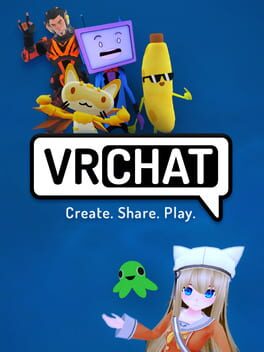
Top pick:VRChat is the single closest match to Second Life in 2024 — it's a live, user-created social world with fully customizable avatars, community-built event spaces, and the same open-ended "just exist here with other people" loop that defines Second Life, now running on modern hardware with optional VR immersion.
Some store buttons are affiliate links — we may earn a commission at no extra cost to you.
16 games like Second Life
95%
VRChat 2017
VRChat is the most direct modern successor to Second Life: user-created worlds, fully customizable avatars, and a social hub structure where you meet strangers, attend events, and explore community-built spaces in real time.
Key difference: VR-native design; best experienced with a headset though flatscreen works.
Best for: Second Life fans who want a modern, active social virtual world.
Skip if: You dislike internet strangers or unmoderated social spaces.
Roblox is the closest structural twin to Second Life: a platform where user-created worlds, social hangouts, and avatar customization drive everything. Millions of player-built experiences replace Linden Lab's user plots, and you can chat, explore, and even trade.
Key difference: Aimed at a younger audience; cartoonish aesthetic over adult freedom.
Best for: Players wanting the user-generated social world without subscription costs.
Skip if: You want adult themes, realistic avatars, or a mature economy.
IMVU is a direct competitor to Second Life focused on avatar chat rooms, virtual fashion, and a user-run item marketplace — the social and economy loops are nearly identical, just room-based rather than open-world.
Key difference: Room-based socializing, not a seamless open world to explore.
Best for: Players who love Second Life's avatar fashion and economy most.
Skip if: You want open-world exploration and user-built landscapes.
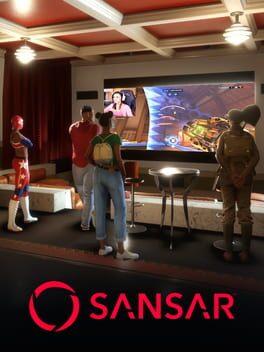
Created by Linden Lab themselves as a VR-forward spiritual successor to Second Life, Sansar offers user-built social spaces, avatar customization, and virtual events in a higher-fidelity engine.
Key difference: Smaller active community than Second Life; VR emphasis.
Best for: Second Life veterans wanting a graphical upgrade with familiar social tools.
Skip if: You want Second Life's enormous existing content library and population.
Garry's Mod is a pure sandbox where user-created gamemodes, props, and social servers define the experience — much like Second Life's user-built parcels. There's no objective; you build, roleplay, or just hang out on community servers.
Key difference: No persistent avatar identity or built-in economy system.
Best for: Players who want freeform sandbox roleplay and modding creativity.
Skip if: You want a polished social hub with avatar shopping and events.
Avakin Life is a mobile-first 3D social world with apartment decoration, avatar fashion, and public social spaces — arguably the closest mobile equivalent to Second Life's daily hangout and customization loop.
Key difference: Mobile-oriented with heavier monetization pressure; smaller creative tools.
Best for: Mobile players who want avatar chat and social spaces on the go.
Skip if: You want deep user scripting, land ownership, or complex economies.
Minecraft's multiplayer servers replicate much of Second Life's community-world feel: player-built cities, social roleplay servers, and creative plots replace Linden dollars and land tier. The sandbox building loop is deeply comparable.
Key difference: Block-based aesthetic; survival/combat modes dominate the default experience.
Best for: Players who want world-building and community without a virtual-economy focus.
Skip if: You want realistic avatars, voice chat lounges, and a marketplace economy.
Habbo Hotel pioneered the pixel-room virtual social world — designing your room, socializing with strangers, and trading furniture echo the same DNA that shaped Second Life, in a casual browser-accessible format.
Key difference: 2D isometric; far simpler creation tools and older aesthetic.
Best for: Casual social players who want simple room decoration and chat.
Skip if: You want 3D exploration, complex scripting, or realistic avatars.
The Sims 4 shares Second Life's life-simulation heart — crafting an avatar, decorating spaces, and building social relationships — but confines it to a single-player sandbox rather than a live online world.
Key difference: Single-player; no real other humans to meet or shared virtual world.
Best for: Players who want avatar and home customization without online pressure.
Skip if: You want real social interaction and a living community.
The Sims 3's open neighborhood and deep avatar/home customization scratch the same life-building itch as Second Life, with an enormous modding community that extends its content similarly to SL's user economy.
Key difference: Offline only; no shared persistent world or social hub.
Best for: Players who want deep life-sim without online interaction.
Skip if: You want multiplayer community and virtual events.
The Sims 2 remains a fan favorite for its avatar personality depth and neighborhood storytelling, sharing Second Life's identity-crafting and domestic creativity in a polished offline package.
Key difference: No online multiplayer; entirely self-contained single-player simulation.
Best for: Nostalgic players who prefer curated life simulation over open platforms.
Skip if: You want a living world with other real players.
Animal Crossing: New Horizons shares Second Life's social visiting, island decoration, and community events. Players visit each other's islands, trade items, and express themselves through avatar and environment design.
Key difference: Nintendo-controlled platform; no user-scripted content or adult themes.
Best for: Players wanting wholesome social visits and decoration creativity.
Skip if: You want open adult social spaces or a real virtual economy.
Spore's creature creation tools and community-sharing (where other players' creations populate your galaxy) echo Second Life's user-content philosophy, even if the gameplay loop is more structured.
Key difference: Single-player progression game, not a social hangout platform.
Best for: Players who love avatar/creature creation as a core activity.
Skip if: You want real social interaction or persistent world exploration.
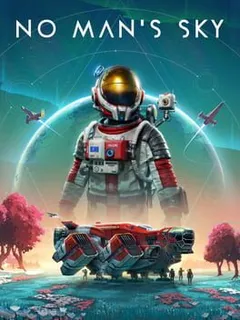
No Man's Sky's multiplayer space-exploration lets you visit other players' bases, trade at social hubs, and build elaborate structures in a shared universe — a loose echo of Second Life's explore-and-create loop.
Key difference: Survival/crafting game with objectives; much less social by design.
Best for: Players who want exploration and base-building with optional multiplayer.
Skip if: You want avatar-centric social spaces and community events.
Fortnite's Creative and Festival modes have transformed it into a partial virtual social world — concerts, user-made islands, and avatar cosmetics echo Second Life's communal hangout spaces.
Key difference: Battle royale origins dominate; social spaces are secondary features.
Best for: Players who want live social events and avatar skins within a popular platform.
Skip if: You want a fully open sandbox with user scripting and no combat focus.
Sea of Thieves is a social sandbox where crews explore, roleplay, and create their own stories with minimal imposed objectives — the pirate setting gives a communal hangout feel similar to SL server culture.
Key difference: Pirate-combat game at its core; social sandbox is secondary.
Best for: Players who want live multiplayer roleplay in a shared open world.
Skip if: You want avatar customization, home-building, or a user economy.
VR-native design; best experienced with a headset though flatscreen works.
Mobile, PC
Roblox
88%
Simulator
Aimed at a younger audience; cartoonish aesthetic over adult freedom.
PlayStation, Mobile, PC, Xbox
IMVU
88%
Simulator
Room-based socializing, not a seamless open world to explore.
Mobile, PC
Sansar
85%
—
Smaller active community than Second Life; VR emphasis.
PC
Garry's Mod
82%
Simulator
No persistent avatar identity or built-in economy system.
PC
Avakin Life
78%
Simulator
Mobile-oriented with heavier monetization pressure; smaller creative tools.
PC, Mobile
Minecraft: Java Edition
72%
Simulator
Block-based aesthetic; survival/combat modes dominate the default experience.
PC
Habbo Hotel: Origins
72%
—
2D isometric; far simpler creation tools and older aesthetic.
PC
The Sims 4
65%
Simulator
Single-player; no real other humans to meet or shared virtual world.
PlayStation, PC, Xbox
The Sims 3
62%
Simulator
Offline only; no shared persistent world or social hub.
PC
The Sims 2
60%
Simulator
No online multiplayer; entirely self-contained single-player simulation.
PC
Animal Crossing: New Horizons
60%
Simulator
Nintendo-controlled platform; no user-scripted content or adult themes.
Nintendo
Spore
42%
Simulator
Single-player progression game, not a social hangout platform.
PC
No Man's Sky
40%
Simulator
Survival/crafting game with objectives; much less social by design.
Xbox, PlayStation, Nintendo, PC
Fortnite
38%
Simulator
Battle royale origins dominate; social spaces are secondary features.
Xbox, PlayStation, Nintendo, Mobile, PC
What makes a game feel like Second Life?
The core feeling is purposeless freedom in a community space — no quest marker telling you where to go, just a world of other people's creations to wander through as whoever you choose to be. Roblox nails this on a massive scale with its user-hosted worlds and avatar marketplace, while Garry's Mod captures it in a rawer, more anarchic form through community roleplay servers where players script their own rules and environments.
The social dimension is equally critical. Animal Crossing: New Horizons approximates it with real friends visiting your island and live seasonal events, but it lacks strangers — which is half of what makes Second Life compelling. VRChat (in our additional picks) restores that stranger-meeting dimension in a way no other platform currently matches.
Best picks if you love building and user-created content
If user-generated content is your main draw, Minecraft: Java Edition is the broadest answer — its multiplayer server ecosystem hosts roleplaying communities, recreated cities, and social hangout worlds that mirror Second Life's plot culture. Garry's Mod goes further for technically-minded players: community servers host full roleplay gamemodes (DarkRP, Sandbox, etc.) with player-scripted economies that echo SL's LSL scripting culture.
For something more curated, No Man's Sky lets you build elaborate bases that other players can discover and rate — a lighter but visually stunning take on the same "leave your mark on a shared universe" appeal.
If you want avatar life-simulation over social worlds
Second Life doubles as a life simulator for many players — decorating homes, dressing avatars, attending virtual weddings. The Sims 4 and The Sims 3 deliver this loop in a polished single-player package: deep avatar customization, home decoration, and relationship management with no "win state." They lose the live social element entirely, but gain in narrative depth and AI-companion interaction.
Animal Crossing: New Horizons is the sweet spot for players who want both: real friends to visit, seasonal community events, and a home/island to endlessly redecorate — all in a low-stakes, cozy wrapper that shares Second Life's "just live here for a while" energy.
VRChat is the closest modern equivalent — it's a user-created 3D social world with avatar customization, community-built spaces, and live events, all free to play. Roblox is the closest for a massive user-content platform with a built-in economy, though it skews younger.
What is the best Second Life alternative for adults?
VRChat and IMVU are the top adult-oriented alternatives. VRChat offers open social worlds and avatar customization with an active adult community; IMVU focuses on avatar fashion chat rooms and has a robust user-run item marketplace very similar to Second Life's economy.
Can you play something like Second Life on mobile?
Avakin Life is the strongest mobile equivalent — a 3D social world with avatar fashion, apartment decoration, and public hangout spaces. It's free to play on iOS and Android.
Is Roblox a good replacement for Second Life?
Roblox shares Second Life's core pillars — user-created worlds, avatar customization, and a content marketplace — but is designed for a younger audience with more restrictions on content. Adults who want social roleplay will find the community and tone very different from Second Life.
What did Linden Lab make after Second Life?
Linden Lab launched Sansar in 2017 as a VR-forward successor with higher-fidelity graphics, user-built social spaces, and virtual events. It has a smaller community than Second Life but offers a technically upgraded version of the same social-world concept.
 95%
95%