Super Smash Bros. (1999) carved out its own genre: the platform fighter. Instead of depleting a health bar, players accumulate percentage damage until a strong hit sends them flying off the stage. Combine that with Nintendo's beloved crossover cast, chaotic item play, and four-player couch chaos, and you have a game whose appeal is both immediately accessible and remarkably deep.
When fans ask for "games like Super Smash Bros.," they usually want one of a few things: the same percentage-knockback platform format, the party-game chaos with friends on one screen, or the Nintendo crossover character fantasy. The best matches deliver at least one of those pillars — ideally more than one.
Top pick:Super Smash Bros. Melee is the single closest game to the 1999 original: it uses the identical core format, expands the roster and stages meaningfully, and adds a competitive depth that has kept players engaged for over two decades — making it the essential next step for anyone who loves the N64 game.
Some store buttons are affiliate links — we may earn a commission at no extra cost to you.
16 games like Super Smash Bros.
98%
Super Smash Bros. Melee 2001
The immediate successor to the N64 original, Melee refines every mechanic—faster movement, more expressive character animations, and a deeper combo system that spawned a competitive scene still active today. The core knock-off-stage loop is identical, just more polished.
Key difference: Faster, higher execution ceiling; less beginner-friendly.
Best for: Players wanting the sharpest, most competitive Smash experience.
Skip if: You want new characters and modern polish.
Super Smash Bros. Ultimate is the definitive version of the original's vision: over 80 fighters drawn from dozens of franchises, the same percentage-damage knockout system, and both casual and competitive modes intact.
Key difference: Enormous roster dwarfs the original's 12 characters.
Best for: Anyone wanting the most content-complete Smash game.
Skip if: You're limited to N64 or GameCube hardware.
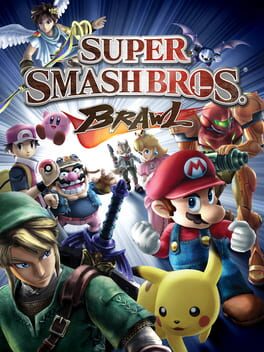
Brawl brought Smash to Wii with a story mode (Subspace Emissary), slower physics, and new guest characters like Sonic and Snake. It's the most casual-friendly of the pre-Ultimate entries and introduced online play.
Key difference: Slower physics and tripping mechanic divide fans.
Best for: Players who want a story mode with co-op.
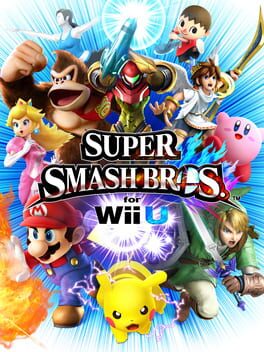
The Wii U entry brought HD visuals, 8-player Smash on large stages, and refined balance over Brawl. It shares the exact knock-off-stage percentage system of the original but adds more stages and a richer training mode.
Key difference: 8-player chaos mode and amiibo integration are unique.
Best for: Groups who want the most chaotic couch multiplayer.
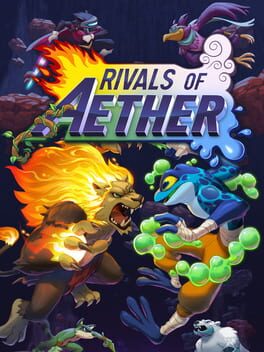
Rivals of Aether is an indie platform fighter that mirrors Smash's blast-zone knockout system but removes shields and grabs entirely, creating a faster, footsies-focused competitive experience with unique elemental fighters.
Key difference: No shields or grabs; indie roster instead of Nintendo icons.
Best for: Competitive Smash players wanting a fresh high-skill platform fighter.
Skip if: You need a casual party game with familiar characters.
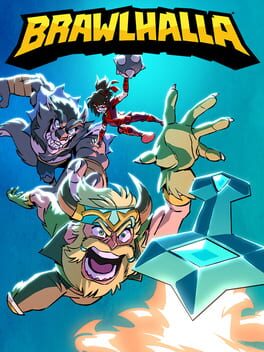
Brawlhalla is a free-to-play platform fighter built on the same knockback/blast-zone formula as Smash Bros., with rotating legends, weapon-based movesets, and rollback netcode for online play. It's the closest third-party spiritual successor.
Key difference: No Nintendo IP; weapon pick-up system replaces unique normals.
Best for: Players wanting Smash's format free on PC or console.
Skip if: You need a massive, beloved character roster.
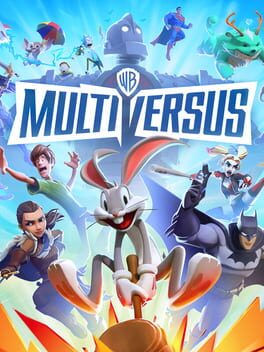
MultiVersus is Warner Bros.' official platform fighter using the Smash percentage/knockback formula with characters like Batman, Bugs Bunny, and Arya Stark. It emphasizes 2v2 team play and has full crossplay.
Key difference: Team 2v2 focus and Warner Bros. IP instead of Nintendo.
Best for: Players who want the Smash formula with Western media characters.
Skip if: You dislike live-service battle-pass models.
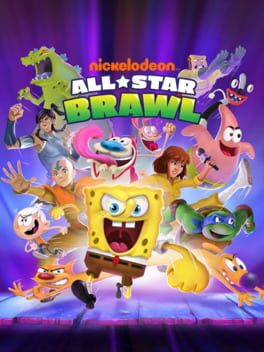
Nickelodeon All-Star Brawl directly clones Smash's platform-fighter format with Nick cartoon characters like SpongeBob, Reptar, and Aang. Its movement system leans toward Melee-style tech chasing.
Key difference: Smaller roster and production budget than any Smash entry.
Best for: Fans of Nick cartoons wanting a Smash-style competitive game.
Skip if: You prioritize high production values or large rosters.
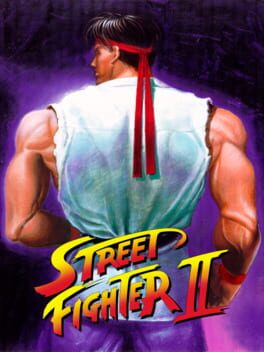
Street Fighter II is the landmark competitive fighter that Smash consciously departed from—health bars, six-button inputs, no platforms. It's the genre ancestor worth knowing if Smash kindled interest in fighting games more broadly.
Key difference: Health bars and traditional 2D fighter inputs, no platform stages.
Best for: Players curious about the classic fighting game tradition.
Skip if: You dislike strict input timing and no casual chaos.
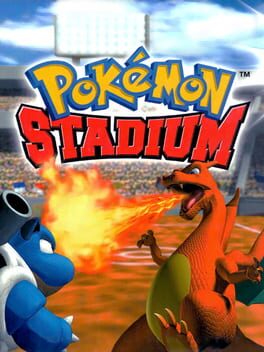
Pokémon Stadium is an N64 party game built around short Pokémon battles and a suite of minigames for up to 4 players. It shares Smash's couch-party structure, Nintendo N64 era aesthetic, and the same Pick-Up-And-Play design intent.
Key difference: Turn-based Pokémon battles and minigames, not platform fighting.
Best for: Smash fans who love the Pokémon cast and N64 nostalgia.
Skip if: You want real-time action or platform mechanics.
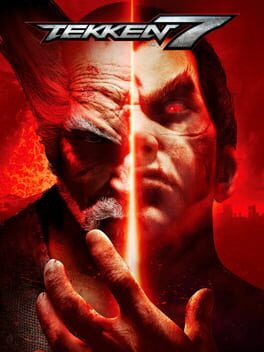
Tekken 7 is a 3D traditional fighter that shares Smash Bros.' deep character-specific movesets and one-on-one competitive structure, though the health-bar and ring-out system differ significantly.
Key difference: 3D arena, health bars, no platform stages or items.
Best for: Smash players wanting to explore traditional competitive fighters.
Skip if: You only enjoy the platform/knockback format.
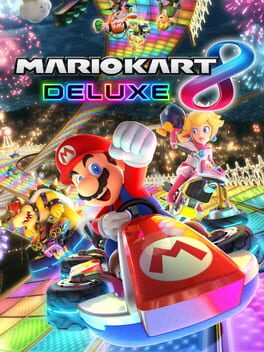
Mario Kart 8 Deluxe is the enhanced Switch port with every DLC course, Battle Mode restored to dedicated arenas, and the full Nintendo cast. The balloon Battle mode especially echoes Smash's chaotic item-fueled skirmishes.
Key difference: Racing focus; Battle Mode is the closest to Smash chaos.
Best for: Switch owners wanting a Nintendo party game alongside Smash.
Skip if: You've already played Mario Kart 8 extensively.
Mario Kart 64 is the N64-era Nintendo party game that launched alongside Smash Bros., offering the same couch multiplayer design philosophy: easily learned, item-driven upsets, and broad appeal.
Key difference: Strictly a racing game; no fighting or knockback.
Best for: Fans of the N64 era Nintendo party lineup.
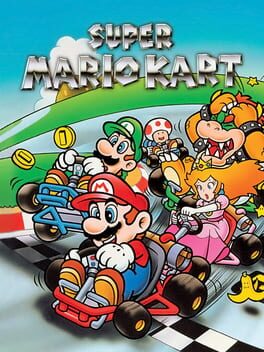
Super Mario Kart established the Nintendo multiplayer party formula that Smash Bros. would later expand into fighting. Its battle mode—popping opponents' balloons—is a direct structural cousin to Smash's stock mode.
Key difference: SNES-era racing; far less character variety.
Best for: Retro fans exploring the origins of Nintendo party games.
Skip if: You need modern visuals or complex mechanics.
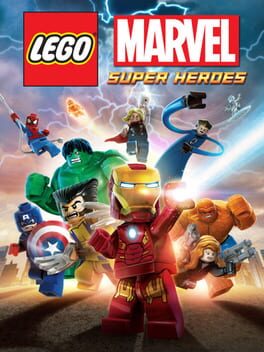
LEGO Marvel Super Heroes is a crossover brawler starring characters from multiple Marvel franchises, playable solo or in drop-in/drop-out co-op. It trades platform-fighter depth for accessible combo attacks and collectathon structure.
Key difference: Single-player/co-op adventure focus, not competitive versus.
Best for: Younger players or families who love superhero crossovers.
Skip if: You want competitive or skill-based fighting.
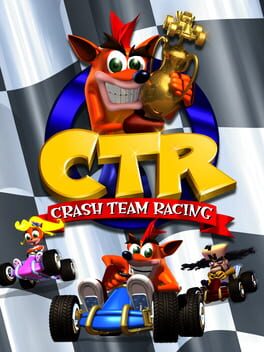
Crash Team Racing pairs PS1-era mascot racing with item-based combat in a four-player party package that mirrors Smash Bros.' chaotic energy. Battle Mode arenas let players directly attack each other with weapons.
Key difference: Racing game; arena battle mode is closest to Smash's spirit.
Best for: N64/PS1 era players who want a non-Nintendo equivalent.
Skip if: You strictly want platform-fighting mechanics.
PlayStation
At a glance
Game
Match
Shared DNA
Biggest difference
Platforms
Super Smash Bros. Melee
98%
Fighting, Platform
Faster, higher execution ceiling; less beginner-friendly.
Nintendo
Super Smash Bros. Ultimate
97%
Fighting, Platform
Enormous roster dwarfs the original's 12 characters.
Nintendo
Super Smash Bros. Brawl
95%
Fighting, Platform
Slower physics and tripping mechanic divide fans.
Nintendo
Super Smash Bros. for Wii U
93%
Fighting, Platform
8-player chaos mode and amiibo integration are unique.
Nintendo
Rivals of Aether
92%
Fighting, Platform
No shields or grabs; indie roster instead of Nintendo icons.
PC, Xbox, Nintendo
Brawlhalla
85%
Fighting, Platform
No Nintendo IP; weapon pick-up system replaces unique normals.
PlayStation, Mobile, PC, Xbox, Nintendo
MultiVersus
85%
Fighting, Action
Team 2v2 focus and Warner Bros. IP instead of Nintendo.
Xbox, PlayStation, PC
Nickelodeon All-Star Brawl
78%
Fighting, Action
Smaller roster and production budget than any Smash entry.
Xbox, PlayStation, PC, Nintendo
Street Fighter II
58%
Fighting, Action
Health bars and traditional 2D fighter inputs, no platform stages.
—
Pokémon Stadium
52%
Action, Party
Turn-based Pokémon battles and minigames, not platform fighting.
Nintendo
Tekken 7
52%
Fighting, Action
3D arena, health bars, no platform stages or items.
PlayStation, PC, Xbox
Mario Kart 8 Deluxe
51%
Action, Party
Racing focus; Battle Mode is the closest to Smash chaos.
Nintendo
Mario Kart 64
47%
Action, Party
Strictly a racing game; no fighting or knockback.
Nintendo
Super Mario Kart
44%
Party
SNES-era racing; far less character variety.
Nintendo
LEGO Marvel Super Heroes
40%
Action, Party
Single-player/co-op adventure focus, not competitive versus.
PlayStation, PC, Nintendo, Xbox
What Makes a Game Actually Feel Like Smash Bros.?
The defining mechanic is the blast-zone knockout system: damage makes you fly farther, so fights are about accumulating hits and landing the decisive launcher. No other mainstream game series fully replicates this — which is why the Smash sequels (Melee, Brawl, Ultimate) are the most natural recommendations. Outside Nintendo, Brawlhalla is the only widely available platform fighter that uses genuine blast zones, rollback netcode, and a rotating character pool, making it the best free alternative.
Party chaos is the second pillar. Mario Kart 8 Deluxe nails the Nintendo-crossover item-mayhem feel through racing, and its Battle Mode arenas carry a structural echo of Smash's stock matches. For a fighting-game adjacent experience, Street Fighter II represents the traditional genre Smash deliberately subverted — worth playing to understand what makes Smash's format so distinctive.
If You Want a Platform Fighter Without Nintendo
Brawlhalla (in the candidate list) and Rivals of Aether (an additional pick) are the two strongest alternatives for players who want the platform-fighter format on non-Nintendo hardware. Brawlhalla is free-to-play with crossplay and a steadily growing roster; Rivals of Aether strips shields and grabs entirely for a purer footsies-based experience beloved by competitive players.
MultiVersus from Warner Bros. is the most mainstream attempt at a Smash rival, offering Batman, Bugs Bunny, and other iconic characters with a cooperative 2v2 twist on the knockout formula. For a more niche but charming option, Nickelodeon All-Star Brawl closely mirrors Melee's movement mechanics with a Nicktoon cast.
Best Picks for Couch Party Play
Smash's greatest strength is drop-in couch multiplayer accessible to non-gamers. Super Smash Bros. Ultimate is the obvious answer for Switch owners — 8-player Smash with items on large stages is as chaotic and welcoming as the genre gets. If you want to branch into a different Nintendo party game, Mario Kart 8 Deluxe and Mario Kart 64 deliver the same "anyone can jump in" energy with a racing frame instead of fighting. Pokémon Stadium is an underrated N64 companion that many Smash fans overlooked: it's built for the same 4-player party session with minigames and Pokémon battles that reward even casual players.
No mainstream game fully replicates the combination of Nintendo IP, percentage-damage knockback, and platform stages — that formula is unique to the Smash series. The closest structural match outside Nintendo is Brawlhalla (free to play), which uses the same blast-zone knockout system. Rivals of Aether and MultiVersus are strong alternatives for players who want the platform-fighter format with different character rosters.
What is the best Super Smash Bros. game to play after the original?
Super Smash Bros. Melee (GameCube, 2001) is widely considered the competitive high point, with fast movement and deep tech. Super Smash Bros. Ultimate (Switch, 2018) is the best all-around entry for content breadth, roster size, and both casual and ranked online play. Brawl (Wii) is the most casual and story-driven if you want a single-player experience.
Are there any free games like Super Smash Bros.?
Yes — Brawlhalla (PC, PS4/5, Xbox, Switch) is a free-to-play platform fighter with the same blast-zone knockback system, rollback netcode, and seasonal crossover characters. The base game includes a rotating free roster; all legends can be unlocked with in-game currency earned through play.
What fighting games should a Smash Bros. fan try?
If you want to explore the broader fighting-game genre, Street Fighter II is the historical foundation Smash deliberately departed from. Tekken 7 offers deep character-specific move sets in a 3D arena. For something closer to Smash's chaos, Brawlhalla and Rivals of Aether keep the platform-fighter format. MultiVersus adds a team-based 2v2 co-op twist.
Are the Mario Kart games similar to Super Smash Bros.?
Mario Kart and Smash Bros. share the Nintendo crossover cast, item-driven chaos, and four-player couch party design — but they are different genres. Mario Kart is a racing game; Smash is a platform fighter. If you love Smash's party atmosphere and Nintendo characters but want a change of pace, Mario Kart 8 Deluxe on Switch is the natural companion game, especially its Battle Mode.
 98%
98%