Uncharted: Golden Abyss distills the series' signature DNA into a portable package: cover-based third-person shooting, athletic climbing through jungle ruins and karst caverns, light environmental puzzles, and a cinematic buddy-rivalry story that keeps pace with Hollywood action movies. Nathan Drake's roguish charm and the Central American treasure-hunt backdrop are as central to the appeal as any individual mechanic.
When players look for games like Golden Abyss, they're really hunting for that specific cocktail — spectacular set-pieces strung on a linear narrative spine, traversal that feels effortless and satisfying, and a story that genuinely cares about its characters. The best alternatives share at least two of those three pillars.
Top pick:Tomb Raider (2013) is the single closest pick outside the Uncharted series itself: it puts a charismatic protagonist inside tropical ruins full of cover-shooting, climbing, and a centuries-old conspiracy, hitting every beat Golden Abyss fans want while adding a compelling survival-horror edge that makes Lara's journey feel genuinely dangerous.
Some store buttons are affiliate links — we may earn a commission at no extra cost to you.
20 games like Uncharted: Golden Abyss
96%
Uncharted 2: Among Thieves 2009
Uncharted 2 is the mainline PS3 entry that shares Golden Abyss's exact cover-shooting, cinematic platforming, and globe-trotting treasure-hunt formula starring Nathan Drake. Train-top chases and Himalayan ruins deliver the same blockbuster spectacle in a more polished package.
Key difference: Console production scale dwarfs the Vita entry.
Best for: Anyone wanting the definitive Uncharted experience.
Skip if: You want portable play or touch-screen mechanics.
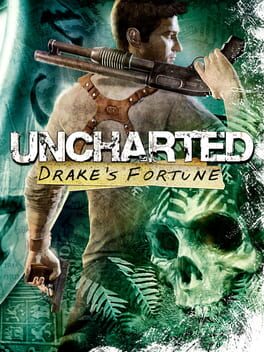
The original Uncharted shares every mechanic with Golden Abyss — third-person cover shooting, tropical ruins, and Nathan Drake hunting El Dorado — making it the essential companion piece.
Key difference: Rougher, less refined original entry with simpler traversal.
Best for: Anyone who hasn't played where the series began.
Uncharted 3 continues Drake's third-person shooting and climbing across deserts and ancient castles, with the same banter-heavy writing and scripted set-pieces that define Golden Abyss. The Rub' al Khali sequence is one of the series' best survival moments.
Key difference: Focuses on Drake's relationship with Sully over new characters.
Best for: Fans who want more of the same series formula.
Skip if: You disliked Uncharted 3's divisive pacing.
Uncharted 4 refines every mechanic in Golden Abyss — cover shooting, rope-swinging traversal, and cinematic storytelling — while adding open-ish exploration sections and a grappling hook. It's the series' emotional peak.
Key difference: More open exploration areas and mature, slower-burn story.
Best for: Players ready for the most polished Uncharted entry.
Tomb Raider 2013 is the single closest non-Uncharted match: third-person shooting, climbing, jungle ruins, and a young protagonist uncovering a dark historical mystery. Its survival-crafting layer adds depth Golden Abyss lacks.
Key difference: Survival crafting and harsher tone replace Drake's quippy ease.
Best for: Fans who want a grittier take on the treasure-hunt formula.
Skip if: You dislike Lara's more vulnerable, brutal early arc.
Rise of the Tomb Raider pushes the 2013 reboot formula further with Siberian ruins, hidden tombs, and third-person action that mirrors Uncharted's cover-and-climb rhythm. Optional Challenge Tombs scratch the puzzle itch Golden Abyss's rubbing mechanics hint at.
Key difference: Larger open areas with optional content vs. tight linearity.
Best for: Players who want more exploration freedom alongside the formula.
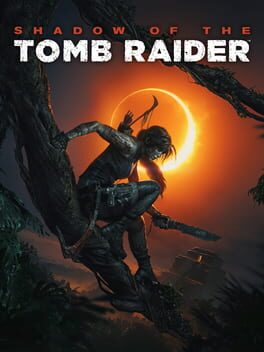
The third Tomb Raider reboot entry sends Lara to Central American jungles and Mayan ruins — almost identical geography and tone to Golden Abyss — with cover shooting, climbing, and a dark archaeological mystery at its core.
Key difference: Lara is colder, more morally complex than Drake's charming rogue.
Best for: Players who want the closest setting match to Golden Abyss.
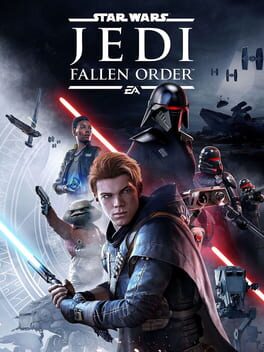
Fallen Order is explicitly designed around the Uncharted formula: linear third-person action, environmental climbing, and a young protagonist uncovering ancient secrets on jungle/ruin planets. It swaps guns for a lightsaber.
Key difference: Soulslike-lite combat and Star Wars universe replace Drake's world.
Best for: Uncharted fans who want fresh settings and melee depth.
Skip if: You want shooting or a non-fantasy setting.
The Last of Us shares Golden Abyss's cinematic third-person structure — cover shooting, environmental puzzles, and character-driven narrative — made by Naughty Dog, the studio behind the main Uncharted series. The tone is far darker and survival-focused.
Key difference: Post-apocalyptic horror tone replaces adventure-movie fun.
Best for: Players ready for emotional weight over swashbuckling.
Skip if: You want light-hearted treasure-hunt energy.
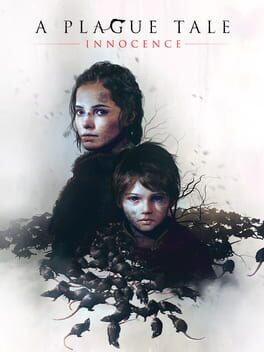
A Plague Tale delivers cinematic third-person action-adventure with two siblings uncovering a medieval conspiracy, featuring puzzle-platforming, light stealth, and a deeply character-driven linear narrative identical in pacing to Uncharted.
Key difference: Dark medieval horror tone; combat is light stealth, not shooting.
Best for: Players who love story-first linear adventures.
Batman: Arkham City offers the same third-person cinematic action-adventure structure with a traversal-heavy open world, environmental detective puzzles, and spectacular set-pieces. It swaps shooting for freeflow melee combat.
Key difference: Melee-focused freeflow combat instead of cover shooting.
Best for: Uncharted fans who love traversal and want a superhero skin.
Skip if: You dislike melee-heavy combat or Batman.
Batman: Arkham Asylum is a tighter, more linear action-adventure with cinematic polish, environmental traversal, and a layered villain narrative — structurally very close to how Golden Abyss funnels players through set-piece encounters.
Key difference: Confined asylum setting replaces open jungle exploration.
Best for: Players who prefer a tighter, more focused action-adventure.
Skip if: You want shooting or outdoor environments.
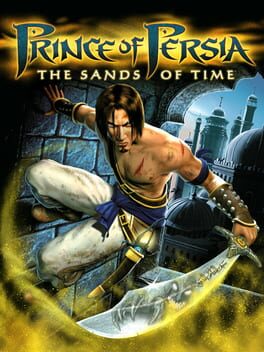
The Sands of Time pioneered the cinematic platformer-adventure formula that Uncharted later perfected: acrobatic traversal through ancient ruins, a wisecracking protagonist, and a mythological mystery driving the story.
Key difference: Time-rewind mechanics and fantasy setting replace realistic adventure.
Best for: Retro fans wanting the genre's classic forefather.
Skip if: You need modern third-person shooting mechanics.
Batman: Arkham Knight delivers cinematic third-person action on a grander scale, with traversal, story-driven missions, and spectacular moments that feel inspired by the Uncharted school of design.
Key difference: Batmobile tank sections divide opinion and dominate screen time.
Best for: Fans of the Arkham series wanting its biggest entry.
Assassin's Creed II shares Golden Abyss's climbing through ancient ruins, uncovering a centuries-old secret conspiracy, and third-person action across exotic historical locations. Renaissance Italy feels as visually lush as Central American temples.
Key difference: Stealth and open-city design vs. linear action-adventure.
Best for: Players drawn to historical mystery and free-running.
Skip if: You want a story that moves at cinematic pace.
God of War 2018 is a cinematic third-person action-adventure following a reluctant hero through mythological ruins, with jaw-dropping set-pieces and strong character writing that echo Uncharted's production values.
Key difference: Norse mythology, solemn tone, and soulsier combat depth.
Best for: Uncharted fans who want weightier combat and deeper lore.
Skip if: You want a light, fun-first adventure tone.
Assassin's Creed IV Black Flag combines swashbuckling adventure, exotic tropical locations, and uncovering a historical secret — sharing Golden Abyss's Caribbean jungle and ruin aesthetic with added naval combat.
Key difference: Open-world pirate sailing dominates over linear story missions.
Best for: Players who love exploration and a charismatic roguish lead.
Assassin's Creed Brotherhood continues the climbing-through-ancient-ruins formula with a strong narrative and set-piece missions in Renaissance Rome, offering a similar action-adventure feel to the Uncharted school.
Middle-earth: Shadow of Mordor borrows Uncharted-style traversal and cinematic third-person action while adding the Nemesis enemy system. Ancient ruins and a mystery-wrapping narrative give it an adventure edge.
Key difference: Nemesis system and fantasy RPG progression replace linear story.
Best for: Players wanting more systemic depth in third-person action.
Skip if: You want a tight linear story without RPG layers.
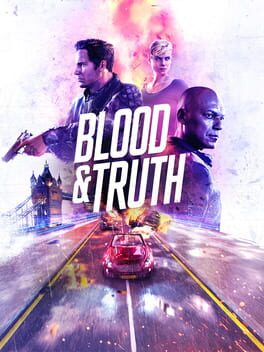
Blood & Truth is a PSVR cinematic action-thriller built to replicate the Uncharted movie-set fantasy — you're a SAS soldier storming through scripted gunfights, vault-cracking puzzles, and chase sequences with constant banter. It's a short but remarkably faithful tribute to the Uncharted feel in VR.
Key difference: Requires PlayStation VR; first-person perspective in virtual reality.
Best for: PSVR owners wanting an Uncharted-style power fantasy.
Skip if: You don't own or like VR hardware.
PlayStation
At a glance
Game
Match
Shared DNA
Biggest difference
Platforms
Uncharted 2: Among Thieves
96%
Shooter, Platform
Console production scale dwarfs the Vita entry.
PlayStation
Uncharted: Drake's Fortune
96%
Shooter, Platform
Rougher, less refined original entry with simpler traversal.
PlayStation
Uncharted 3: Drake's Deception
95%
Shooter, Platform
Focuses on Drake's relationship with Sully over new characters.
PlayStation
Uncharted 4: A Thief's End
94%
Shooter, Adventure
More open exploration areas and mature, slower-burn story.
PlayStation
Tomb Raider
89%
Shooter, Platform
Survival crafting and harsher tone replace Drake's quippy ease.
PlayStation, PC, Mobile, Xbox
Rise of the Tomb Raider
87%
Shooter, Adventure
Larger open areas with optional content vs. tight linearity.
PlayStation, PC, Xbox
Shadow of the Tomb Raider
86%
Shooter, Adventure
Lara is colder, more morally complex than Drake's charming rogue.
Xbox, PlayStation, PC
Star Wars Jedi: Fallen Order
78%
Adventure, Action
Soulslike-lite combat and Star Wars universe replace Drake's world.
Xbox, PlayStation, PC
The Last of Us
76%
Shooter, Adventure
Post-apocalyptic horror tone replaces adventure-movie fun.
PlayStation
A Plague Tale: Innocence
74%
Adventure, Action
Dark medieval horror tone; combat is light stealth, not shooting.
Xbox, PlayStation, PC
Batman: Arkham City
72%
Adventure, Action
Melee-focused freeflow combat instead of cover shooting.
PlayStation, PC, Xbox, Nintendo
Batman: Arkham Asylum
70%
Adventure, Action
Confined asylum setting replaces open jungle exploration.
PlayStation, PC, Xbox, Nintendo
Prince of Persia: The Sands of Time
70%
Platform, Adventure
Time-rewind mechanics and fantasy setting replace realistic adventure.
Xbox, PlayStation, Nintendo, PC
Batman: Arkham Knight
69%
Adventure, Action
Batmobile tank sections divide opinion and dominate screen time.
PlayStation, PC, Xbox, Nintendo
Assassin's Creed II
68%
Platform, Adventure
Stealth and open-city design vs. linear action-adventure.
PlayStation, PC, Xbox
What makes a game feel like Uncharted: Golden Abyss?
Three pillars define the Uncharted feel: cinematic linearity (scripted set-pieces that play like interactive movies), athletic traversal (climbing, jumping, and swinging through visually spectacular environments), and cover-based shooting seasoned with light puzzles. Games that nail all three — like Uncharted 2: Among Thieves and Rise of the Tomb Raider — land closest. Games that share two of the three, such as Batman: Arkham City (traversal + cinematic linearity, melee instead of shooting) or The Last of Us (shooting + cinematic story, survival horror instead of adventure), still scratch much of the same itch.
The historical-mystery setting matters too. Golden Abyss wraps its action in a 400-year-old colonial conspiracy; Assassin's Creed II and Assassin's Creed IV Black Flag tap the same ancient-secret-in-exotic-ruins energy, even if their open-world structure is looser than Uncharted's guided pace.
Best picks if you want the Tomb Raider formula
The three-game Tomb Raider reboot trilogy — Tomb Raider (2013), Rise of the Tomb Raider, and Shadow of the Tomb Raider — is the essential next stop after any Uncharted game. All three feature a young protagonist clambering through ruins, engaging in cover-based gunfights, and chasing a mythological conspiracy. Shadow of the Tomb Raider is particularly notable for its Central American jungle setting, which mirrors Golden Abyss's geography almost exactly — Mayan temples replacing Central American karst, but the same claustrophobic green-canopy atmosphere.
If you want an even broader recommendation, Star Wars Jedi: Fallen Order (in the additional list) was explicitly built as a Jedi-flavoured Uncharted: linear climbing-and-combat levels, an archaeologist's discovery arc on jungle worlds, and a likable underdog protagonist. It's arguably the best non-Tomb-Raider alternative in the genre.
Cinematic action-adventures with strong characters
Golden Abyss's most underrated quality is its writing — Dante and Chase's dynamic with Drake gives the game real emotional stakes within a short runtime. The Last of Us is the pinnacle of that character-driven cinematic approach; Naughty Dog (makers of the mainline Uncharted series) applied the same craft to a post-apocalyptic survival thriller, and while the tone is far darker, the pacing and relationship depth are unmatched. God of War (2018) similarly uses a cinematic father-son journey to elevate action-adventure spectacle, with production values that rival any entry in either series.
For a hidden gem that captures the movie-set action-adventure feel in a completely different package, Blood & Truth (PSVR) is worth flagging: it's a short but surprisingly faithful tribute to the Uncharted fantasy — scripted gunfights, vault puzzles, and non-stop action banter — just experienced from inside VR rather than behind a camera.
Is there a game exactly like Uncharted: Golden Abyss on other platforms?
The closest equivalents are Tomb Raider (2013) and Rise of the Tomb Raider on PS4/Xbox/PC — both share the third-person climbing, cover shooting, and treasure-hunt mystery formula almost beat for beat. On PS4/PS5, the Uncharted 4: A Thief's End and the Nathan Drake Collection bring the mainline series to modern consoles with the same DNA.
What's the best Uncharted game to play after Golden Abyss?
Uncharted 2: Among Thieves is universally considered the series peak and the natural next step. Its train-top opening and Himalayan temple sequences are the gold standard for cinematic action-adventure set-pieces. If you've already played Uncharted 2, Uncharted 4: A Thief's End is the emotional finale.
Are there games like Uncharted: Golden Abyss with a similar historical mystery setting?
Yes. Shadow of the Tomb Raider is set in Central American jungles and Mayan ruins — almost identical geography to Golden Abyss. Assassin's Creed II and Assassin's Creed IV Black Flag both wrap their action around centuries-old secret-society conspiracies in lush historical locations, and A Plague Tale: Innocence does the same in medieval France.
What game has the same feel as Uncharted but is different enough to feel fresh?
Star Wars Jedi: Fallen Order is the answer most Uncharted veterans point to: it's openly modelled on the Uncharted structure (linear levels, climbing, scripted story beats) but set in the Star Wars universe with lightsaber-based soulslike-lite combat. It's different enough to feel fresh while scratching exactly the same itch.
Is The Last of Us similar to Uncharted: Golden Abyss?
Structurally yes — both are linear cinematic third-person games with cover-based combat, environmental traversal, and strong character writing from Naughty Dog's creative family. But the tone is completely different: The Last of Us is a brutal survival-horror drama, while Golden Abyss is a breezy adventure-movie romp. Expect a much heavier emotional experience.
 96%
96%