Age of Empires (1997) earns its legendary status through a deceptively simple loop: gather wood, food, stone, and gold; build a settlement; research your way through four historical ages; and field armies that grow from club-wielding clubmen to armored chariots. What fans love is the feeling of civilizational momentum — every minute of careful resource management pays off as your Stone Age village transforms into an Iron Age war machine, all in real time against human or AI opponents.
When someone asks for "games like Age of Empires," they are really asking for that same real-time base-building, age-advancing, historically flavored strategy experience — not just any game with the word "strategy" attached. The best alternatives share at least two of these pillars: real-time resource management, historical (or mythological) settings, and meaningful technology progression that changes how you fight.
Top pick:Age of Empires II: The Age of Kings is the single closest pick — it is the direct continuation by the same studio, refines every system the original introduced, and remains one of the most-played RTS games on Steam twenty-five years later, meaning you will never struggle to find an opponent or a mod.
Some store buttons are affiliate links — we may earn a commission at no extra cost to you.
20 games like Age of Empires
97%
Age of Empires II: The Age of Kings 1999
Age of Empires II is the direct spiritual successor to the original, refining the same base-build, resource-gather, and age-advance loop across medieval civilizations. It expanded the tech tree, added more civs, and tightened multiplayer balance while keeping AoE's iconic feel.
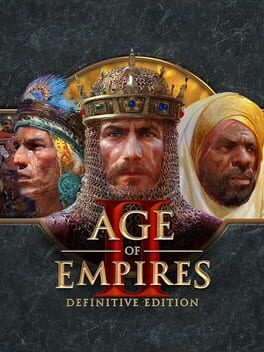
The Definitive Edition of AoE II delivers the complete, polished version of the medieval classic with remastered visuals, a full orchestral soundtrack, and all expansions. It is the definitive way to play the AoE II formula today.
Key difference: It is AoE II; not a new game, just the best edition.
Best for: Returning fans or newcomers wanting the best AoE2 experience.
Skip if: You already own and play AoE II extensively.
Rise of Nations directly evolves the AoE formula by adding eight historical ages from Ancient to Information, with city-building, national borders, and a Conquer the World campaign mode. It is arguably the closest design relative to AoE outside Ensemble's own work.
Key difference: National borders and a grand-map campaign mode are unique features.
Best for: AoE fans wanting every element of AoE pushed further.
Skip if: You want the original AoE simplicity without added complexity.
Age of Mythology comes from the same Ensemble Studios team and uses a near-identical gather-build-advance RTS engine, but wraps it in Greek, Egyptian, and Norse mythology with god powers and mythological units. The core loop is pure AoE DNA.
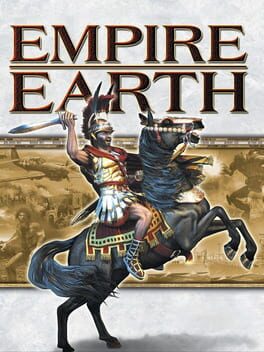
Empire Earth spans 14 epochs from Prehistoric to Nano Age, using a base-build and age-advance loop that is unmistakably AoE-inspired. Its scope — from cavemen to futuristic mechs — is unmatched among historical RTS games.
Key difference: Covers all of human history including future eras.
Best for: AoE fans who want a longer historical timeline to progress through.
Skip if: You prefer tight ancient-world focus and simpler mechanics.
PC
87%
Age of Empires III 2005
Age of Empires III advances the series into the colonial era with the same base-build and age-up loop, adding a Home City card system that introduces deck-building into the resource economy. The RTS foundation is unmistakably AoE.
Key difference: Home City card system adds a meta-progression layer.
Best for: AoE fans curious how the series evolved to the colonial age.
Skip if: You dislike card-system meta elements in RTS games.
Age of Empires IV returns the series to the medieval period with a modern engine, emphasizing landmark buildings and unique civilization mechanics within the classic gather-advance-conquer loop. It is the most current mainline AoE entry.
Key difference: Modern engine; some community debate over feature depth at launch.
Best for: Fans wanting the AoE feel with current-gen production values.
Skip if: You prefer the lean, sprite-based speed of the originals.
Warcraft III shares AoE's real-time base-building and unit-production loop but layers in hero units with leveling mechanics and leans into high-fantasy lore. Resource gathering and town-hall construction feel immediately familiar.
Key difference: Fantasy setting; hero RPG system changes tactical priority.
Best for: AoE players curious about RTS with RPG hero mechanics.
Skip if: You dislike fantasy settings or hero micromanagement.
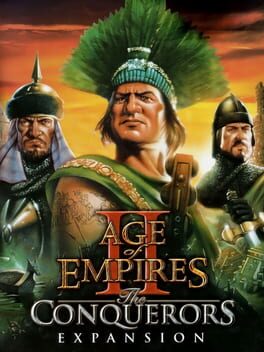
The Conquerors expansion for AoE II adds five new civilizations including the Aztecs and Koreans, new campaigns, and balance updates. It deepens the same medieval RTS experience with fresh historical content.
Key difference: Expansion only; requires AoE II base game.
Best for: AoE II players wanting more civs and campaigns.
Skip if: You don't own AoE II (get the Definitive Edition instead).
StarCraft defined competitive RTS alongside AoE, featuring three asymmetric factions with sharply different economies and unit compositions. The gather-build-attack macro loop is nearly identical in structure to AoE, just set in space.
Key difference: Science fiction, no historical theme; extremely high skill ceiling.
Best for: AoE players wanting a more competitively demanding RTS.
Skip if: You dislike sci-fi or ultra-precise micro APM gameplay.
Stronghold centers on medieval castle building, resource chains, and siege warfare within a real-time strategy framework, sharing AoE's satisfaction of constructing a fortified settlement and defending it. Its economic model is one of the genre's deepest.
Key difference: Castle-centric design; siege and castle mechanics dominate.
Best for: AoE fans who love the base-building and economy phases most.
Skip if: You want open-field battle and diverse civilization choices.
The Frozen Throne expands Warcraft III's base-building RTS with new races, a naval campaign, and neutral buildings. The same gather-build-fight structure applies throughout, now with a richer set of hero abilities.
Key difference: Expansion; requires Warcraft III base game.
Best for: Warcraft III players wanting more campaigns and balance fixes.
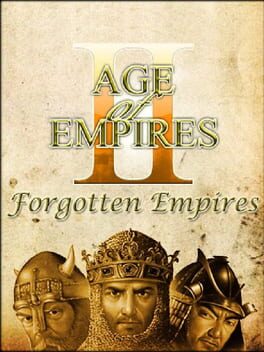
Forgotten Empires was a fan-made expansion for AoE II that was officially adopted, adding five more civs with historically grounded unit rosters. It preserves the original AoE II balance philosophy better than some later DLC.
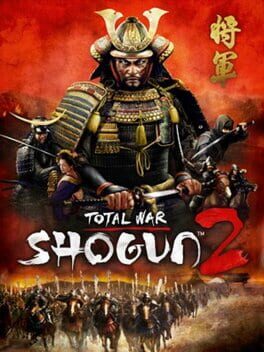
Total War: Shogun 2 splits strategy across a turn-based campaign map and real-time tactical battles, sharing AoE's love of historical fidelity and commanding armies. The RTS battle layer especially echoes the feel of massed AoE warfare.
Key difference: Turn-based campaign layer and much larger-scale battles than AoE.
Best for: AoE players wanting deeper grand-strategy around the battles.
Skip if: You only want pure real-time base-building, no turn-based layer.
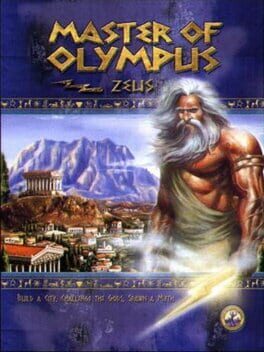
Zeus is a city-builder set in ancient Greece where you manage resources, trade, military, and mythological quests — sharing AoE's ancient-world setting and the satisfaction of growing a civilization from scratch.
Key difference: Pure city-builder with no direct unit combat control.
Best for: AoE fans who loved the ancient-world atmosphere and economy.
Skip if: You want real-time combat as the primary activity.
Civilization V shares AoE's core fantasy of guiding a historical nation through ages of technological progress, but plays out turn by turn on a hex map rather than in real time. The civilization-advancement and historical-nation selection feel very familiar.
Key difference: Turn-based, no base construction; empire scale is much broader.
Best for: AoE fans who want deeper diplomacy and tech-tree strategy.
Skip if: You need real-time action and base construction.
Anno 1404 blends medieval settlement building with resource chains and naval combat, sharing AoE's loop of gathering materials to fund military expansion. Its layered supply chains offer some of strategy gaming's most satisfying economy puzzles.
Key difference: City-builder focus; combat is secondary to economic simulation.
Best for: AoE fans who want deep economic city-building in a historical setting.
Skip if: You want aggressive RTS combat as the core activity.
Civilization VI iterates on Civ V's turn-based historical nation-building with district-based city construction that adds a spatial layer reminiscent of AoE's settlement planning. Historical civs advance through recognizable eras.
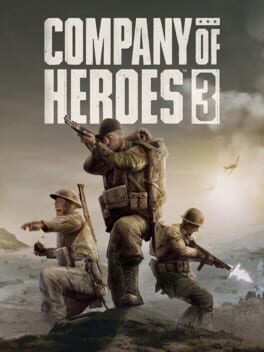
Company of Heroes 3 is a WWII RTS with cover-based squad tactics and resource-point control rather than traditional base-building, but the real-time army management and historical theatre scratch a similar strategy itch. The Italian and North Africa campaigns add a fresh setting.
Key difference: No age advancement or base construction; squad-level scale.
Best for: AoE players wanting grittier WWII-era real-time tactics.
Skip if: You need the classic gather-build-advance loop.
Heroes of Might and Magic III: The Restoration of Erathia 1999
Heroes of Might and Magic III is a turn-based strategy classic where you build towns, recruit fantasy armies, and conquer maps — sharing AoE's satisfaction of growing power from a small base to a dominant force. Its campaigns have strong historical-adventure flavor.
Key difference: Fully turn-based; fantasy genre with no real-time mechanics.
Best for: AoE fans who enjoy campaign storytelling and town development.
Skip if: You strictly want real-time strategy gameplay.
Turn-based campaign layer and much larger-scale battles than AoE.
PC
Zeus: Master of Olympus
78%
Strategy, Historical
Pure city-builder with no direct unit combat control.
PC
What makes a game truly feel like Age of Empires?
The AoE formula rests on three interlocking pillars: a multi-resource economy that forces constant worker management, an age-advance system that gates new units and buildings behind research, and historical authenticity that makes each civilization feel distinct. Games that share all three — like Age of Mythology (same Ensemble engine, mythological civs) and Rise of Nations (adds national borders and an eight-age span) — scratch the itch most directly. Games that share only one pillar, like Civilization V's tech-tree progression or Company of Heroes 3's real-time battles, will satisfy part of the craving but feel meaningfully different.
StarCraft and Warcraft III share AoE's macro rhythm — villager production, base layout, and push timing — but replace historical fidelity with science fiction and high fantasy respectively. If the ancient-world setting is as important to you as the mechanics, prioritize Age of Empires II: Definitive Edition, Age of Empires IV, or Empire Earth over StarCraft.
Best picks if you want deeper strategy around the battles
If Age of Empires left you wanting more from the grand-strategy layer — diplomacy, territorial control, longer campaigns — Total War: Shogun 2 is the logical next step. It wraps real-time tactical battles (which feel like expanded AoE skirmishes) inside a turn-based campaign map where you manage provinces, alliances, and supply lines across feudal Japan. Civilization V and Civilization VI zoom out even further, making the four ages of AoE feel like just the first chapter of a multi-millennium civilization story, though you trade real-time action for turn-based deliberation.
For players who love AoE's economy phase above all else, Anno 1404 and Zeus: Master of Olympus (both in our additional picks) push resource chains and settlement building to their logical extreme in historical settings, even if direct combat takes a back seat.
Hidden gems the other lists miss
Rise of Nations is the most egregious omission from mainstream "games like AoE" lists — it was designed by Brian Reynolds (of Civilization II fame) to be literally the next evolution of the AoE idea, with eight historical ages, city sprawl mechanics, and a Conquer the World campaign mode. It is out of print on physical media but available digitally and holds up remarkably well. Empire Earth is similarly overlooked: its 14-epoch scope from cavemen to nano-robots is unmatched, and its base-building DNA is pure AoE. Within the candidate pool, Age of Mythology is sometimes unfairly treated as a spinoff — it uses the identical Ensemble engine and economy model as AoE II and is an essential play for any AoE fan.
Is Age of Empires II better than the original Age of Empires?
For most players, yes. Age of Empires II refines every system — pathfinding, civilization balance, campaign design, and multiplayer — and its Definitive Edition keeps the community active decades later. The original has historical value and a faster, simpler feel that some players prefer, but AoE II is the more complete game.
What is the closest modern game to Age of Empires?
Age of Empires IV (2021) is the most direct modern successor, built by Relic Entertainment with Microsoft oversight and designed to recapture the medieval AoE II feel with current-generation visuals and quality-of-life features. Rise of Nations is another strong answer for players who want the AoE formula pushed into a deeper design.
Are Warcraft III and StarCraft similar to Age of Empires?
They share the same RTS macro structure — gather resources, build a base, produce units, push the enemy — but differ significantly in theme and depth. StarCraft demands much higher APM and is set in space; Warcraft III adds hero RPG mechanics in a fantasy world. Both are excellent RTS games but feel less similar to AoE than Age of Mythology or Rise of Nations.
What Age of Empires game should a new player start with?
Age of Empires II: Definitive Edition is the standard recommendation. It has the largest active community, the most content, excellent tutorial campaigns, and decades of balance patches. The original 1997 game is historically important but shows its age; AoE II DE captures the same spirit with far better playability.
Is Civilization a good alternative to Age of Empires?
Partially. Both games share the satisfaction of guiding a historical civilization through technological ages, but Age of Empires is real-time with hands-on base construction and combat, while Civilization is turn-based and zoomed out to an empire scale. Players who love AoE's economy and tech-tree will enjoy Civilization, but those who want real-time action should look at StarCraft II or Total War instead.
 97%
97%