The Civilization series — including the 2006 N-Gage entry — is loved for its 4X turn-based loop: the slow, satisfying arc of guiding a society from primitive settlements to a space-age superpower through exploration, city-building, technological research, and diplomacy or war with rival civilizations. Every decision carries weight across dozens of turns, rewarding long-term thinking and creative strategy.
When players ask for "games like Civilization," they're typically looking for that same empire-growth fantasy: a tech tree to climb, cities or settlements to manage, rival powers to outmaneuver, and a sprawling timeline that makes each session feel like writing history. The best matches share the turn-based pacing and grand-strategy scope, whether set on Earth or in distant galaxies.
Top pick:Sid Meier's Civilization V is the single closest match — it is the same 4X formula refined into a modern classic, with the same stone-to-space arc, technology tree, diplomatic rivals, and turn-based pacing that defines the series, making it the essential next step for any fan of the N-Gage entry.
Some store buttons are affiliate links — we may earn a commission at no extra cost to you.
23 games like Civilization
96%
Sid Meier's Civilization V 2010
Civilization V is the most direct evolution of the Civ formula: hex-based empire building from ancient era to the space age with turn-based diplomacy, technology trees, and rival civilizations to outmaneuver or crush. The core 4X loop is essentially the same game refined.
Civilization VI layers districts onto city tiles and splits civic/science trees, adding more spatial decision-making to the familiar explore-expand-exploit-exterminate loop. Eras, governors, and loyalty mechanics add governance depth the older entries lack.
Key difference: District placement adds a spatial puzzle layer to city-building.
Best for: Players who want the most feature-rich modern Civ.
Civilization IV introduced religion, corporations, and deep cultural mechanics while keeping the same stone-to-space 4X turn-based structure. It's widely considered a high point of the series for strategic depth.
Key difference: Religion and corporations as core systems; 3D graphics era.
Best for: Players who prefer deeper mid-game systemic complexity.
Skip if: You want the newest UI and quality-of-life features.
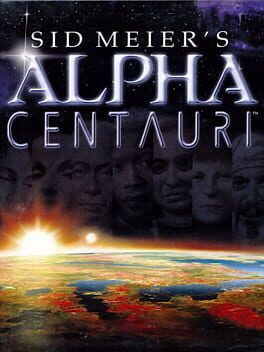
Alpha Centauri is a direct Civ sequel in spirit—a 4X turn-based strategy game where human factions colonize an alien planet, with a deep tech tree and faction diplomacy that many consider the high-water mark of the series.
Key difference: Sci-fi alien planet setting replaces Earth history.
Best for: Civ fans who want deeper ideological and sci-fi theming.
Humankind lets you assemble a custom civilization by adopting historical cultures each era, playing through the same stone-to-modern arc as Civ with a fame-based victory system that rewards diverse play styles.
Key difference: You mix-and-match historical cultures rather than picking one nation.
Best for: Civ fans wanting a modern reimagining of the core loop.
Skip if: You prefer Civ's cleaner, simpler culture identity.
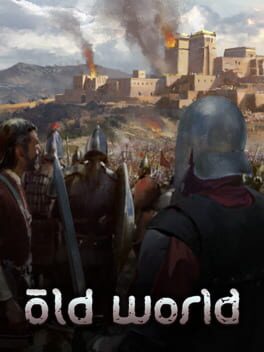
Old World is a turn-based 4X set in antiquity where you manage a dynasty of rulers with personal traits and relationships, blending Civ's empire-building with Crusader Kings-style character drama on a tight historical timeline.
Endless Legend is a hex-based turn-based 4X on a fantasy alien world with asymmetric factions, seasonal mechanics, and quest-driven city expansion. It modernizes the Civ formula with deep lore and unique faction abilities.
Key difference: Each faction plays by different rules, not just stat variations.
Best for: Civ players wanting fresh asymmetric mechanics in a 4X.
Stellaris applies the 4X grand strategy formula to space colonization: explore star systems, expand your empire, exploit alien resources, and exterminate rivals through war or diplomacy. The emergent storytelling from random events rivals Civ's narrative surprises.
Key difference: Real-time with pause instead of strict turn-based play.
Best for: Players who want 4X in a sci-fi setting with richer lore.
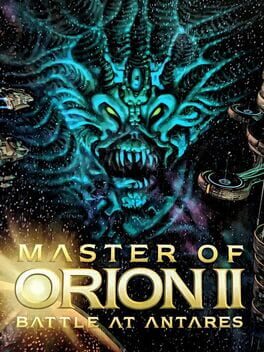
Master of Orion 2 is a classic space 4X turn-based strategy where you colonize planets, research technologies, and wage galactic warfare—the Civ formula transposed to the stars with deep ship customization.
Key difference: Space setting with ship design and fleet tactical battles.
Best for: Civ fans who want a sci-fi 4X with retro depth.
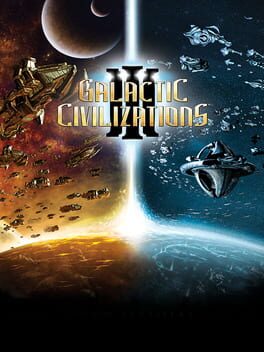
Galactic Civilizations III is a space-based turn-based 4X where you colonize star systems, research technologies, and compete diplomatically or militarily against AI empires with deep customization.
Key difference: Space 4X with ship design; no city district placement.
Best for: Civ fans wanting a polished modern 4X in a sci-fi setting.
Skip if: You strongly prefer historical Earth civilizations.
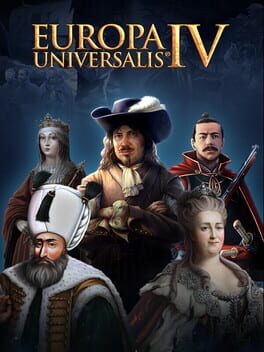
Europa Universalis IV is a grand strategy game covering 1444–1821, letting you guide any nation through diplomacy, trade, colonization, and warfare over centuries. It scratches the same nation-building itch with far greater historical granularity.
Key difference: Real-time with pause; far steeper learning curve.
Best for: Players wanting deep historical simulation over accessibility.
Skip if: You want a clear tech-tree win condition.
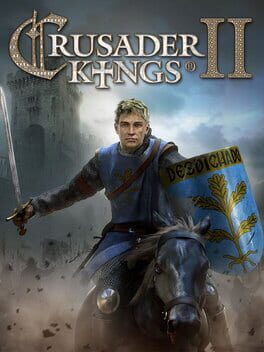
Crusader Kings II turns medieval empire building into a dynasty management saga where characters, marriages, and intrigue matter as much as armies. The expand-and-maintain loop echoes Civ's empire management with a political RPG twist.
Key difference: Ruler characters with traits and personal drama drive the game.
Best for: Players who love Civ's diplomacy more than combat.
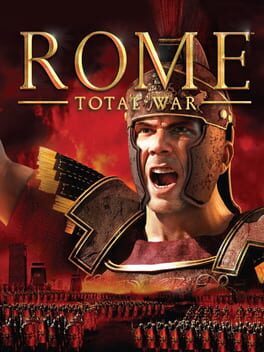
Rome: Total War blends turn-based empire management on a world map (very Civ-like) with real-time tactical battles. You build cities, manage economies, negotiate alliances, and wage war across the ancient Mediterranean.
Key difference: Battles play out in real-time 3D rather than abstractly.
Best for: Civ fans who want visceral military engagement.
Skip if: You dislike switching between strategy map and real-time battles.
Heroes of Might and Magic III: The Restoration of Erathia 1999
Heroes of Might and Magic III is a turn-based strategy where you expand across a fantasy map, capture towns, recruit armies, and fight grid-based battles. Its empire-expansion rhythm and resource management closely echo the Civ experience.
Key difference: Fantasy setting; hero units are central progression vehicles.
Best for: Players who want TBS with more direct tactical combat.
Skip if: You dislike fantasy themes or hero-centric design.
PC
65%
Heroes of Might and Magic V 2006
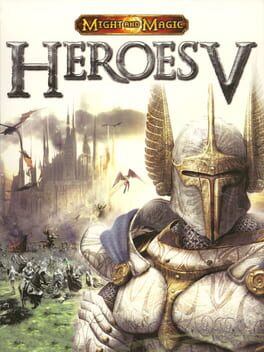
Heroes of Might and Magic V modernized the HoMM formula with 3D visuals while keeping the same turn-based explore-and-conquer loop over a fantasy map. Town building and army recruitment mirror Civ's city-growth cycle.
Key difference: Purely fantasy-focused; no historical or tech progression arc.
Best for: HoMM III fans wanting a modern 3D entry.
Skip if: You prefer historical civilizations over fantasy factions.
Spore literally progresses a species from single-celled organism to galactic civilization across distinct evolutionary phases, with the final space stage being an explicit 4X game. The civilization-building arc directly mirrors Civ's stone-to-space concept.
Key difference: Each evolutionary phase plays as a different genre entirely.
Best for: Players who love Civ's narrative arc over deep strategy.
Skip if: You want sustained strategic depth throughout.
XCOM: Enemy Unknown is a turn-based tactical strategy where you manage a global organization, research alien technology, and fight grid-based squad battles. The research tree and resource management echo Civ's tech and empire loops.
Key difference: Tight squad-level tactics; no civilization-scale empire building.
Best for: Civ fans who want more intense turn-based combat focus.
Skip if: You want to build cities and manage populations.
XCOM 2 expands the formula with procedural maps, deeper soldier customization, and a resistance network to manage. Its turn-based tactical combat and research progression satisfy the same strategic patience Civ demands.
Key difference: Stealth and timed missions add pressure absent in Civ.
Best for: Players wanting harder, more punishing TBS gameplay.
Into the Breach is a minimalist turn-based tactics game where you pilot mechs against alien bugs on small grid maps. Every action is perfectly telegraphed, rewarding the same careful forward-planning that Civ demands.
Key difference: Maps are tiny; no empire building or long campaigns.
Best for: Civ thinkers who want pure turn-based puzzle-strategy.
Skip if: You need large-scale civilization management.
Fire Emblem: Three Houses blends turn-based tactical battles with a school management layer where you develop characters and make alliance decisions. The long-term planning and relationship management echo Civ's diplomatic depth.
Key difference: Narrative-heavy JRPG with characters; no open-world map building.
Best for: Players who want TBS with strong story and characters.
Skip if: You dislike anime aesthetics or relationship management.
Mount & Blade: Warband lets you build a kingdom from a lone mercenary up to a continental ruler through battles, diplomacy, and economy—a sandbox empire-building arc that loosely mirrors Civ's growth fantasy in a medieval sandbox.
Key difference: Real-time mounted combat; no tech tree or city building.
Best for: Players who want Civ's empire arc in an action sandbox.
Skip if: You want abstract strategic management without action.
The Banner Saga is a turn-based tactical RPG with a traveling Viking caravan where your resource and morale decisions determine survival. Its strategic resource management and grid battles share Civ's deliberate decision-making rhythm.
Key difference: Linear narrative road trip; no open map empire building.
Best for: Civ fans wanting TBS with gorgeous art and tight story.
Skip if: You dislike grim Viking fantasy narratives.
Frostpunk tasks you with building and governing a steam-powered city in a frozen apocalypse, balancing resource chains, law-passing, and citizen morale under escalating pressure. The governance and expansion loop echoes Civ's city management.
Key difference: Real-time with pause; survival crisis framing over open-ended play.
Best for: Civ city-builders who want a tense, story-driven arc.
Skip if: You want open-ended 4X without narrative pressure.
Strategy, 4X (explore, expand, exploit, and exterminate)
District placement adds a spatial puzzle layer to city-building.
PlayStation, PC, Mobile, Xbox, Nintendo
Sid Meier's Civilization IV
95%
Strategy, 4X (explore, expand, exploit, and exterminate)
Religion and corporations as core systems; 3D graphics era.
PC
Sid Meier's Alpha Centauri
93%
Strategy, 4X (explore, expand, exploit, and exterminate)
Sci-fi alien planet setting replaces Earth history.
PC
Humankind
88%
Strategy, 4X (explore, expand, exploit, and exterminate)
You mix-and-match historical cultures rather than picking one nation.
Xbox, PlayStation, PC
Old World
85%
Strategy, 4X (explore, expand, exploit, and exterminate)
Orders-per-turn system limits actions; dynasty events add RPG flavor.
PC
Endless Legend
84%
Strategy, 4X (explore, expand, exploit, and exterminate)
Each faction plays by different rules, not just stat variations.
PC
Stellaris
82%
Strategy, 4X (explore, expand, exploit, and exterminate)
Real-time with pause instead of strict turn-based play.
Xbox, PlayStation, PC
Master of Orion II: Battle at Antares
80%
Strategy, 4X (explore, expand, exploit, and exterminate)
Space setting with ship design and fleet tactical battles.
PC
Galactic Civilizations III
78%
Strategy, 4X (explore, expand, exploit, and exterminate)
Space 4X with ship design; no city district placement.
PC
Europa Universalis IV
77%
Strategy
Real-time with pause; far steeper learning curve.
PC
Crusader Kings II
74%
Strategy
Ruler characters with traits and personal drama drive the game.
PC
Rome: Total War
72%
Strategy
Battles play out in real-time 3D rather than abstractly.
Mobile, PC
Heroes of Might and Magic III: The Restoration of Erathia
70%
Strategy
Fantasy setting; hero units are central progression vehicles.
PC
Heroes of Might and Magic V
65%
Strategy
Purely fantasy-focused; no historical or tech progression arc.
PC
What Makes a Game Feel Like Civilization?
The Civ DNA comes down to three things: a technology tree that gives you clear long-term goals, city or settlement management that makes expansion feel meaningful, and asymmetric rivals whose agendas force you to adapt. Games like Sid Meier's Civilization V and Civilization VI nail all three, which is why they top this list. Beyond the series itself, Stellaris and Europa Universalis IV preserve the grand-strategy scope but push deeper into simulation territory for players who want more systemic complexity.
Turn-based pacing is also core to the feel — the ability to think as long as you need before committing. This is why XCOM: Enemy Unknown and Into the Breach scratch a related itch despite being tactical rather than empire-scale: they demand the same careful forward planning one action at a time.
Best 4X Alternatives If You Want Civilization's Scope in a New Setting
If the stone-to-space historical arc is what you love but you want a fresh coat of paint, Stellaris transplants the 4X formula into procedurally generated space with real-time-with-pause mechanics and emergent storytelling. For something closer to turn-based, Spore's final space stage is literally a 4X game attached to a unique evolutionary prologue that mirrors Civ's civilization-building arc in a whimsical way.
Heroes of Might and Magic III — a hidden favorite among Civ fans — offers the same hex-map expansion and turn-based decision-making in a fantasy setting, with resource management and city building that will feel immediately familiar. It's a gem that many "games like Civilization" lists overlook.
For Players Who Love Civ's Diplomacy and Nation Management More Than Combat
Europa Universalis IV and Crusader Kings II are the deepest nation-management experiences available, rewarding the same long-term strategic thinking Civ demands but with far greater historical detail and emergent political drama. They have steeper learning curves but offer hundreds of hours of replayability for players who love the diplomatic and economic side of Civ over its combat.
For a more accessible middle ground, Rome: Total War blends a Civ-like world map management layer with real-time battles, letting you feel like a Roman emperor managing provinces and armies without the complexity of EU4's systems.
Is there a mobile or handheld game like Civilization?
The 2006 N-Gage Civilization itself was a handheld entry. Civilization VI and Civilization Revolution 2 are available on mobile and tablets, offering the full 4X loop on portable devices with touch-friendly interfaces.
What is the best Civilization game to start with?
Civilization V is the most commonly recommended starting point due to its clean hex-based design and strong tutorial, though Civilization VI is the current mainline entry with the most content and modern quality-of-life features.
Are there any free games like Civilization?
FreeCiv is a free, open-source game explicitly modeled on Civilization II's rules — very close to the N-Gage entry's ruleset. 0 A.D. is a free historical strategy game closer to Age of Empires but worth mentioning for strategy fans on a budget.
What's the difference between Civilization and Age of Empires?
Civilization is turn-based, meaning you take your time each turn, while Age of Empires is real-time — you and opponents act simultaneously. Civilization also spans thousands of years of history in one game, while Age of Empires focuses on specific historical periods.
What game is most like Civilization but set in space?
Stellaris is the most popular modern answer — a 4X grand strategy set in procedurally generated space with exploration, colonization, diplomacy, and warfare. Sid Meier's Alpha Centauri (not in the candidate list) is the classic answer and a direct spiritual successor to Civ.
 96%
96%