Borderlands hooked players with one core promise: shoot things, get loot, get stronger, repeat—wrapped in a cel-shaded alien world dripping with irreverent humor and built from the ground up for co-op. Its secret weapon was the procedural weapon generator: millions of guns with randomized stats, elemental effects, and manufacturers gave every chest a lottery-ticket thrill. Layered on top were four distinct character classes whose action skills created genuine build variety and co-op synergy.
When players ask for games like Borderlands, they're really chasing one or more of these: the looter-shooter loot loop (randomized tiered gear as the reward engine), class-based co-op with distinct playstyles, an open sci-fi or post-apocalyptic world dense with enemy camps to clear, and that irreverent, self-aware comedic tone. The best recommendations below hit as many of those pillars as possible.
Top pick:Destiny 2 is the single closest match for most Borderlands fans outside the Borderlands series itself—it nails the FPS-RPG looter loop, class-based ability design, and sci-fi co-op fantasy with arguably the most polished gunplay in the genre, making it the natural next step once you've exhausted Pandora.
Some store buttons are affiliate links — we may earn a commission at no extra cost to you.
21 games like Borderlands
97%
Borderlands 2 2012
Borderlands 2 is the direct sequel refining every pillar of the original: bigger loot pools, deeper skill trees, four new classes, and the same chaotic co-op on Pandora. Handsome Jack is widely considered one of gaming's best villains, giving the story more weight than the first game.
Key difference: More content, better story, and a proper villain.
Best for: Anyone who finished Borderlands and wants more of the same, polished.
Skip if: You want a fresh setting or totally new mechanics.
Borderlands 3 keeps the procedurally generated loot and class-based co-op shooter formula intact while adding cross-platform play, multiple planets to explore, and massively expanded weapon manufacturer mechanics. If the core loop of shooting and looting is your thing, this is the most mechanically refined entry.
Key difference: Multi-planet scope; writing more divisive than earlier entries.
Best for: Players who want the deepest, most feature-complete Borderlands experience.
Skip if: You found Borderlands 2's humor too much; this amplifies it.
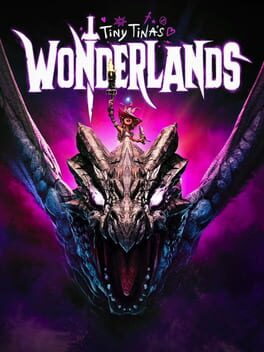
A direct Borderlands spinoff blending the looter-shooter formula with a fantasy tabletop RPG framing, class multiclassing, and the same cel-shaded humor—it is Borderlands in everything but name.
Key difference: Fantasy setting replaces sci-fi; multiclass system adds build depth.
Best for: Borderlands veterans who want a fresh setting with identical core loop.
Skip if: You prefer pure sci-fi aesthetic or dislike fantasy pastiche humor.
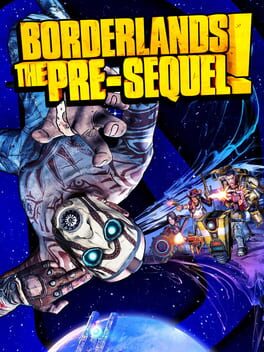
Borderlands: The Pre-Sequel fills in the backstory between the first two games with four new vault hunters, low-gravity moon traversal, and freeze/oxygen mechanics layered onto the familiar looter-shooter loop.
Key difference: Low-gravity combat on Elpis moon changes movement and tactics.
Best for: Lore fans who want new classes and mechanically fresh Borderlands.
Skip if: You want a leap forward in quality over Borderlands 2.
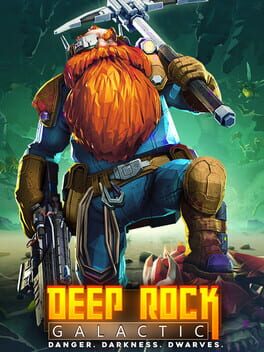
Deep Rock Galactic is a four-player co-op FPS with distinct miner classes, procedurally generated alien caves, and mission-based loot progression—it's arguably the closest modern game to Borderlands's co-op class identity and sci-fi humor.
Key difference: No open world; missions are self-contained procedural caves.
Best for: Borderlands co-op fans who want tight teamwork and class synergy.
Skip if: You want a large open world or story-driven campaign.
Destiny 2 is the closest non-Borderlands looter-shooter: FPS gunplay, class-based characters, procedurally-rolled gear with stat perks, and robust co-op across strikes and raids. The sci-fi setting and power-fantasy tone match Borderlands closely.
Key difference: Tighter, more polished gunplay but a much more serious tone.
Best for: Borderlands fans who want deeper endgame and live-service content.
Skip if: You dislike always-online games or grinding seasonal content.
The Outer Worlds is a first-person RPG-shooter set on a corporate-dystopian colony with sharp satirical humor, branching dialogue, and stat-based combat—it feels like Borderlands crossed with Fallout in tone and structure. Companion characters and class-like skill builds add RPG depth.
Key difference: Turn-based-adjacent slow-time ability instead of action skill; more story focus.
Best for: Borderlands fans who want richer writing and meaningful choices.
Skip if: You want randomized loot; gear here is handcrafted.
Fallout 4 is a first-person shooter-RPG set in a post-apocalyptic open world with heavy emphasis on loot collection, crafting, and character builds. Its Commonwealth is dense with enemy camps to clear and gear to collect in a loop that rhymes strongly with Borderlands.
Key difference: Crafting and settlement building add non-combat depth; tone is grimmer.
Best for: Players who want a loot-heavy FPS-RPG with a massive open world.
Skip if: You want fast, comedic, co-op-first action over solitary exploration.
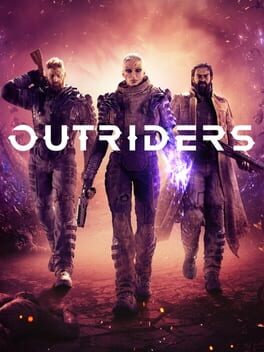
Outriders is a third-person looter-shooter with four elemental-powered classes, tiered loot with random stat rolls, and co-op for up to three players on a hostile alien planet—essentially a grittier, darker Borderlands.
Key difference: Darker, more serious tone with no humor; third-person perspective.
Best for: Borderlands loot fans who want a complete single-player campaign with co-op.
Skip if: You need cartoon humor or first-person perspective.
Fallout: New Vegas blends first-person shooting with deep RPG systems and a huge open wasteland full of factions, quests, and gear to hunt. Its dark comedy and character build variety scratch a similar itch to Borderlands's class systems.
Key difference: Far more dialogue, moral choice, and consequence than Borderlands.
Best for: Fans who want Borderlands-style shooter-RPG with serious narrative depth.
Skip if: You want fast co-op action over deliberate solo RPG pacing.
The Division 2 is a third-person looter-shooter with tiered loot rarity, class-like specializations, and four-player co-op set in an open-world Washington D.C. overrun by factions. Gear optimization and enemy scaling in endgame directly mirror Borderlands's loop.
Key difference: Third-person cover shooter with realistic military tone, not cartoon humor.
Best for: Borderlands co-op fans who want deeper loot endgame and tactical cover play.
Skip if: You want comedy and wild sci-fi weapons over grounded military action.
Risk of Rain 2 is a third-person co-op sci-fi shooter with randomized item stacking and escalating difficulty—the snowballing power fantasy of collecting loot until you become unstoppable maps directly onto Borderlands's feel.
Fallout 3 drops players into a ruined Washington D.C. with first-person gunplay, perks, and constant looting of enemies and environments. The desolate-yet-humorous world shares Borderlands's post-apocalyptic cartoon-grotesque sensibility.
Key difference: VATS targeting system interrupts action; no co-op.
Best for: Players craving a slower, more atmospheric shooter-RPG solo experience.
Skip if: You want fast-twitch combat or multiplayer loot runs.
Remnant: From the Ashes is a third-person shooter-RPG with procedurally generated world layouts, randomized boss encounters, and co-op for up to three players—sharing Borderlands's loot loop and class-ability structure in a dark sci-fi/fantasy skin.
Key difference: Soulslike difficulty and dodge-roll combat replace run-and-gun feel.
Best for: Borderlands co-op fans who want a harder, more demanding challenge.
Skip if: You want comedic tone or traditional FPS perspective.
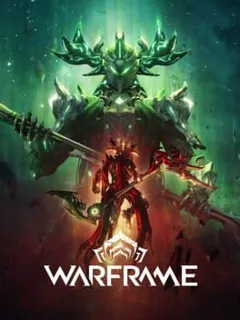
Warframe is a free-to-play co-op sci-fi shooter with deep class-like Warframe suits, modular weapon builds, and massive loot systems—the grind loop and class ability expression closely parallel Borderlands.
Key difference: Third-person movement-focused; free-to-play with heavy crafting grind.
Best for: Borderlands fans who want hundreds of hours of co-op loot hunting free.
Skip if: You dislike live-service games or free-to-play grind barriers.
BioShock pairs a first-person shooter with a Plasmid power system that acts like Borderlands's action skills—elemental abilities that combine with gunplay for emergent combat. The underwater art-deco sci-fi setting is atmospheric rather than open world.
Key difference: Linear, narrative-driven horror atmosphere instead of loot-driven open world.
Best for: Borderlands players who want FPS-RPG hybridization with a strong story.
Skip if: You need co-op or procedural loot rewards to stay motivated.
Cyberpunk 2077 is a first-person RPG-shooter in a neon sci-fi open world with tiered loot, cyberware builds functioning as character classes, and fast gunplay. Its irreverent corporate satire echoes Borderlands's humor.
Key difference: Far denser narrative and dialogue; loot is crafted/found rather than procedural.
Best for: Borderlands fans wanting a grittier, narrative-rich FPS-RPG open world.
Skip if: You want light-hearted co-op over a solo story experience.
Dead Island is a co-op action-RPG set on a zombie-infested tropical island with color-coded loot tiers, weapon crafting, and four playable classes—the structure maps almost directly onto Borderlands with melee replacing most gunplay.
Key difference: Melee-focused combat and survival horror tone replace gunfight comedy.
Best for: Borderlands co-op loot fans who enjoy melee builds and survival elements.
Skip if: You dislike clunky movement or zombie settings.
Saints Row: The Third shares Borderlands's irreverent open-world comedy and over-the-top character customization. While there's no procedural loot, the outrageous sandbox gunplay and co-op support scratch a similar power-fantasy itch.
Key difference: No RPG loot system; gameplay is GTA-style sandbox rather than mission-gated.
Best for: Players who love Borderlands's humor and co-op chaos more than loot.
Skip if: You need gear progression and skill trees to stay engaged.
Mass Effect 2 pairs third-person shooting with squad-based RPG class abilities and a rich sci-fi universe—if Borderlands's class fantasy and sci-fi setting are your draw, Mass Effect 2's combat system and character progression deliver a similar feel.
Key difference: Story and companion relationships dominate over loot and open-world exploration.
Best for: Borderlands fans drawn to class abilities and sci-fi more than gunplay loops.
Far Cry 3 is an open-world FPS with light RPG skill-tree progression and a colorful cast of villains on a dangerous island. The moment-to-moment gunplay and camp-clearing loop share DNA with Borderlands's map-clearing structure.
Key difference: Skill tree is thin; no loot tiers or co-op class synergy.
Best for: Borderlands players who want FPS open-world exploration with stronger story.
Skip if: You need deep gear systems or multiplayer co-op.
VATS targeting system interrupts action; no co-op.
PlayStation, PC, Xbox
Remnant: From the Ashes
75%
Shooter, Role-playing (RPG)
Soulslike difficulty and dodge-roll combat replace run-and-gun feel.
Xbox, PlayStation, PC, Nintendo
Warframe
75%
Shooter, Role-playing (RPG)
Third-person movement-focused; free-to-play with heavy crafting grind.
Xbox, PlayStation, Nintendo, Mobile, PC
What Makes a Game Feel Like Borderlands?
Three mechanics define the Borderlands feel: procedural or tiered randomized loot that makes every enemy drop worth checking, class action skills that give each player a distinct power identity, and co-op scaling that keeps difficulty meaningful with friends. Games that hit all three—like Destiny 2 and The Division 2—are the truest equivalents. Games that hit two of three, like Fallout 4 (loot and open-world RPG but no co-op) or Remnant: From the Ashes (co-op and loot but Soulslike difficulty), are still strong recommendations depending on which pillar matters most to you.
The tone is also a factor: Borderlands is rare in that it treats its loot loop as a comedy. The Outer Worlds and Tiny Tina's Wonderlands both carry that satirical, self-aware humor into their respective RPG-shooter frameworks, making them ideal picks for players who find Destiny 2 or The Division 2 too earnest.
Best Co-op Picks If You Loved Playing Borderlands with Friends
Borderlands's four-player co-op with difficulty scaling is its most beloved feature, and the games that replicate it best are Deep Rock Galactic (up to four players, distinct miner classes, procedural alien caves, exceptional class synergy) and Remnant: From the Ashes (three-player co-op, randomized boss encounters, class-like archetypes). Both reward coordinated play in a way few shooters do.
For those who want something closer to Borderlands's open-world structure, Destiny 2 and Outriders both support three or four players through full campaign content with class abilities that meaningfully interact. Dead Island is the most underappreciated co-op loot-RPG on the list—its weapon-crafting system and color-coded loot tiers feel like a Borderlands clone in a zombie setting.
If You Want the Loot Without the Shooting
The Borderlands loot loop descends directly from action-RPGs like Diablo II, which pioneered color-coded item tiers, randomized affixes, and the addictive kill-loot-upgrade cycle that Borderlands translated into a first-person shooter. If the loot escalation excites you more than the FPS perspective, Diablo II and its successors are essential. Torchlight, also in the candidate pool, is a more accessible and cheerful take on that same formula—its bright visual style and personality even share some DNA with Borderlands's cartoon aesthetic.
Is there a game that combines Borderlands-style loot with a bigger story?
The Outer Worlds comes closest—it's a first-person RPG-shooter with tiered gear, character builds, and sharp satirical writing, wrapped in a proper narrative with branching choices. Cyberpunk 2077 is another strong option if you want a massive story-driven FPS-RPG in an open sci-fi world.
What's the best Borderlands alternative for solo players?
Fallout 4 is the top solo pick: a first-person shooter-RPG with extensive loot, open-world exploration, and character build variety that scratches the same itch without requiring co-op. The Outer Worlds is shorter and more focused if you want something more compact.
Are there games like Borderlands that are free to play?
Warframe is the best free-to-play equivalent—a co-op sci-fi shooter with deep class (Warframe suit) customization, modular weapon builds, and an enormous loot system. Destiny 2 also has a substantial free-to-play base game that covers its core looter-shooter loop.
What should I play after finishing all three mainline Borderlands games?
Start with Tiny Tina's Wonderlands (the direct spinoff with multiclassing), then move to Destiny 2 for the deepest co-op loot endgame, and Deep Rock Galactic for the best class synergy co-op outside the series. Remnant: From the Ashes is a great pick if you want a harder challenge.
Is Borderlands 2 or Borderlands 3 better if I'm new to the series?
Borderlands 2 is widely recommended as the best entry point—it has a stronger story, a beloved villain in Handsome Jack, and refined mechanics over the original. Borderlands 3 has more polished gunplay and the widest content breadth, but its writing is more divisive. Both are excellent.
 97%
97%