Destiny 2's magic comes from the intersection of best-in-class first-person gunplay, a deep elemental subclass and gear system, and a persistent shared world that rewards regular play with strikes, raids, and PvP Crucible matches. It lives and dies on the feel of its shooting — tight, precise, Bungie-polished — layered with RPG build expression and social co-op hooks that keep millions returning each season.
When players ask for "games like Destiny 2", they're really asking for one or more of these threads: the looter-shooter loot chase, the sci-fi co-op mission structure, the ability-driven class fantasy, or simply rock-solid FPS combat with meaningful progression. The best alternatives nail at least two of these pillars simultaneously.
Top pick:Warframe is the single closest match to Destiny 2 in the entire landscape: it's a free-to-play sci-fi looter with deep co-op missions, layered RPG builds, and a decade of live-service content — the only game that replicates all three of Destiny's core pillars (shooter feel, loot grind, and persistent seasonal world) at the same scale.
Some store buttons are affiliate links — we may earn a commission at no extra cost to you.
The original Destiny shares the exact same first-person shooter loop, Guardian classes, strike co-op missions, and looter progression that define Destiny 2. Many strike and patrol zones feel familiar, and the community is still active on legacy servers.
Key difference: Smaller content library; many features were removed or rebuilt in D2.
Best for: Fans wanting to experience the franchise's origins.
Skip if: You want modern systems and active live-service content.
Warframe is a free-to-play sci-fi looter with deep RPG builds, co-op missions, and a constant stream of new content — widely considered the closest spiritual twin to Destiny 2 in structure and feel. You collect Warframes (analogous to subclasses) and min-max gear for endgame.
Key difference: Third-person perspective with far deeper build complexity.
Best for: Players who want more build depth and a F2P model.
Skip if: You dislike steep learning curves or complex menus.
Borderlands 2 pairs first-person shooting with procedurally generated loot drops and character skill trees, creating the same dopamine loop of hunting for better gear. The co-op gunplay is snappy, and the skill trees offer meaningful build variety.
Key difference: Cel-shaded single-planet setting; no persistent online world.
Best for: Those who love the loot loop but prefer a self-contained story.
Skip if: You need live-service seasons and evolving endgame content.
Deep Rock Galactic is a co-op first-person shooter where four unique dwarf classes complete procedurally generated mining missions against alien swarms — its co-op structure, class abilities, and sci-fi tone are a near-perfect analogue to Destiny's strike gameplay.
Key difference: No persistent world or loot RPG system; simpler progression.
Best for: Destiny co-op fans wanting tighter, funnier team missions.
Skip if: You need a loot grind, PvP, or open exploration.
Borderlands 3 refines the looter-shooter formula with vastly improved gunplay, four unique Vault Hunter classes with elemental abilities, and multiple planets to explore in co-op. The loot density and skill customization are among the closest to Destiny 2.
Key difference: No PvP and content is fully static after launch.
Best for: Co-op loot hunters who want a linear progression finish line.
Skip if: You primarily play for competitive PvP modes.
The Division 2 is an online looter-shooter set in an open-world Washington D.C., with cover-based shooting, RPG gear tiers, raids, and ongoing seasonal content. The endgame systems — including Dark Zone PvPvE — directly scratch the same itch as Destiny's endgame grind.
Outriders is a third-person looter-shooter RPG with elemental class abilities, co-op missions, and a sci-fi setting — explicitly built as a Destiny-alike with a complete narrative campaign and endgame Expeditions.
Key difference: Finite content; no live-service updates after launch.
Best for: Players who want Destiny's loot loop with a definitive ending.
Skip if: You need ongoing seasonal content and evolving endgame.
Helldivers 2 delivers frantic co-op sci-fi shooter action with mission-based structure, gear loadout customization, and community-driven Galactic War campaigns — mirroring Destiny 2's co-op strikes and seasonal events. The third-person gunplay is tight and punishing.
Key difference: Fully third-person; no RPG loot grind or persistent character build.
Best for: Players who love Destiny's co-op missions over loot progression.
Skip if: You need a rich character RPG system and gear collection loop.
Halo Infinite brings Destiny 2's sci-fi shooter DNA back to its roots, with a Zeta Halo open world, free multiplayer with ability-driven sandbox gameplay, and a campaign that rewards exploration. The gunfeel shares Bungie's legacy precision.
Key difference: No RPG loot system; gear upgrades are far simpler.
Best for: Fans of Bungie's shooter heritage who want snappy gunplay.
Skip if: You want a loot-driven RPG grind loop and character builds.
Remnant blends third-person shooter combat with Soulslike boss encounters and a class-based build system across sci-fi/fantasy biomes — its co-op design and gear-crafting chase closely mirrors Destiny 2's endgame feel.
Key difference: Soulslike difficulty and design; no PvP or open world.
Best for: Destiny fans who want tougher, more punishing boss encounters.
Skip if: You dislike Soulslike difficulty spikes or third-person view.
The Master Chief Collection bundles six Halo campaigns with their online multiplayer modes — all built on Bungie's foundational sci-fi FPS DNA that Destiny grew from. The progression from Halo CE through Halo 4 shows the lineage directly.
Key difference: No looter RPG mechanics; classic arena-style multiplayer.
Best for: Those who want to understand Destiny 2's shooter heritage.
Skip if: You want live-service seasons, loot drops, or ability classes.
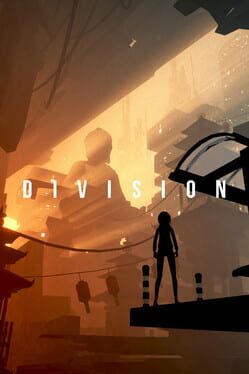
The original Division pioneered the online looter-shooter RPG in an open world with gear tiers and co-op dark zones — the same structural DNA as Destiny 2, set in a ravaged near-future New York.
Key difference: Cover-based shooting; smaller endgame content than Division 2.
Best for: Players who want to trace the looter-shooter genre's roots.
Skip if: You want the most up-to-date systems; Division 2 supersedes it.
Titanfall 2 has some of the best first-person gunplay ever coded, with fluid wall-running movement and a sci-fi setting. While it lacks a loot system, the campaign's creativity and multiplayer's snappy pace share Destiny 2's satisfying moment-to-moment shooting.
Key difference: No RPG systems or loot; short campaign, smaller multiplayer base.
Best for: Players craving best-in-class FPS movement and gunfeel.
Skip if: You need persistent character progression or a gear grind.
Mass Effect 2 is a sci-fi shooter-RPG with a crew of companions, elemental ability combos, and a narrative-rich universe. The third-person cover shooting and class-based power selection closely mirror Destiny 2's subclass fantasy in a story context.
Key difference: Primarily a single-player RPG narrative; no live multiplayer world.
Best for: Destiny players who want deep story, companions, and character lore.
Skip if: You play Destiny 2 mainly for multiplayer and loot grind.
Halo 3 represents the peak of classic Bungie's co-op sci-fi FPS design, with full four-player co-op campaign and robust multiplayer — the direct genetic predecessor to Destiny 2's shooter feel and sandbox sandbox design philosophy.
Key difference: No RPG loot loop; mid-2000s arena multiplayer design.
Best for: Those nostalgic for Bungie's pure-shooter roots.
Skip if: You require modern gunplay and RPG build customization.
Mass Effect 3 adds a co-op multiplayer horde mode alongside its RPG campaign, letting you play class-based sci-fi combatants with powers — the closest the trilogy gets to a Destiny-style team experience.
Key difference: Story-driven trilogy capstone; multiplayer is horde-mode only.
Best for: ME2 fans wanting to add co-op alien-shooting to the mix.
Skip if: You dislike the weight of a long narrative setup.
Apex Legends shares Destiny 2's emphasis on character ability synergies within a sci-fi universe, and its gunplay is among the best in any live-service shooter. Legend classes with distinct ultimates map onto Destiny's subclass fantasy in a BR context.
Key difference: Battle royale format; no PvE content or loot progression.
Best for: Destiny PvP fans wanting the sharpest competitive gunfeel.
Skip if: You play Destiny 2 primarily for PvE co-op and loot.
The Outer Worlds is a first-person sci-fi RPG with ranged and ability-driven combat, character class builds, and a galaxy of factions to navigate — scratching the RPG side of Destiny 2 with a strong single-player narrative.
Key difference: No multiplayer, loot grinding, or live-service content.
Best for: Destiny story fans who want choice-driven RPG depth.
Skip if: You play for multiplayer, raids, or seasonal live-service loops.
Overwatch shares the hero-ability structure and team-based role fulfillment central to Destiny 2's PvP modes. Each hero with a distinct ultimate mirrors Destiny's subclass superpowers in a 5v5 shooter context.
Key difference: No PvE or loot RPG; pure team-based competitive format.
Best for: Destiny Crucible players who want deeper ability-based team play.
Skip if: You care primarily about loot grind, exploration, or raids.
Cyberpunk 2077 delivers first-person RPG combat in a sci-fi open world with skill trees, weapon mods, and cybernetic ability upgrades that parallel Destiny 2's Guardian builds — all wrapped in a rich narrative.
Key difference: Single-player only; no co-op or PvP; dystopian urban setting.
Best for: Destiny players who want a deep story RPG with FPS mechanics.
Skip if: You want co-op, raids, or live-service multiplayer content.
Gears of War 3 delivers polished co-op sci-fi shooter campaigns and competitive multiplayer with cover-based mechanics, a strong gear-adjacent upgrade feel, and an alien apocalypse setting adjacent to Destiny's tone.
Key difference: Cover-based third-person; no loot RPG progression.
Best for: Co-op shooter fans who want a cinematic sci-fi campaign.
Skip if: You need first-person view or loot-driven RPG systems.
Genshin Impact is a free-to-play action RPG with elemental ability combos, character collection, and a vast open world — mirroring Destiny 2's elemental subclass system and gear chase in a third-person fantasy sci-fi wrapper.
Key difference: Gacha monetization; third-person anime aesthetic; no FPS shooting.
Best for: Players drawn to Destiny's elemental ability and gear variety.
Skip if: You dislike gacha systems or anime art direction.
Finite content; no live-service updates after launch.
Xbox, PlayStation, PC
Helldivers 2
83%
Shooter, Action
Fully third-person; no RPG loot grind or persistent character build.
Xbox, PC, PlayStation
Halo Infinite
82%
Shooter, Adventure
No RPG loot system; gear upgrades are far simpler.
Xbox, PC
Remnant: From the Ashes
82%
Shooter, Role-playing (RPG)
Soulslike difficulty and design; no PvP or open world.
Xbox, PlayStation, PC, Nintendo
Halo: The Master Chief Collection
80%
Shooter, Action
No looter RPG mechanics; classic arena-style multiplayer.
Xbox, PC
Division
80%
Adventure, Action
Cover-based shooting; smaller endgame content than Division 2.
PC
Titanfall 2
79%
Shooter, Adventure
No RPG systems or loot; short campaign, smaller multiplayer base.
PlayStation, PC, Xbox
Mass Effect 2
78%
Shooter, Role-playing (RPG)
Primarily a single-player RPG narrative; no live multiplayer world.
PlayStation, PC, Xbox
Halo 3
77%
Shooter, Action
No RPG loot loop; mid-2000s arena multiplayer design.
PC, Xbox
What Makes a Game Feel Like Destiny 2?
Three pillars define the Destiny 2 experience: precision FPS gunplay built around weapon archetypes and recoil patterns, an elemental ability system tied to character class subclasses, and a loot loop where gear stats and perks drive progression. Games that match only one pillar — like Call of Duty for gunfeel, or Diablo for loot — won't scratch the same itch. The truest alternatives, like Warframe and Borderlands 3, replicate at least the shooter-RPG-loot trinity in a co-op context.
Co-op structure matters too: Destiny 2's strikes and raids are tightly tuned team challenges, not just matchmade chaos. Deep Rock Galactic (listed in our additional picks) and Helldivers 2 nail this social, mission-based cooperative feel better than any open-world RPG on the list.
Best Picks If You Love Destiny 2's Loot Grind
If the weekly power grind, exotic hunting, and gear perk optimization are what keep you logged in, start with Warframe — its build depth makes Destiny 2's mod system look shallow — and then try The Division 2 for a grittier looter with open-world Strongholds and a Dark Zone that mirrors the Trials of Osiris risk/reward. Borderlands 2 and Borderlands 3 are more self-contained but deliver some of gaming's most satisfying random-roll weapon hunting, with co-op that clicks immediately.
For those willing to step outside the FPS perspective, Outriders (in our additional list) is a direct Destiny-alike with class abilities and an endgame gear chase — it just lacks the live-service ongoing content engine.
For Destiny 2 Fans Who Miss Bungie's Halo Roots
Destiny 2's gunplay DNA traces directly to Bungie's Halo era. Halo Infinite brings that heritage into a semi-open world with class-adjacent equipment and tight multiplayer, while Halo: The Master Chief Collection lets you trace the lineage from Combat Evolved through Halo 4 in one package. Titanfall 2 is the hidden gem here: its campaign and multiplayer have movement-shooter gunfeel that arguably rivals Destiny 2's second-to-second satisfaction, even without any RPG layer — often listed among the best FPS games ever made yet criminally overlooked.
Warframe is the closest equivalent — a free-to-play sci-fi looter-shooter with co-op missions, elemental class builds, and years of live-service content. For a paid alternative, Borderlands 3 replicates the loot-driven co-op shooter loop most faithfully.
Is there a game like Destiny 2 but with a better story?
Mass Effect 2 delivers a comparable sci-fi shooter-RPG experience with a far more narrative-driven campaign and memorable companions. The Outer Worlds is another strong pick for story-focused Destiny fans who want first-person RPG combat.
What game is like Destiny 2 but single-player?
Cyberpunk 2077 offers first-person RPG combat with skill trees and gear mods in a sci-fi open world. Horizon Zero Dawn is another great single-player sci-fi shooter-RPG with a strong story and satisfying combat progression.
Are there free games similar to Destiny 2?
Yes — Warframe and Apex Legends are both free-to-play and share significant DNA with Destiny 2. Warframe matches it on the PvE looter-shooter front; Apex Legends is the closest free alternative for Destiny's ability-driven PvP feel.
What should I play after finishing Destiny 2's campaign?
If you want more looter-shooter co-op, try Warframe or Helldivers 2. For a change of pace with similar sci-fi RPG energy, Mass Effect 2 or The Outer Worlds are excellent next steps. Titanfall 2's campaign is a must-play for anyone who loves Destiny's gunfeel.
 97%
97%