XCOM: Enemy Unknown earns its reputation through a rare combination: a global strategy layer where every research choice and base placement carries weight, and brutal turn-based squad combat where cover positioning and a missed shot can unravel months of progress in an instant. Permadeath gives named soldiers real meaning, and the alien escalation curve creates constant, mounting dread.
When players look for games like XCOM: EU, they're almost always chasing two specific feelings simultaneously — the deliberate, chess-like tension of turn-based tactical missions and the satisfying meta-game of managing a struggling organization against overwhelming odds. Games that only share a sci-fi tag or only offer strategy without tactics rarely satisfy; the itch is the combination.
Top pick:XCOM 2 is the single clearest recommendation: it keeps every pillar of Enemy Unknown intact, deepens the mechanical systems, and adds guerrilla-warfare asymmetry and an even richer soldier customization system — it is, in all meaningful ways, more XCOM, and it is the first game any fan of the anchor should play next.
Some store buttons are affiliate links — we may earn a commission at no extra cost to you.
XCOM 2 is the direct sequel, keeping every pillar intact — turn-based squad tactics, base management, permadeath, and a global strategy layer — while adding concealment mechanics and guerrilla-war framing. It is the single most natural next step for any XCOM: EU fan.
Key difference: You play as the resistance, not the defender; missions have timers.
Best for: Players who want more XCOM with added mechanical depth.
Skip if: You hated the original's time pressure or want a fresh IP.
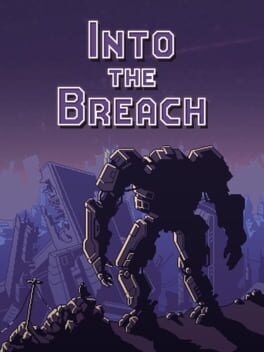
Into the Breach distills turn-based tactical grid combat to its purest form: small squads of mechs vs. alien bugs on destructible tile maps, with perfect information and devastating consequences for each move. The strategic meta-layer and unlockable squads echo XCOM's campaign loop.
Key difference: Maps are tiny 8×8 grids; no base building or persistent soldier roster.
Best for: XCOM fans who want pure tactical puzzle-like decision-making.
Skip if: You need soldier permadeath drama or a narrative campaign.
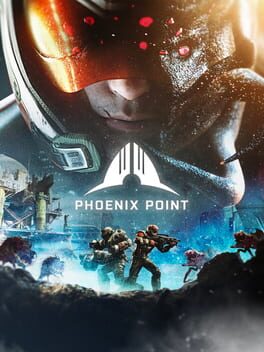
Phoenix Point is a direct spiritual successor designed by XCOM's original creator Julian Gollop: alien invasion, turn-based squad combat with bodypart targeting, base building, research trees, and a geopolitical strategy layer that expands on XCOM's formula.
Key difference: Multiple competing factions with moral trade-offs; more complex politics.
Best for: XCOM veterans who want the formula pushed further mechanically.
Skip if: You dislike early-access roughness or faction diplomacy complexity.
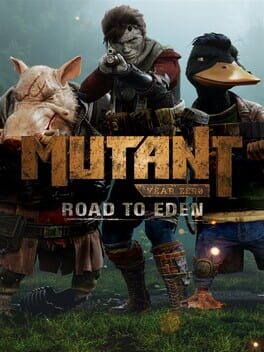
Mutant Year Zero blends XCOM's turn-based squad tactics with real-time stealth exploration on the same maps — you scout in stealth mode then trigger combat turn-by-turn. The post-apocalyptic setting and small cast give each mission strong identity.
Key difference: Stealth pre-combat phase; fixed party of mutant characters, no roster.
Best for: XCOM fans who want stealth layered into the tactical loop.
Skip if: You want a large troop roster and deep base management.
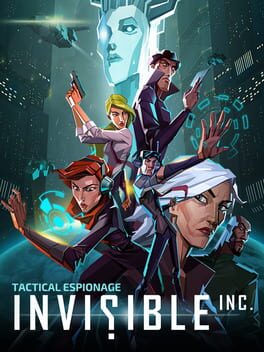
Invisible, Inc. applies XCOM's turn-based grid tactics and permadeath tension to corporate espionage heists, with action-point economy, line-of-sight mechanics, and a procedurally generated campaign under global escalating pressure.
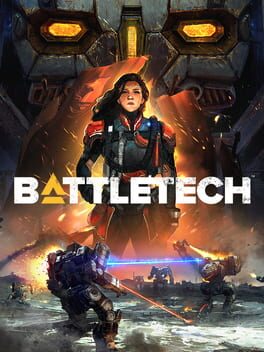
Battletech (Harebrained Schemes, 2018) wraps XCOM's base management, mercenary hiring, tech research, and turn-based squad tactics inside giant mech combat with heat management and called shots. The strategic layer rivals XCOM's in depth.
Key difference: Mech warfare, not infantry; combat is slower and more simulation-heavy.
Best for: XCOM fans who want a deeper strategic campaign with mechanical complexity.
Skip if: You dislike slow tactical pacing or mech theming.
Baldur's Gate III uses a full turn-based tactical system with squad positioning, action-point economy, and high-stakes permissive death — scratching the same deliberate, chess-like itch as XCOM. Party management and branching choices replace alien tech trees.
Key difference: Fantasy setting, D&D rules, no base management or strategic layer.
Best for: XCOM fans who want deeper role-playing alongside the tactics.
Skip if: You only care about sci-fi and modern military aesthetics.
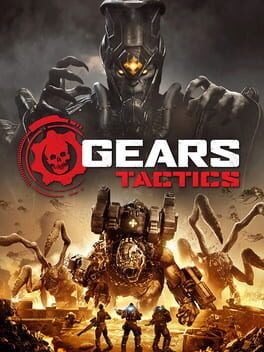
Gears Tactics transplants XCOM's turn-based action-point squad system into the Gears of War universe, complete with overwatch, flanking bonuses, and a base upgrade loop, while adding three actions per turn for a more aggressive pace.
Key difference: Three actions per turn makes combat feel faster and more aggressive.
Best for: XCOM fans who want a faster combat tempo with AAA production.
Skip if: You dislike the Gears franchise aesthetic or want permadeath.
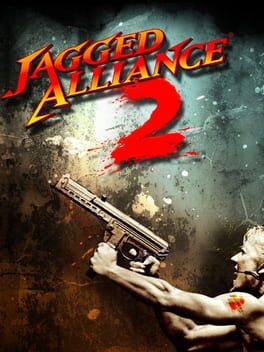
Jagged Alliance 2 is the granddaddy of squad-based turn-by-turn tactical games: hire mercenaries, manage morale and skills, and liberate a country sector by sector — it predates XCOM's modern renaissance but shares its heart completely.
Key difference: 1990s UI and mercenary-for-hire system; no alien sci-fi.
Best for: XCOM fans wanting deep classic TBS with mercenary personality.
Skip if: You can't tolerate dated interfaces or expect modern polish.
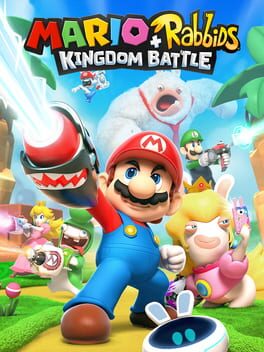
Mario + Rabbids is an accessible but genuinely tactical XCOM-alike: cover system, action points, overwatch equivalents, and character-specific abilities on grid-based maps, designed by the lead designer who cited XCOM as his primary inspiration.
Key difference: Colorful Nintendo IP; no permadeath, base building, or dark tone.
Best for: XCOM fans wanting approachable turn-based tactics for family play.
Skip if: You need narrative weight, permadeath stakes, or sci-fi grit.
Dragon Age: Origins offers pauseable-tactical party combat that rewards careful positioning and ability chaining, plus a persistent base of operations and squad customization that parallels XCOM's HQ loop.
Key difference: Real-time with pause, not pure turn-based; high fantasy setting.
Best for: XCOM fans who also want narrative depth and companion stories.
Skip if: You dislike fantasy RPGs or want true turn-based granularity.
Worms Armageddon is turn-based squad combat at its purest: each unit takes one action per turn on destructible terrain, with wind and angle calculations replacing cover percentage. The comedic tone hides real tactical depth.
Key difference: 2D, cartoonish, no base building or persistent progression.
Best for: Fans of the turn-based squad duel format in a party context.
Skip if: You need a serious tone or strategic meta-layer.
KOTOR uses a real-time-masked turn-based combat system (d20 rolls under the hood) set in a sci-fi universe with squad selection, gear management, and a research/upgrade loop for your party. The tactical rhythm is slower but structurally familiar.
Key difference: Story-driven, cinematic; no base management or procedural maps.
Best for: XCOM players wanting deep sci-fi narrative with tactical roots.
Skip if: You require true tile-based movement and explicit turn structure.
Chrono Trigger's Active Time Battle system and small-party composition share the turn-order deliberation of XCOM, and its sci-fi-meets-fantasy tone echoes the alien-contact wonder. It is a classic benchmark of turn-based design.
Key difference: JRPG, no tactical positioning or base building whatsoever.
Best for: XCOM fans curious about the genre's JRPG turn-based roots.
Skip if: You need modern production values or squad-level tactics.
Warcraft III's hero-unit system and small-squad micro-management bring it closer to tactical play than most RTS games, and its base-building loop overlaps with XCOM's resource economy.
Key difference: Real-time strategy, not turn-based; fantasy, not sci-fi.
Best for: Players who want the base-building and unit-diversity side of XCOM.
Skip if: You specifically need turn-based pacing or permadeath tension.
StarCraft's military sci-fi framing and faction asymmetry (Terran vs. Zerg vs. Protoss) mirror XCOM's humanity-versus-alien premise, and its campaign is a masterclass in escalating strategic pressure.
Key difference: Fully real-time; no individual unit permadeath or RPG progression.
Best for: XCOM fans who want competitive, high-skill sci-fi strategy.
Skip if: You dislike real-time play or click-speed demands.
Mass Effect 2 shares XCOM's squad assembly and loyalty mission structure, and its cover-based combat has a loose tactical analogue — you choose which squadmate ability to use and when. The sci-fi alien-politics story scratches a similar thematic itch.
Key difference: Third-person action shooter, not turn-based; story-focused.
Best for: XCOM fans who want the squad-bonding narrative in real time.
Skip if: You dislike action shooting or don't care for cinematic storytelling.
Deus Ex layers sci-fi conspiracy, global threat management, and agent customization into a tactical experience — the upgrade tree and mission-level decision-making rhyme with XCOM's strategic depth even if the combat is real-time.
Key difference: First-person action/stealth, no base building or squad.
Best for: XCOM fans drawn to the sci-fi conspiracy and tech-upgrade loop.
Skip if: You specifically want squad-level turn-based combat.
You play as the resistance, not the defender; missions have timers.
PlayStation, PC, Xbox, Nintendo
Into the Breach
90%
Role-playing (RPG), Simulator
Maps are tiny 8×8 grids; no base building or persistent soldier roster.
PC, Mobile, Nintendo
Phoenix Point
88%
Role-playing (RPG), Simulator
Multiple competing factions with moral trade-offs; more complex politics.
PC
Mutant Year Zero: Road to Eden
85%
Role-playing (RPG), Strategy
Stealth pre-combat phase; fixed party of mutant characters, no roster.
PlayStation, PC, Xbox, Nintendo
Invisible, Inc.
82%
Strategy, Turn-based strategy (TBS)
Stealth heist framing; no combat lethality — incapacitation only.
PlayStation, PC, Mobile, Nintendo
BattleTech
80%
Strategy, Turn-based strategy (TBS)
Mech warfare, not infantry; combat is slower and more simulation-heavy.
PC
Baldur's Gate III
78%
Role-playing (RPG), Strategy
Fantasy setting, D&D rules, no base management or strategic layer.
Xbox, PC, PlayStation
Gears Tactics
75%
Strategy, Turn-based strategy (TBS)
Three actions per turn makes combat feel faster and more aggressive.
Xbox, PC
Jagged Alliance 2
72%
Role-playing (RPG), Strategy
1990s UI and mercenary-for-hire system; no alien sci-fi.
PC
Mario + Rabbids Kingdom Battle
68%
Role-playing (RPG), Strategy
Colorful Nintendo IP; no permadeath, base building, or dark tone.
Nintendo
Dragon Age: Origins
62%
Role-playing (RPG), Action
Real-time with pause, not pure turn-based; high fantasy setting.
PlayStation, PC, Xbox
Worms Armageddon
55%
Strategy, Action
2D, cartoonish, no base building or persistent progression.
PlayStation, Nintendo, PC
Star Wars: Knights of the Old Republic
52%
Role-playing (RPG), Action
Story-driven, cinematic; no base management or procedural maps.
Xbox, Mobile, PC, Nintendo
Chrono Trigger
40%
Role-playing (RPG), Science fiction
JRPG, no tactical positioning or base building whatsoever.
Nintendo
Warcraft III: Reign of Chaos
38%
Strategy, Warfare
Real-time strategy, not turn-based; fantasy, not sci-fi.
PC
What makes a game truly feel like XCOM: Enemy Unknown?
Three design pillars define the XCOM feel: a turn-based tactical layer where every action point matters and overwatch punishes careless movement; a strategic meta-layer with base building, research, and resource scarcity; and meaningful permadeath that makes losses sting and victories matter. Games that omit even one pillar — say, action games set in sci-fi or RTS games with aliens — tend to leave XCOM fans cold.
From this candidate pool, Baldur's Gate III comes closest to matching the tactical layer, with its action-economy turn structure, line-of-sight rules, and high-stakes squad positioning. Dragon Age: Origins captures the party loyalty and upgrade tree, though its combat is pauseable-real-time rather than pure turn-based. For the complete package — all three pillars firing at once — look to Phoenix Point and Into the Breach in the additional recommendations.
Best hidden gems for XCOM fans that most lists miss
Invisible, Inc. is the most underrated XCOM-adjacent game in existence: a turn-based grid tactics game about corporate espionage heists, with the same action-point economy, line-of-sight tension, and permadeath-driven campaign as Enemy Unknown — but almost no one outside hardcore strategy circles knows it. Mutant Year Zero: Road to Eden is similarly overlooked, uniquely blending real-time stealth scouting with XCOM-style turn-based combat on the same map, giving pre-planning a tangible, interactive form that Enemy Unknown's strategy layer only implied.
Among the candidate pool, Worms Armageddon is a surprisingly undervalued pick: it strips turn-based squad tactics to their mechanical skeleton — one action, meaningful terrain, probability management — and its multiplayer still holds up decades later for players who love the pure combinatorial tension of XCOM combat without the campaign scaffolding.
If you want more strategic depth or a bigger campaign
Battletech (Harebrained Schemes, 2018) is the recommendation for players who want XCOM's strategic layer expanded into something closer to a full mercenary management simulation — mech repair costs, pilot injury recovery, lance composition decisions, and a branching campaign give the meta-game real teeth. Jagged Alliance 2 serves the same appetite from a classic angle, with a country-wide liberation campaign and mercenaries who comment on each other, argue, and even quit if morale collapses.
For players drawn to XCOM's alien-research narrative and escalating global threat, Phoenix Point adds factions with competing ideologies and genuine moral trade-offs to the strategic layer — decisions about whether to ally with a militant survival cult or a bio-tech corporation carry consequences that ripple through the whole campaign in ways that Enemy Unknown's Council only hinted at.
Is XCOM 2 worth playing if I already finished XCOM: Enemy Unknown?
Absolutely. XCOM 2 is a direct mechanical sequel that builds on every system in Enemy Unknown — it adds the concealment mechanic, timed objectives, soldier customization, and modding support. Most fans consider it the stronger game, and the War of the Chosen expansion deepens it further.
Are there any XCOM-like games with a sci-fi alien invasion setting specifically?
Yes. Phoenix Point (by XCOM's original creator Julian Gollop) is the closest thematic match, with alien evolution, global faction politics, and turn-based squad combat. Gears Tactics uses a different IP but shares the squad-vs.-monster sci-fi framing with XCOM's exact combat structure.
What is the best XCOM alternative if I find the base management overwhelming?
Into the Breach removes the base layer almost entirely and focuses purely on tactical grid combat — small squads of mechs on tight maps with perfect information. It's substantially shorter per run and rewards pure tactical thinking without the strategic overhead.
Do any of the Mass Effect games play like XCOM?
Not mechanically — Mass Effect 2 is a third-person cover shooter. However, the squad assembly, loyalty missions, and sci-fi alien-contact narrative scratch a very similar thematic itch. If you loved XCOM's story and character investment but don't mind real-time combat, Mass Effect 2 is worth playing.
Is Baldur's Gate III genuinely similar to XCOM: Enemy Unknown?
The core combat is genuinely similar in structure: turn-based movement on a grid, action-point economy, cover and high-ground bonuses, and squad permadeath on Honour Mode. The biggest difference is that BG3 replaces the global strategy layer with a deep narrative RPG campaign. If you love the tactical mission layer of XCOM, BG3's combat will feel very comfortable.
 98%
98%