Escape from Tarkov is defined by a set of interlocking pressures almost no other game replicates: you bring real gear into hostile instanced raids, every firefight carries the permanent risk of losing everything you brought, AI and human enemies share the same dangerous space, and a deep trader/quest economy keeps pulling you back to do it again. Realistic ballistics, meaningful wound treatment, and complex inventory juggling complete a loop that rewards mastery with brutal consequences for complacency.
When players search for games like Tarkov, they are really chasing one or more of those specific anxieties — the extraction-or-die tension, the loot management obsession, the hardcore mil-sim gunplay, or the PvPvE ambiguity of never knowing who to trust. The candidates below are scored on how closely they replicate that specific itch, not just on whether they are good shooters.
Top pick:Hunt: Showdown is the single closest match to Escape from Tarkov available today — it is also an extraction PvPvE shooter where you risk real gear, die to players and AI alike, and must plan your exit, making it the obvious first recommendation for any Tarkov fan.
Some store buttons are affiliate links — we may earn a commission at no extra cost to you.
20 games like Escape from Tarkov
85%
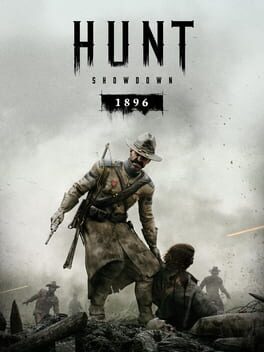
Hunt: Showdown 1896 2019
Hunt: Showdown is the closest extraction PvPvE shooter to Tarkov — you bring gear into a match, hunt AI bosses, and must extract while real players hunt you. Losing your hunter is permanent.
Key difference: Western Gothic setting; smaller-scale squads and less inventory depth.
Best for: Tarkov fans who want the extraction-risk loop with a faster session.
Skip if: You need full mil-sim realism or deep trader economy.
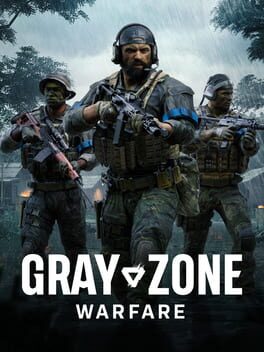
Gray Zone Warfare is a direct Tarkov alternative — extraction-based mil-sim with faction quests, detailed ballistics, inventory management, and PvPvE open-zone raids.
Key difference: Still in early access; less content depth than Tarkov currently.
Best for: Tarkov fans wanting a fresh extraction shooter with modern gunfeel.
Skip if: You need a polished, fully shipped experience.
DayZ pioneered the loot-scavenge-survive loop that Tarkov refined — massive open servers, persistent gear loss on death, PvPvE tension, and every encounter potentially fatal.
Key difference: Open persistent world instead of instanced raids; slower paced.
Best for: Tarkov players who want a seamless survival world without raid timers.
Skip if: You want structured objectives and faster session loops.
Rust shares Tarkov's core anxiety: you build up gear over time and risk losing it all to other players. Scavenging, crafting, and PvP coexist in a brutal open sandbox.
Key difference: Base-building survival sandbox; less mil-sim, more crafting focus.
Best for: Players who want persistent gear stakes in a social open world.
Skip if: You want instanced raids, realistic ballistics, or story quests.
PUBG shares the looting-under-fire tension and the fear of losing everything mid-match. Both demand patience, map knowledge, and precise gunplay where one mistake ends your run.
Key difference: No persistent inventory loss; each match resets your gear.
Best for: Players who want the tense loot-and-shoot loop with lower stakes.
Skip if: You need persistent progression and complex inventory.
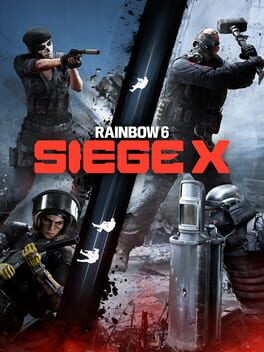
Rainbow Six Siege mirrors Tarkov's slow, information-driven breach gameplay — one bullet can kill and angles matter enormously. The tactical room-clearing feel is the closest console-friendly parallel.
Key difference: Competitive PvP only; no loot economy or PvE raid layer.
Best for: Fans of Tarkov's precision gunfights and team communication.
Skip if: You want survival, looting, or RPG progression.
The Division 2 marries tactical cover shooting with deep loot management, dark zone PvPvE extraction areas, and military progression — echoing several Tarkov pillars in a more accessible package.
Key difference: Third-person looter-shooter with RPG stat scaling; less hardcore.
Best for: Tarkov fans who want loot tension and squad play with lighter entry.
Skip if: You need first-person realism and permanent gear loss.
Metro 2033 captures Tarkov's atmosphere of scarce ammo, punishing damage, and desperate survival in hostile military environments. Bullets-as-currency and stealth or aggression choices echo Tarkov's decision pressure.
Key difference: Linear single-player campaign; no player-versus-player threat.
Best for: Solo players who love Tarkov's grim atmosphere and resource tension.
Skip if: You exclusively want multiplayer or extraction mechanics.
Metro: Last Light refines the same survival-shooter formula — scavenging, oppressive atmosphere, and punishing combat in tight corridors that reward careful resource management.
Key difference: Story-driven and single-player; no gear-loss risk on death.
Best for: Tarkov fans between sessions who want a solo narrative hit.
Skip if: You need open maps and online PvP tension.
CS:GO shares the economy meta, team tactics, and ultra-high-stakes gunfights where buying gear and losing it stings. The on-round economy system is a spiritual cousin to Tarkov's traders.
Key difference: Structured competitive rounds; no inventory persistence or looting.
Best for: Tarkov players wanting the purest competitive gunplay loop.
Skip if: You want loot-driven progression or survival RPG depth.
MGS V shares Tarkov's open military sandbox ethos — planning infiltrations, using real-time intel, and extracting resources from hostile zones. Its freeform approach to mission design rewards the same adaptive mindset.
Key difference: Stealth-action over PvPvE; no permadeath gear loss.
Best for: Players who love Tarkov's preparation and tactical improvisation.
Skip if: You want FPS realism and human opponents.
Snake Eater puts survival and resource management front and center — treating wounds, scavenging food, and adapting to environments under constant threat mirrors Tarkov's care-for-your-character loop.
Key difference: Single-player stealth campaign set in jungle; not a shooter sim.
Best for: Tarkov fans who appreciate the survival and planning layer.
Skip if: You need first-person perspective or online tension.
Deus Ex: Human Revolution blends tactical FPS with RPG progression and branching decisions — like Tarkov's skill-building and situational judgment. Choosing when to fight, sneak, or retreat feels familiar.
Key difference: Cyberpunk narrative RPG; no multiplayer or gear-loss risk.
Best for: Tarkov fans drawn to the RPG character-building side.
Skip if: You only care about realistic gunplay and extraction mechanics.
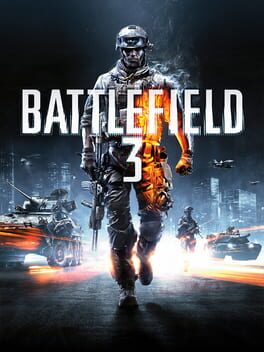
Battlefield 3 delivers large-scale military combat with realistic weapon handling, squad coordination, and suppression mechanics that overlap with Tarkov's warfare feel.
Key difference: Arcade respawn loops; no persistent economy or loot scarcity.
Best for: Players who want military scale without Tarkov's punishing risk.
Battlefield 4 adds a broader combined-arms sandbox and improved gunplay fidelity, making it the next step if you want Tarkov's military aesthetics in a more accessible package.
Key difference: Fast respawn multiplayer; far less punishing than Tarkov.
Best for: Casual Tarkov-adjacent fans who want teamwork and realism lite.
Skip if: You require consequence-driven gear economy.
Crysis puts you in an open military environment where tactical decision-making, equipment management, and adapting to hostile enemies under realistic physics feel adjacent to Tarkov's sandbox ethos.
Key difference: Single-player sci-fi power fantasy; no inventory loss or online threat.
Best for: Solo players wanting open-world tactical FPS exploration.
Skip if: You need the PvPvE tension or persistent loot consequences.
Fallout 4 shares Tarkov's deep inventory management, weapon modification system, and scavenging loop in a post-apocalyptic shooter-RPG frame. Crafting ammo and maintaining gear feel recognizable.
Key difference: Open-world story RPG; no online opponents or extraction pressure.
Best for: Tarkov fans who want to scratch the looting and weapon-mod itch solo.
Skip if: You need the tension of losing real gear to real players.
F.E.A.R. delivers hyper-precise, brutal FPS combat where enemies react tactically and one firefight can go catastrophically wrong — a tonal cousin to Tarkov's lethality and suppression pressure.
Key difference: Horror-action corridor shooter; single-player with supernatural elements.
Best for: Tarkov vets who want ruthlessly smart AI gunfights.
Skip if: You need looting, extraction, or multiplayer.
Left 4 Dead demands co-op communication, ammo management, and reading hostile encounters — small echoes of Tarkov's cooperative raid dynamic in a more accessible horror setting.
Key difference: Arcade co-op horror; no loot economy or PvE-scarcity tension.
Best for: Tarkov squad players wanting a lighter co-op survival experience.
Skip if: You want realistic ballistics or persistent progression.
Spec Ops: The Line is a military third-person shooter where decisions carry weight and warfare is shown as grim and costly — sharing Tarkov's unflinching portrayal of conflict.
Key difference: Narrative linear TPS; no open-world or multiplayer component.
Best for: Fans of Tarkov's dark military tone who want a story.
Skip if: You need mechanics over narrative, or first-person play.
Western Gothic setting; smaller-scale squads and less inventory depth.
Xbox, PlayStation, PC
Gray Zone Warfare
82%
Shooter, Simulator
Still in early access; less content depth than Tarkov currently.
PC
DayZ
80%
Shooter, Role-playing (RPG)
Open persistent world instead of instanced raids; slower paced.
Xbox, PlayStation, Nintendo, PC
Rust
72%
Shooter, Action
Base-building survival sandbox; less mil-sim, more crafting focus.
PC
PUBG: Battlegrounds
68%
Shooter, Action
No persistent inventory loss; each match resets your gear.
Xbox, PlayStation, PC
Rainbow Six Siege
65%
Shooter, Tactical
Competitive PvP only; no loot economy or PvE raid layer.
Xbox, PlayStation, PC
Tom Clancy's The Division 2
65%
Shooter, Role-playing (RPG)
Third-person looter-shooter with RPG stat scaling; less hardcore.
Xbox, PlayStation, PC
Metro 2033
60%
Shooter, Role-playing (RPG)
Linear single-player campaign; no player-versus-player threat.
PC, Xbox
Metro: Last Light
58%
Shooter, Action
Story-driven and single-player; no gear-loss risk on death.
PlayStation, PC, Nintendo, Xbox
Counter-Strike: Global Offensive
57%
Shooter, Tactical
Structured competitive rounds; no inventory persistence or looting.
PlayStation, PC, Xbox
Metal Gear Solid V: The Phantom Pain
55%
Shooter, Tactical
Stealth-action over PvPvE; no permadeath gear loss.
PlayStation, PC, Xbox
Metal Gear Solid 3: Snake Eater
52%
Shooter, Tactical
Single-player stealth campaign set in jungle; not a shooter sim.
PlayStation
Deus Ex: Human Revolution
50%
Shooter, Role-playing (RPG)
Cyberpunk narrative RPG; no multiplayer or gear-loss risk.
PlayStation, PC, Xbox
Battlefield 3
48%
Shooter, Action
Arcade respawn loops; no persistent economy or loot scarcity.
PlayStation, PC, Xbox
Battlefield 4
47%
Shooter, Simulator
Fast respawn multiplayer; far less punishing than Tarkov.
PlayStation, PC, Xbox
What makes a game genuinely feel like Escape from Tarkov?
The defining traits are: instanced sessions with gear-loss on death, a scarcity economy driven by looting, and enemies (AI and human) sharing the same map without clear rules of engagement. Of the candidates here, PUBG: Battlegrounds gets closest in terms of the looting-under-fire pressure and the fear of losing your run, while Rainbow Six Siege captures the precise, one-shot lethality and intelligence-driven breaching that defines Tarkov's gunfights. Neither replicates the full loop, which is why Hunt: Showdown and DayZ (listed in additional) are the canonical answers most lists reach for.
Beyond pure mechanics, atmosphere matters: Metro 2033 and Metro: Last Light nail Tarkov's grim, resource-starved tension in a single-player frame, making them the best offline substitutes for players who want that oppressive scarcity without logging on.
Best tactical-milsim alternatives for Tarkov fans
Metal Gear Solid V: The Phantom Pain shares Tarkov's sandbox military philosophy — planning insertions, adapting to dynamic threats, and managing a resource economy — even if the tone skews narrative. For pure gunfight tactility, Counter-Strike: Global Offensive distills the high-stakes economy meta (buy gear, lose it when you die, adapt) into the cleanest competitive form available. And Deus Ex: Human Revolution scratches the RPG progression and situational problem-solving Tarkov players enjoy between firefights.
If you want an open-world military sandbox, Metal Gear Solid 3: Snake Eater is a hidden classic that emphasizes survival, wound management, and tactical patience — themes Tarkov players will recognise immediately even if the setting is radically different.
If you want Tarkov's loot-management loop without the online stress
Fallout 4 is the best offline replacement for players hooked on Tarkov's weapon modification and scavenging systems — its workbench crafting and layered inventory management scratches the same obsessive itch in a pressure-free solo environment. Metro 2033 goes a step further by making ammo scarce enough that every engagement requires the same pre-fight calculation Tarkov demands: do I have enough rounds, the right caliber, and an exit plan?
For those who want the survival angle over the shooter angle, Rust (in additional) transplants gear anxiety and permanent loss into an open-world crafting sandbox where player interaction is just as lethal and unpredictable as a Tarkov factory raid.
Hunt: Showdown is the closest widely available alternative — it is a PvPvE extraction shooter where you risk real gear, face AI and human opponents simultaneously, and must plan a safe exit route. Gray Zone Warfare is an even more direct clone currently in early access.
Is there a Tarkov-like game that is easier to get into?
PUBG: Battlegrounds offers a similar loot-under-fire tension and gunfight lethality but resets your gear each match, removing the brutal permanent loss. The Division 2 adds looter-shooter depth with a similar dark-zone extraction mechanic in a more forgiving third-person format.
Are there any single-player games like Escape from Tarkov?
Metro 2033 and Metro: Last Light are the best single-player alternatives — both enforce scarcity, punishing damage, and resource management in a grim military atmosphere. Fallout 4 covers the inventory and weapon-modding compulsion in an open-world RPG shell.
What games have the same extraction mechanic as Tarkov?
Hunt: Showdown, Gray Zone Warfare, and Arena Breakout: Infinite are the primary extraction shooters with gear-loss stakes. DayZ pioneered the open-world version of the same loop where death is permanent and every scavenged item has real value.
Is Rainbow Six Siege similar to Escape from Tarkov?
They share the tactical, information-first approach to gunfights and the idea that one bullet can end everything. However, Siege is a structured competitive PvP game with round resets and no loot economy, so the sessions feel very different even if the gunfight tension is familiar.
 85%
85%