PUBG: Battlegrounds hooked millions with a deceptively simple premise: 100 players parachute onto a large military map, scavenge real-feeling weapons and gear from empty buildings, and outlast everyone else as a poisonous zone steadily shrinks the playable area. The tension comes from the combination of permadeath stakes, realistic ballistics that reward patience and positioning, and the total unpredictability of 99 human opponents.
When fans look for games like PUBG, they're really chasing a specific cocktail: the last-person-standing thrill of battle royale, methodical loot-and-survive gameplay, military-grounded gunplay where a single shot matters, and multiplayer pressure that no AI opponent can replicate. The best alternatives either match that format directly or scratch a specific piece of that itch — tactical gunplay, open-map survival, or large-scale military chaos.
Top pick:Fortnite is the single closest match if you want the pure battle royale experience — same 100-player drop, same shrinking zone, same loot-everything loop — and it's free to play, making it the obvious first stop after PUBG; if you'd rather have a game that takes the military realism even further, Escape from Tarkov (in the additional list) delivers PUBG's tactical DNA at brutal, punishing maximum intensity.
Some store buttons are affiliate links — we may earn a commission at no extra cost to you.
Fortnite is the closest direct rival to PUBG, dropping 100 players onto a shrinking-circle map with the same loot-and-survive loop. The main distinction is its building mechanic and cartoonish aesthetic.
Key difference: Adds real-time structure-building as a combat tool.
Best for: Players who want faster pace and free-to-play access.
Skip if: You prefer military realism over cartoon aesthetics.
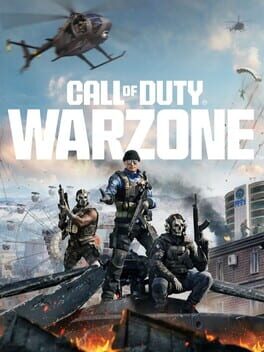
Warzone is a direct battle royale in the Call of Duty universe — 150 players, realistic military weapons looted from the map, a shrinking gas zone, and a Gulag revival mechanic as its key twist on the PUBG formula.
Apex Legends is a polished squad-based battle royale with a shrinking ring and loot-from-the-ground progression identical to PUBG's core loop. Hero abilities add a tactical layer without overshadowing gunplay.
Key difference: Hero abilities and faster TTK make gunfights feel more arcade.
Best for: PUBG fans wanting slicker movement and strong teamplay mechanics.
Skip if: You dislike hero-shooter asymmetry in your battle royale.
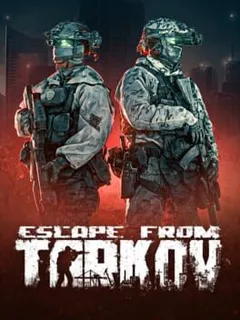
Escape from Tarkov takes PUBG's methodical gunplay and loot-to-survive structure to an extreme — hyper-realistic ballistics, gear loss on death, and map knowledge determining survival above all else.
Key difference: Permanent gear loss and hardcore realism far exceed PUBG's stakes.
Best for: PUBG veterans craving maximum tactical depth and brutal consequences.
Skip if: You want casual entry-level battle royale without punishing loot loss.
DayZ is the spiritual grandparent of PUBG — a brutal open-world survival shooter where looting, player encounters, and permadeath define every session on a massive map full of threat.
Key difference: No shrinking zone; zombie PvE compounds pure PvP tension.
Best for: PUBG players who want a slower, more atmospheric survival sandbox.
Skip if: You want structured matches with clear win conditions.
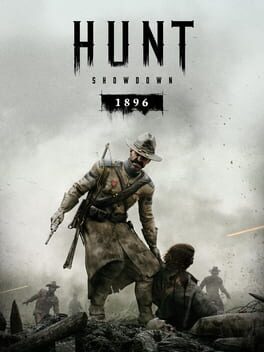
Hunt: Showdown combines battle royale extraction with monster-hunting PvE — teams loot the bayou, fight AI creatures, then extract while other player-teams try to steal the bounty, creating layered tension identical to PUBG's final circles.
CS:GO shares PUBG's tight, methodical gunplay economy — every bullet counts, positioning is everything, and tactical callouts win rounds. No respawns per round mirrors the tension of a PUBG circle.
Key difference: 5v5 rounds on small maps instead of 100-player open-world survival.
Best for: PUBG players who love the clutch, one-life tension.
Skip if: You need open-world looting and large map exploration.
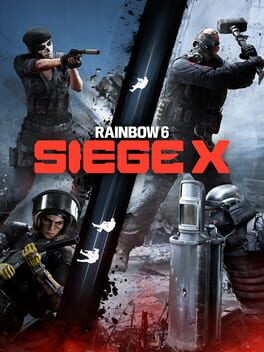
Rainbow Six Siege's slow-breach, one-life-per-round structure rewards the same patient positioning and map-awareness that separates PUBG veterans from newcomers. Destruction mechanics add a tactical dimension.
Key difference: Close-quarters building maps instead of sprawling outdoor arenas.
Best for: PUBG fans who want maximum tactical, communication-based gameplay.
Skip if: You hate a steep meta and operator unlock grind.
Battlefield 4 delivers large-scale military combat across wide maps with realistic weapons — the same military sandbox feel as PUBG but with objectives and respawns. Vehicle warfare is a highlight.
Key difference: Respawns, objectives, and squads replace last-man-standing.
Best for: PUBG players craving combined-arms military warfare.
Skip if: You only care about the battle royale elimination format.
Battlefield 1 brings the same enormous-map, infantry-and-vehicle military shooter feel in a World War I setting. Bolt-action rifles and deliberate pacing will feel natural to PUBG veterans.
Key difference: Historical WWI setting; team objectives rather than solo survival.
Best for: Players who love PUBG's bolt-action rifle duels on wide-open terrain.
Skip if: You want modern military weapons and solo play.
Modern Warfare 2 features military gunplay with realistic weapon handling and iconic multiplayer modes. The map control and pre-firing habits that win in PUBG transfer directly here.
Key difference: Small-map team deathmatch replaces open-world survival looting.
Best for: PUBG fans who want fast, structured multiplayer combat sessions.
Skip if: You need the tension of permadeath and slow resource gathering.
Black Ops combines military-realistic gunplay with high-tension multiplayer modes and a zombie survival horde mode that scratches the survival instinct PUBG fosters.
Key difference: No shrinking zone; respawns dominate most modes.
Best for: PUBG players who enjoy Zombies-style cooperative survival too.
Titanfall 2 offers some of the tightest gunplay mechanics in any shooter, with creative map traversal and excellent weapon feel that rewards the same muscle memory PUBG builds.
Key difference: Fast wall-running movement and giant mechs change pacing entirely.
Best for: PUBG gunplay fans wanting a polished single-player campaign too.
Skip if: You want grounded, realistic military pacing over agile mobility.
Crysis takes open-world tactical shooting seriously — you choose how to engage large enemy areas in a wide map, looting resources and deciding between stealth or aggression just like PUBG's mid-game.
Key difference: Nanosuit powers and single-player campaign replace multiplayer survival.
Best for: PUBG fans wanting solo tactical open-world shooter immersion.
Skip if: You only care about competitive multiplayer elimination.
Far Cry 3 drops you on a large open island where you scavenge weapons, make tactical decisions about how to approach enemy-held areas, and survive against overwhelming odds — a solo echo of PUBG's island loot loop.
Key difference: Story-driven single-player with respawns; no shrinking zone.
Best for: PUBG players who want that isolated-island tension in a solo game.
Skip if: You need competitive multiplayer pressure to stay engaged.
MGSV's open-world Afghanistan and Africa maps demand the same deliberate approach to engagements, weapon selection, and positional awareness as PUBG, with optional FOB multiplayer invasion.
Key difference: Stealth-focused with story missions rather than pure PvP survival.
Best for: PUBG players who love tactical planning and weapon customization depth.
Skip if: You want pure PvP without stealth-game complexity.
Dying Light's open-world survival loop — scavenge gear, manage resources, face a world that wants to kill you — replicates PUBG's tension of never feeling fully safe while exploring a hostile open map.
Key difference: Parkour movement and zombie PvE rather than PvP gunfights.
Best for: PUBG players craving survival tension in a co-op open world.
Skip if: You want human opponents and gunplay over melee zombie survival.
Metro Exodus is a first-person survival shooter across sprawling post-apocalyptic open levels where resource scarcity and methodical gunplay mirror PUBG's tension of making every bullet count.
Key difference: Linear story campaign; no multiplayer or battle royale.
Best for: Solo players wanting PUBG's resource tension in a rich narrative.
Skip if: You want competitive multiplayer, not story-driven immersion.
Days Gone's open-world survival puts you in a hostile landscape where resource management, weapon looting, and smart enemy avoidance match PUBG's survival mindset on a large map.
Key difference: Third-person story game with zombie hordes, not PvP.
Best for: PUBG solo fans who want that survivalist feel with a narrative.
Skip if: You want competitive human-vs-human gameplay.
Overwatch's 6v6 team-based shooter format rewards sharp aim and team coordination, both skills that matter deeply in PUBG squads. Hero abilities swap for PUBG's gear scavenging.
Key difference: Hero abilities and small-map team objectives; no survival looting.
Best for: PUBG squad players who want fast, role-based multiplayer.
Skip if: You want realistic military aesthetics and survival mechanics.
Team Fortress 2 is a class-based multiplayer shooter whose team communication and positional play echo what wins PUBG squad matches. It's the free-to-play pick for shooter fundamentals.
Key difference: Cartoon classes and small-scale team modes; no battle royale.
Best for: Players learning team-based shooter fundamentals on a budget.
Skip if: You need realistic weapons and survival tension.
Halo 3's multiplayer delivers that same addictive one-more-game quality as PUBG with careful map control, weapon pickups from the ground, and clutch firefights decided by positioning.
Key difference: Sci-fi arena shooter with respawns and small symmetric maps.
Best for: PUBG fans who love weapon-pickup gameplay in a polished package.
Skip if: You need realistic military tone and open-world scale.
Destiny 2 is a looter shooter where weapons dropped from the environment define your power — a familiar loop to PUBG players — though in a sci-fi RPG structure with cooperative raids.
Key difference: PvE cooperative focus and RPG progression replace pure PvP survival.
Best for: PUBG loot-loop fans wanting long-term character progression.
Skip if: You want pure competitive PvP without PvE grind.
Star Wars Battlefront II offers large-scale multiplayer battles across recognizable sci-fi settings, capturing PUBG's team-scale chaos if not its survival loop.
Key difference: Star Wars sci-fi skin with hero units; no looting or survival.
Best for: PUBG large-map-battle fans who are also Star Wars devotees.
Skip if: You need grounded military realism and permadeath stakes.
5v5 rounds on small maps instead of 100-player open-world survival.
PlayStation, PC, Xbox
Rainbow Six Siege
75%
Shooter, Action
Close-quarters building maps instead of sprawling outdoor arenas.
Xbox, PlayStation, PC
Battlefield 4
72%
Shooter, Action
Respawns, objectives, and squads replace last-man-standing.
PlayStation, PC, Xbox
Battlefield 1
70%
Shooter, Action
Historical WWI setting; team objectives rather than solo survival.
PlayStation, PC, Xbox
Call of Duty: Modern Warfare 2
68%
Shooter, Action
Small-map team deathmatch replaces open-world survival looting.
PlayStation, PC, Xbox
Call of Duty: Black Ops
66%
Shooter, Action
No shrinking zone; respawns dominate most modes.
PlayStation, PC, Xbox
Titanfall 2
65%
Shooter, Action
Fast wall-running movement and giant mechs change pacing entirely.
PlayStation, PC, Xbox
Crysis
63%
Shooter, Action
Nanosuit powers and single-player campaign replace multiplayer survival.
PlayStation, PC, Xbox
Far Cry 3
62%
Shooter, Action
Story-driven single-player with respawns; no shrinking zone.
PlayStation, PC, Xbox
What Makes a Game Feel Like PUBG?
Three things define the PUBG feel: permadeath stakes (every death is final, so every decision matters), environmental looting (you arrive with nothing and build power from what you find), and patient, positional gunplay where a player who holds a ridge wins over one who rushes. Games like Apex Legends and Fortnite nail the first two completely; Counter-Strike: GO and Rainbow Six Siege nail the third in a more structured format.
The secondary feel of PUBG — a vast military landscape that makes you feel small and exposed — is best captured by Battlefield 4's sprawling conquest maps and Escape from Tarkov's oppressively realistic raid zones. If you need that exposed, anything-can-happen tension above all else, those are your best bets outside the battle royale genre itself.
Best Picks for Solo vs. Squad PUBG Fans
Squad PUBG players — where communication, role assignment, and reviving teammates determine victory — will feel most at home in Rainbow Six Siege (tight four-person team tactics), Apex Legends (built around trio synergy), and Battlefield 4 (large squad combined-arms play). All three reward exactly the verbal callout culture that separates a winning PUBG squad from a losing one.
Solo PUBG players who love the isolation and self-reliance will find their fix in Escape from Tarkov (solo raids are terrifying and rewarding), Far Cry 3 (solo survival on a hostile island), and Metro Exodus (resource scarcity and methodical shooting in a single-player open world). Hunt: Showdown splits the difference, offering small-squad play where solo infiltration is a legitimate and nerve-wracking strategy.
If You Love PUBG's Realistic Military Gunplay Specifically
PUBG's gunplay — bullet drop, realistic recoil patterns, attachment-dependent handling — is closest in spirit to Escape from Tarkov and Hunt: Showdown (both in the additional list), which treat firearms with equal or greater mechanical depth. Within the candidate pool, Counter-Strike: GO demands the same spray-control mastery, and Titanfall 2 has some of the most refined gun-feel of any shooter despite its faster movement.
For players who love PUBG's weapon variety and attachment system, Battlefield 4 offers an extensive military arsenal with unlockable attachments across large combined-arms maps. Crysis is a sleeper pick here — its open-map tactical shooting and weapon customization feel surprisingly close to PUBG's solo scavenger fantasy, just without the multiplayer.
Fortnite is more structurally similar — same 100-player count, same looting loop, same shrinking zone — but Apex Legends is closer in tone and seriousness. PUBG veterans often prefer Apex for its grounded gunplay and lack of building mechanics, while Fortnite's construction adds a skill layer that divides opinion.
Are there games like PUBG with a stronger survival focus?
Yes. DayZ is the closest in survival depth — no match timer, permadeath with persistent loot loss, and a massive open world. Escape from Tarkov pushes the tactical survival angle even harder with realistic ballistics and permanent gear loss on death. Both demand far more patience than PUBG.
What's a good game like PUBG for players who prefer single-player?
Far Cry 3 is the best fit — large open island, weapon looting, and survival in a hostile world. Metro Exodus captures the methodical resource management and weight of every bullet that PUBG players appreciate. Days Gone adds zombie-horde pressure to the open-world survival formula.
What games have similar tactical multiplayer tension to PUBG without the battle royale format?
Counter-Strike: Global Offensive and Rainbow Six Siege are the strongest answers — both feature one-life-per-round formats where a single mistake ends your run, the same nail-biting quality that makes PUBG's final circles so compelling. Teamwork and communication determine outcomes in all three games.
What came before PUBG that inspired it?
DayZ (the Arma 2 mod and standalone game) is PUBG's direct ancestor, creating the looting-survival-PvP template. The Hunger Games-style 'last player wins' format was popularized in a PUBG-style way by the Arma 3 mod 'Battle Royale,' made by PUBG's own creator Brendan Greene before he developed PUBG.
 97%
97%