Harvest Moon (1996) created the farming-sim genre's blueprint: you inherit a neglected ranch, and through daily tending of crops, care of livestock, and building friendships (and eventually romance) with a small-town cast, you slowly transform it into a thriving homestead. The pleasure is in the ritual — waking up, watering fields, feeding animals, chatting with neighbours, and watching the seasons dictate what's possible.
When players search for games like Harvest Moon, they want that same meditative daily loop: a living seasonal world, a community of characters who remember you, something to nurture and grow, and the gentle satisfaction of a farm (or life) well managed. Pure action games with a "sandbox" tag don't scratch that itch — what matters is the cosy, routine-driven life simulation at Harvest Moon's heart.
Top pick:Stardew Valley is the single closest match in existence — built by one developer explicitly inspired by Harvest Moon, it replicates every key system (crops, livestock, seasonal festivals, NPC friendships and marriage, farm restoration) while adding enough new content to feel fresh, making it the unanimous first recommendation for any Harvest Moon fan.
Some store buttons are affiliate links — we may earn a commission at no extra cost to you.
Stardew Valley is the clearest spiritual successor to Harvest Moon, featuring the same crop-planting and livestock-raising loop, seasonal cycles, NPC relationship building (including marriage), and a run-down farm to restore. It preserves every core ritual of the original while expanding almost every system.
Key difference: Much deeper content: mining dungeon, combat, and multiplayer co-op.
Best for: Anyone who wants Harvest Moon with more to do long-term.
Skip if: You want the pure, simple 1990s SNES pacing with no combat.
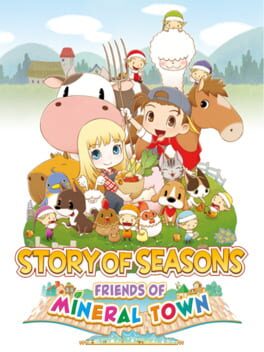
The direct remake of Harvest Moon: Friends of Mineral Town by the original creators, featuring the same crop cycles, livestock care, town festivals, and marriage system that define the series.
Key difference: A remake/remaster; nearly identical to original Harvest Moon, just modernised.
Best for: Anyone wanting the authentic Harvest Moon experience on modern hardware.
Skip if: You want something genuinely new rather than the classic formula refreshed.
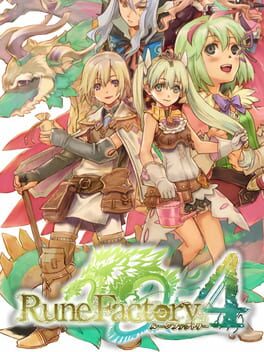
Rune Factory 4 blends Harvest Moon's crop-planting and monster-taming farm loop with a full action-RPG dungeon system, making it the most content-rich entry in the Harvest Moon family tree.
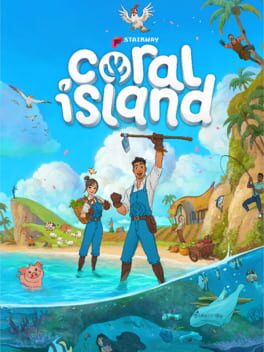
A Harvest Moon-style farming sim with the exact same formula — inherited farm, crop seasons, livestock, NPC friendships and romance, town festivals — set on a tropical island with environmental conservation quests added.
Key difference: Adds underwater exploration and reef-restoration missions.
Best for: Stardew Valley fans wanting a newer, more diverse cast and tropical setting.
Skip if: You prefer the original's simple, streamlined SNES-era scope.
Animal Crossing: New Horizons shares Harvest Moon's relaxed real-time seasonal rhythm, daily chores (watering, fishing, gathering), and community of NPC villagers to befriend. The pastoral, low-stakes sandbox loop is nearly identical in feel, just without crops or livestock.
Key difference: No farming or crop mechanics; focus is on decoration and collecting.
Best for: Players who love the social and seasonal vibe over farm management.
Skip if: You specifically want planting, harvesting, and animal husbandry.
A 3D crafting and farming sim where you rebuild your late father's workshop, befriend townsfolk, raise crops, and fulfil community commissions — sharing Harvest Moon's 'restore a neglected plot' premise almost beat for beat.
Key difference: Crafting and building are the primary loop, not just farming.
Best for: Harvest Moon fans who want a 3D open world and construction emphasis.
Skip if: You dislike crafting progression gates or slower early-game pacing.
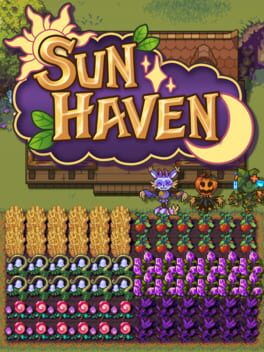
A pixel-art fantasy farming RPG with multiple romance options, crop seasons, livestock, and even magic and combat dungeons — covering nearly the full Harvest Moon feature set with an anime-influenced art style.
Key difference: Larger RPG world with magic, classes, and multiplayer co-op farming.
Best for: Players who want Harvest Moon's core loop in a bigger, more varied world.
Skip if: You want minimalist, focused farm management without RPG bloat.
You manage a ranch on an alien planet, corralling cute creatures, farming resources, and upgrading your homestead in a cheerful daily loop that captures Harvest Moon's animal-husbandry satisfaction with a sci-fi twist.
Key difference: First-person 3D; alien setting with no crop farming or NPCs to befriend.
Best for: Players who love the livestock-care loop in a relaxed, whimsical package.
Skip if: You need a community of characters to build relationships with.
The Sims 3 shares Harvest Moon's life-simulation core — managing daily routines, building relationships, earning money through hobbies, and progressing through life goals in a cozy sandbox world. The farming expansion (Ambitions/Seasons) pushes it even closer.
Key difference: Human life sim with no farming focus by default; no seasons or crops.
Best for: Those drawn to Harvest Moon's relationship and social-life layer.
Skip if: You want a farming/nature setting, not suburban house life.
The Sims 2 established deep life-simulation mechanics — want/fear systems, generational family play, NPC social bonds — that echo Harvest Moon's satisfying routine-building loop on a domestic scale.
Key difference: Urban/suburban life sim with no farm, crops, or livestock.
Best for: Players who love Harvest Moon's character-growth and social goals.
Skip if: You need an outdoor, farming or nature-based setting.
Minecraft's sandbox survival mode includes crop farming, animal breeding, and a freeform daily work loop that echoes Harvest Moon's 'tend your land' satisfaction. The pastoral 'starter farm' phase especially resonates.
Key difference: Open-ended survival/creative sandbox; no story, NPCs, or seasons without mods.
Best for: Players who want Harvest Moon's farming but with full creative freedom.
Skip if: You want structured goals, characters to befriend, or a marriage system.
Persona 4 Golden shares Harvest Moon's time-management loop and seasonal structure — each in-game day must be allocated between building relationships (social links), improving skills, and tending responsibilities. The small-town community feel is strikingly similar.
Key difference: Primarily a JRPG with dungeon combat; farming absent entirely.
Best for: Harvest Moon fans who want a deeper story and character-focused experience.
Skip if: You want farming and nature over dungeons and turn-based battles.
Fable III includes light farm and property management elements alongside NPC relationship-building and a kingdom to nurture — touching some of Harvest Moon's 'tend your community' appeal, though it's primarily an action RPG.
Key difference: Action RPG with combat focus; farming is a tiny side element.
Best for: Players who like Harvest Moon's community and property themes plus action.
Skip if: You want crop/livestock simulation at the center of gameplay.
PCXbox
At a glance
Game
Match
Shared DNA
Biggest difference
Platforms
Stardew Valley
98%
Role-playing (RPG), Simulator
Much deeper content: mining dungeon, combat, and multiplayer co-op.
PlayStation, PC, Nintendo, Mobile, Xbox
Story of Seasons: Friends of Mineral Town
97%
Role-playing (RPG), Simulator
A remake/remaster; nearly identical to original Harvest Moon, just modernised.
Xbox, PlayStation, PC, Nintendo
Rune Factory 4
85%
Role-playing (RPG), Simulator
Adds real-time combat dungeons and monster companions alongside farming.
Nintendo
Coral Island
82%
Role-playing (RPG), Simulator
Adds underwater exploration and reef-restoration missions.
Xbox, PC, PlayStation
Animal Crossing: New Horizons
79%
Simulator, Sandbox
No farming or crop mechanics; focus is on decoration and collecting.
Nintendo
My Time at Portia
78%
Role-playing (RPG), Simulator
Crafting and building are the primary loop, not just farming.
PlayStation, Mobile, PC, Xbox, Nintendo
Sun Haven
75%
Role-playing (RPG), Simulator
Larger RPG world with magic, classes, and multiplayer co-op farming.
PC, Nintendo
Slime Rancher
68%
Simulator, Strategy
First-person 3D; alien setting with no crop farming or NPCs to befriend.
PlayStation, PC, Xbox
The Sims 3
48%
Role-playing (RPG), Simulator
Human life sim with no farming focus by default; no seasons or crops.
PC
The Sims 2
45%
Role-playing (RPG), Simulator
Urban/suburban life sim with no farm, crops, or livestock.
PC
Minecraft: Java Edition
38%
Simulator, Adventure
Open-ended survival/creative sandbox; no story, NPCs, or seasons without mods.
PC
Persona 4 Golden
38%
Role-playing (RPG), Adventure
Primarily a JRPG with dungeon combat; farming absent entirely.
PlayStation
Fable III
25%
Role-playing (RPG), Simulator
Action RPG with combat focus; farming is a tiny side element.
PC, Xbox
What makes a game feel like Harvest Moon?
The core DNA is a seasonal daily loop: limited in-game hours force you to prioritise between watering crops, feeding animals, mining, or visiting townsfolk — and the game rewards consistency over skill. Games like Stardew Valley and Coral Island (in the additional list) nail this completely. Remove the time pressure or the farm, and you lose the feel: Animal Crossing: New Horizons keeps the seasonal rhythm and NPC warmth but trades crops for furniture collecting, making it the best adjacent pick for those drawn to the social and exploratory side of Harvest Moon rather than pure farm management.
Relationship systems are the second pillar — Harvest Moon was one of the first games to let you court and marry NPCs through repeated small acts of kindness. Stardew Valley and Persona 4 Golden both deliver rich NPC bonds, though Persona wraps them in a full JRPG rather than a farm, making it a strong pick if the social simulation is your favourite part.
Best picks if you want farming without the SNES simplicity
The original Harvest Moon is deliberately minimal — small map, tight mechanics, short play sessions. If you want that same farming foundation with more depth, Stardew Valley adds crafting, a mine, and co-op without losing the pastoral soul. My Time at Portia (additional list) lifts the "restore a ruined property" premise into a full 3D world with crafting commissions and town-building, while Rune Factory 4 (additional list) layers action-RPG dungeons on top of the classic farm loop for players who want combat alongside their crops.
For a purely cosy, stress-free experience closest to Harvest Moon's tone, Animal Crossing: New Horizons from the candidate pool is the safest recommendation — no fail states, real-time seasonal events, and a warm community to nurture at your own pace.
Hidden gems fans of Harvest Moon shouldn't miss
Coral Island and Sun Haven (both in the additional list) are recent releases that fly under the radar compared to Stardew Valley but deliver the full Harvest Moon formula — seasonal crops, livestock, romance, and festivals — with fresh settings and diverse casts. Coral Island's tropical conservation angle and Sun Haven's fantasy magic system each add a distinct flavour without abandoning the core loop.
Slime Rancher (additional list) is the most creative left-field pick: replace livestock with alien slimes, replace crops with plorts, and the ranch-management satisfaction translates surprisingly well into a first-person 3D world, making it a genuine hidden gem for Harvest Moon fans who want something visually and mechanically unusual.
Is Stardew Valley basically the same as Harvest Moon?
Stardew Valley is the closest modern equivalent — it was directly inspired by Harvest Moon and replicates crops, livestock, NPC friendships, marriage, and seasonal festivals almost beat for beat, while adding mining, combat, and co-op on top of the classic formula.
What is the difference between Harvest Moon and Story of Seasons?
They are the same franchise split by a licensing dispute. The original Japanese series (Bokujo Monogatari) was published in the West as Harvest Moon by Natsume; after a split, the original developers' games are now published as Story of Seasons, while Natsume makes separate, unrelated games still called Harvest Moon.
Are there any Harvest Moon-style games with more action or combat?
Yes — Rune Factory 4 (and the Rune Factory series generally) is a direct Harvest Moon spin-off that adds real-time dungeon combat and monster taming alongside the full farming and romance systems. Sun Haven similarly combines farming with RPG classes and magic.
Is Animal Crossing like Harvest Moon?
They share the same cosy, seasonal, community-focused life-sim feel, and Animal Crossing: New Horizons is a great adjacent pick — but Animal Crossing has no crop farming or livestock. If the social and decorating side of Harvest Moon appeals most, it's excellent; if you specifically want to plant and harvest crops, stick with Stardew Valley.
What should I play if I want a 3D Harvest Moon experience?
My Time at Portia is the closest 3D equivalent, blending farming, crafting, and community-building in an open world. Story of Seasons: Pioneers of Olive Town and Stardew Valley (with mods) also offer 3D-style perspectives, while Coral Island delivers a polished modern take in 3D with a tropical island setting.
 98%
98%