Slime Rancher works because it wraps a satisfying resource-management loop — venture out, collect, return, upgrade — inside a first-person open world that's relentlessly cheerful and curious-feeling. The vacpack is just a tool; the real hook is the daily rhythm of tending your ranch, unlocking new areas, and discovering what each new slime type does to your operation.
When players ask for games like Slime Rancher, they usually want one (or more) of three things: a cozy farming/creature-management loop, a first-person sense of alien-world exploration and discovery, or a sandbox base that grows with your progress. The best picks below nail at least two of those pillars.
Top pick:Stardew Valley is the single closest match in spirit: it shares Slime Rancher's daily homestead rhythm, the satisfaction of reinvesting profits into upgrades, and the same low-stakes, 'just one more day' addictive pull — making it the go-to recommendation for any Slime Rancher fan who doesn't mind trading a vacpack for a watering can.
Some store buttons are affiliate links — we may earn a commission at no extra cost to you.
Stardew Valley shares Slime Rancher's core loop of tending a homestead, harvesting resources, and steadily upgrading your operation in a colorful, low-stress world. Both games revolve around the daily rhythm of collecting, planting, and reinvesting profits into a growing farm.
Key difference: 2D pixel art, turn-based day cycle, no first-person exploration.
Best for: Players who want deeper social/relationship systems with their farming.
Skip if: You need 3D open-world exploration to feel engaged.
No Man's Sky is a first-person sci-fi exploration and base-building game where you gather alien resources, catalog creatures, and expand your home base across procedurally generated planets — almost every pillar of Slime Rancher's design is present here at a larger scale.
Key difference: Massive survival/crafting scope; can feel overwhelming rather than cozy.
Best for: Slime Rancher fans who want endless alien worlds to explore and settle.
Skip if: You prefer a tight, focused map over near-infinite procedural planets.
Animal Crossing: New Horizons puts you in charge of a living island you populate, decorate, and fill with creatures, which mirrors Slime Rancher's feel of building a joyful home from scratch. The collecting, gifting, and daily-loop satisfaction are almost identical in spirit.
Key difference: No vacpack or shooting; very slow-paced real-time calendar.
Best for: Those who want maximum coziness and creative decoration freedom.
Skip if: You want active traversal and creature wrangling over passive island life.
My Time at Portia is an open-world simulation RPG where you rebuild a workshop, gather resources across an alien-feeling landscape, and befriend townsfolk — the same 'build your homestead in a strange new land' fantasy as Slime Rancher. It even features quirky creatures and a sci-fi-tinged setting.
Key difference: Third-person, heavy crafting/building focus, more RPG story content.
Best for: Players who want Stardew-style life sim with more exploration depth.
Skip if: You dislike time-gated stamina systems or town relationship grinding.
Subnautica puts you in a first-person survival world teeming with alien creatures to observe and resources to harvest, with a satisfying loop of venturing out and returning to upgrade your base — structurally very close to Slime Rancher's rhythm but underwater and tenser.
Key difference: Survival pressure, oxygen management, and darker creature encounters.
Best for: Players who want Slime Rancher's exploration loop with genuine danger.
Skip if: Thalassophobia or survival stress makes games unfun for you.
Palworld centers on collecting, breeding, and managing colorful creatures while building an open-world base — the creature-collection-plus-homestead fantasy is essentially Slime Rancher dialed up to a survival game. You even 'feed' and manage Pals on your ranch.
Key difference: Much darker survival tone, guns, and crafting grind.
Best for: Slime Rancher fans who want combat and multiplayer co-op added.
Skip if: You prefer a gentle, stress-free loop without survival pressure.
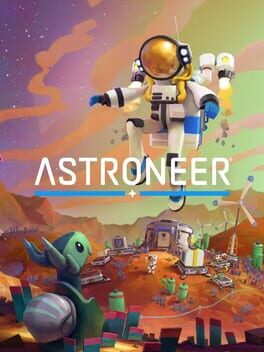
Astroneer is a colorful, chill first-person sci-fi game about terraforming alien planets, digging for resources with a terrain-deformation tool, and building a home base — the vacpack-plus-alien-world fantasy translated into a co-op-friendly experience.
Key difference: Terrain deformation and base automation replace creature collecting.
Best for: Slime Rancher fans who want co-op and planetary engineering.
Skip if: You need a creature-collecting hook to stay motivated long-term.
Minecraft's first-person resource-gathering, open-world exploration, and incremental base-building scratches the same itch as Slime Rancher's daily loop of venturing out and bringing resources home. Both reward curiosity and creative sandbox building.
Key difference: Total sandbox with no structured objectives or creature management.
Best for: Players who want maximum creative freedom and world exploration.
Skip if: You want a curated ranching/collecting loop rather than freeform building.
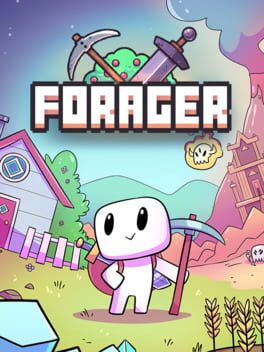
Forager is a top-down idle-exploration game where you harvest resources, build and automate a sprawling base, and unlock new biomes — the incremental 'gather, invest, expand' loop is almost identical to Slime Rancher's progression feel, just from a different perspective.
Key difference: Top-down 2D, idle automation focus, no creature ranching.
Best for: Players obsessed with Slime Rancher's 'number goes up' progression loop.
Skip if: You need 3D exploration and creature interaction for immersion.
Dave the Diver blends resource-gathering dives with a restaurant management sim, creating the same satisfying 'go out, collect, return, upgrade your operation' rhythm that defines Slime Rancher. Both games have a breezy charm and a tight daily loop that's hard to put down.
Key difference: 2D side-scrolling dive sections, restaurant focus rather than ranching.
Best for: Fans of the collect-then-manage loop who enjoy quirky humor.
Skip if: You want open-world traversal and creature interaction.
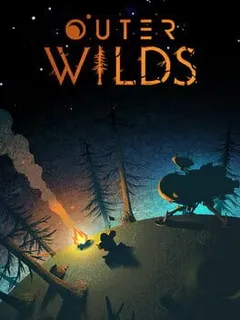
Outer Wilds is a first-person indie sci-fi exploration game where curiosity drives every session, matching Slime Rancher's sense of discovery on an alien frontier. Both reward venturing into unknown areas and piecing together a larger world.
Key difference: Pure exploration puzzle; no farming, collecting, or base building.
Best for: Players who loved Slime Rancher's sense of wonder more than its sim loop.
Skip if: You need a resource-management loop to feel rewarded for exploring.
A Short Hike is a tiny open-world indie where you explore an island at your own pace, chat with animal characters, and uncover small secrets — it captures Slime Rancher's warmth and 'just one more area' exploration pull in a compact package.
Key difference: Extremely short (1-2 hrs), no resource or creature management whatsoever.
Best for: Players who want pure cozy exploration with zero pressure.
Skip if: You need a long progression loop and base-building to stay invested.
Cult of the Lamb combines creature management, base building, and resource farming into a quirky loop that echoes Slime Rancher's homestead progression. You tend to followers like Slime Rancher tends slimes — feeding, housing, and upgrading them.
Key difference: Roguelite combat dungeons and dark cult theme contrast sharply.
Best for: Slime Rancher fans who want more mechanical depth and stakes.
Skip if: Ominous religious themes and action combat aren't your style.
A Hat in Time is a colorful, first-person-adjacent 3D platformer with a charming sci-fi-whimsy tone and an exploration-driven open world that feels spiritually close to Slime Rancher's light-hearted adventure. Collecting hat badges mirrors the progression of upgrading your vacpack.
Key difference: Pure 3D platformer; no sim loop, farming, or creature collecting.
Best for: Players who loved Slime Rancher's look and feel over its management.
Skip if: You need a resource/farming loop to keep you engaged.
Genshin Impact offers a vast colorful open world stuffed with collectibles, resources to harvest, and a daily progression loop, which partially scratches Slime Rancher's exploration and gathering itch. The art direction shares a similar bright, anime-inflected charm.
Key difference: Action RPG combat and gacha monetization dominate the experience.
Best for: Players who want Slime Rancher's open world scale with story content.
Skip if: Gacha systems or heavy combat requirements are dealbreakers.
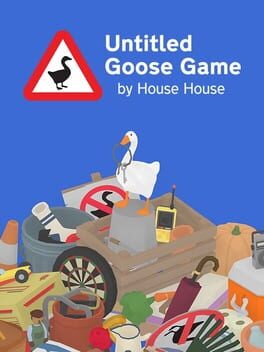
Untitled Goose Game is a cheerful indie sandbox with a light-hearted tone and a 'use a tool to interact with a colorful world' structure faintly echoing Slime Rancher's vacpack gameplay. Both are short, joyful, and built around simple interactions that make you grin.
Key difference: No progression, no building, no creature collecting — purely comedic mischief.
Best for: Players who want a short, funny palate cleanser between bigger games.
Skip if: You want a long sim loop or meaningful progression system.
2D pixel art, turn-based day cycle, no first-person exploration.
PlayStation, PC, Nintendo, Mobile, Xbox
No Man's Sky
85%
Shooter, Simulator
Massive survival/crafting scope; can feel overwhelming rather than cozy.
Xbox, PlayStation, Nintendo, PC
Animal Crossing: New Horizons
82%
Simulator, Open world
No vacpack or shooting; very slow-paced real-time calendar.
Nintendo
My Time at Portia
78%
Simulator, Adventure
Third-person, heavy crafting/building focus, more RPG story content.
PlayStation, Mobile, PC, Xbox, Nintendo
Subnautica
78%
Adventure, Indie
Survival pressure, oxygen management, and darker creature encounters.
Xbox, PlayStation, Nintendo, Mobile, PC
Palworld
72%
Shooter, Adventure
Much darker survival tone, guns, and crafting grind.
Xbox, PC, PlayStation
Astroneer
72%
Simulator, Adventure
Terrain deformation and base automation replace creature collecting.
PlayStation, PC, Xbox, Nintendo
Minecraft: Java Edition
67%
Simulator, Adventure
Total sandbox with no structured objectives or creature management.
PC
Forager
65%
Simulator, Strategy
Top-down 2D, idle automation focus, no creature ranching.
PlayStation, PC, Mobile, Xbox, Nintendo
Dave the Diver
63%
Simulator, Adventure
2D side-scrolling dive sections, restaurant focus rather than ranching.
Xbox, PlayStation, Nintendo, PC
Outer Wilds
56%
Simulator, Adventure
Pure exploration puzzle; no farming, collecting, or base building.
Xbox, PlayStation, PC, Nintendo
A Short Hike
54%
Adventure, Indie
Extremely short (1-2 hrs), no resource or creature management whatsoever.
PlayStation, PC, Xbox, Nintendo
Cult of the Lamb
52%
Simulator, Strategy
Roguelite combat dungeons and dark cult theme contrast sharply.
Xbox, PlayStation, PC, Nintendo
A Hat in Time
50%
Adventure, Indie
Pure 3D platformer; no sim loop, farming, or creature collecting.
Xbox, PlayStation, PC, Nintendo
Genshin Impact
45%
Adventure, Action
Action RPG combat and gacha monetization dominate the experience.
Xbox, PlayStation, Mobile, PC
What Makes a Game Feel Like Slime Rancher?
The defining loop is venture → collect → return → upgrade, wrapped in a world that rewards curiosity rather than punishing failure. Stardew Valley and Animal Crossing: New Horizons nail this rhythm most faithfully: both give you a home base that grows with your effort, daily tasks that feel meaningful, and a world full of little discoveries. The tone matters too — Slime Rancher's pastel sci-fi charm is hard to replicate, but My Time at Portia comes closest with its quirky post-apocalyptic world full of strange creatures and neighbors.
First-person perspective is rarer among cozy games, but No Man's Sky (in Additional) and Outer Wilds both scratch that 'alien frontier explorer' feel that makes Slime Rancher's traversal so distinctive. If the creature-collecting pillar matters most to you, Palworld leans hardest into that fantasy, letting you build an actual Pal ranch complete with feeding stations and automated labor.
Best Picks for the Creature-Collection Fantasy
If what you loved most about Slime Rancher was filling your ranch with different slime types and watching them interact, Palworld is the most direct heir — you capture, house, feed, and breed colorful creatures on a customizable base, and each species has unique traits that affect your farm's output. Cult of the Lamb takes a darker spin on the same idea: your 'followers' need feeding, housing, and managing just like slimes, and neglecting them has consequences.
My Time at Portia is the hidden gem here — its world is dotted with tameable creatures and resource-gathering runs that feel remarkably close to Slime Rancher's loop, yet it's far less talked-about on 'games like' lists. For something even more compact, Dave the Diver channels the same 'go out and harvest, then manage your growing operation back at base' structure with enormous charm.
If You Want the Cozy Exploration Without the Ranching
Some players loved Slime Rancher mainly for the joy of wandering a bright alien world and finding new areas — if that's you, Outer Wilds is a must-play: its first-person sci-fi universe rewards pure curiosity and is one of the best 'just keep exploring' games ever made. A Short Hike captures the same gentle open-world warmth in a tiny, perfect package that's easy to finish in an afternoon.
No Man's Sky (Additional) extends that fantasy to a near-infinite scale: every planet is a new alien biome to document and settle, and the vacpack-like multi-tool for scanning and harvesting will feel immediately familiar to Slime Rancher players. Astroneer (Additional) is the hidden gem of the group — a chill first-person co-op game about terraforming alien worlds that almost nobody puts on these lists but is an excellent match.
Stardew Valley is the closest match in overall feel — both center on a daily loop of tending a homestead, collecting resources, and reinvesting profits into upgrades in a charming, low-pressure world. For something closer to the first-person alien-exploration side, No Man's Sky is the strongest match.
Are there any games like Slime Rancher with creature collecting?
Yes — Palworld is the most direct, letting you build an actual ranch with captured creatures that work and produce resources. Cult of the Lamb has a similar follower-management loop, and the upcoming (and existing) Slime Rancher 2 expands the original's creature system significantly.
Is there a game like Slime Rancher on PC that's free or low-cost?
Genshin Impact is free-to-play and shares Slime Rancher's colorful open-world exploration and resource-collecting, though it adds gacha and combat. Forager is frequently on deep discount and nails the incremental 'gather and expand' loop at low cost.
What should I play after finishing Slime Rancher 2?
My Time at Portia and Stardew Valley are the natural next steps for fans of the homestead management loop. If you want something with a bigger open world and more survival depth, No Man's Sky and Subnautica both scratch that alien-frontier itch with meaningful progression.
Is Minecraft a good alternative to Slime Rancher?
Partially — Minecraft shares the first-person resource-gathering and open-world exploration, and you can even build a mob farm that loosely mimics ranching. However, it lacks Slime Rancher's structured daily loop and creature-management systems, so it's better for players who want creative freedom over a guided farming experience.
 88%
88%