Schedule I works because it fuses two usually-separate loops: the tactile satisfaction of a crafting/manufacturing sim (growing product, mixing additives, optimising sell value) with the cat-and-mouse tension of running an illegal enterprise — hiring staff, buying properties, and staying one step ahead of the police in a living open world. It makes you feel like a small-time dealer grinding toward a cartel, not a power fantasy superhero.
When fans ask for "games like Schedule I" they are really asking for two things: criminal empire building with genuine management depth, and open-world law evasion where heat has real consequences. The best picks below deliver at least one of those strongly, and a handful deliver both.
Top pick:Drug Dealer Simulator is the single closest match — it replicates Schedule I's exact first-person drug manufacturing, street-dealing, and police-evasion loop almost beat for beat; from the candidate list, Grand Theft Auto V (especially with its CEO/MC criminal business content) is the strongest pick, offering the same open-world criminal empire progression with police pursuit pressure at massive scale.
Some store buttons are affiliate links — we may earn a commission at no extra cost to you.
20 games like Schedule I
96%
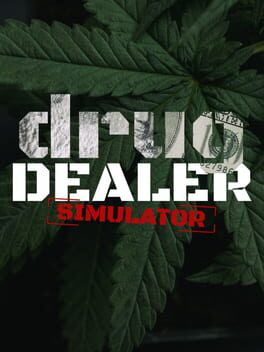
Drug Dealer Simulator 2020
The most direct analogue to Schedule I — you mix and cut drugs, manage a street-level dealing operation, recruit dealers, and evade police in a first-person open-world setting. Almost every core mechanic maps directly.
Key difference: Smaller, less polished world; less employee/property management depth.
Best for: Anyone who wants Schedule I's exact loop in a slightly grittier package.
Skip if: You want a highly polished production or rich open world.
GTA V lets you build and run criminal enterprises across a sprawling open world, with police wanted-level evasion as a core mechanic. The CEO/business update adds drug supply chains, properties, and staff management that mirror Schedule I's operational loop.
Key difference: Broader crime sandbox; drug trade is one activity among many.
Best for: Players who want more action, story, and variety alongside the crime.
Skip if: You want the focused, hands-on drug manufacturing loop.
San Andreas features CJ building a criminal empire from scratch, including drug territory control, gang management, and police evasion across a massive open world. The grind from street-level hustler to crime boss echoes Schedule I's progression arc.
Key difference: Third-person story-driven; no crafting or product mixing system.
Best for: Fans who want a rags-to-riches criminal narrative.
Skip if: You dislike long story missions gating open-world freedom.
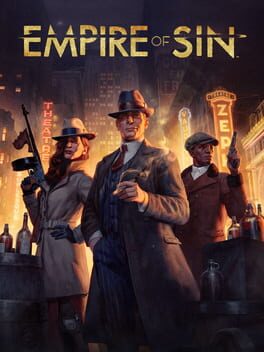
A Prohibition-era strategy game where you build a criminal alcohol empire, manage rackets, hire gangsters, and crush rival syndicates — the business management and criminal economy loop is central.
Key difference: Turn-based strategy with top-down perspective; no first-person action.
Best for: Players who want the empire-building layer with more strategic depth.
Skip if: You need real-time action or open-world freedom.
Vice City puts you in charge of a growing drug empire in a 1980s Miami-inspired city, with property acquisition, business fronts, and violent territorial expansion. The drug-lord power fantasy is the explicit theme from start to finish.
Key difference: Story-linear empire building; no simulation or crafting depth.
Best for: Those who love the aesthetic of 80s drug kingpin fiction.
Skip if: You need mechanical depth in manufacturing or employee management.
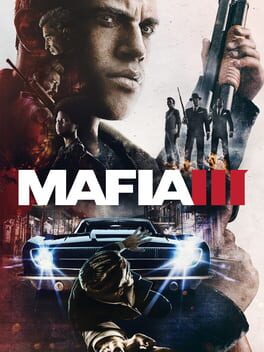
Mafia III has a unique criminal territory management system where you assign underbosses to districts, collect tribute, and manage rival criminal factions — closely mirroring Schedule I's employee and turf mechanics. The open world is set in a 1968 New Orleans-inspired city.
Key difference: Narrative-heavy; territory management is menu-based, not hands-on.
Best for: Players who want criminal empire mechanics wrapped in a story.
Skip if: You dislike repetitive mission structures or aging open worlds.
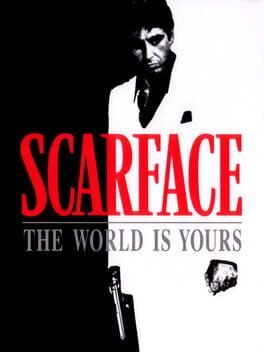
You rebuild Tony Montana's drug empire from scratch in a GTA-style open world — purchasing fronts, managing turf, and expanding your cocaine operation while evading DEA and rival cartels.
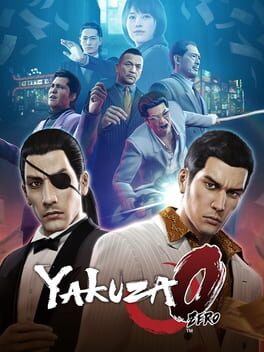
Yakuza 0 combines open-world crime with deep business management minigames — running a cabaret club, real estate empire, or video store — while navigating criminal underworld politics. The dual business/street loop is the closest analogue in feel to Schedule I's management layer.
Key difference: Third-person brawler combat; crime is organised yakuza, not drug dealing.
Best for: Players who love the business sim layer as much as the street life.
Skip if: You want first-person or Western-style open world crime.
GTA IV's Niko Bellic navigates Liberty City's criminal underworld taking jobs for various criminal bosses, with police evasion and relationship management as key systems. The grittier, more realistic tone matches Schedule I's less comedic approach to crime.
Key difference: No empire building; you are a contractor, not the boss.
Best for: Fans who want a gritty crime drama alongside open-world freedom.
Skip if: You want to manage an operation rather than execute missions.
GTA III is the template for open-world crime sandboxes — moving product, evading cops, and climbing criminal hierarchies across a dense urban map. Its focused, no-frills crime loop still scratches the same itch.
Key difference: No empire or business mechanics; purely mission and evasion.
Best for: Retro fans who want lean open-world crime without filler.
Skip if: You need modern simulation depth or first-person perspective.
Mafia II follows Vito Scaletta's rise through organised crime with car theft, illegal trade, and police evasion across a 1940s–50s open city. The grounded crime-sim atmosphere and attention to criminal operations feel tonally close to Schedule I.
Key difference: Linear story; almost no sandbox criminal enterprise mechanics.
Best for: Players who want a cinematic crime story with an open-world setting.
Skip if: You need sandbox freedom or a management layer.
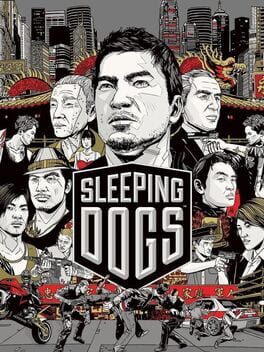
Sleeping Dogs casts you as an undercover cop embedded in Hong Kong's criminal underworld, managing relationships on both sides of the law while running criminal operations. The tension of maintaining cover mirrors Schedule I's law evasion pressure.
Key difference: You are undercover law enforcement, not a drug entrepreneur.
Best for: Players who want crime-world tension with an action-combat focus.
Skip if: You want to be the unambiguous criminal kingpin.
Saints Row: The Third has you running a criminal gang empire across Steelport, collecting revenue from criminal enterprises, managing turf, and buying properties — the business loop is explicit and central. The tone is comedic but the empire-building feels familiar.
Key difference: Absurdist comedy tone; empire building is abstracted, not hands-on.
Best for: Players who want empire mechanics with irreverent humour.
Skip if: You want a grounded, serious drug operation simulation.
A management sim where a corrupt police chief balances law enforcement duties with criminal extortion and bribery — the dual-life of operating within and against the law mirrors Schedule I's tension between business and evasion.
Key difference: You manage police, not drugs; top-down narrative management game.
Best for: Players drawn to the corruption and law-evasion management layer.
Skip if: You want open-world action or drug manufacturing mechanics.
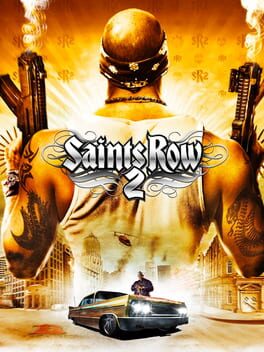
Saints Row 2 lets you reclaim criminal territory, run drug dens, and build a gang empire from a prison break starting point. Drug trafficking is an explicit side activity with its own supply-chain structure.
Key difference: Third-person; gang activity is broader than a focused drug business.
Best for: Those who want explicit drug-trade mechanics in a sandbox.
Skip if: You dislike early-2000s jank or comedic crime tones.
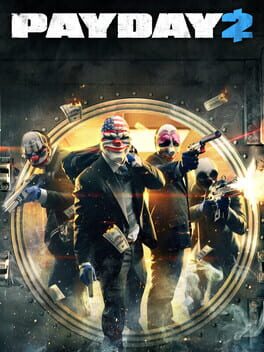
Payday 2 is a co-op crime simulator where crews plan and execute heists, drug lab robberies, and contraband runs with police pursuit as the escalating threat. Managing heat levels and escape routes echoes Schedule I's law enforcement tension.
Key difference: Focused on heist execution, not building or managing a business.
Best for: Players who want cooperative criminal operations with police chases.
Skip if: You want solo empire building or a crafting/manufacturing loop.
Cyberpunk 2077's Night City is a dense criminal underworld where V takes contracts, manages cyberware, and navigates gang factions — the fixer economy and contraband culture mirror Schedule I's criminal commerce. NCPD scanner hustles mirror small-scale criminal hustle.
Key difference: RPG story focus; you are a hired gun, not a drug manufacturer.
Best for: Players who want a richly detailed criminal underworld to explore.
Skip if: You want business management over narrative RPG progression.
Hotline Miami is soaked in 1980s drug-trade crime culture — you play a hitman taking jobs from criminal syndicates, and the drug-fuelled psychedelic framing directly references the narcotics underworld Schedule I inhabits thematically.
Key difference: Top-down arcade twitch action; no management, building, or open world.
Best for: Fans who want the seedy crime aesthetic distilled into a tense action loop.
Skip if: You need open-world freedom or business simulation depth.
L.A. Noire is a 1940s crime open world where you investigate drug trafficking, organised crime, and murder — the other side of Schedule I's world. Understanding how detectives work gives the evasion meta a new lens.
Key difference: You play the detective investigating crime, not running it.
Best for: Players curious about the law enforcement perspective on the same world.
Skip if: You want to be the criminal operator; investigation puzzles may frustrate.
Watch Dogs lets you hack into Chicago's infrastructure to manipulate criminal networks, launder money, and evade police using surveillance systems. Managing heat and operating in the criminal underground shares DNA with Schedule I's cop-evasion loop.
Key difference: Hacking focus; no drug production or business management.
Best for: Players who want tech-savvy criminal operations in an open world.
Skip if: You want hands-on manufacturing or drug-trade specificity.
Third-person brawler combat; crime is organised yakuza, not drug dealing.
PlayStation, PC, Xbox
Grand Theft Auto IV
70%
Action, Open world
No empire building; you are a contractor, not the boss.
PlayStation, PC, Xbox
Grand Theft Auto III
66%
Simulator, Action
No empire or business mechanics; purely mission and evasion.
Xbox, PlayStation, Mobile, PC
Mafia II
65%
Action, Open world
Linear story; almost no sandbox criminal enterprise mechanics.
PlayStation, PC, Xbox
Sleeping Dogs
65%
Action, Open world
You are undercover law enforcement, not a drug entrepreneur.
PlayStation, PC, Xbox
Saints Row: The Third
62%
Action, Open world
Absurdist comedy tone; empire building is abstracted, not hands-on.
PlayStation, PC, Xbox, Nintendo
Autobahn Police Simulator 3: Police Motorcycle
62%
Simulator, Action
You manage police, not drugs; top-down narrative management game.
PC
Saints Row 2
60%
Action, Open world
Third-person; gang activity is broader than a focused drug business.
PlayStation, PC, Xbox
What makes a game genuinely feel like Schedule I?
Three things define the Schedule I feel: a hands-on production loop (you grow, mix, and package product yourself), a living economy where NPCs have demand and the market responds to your supply, and escalating law enforcement that punishes carelessness and rewards planning. Most open-world crime games have the third element, but few combine all three. Yakuza 0 comes closest to the management depth — its cabaret and real estate businesses require hiring, training, and juggling staff — while Mafia III's territory assignment system most closely mirrors Schedule I's employee delegation mechanic.
The drug-trade theme specifically narrows the field sharply. Outside of the list, Drug Dealer Simulator and Scarface: The World Is Yours are the canonical picks. Among candidates, Saints Row 2 is the only game with explicit drug-den management as a playable side business — often overlooked on "games like" lists.
If you love the police evasion and criminal heat system
Grand Theft Auto V and Grand Theft Auto: San Andreas are the gold standard for wanted-level escalation — the moment-to-moment decision of whether to run, hide, or switch routes under pursuit is refined across decades of iteration. Payday 2 takes this further by making stealth-vs-loud the central design axis: every heist is a negotiation between staying under the radar and managing the chaos when the cops inevitably breach.
Watch Dogs adds a hacking dimension that lets you actively manipulate the police pursuit — controlling traffic lights, surveillance cameras, and police communications — giving law evasion a strategic layer that Schedule I players who enjoy outsmarting the system will appreciate.
Best picks for the business management layer
If what hooked you in Schedule I was hiring dealers, assigning routes, and watching your operation scale, Yakuza 0 is the must-play — its business minigames are full-featured management sims embedded inside an open-world crime drama, and the satisfaction of a well-run enterprise translates perfectly. Mafia III's underboss system, while narrative-gated, gives you real decisions about who to trust and how to divide criminal revenue across districts.
For a pure management-strategy take, Empire of Sin (not in the candidate pool) abstracts the empire-building into a turn-based strategy layer that lets you micromanage rackets, gang loyalty, and supply chains with far more granularity than any action-first open world — ideal if you find the shooting in GTA games a distraction from the business.
Is there a game exactly like Schedule I but more polished or bigger?
Drug Dealer Simulator is the closest mechanical match and worth playing alongside Schedule I, though it is smaller in scope. Grand Theft Auto V with its Motorcycle Club and CEO business content is the most polished open-world criminal empire experience available, though the drug manufacturing loop is abstracted rather than hands-on.
Are there any Schedule I-like games with co-op?
Payday 2 is the strongest co-op pick — coordinating criminal operations, managing police heat, and planning escape routes with friends captures the teamwork angle. Drug Dealer Simulator also has a co-op mode. Grand Theft Auto Online's MC businesses let multiple players run drug supply chains together in a persistent world.
What games have the drug-dealing or drug-manufacturing mechanic specifically?
Drug Dealer Simulator is the most explicit — it replicates cutting, packaging, and street-selling product. Saints Row 2 has drug trafficking as a side business. Scarface: The World Is Yours centres the entire game around rebuilding a cocaine empire. Breaking Point and similar indie titles exist on PC but vary in quality.
What should I play after Schedule I if I want more business/management depth?
Yakuza 0 offers the deepest business management inside an open-world crime game. Empire of Sin provides a full criminal empire strategy game with staff, territory, and economic management. RimWorld (in the candidate pool) scratches the colony-management itch if you enjoyed assigning employees and optimising workflows, though the setting is sci-fi survival rather than crime.
Is Schedule I similar to GTA, or is it more of a simulator?
It sits between the two. Schedule I uses GTA-style open-world exploration and police evasion but replaces the action-game core with a simulation loop centred on crafting, economics, and staff management — closer to a business simulator that happens to be set in a criminal open world than a traditional GTA-style action game.
 96%
96%