Tomodachi Life is loved for one specific thing: the joy of watching a cast of characters you created — whether your friends, celebrities, or fictional favourites — develop unpredictable friendships, rivalries, and romances entirely on their own. The comedy comes from the gap between the mundane (a Mii needs to sleep, a Mii is hungry) and the surreal (your best friend and a pop star are now sworn enemies over a rap battle). It is fundamentally a social life simulator that rewards passive observation and player-generated creativity.
When players look for games like Tomodachi Life, they are really after two things: a cast of distinct characters with emergent social lives that generate comedy on their own, and a low-pressure sandbox where there is no way to lose. The closest matches sit in the life-simulation genre rather than action or RPG, and the best picks share that essential feeling of peeking into a little world that doesn't need you to run it.
Top pick:Miitopia is the single closest pick — it uses the same Mii engine, the same text-to-speech character voices, and the same formula of assigning real people to roles and watching the social drama generate itself, now wrapped in a light RPG adventure that adds just enough structure to make it a game without losing the passive comedy that makes Tomodachi Life special.
Some store buttons are affiliate links — we may earn a commission at no extra cost to you.
15 games like Tomodachi Life
97%
Miitopia 2021
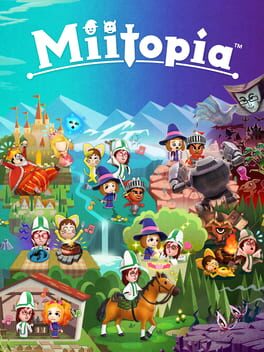
Miitopia is essentially Tomodachi Life's direct spiritual successor — you cast your Miis in an RPG adventure, and the game generates hilarious social drama, friendships, and rivalries between them automatically. The text-to-speech character voices and sandbox comedy are nearly identical in DNA.
Key difference: Wrapped in a light RPG battle system rather than free sandbox observation.
Best for: Any Tomodachi Life fan — this is the closest game that exists.
Skip if: You want zero gameplay structure and pure social sandbox.
Animal Crossing: New Leaf is the closest thing to a sibling game on 3DS — you watch a town of quirky villager characters live their daily lives, build relationships, and surprise you with offbeat dialogue. The low-stakes sandbox feel and Nintendo charm are nearly identical.
Key difference: You are the mayor managing a town, not a landlord managing an apartment building.
Best for: Players who want the same 3DS cozy-life-sim energy.
Skip if: You dislike slow, no-goal daily routines.
Animal Crossing: New Horizons carries forward the same cast-of-odd-personalities sandbox formula — villagers argue, flirt, and say bizarre things while you watch from a distance. The Switch version adds deep customisation that lets you shape the world around your characters.
Key difference: Island-building crafting loop replaces pure character watching.
Best for: Players wanting more active creative control over their world.
Skip if: You want characters that interact with each other autonomously.
The Sims 4 is the closest PC equivalent to Tomodachi Life: you create custom characters, watch them form friendships and rivalries, and laugh at the absurd things they do when left to their own devices. The sandbox comedy of life playing out in a dollhouse is the shared core.
Key difference: Far deeper mechanics and more player control; less passive spectating.
Best for: Players who want more hands-on life-sim depth.
Skip if: You prefer bite-sized Nintendo-style silliness over complex systems.
The Sims 3 added an open neighbourhood where your Sims interact with a whole community of characters who have their own schedules and relationships — closer to Tomodachi Life's feel of a living apartment block. The comedy of social disasters remains central.
Key difference: Open world neighbourhood replaces a contained apartment island.
Best for: Players who want a richer, seamlessly connected community to watch.
The Sims 2 introduced memory systems and aspirations that gave characters persistent personalities and grudges, making the comedy of their lives feel more meaningful. Like Tomodachi Life, relationships between characters unfold in genuinely surprising ways.
Key difference: Older, PC-only, with more complex under-the-hood systems.
Best for: Fans who appreciate character-driven emergent storytelling.
Skip if: You need current-gen visuals or active console support.
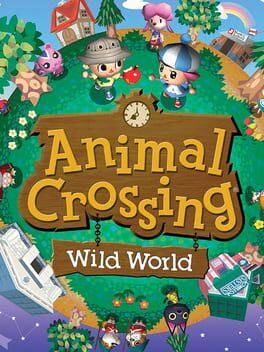
Animal Crossing: Wild World brought the villager-relationship sim to the DS handheld — the original pocket-life-sim companion. Characters gossip, remember what you said, and have distinct personalities that generate constant low-key comedy.
Key difference: Much older with limited features versus later AC entries.
Best for: Retro players or DS owners wanting the original handheld AC.
Skip if: You want modern features like island design or online play.
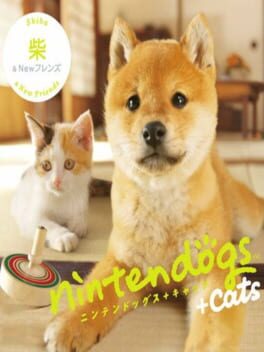
Nintendogs + Cats is Nintendo's other character-care life sim for 3DS — you raise pets with distinct personalities, using the microphone and touchscreen to interact. The same warmth and passive charm of watching a Mii go about their life translates directly.
Key difference: Pets, not human Mii characters; no interpersonal social drama.
Best for: Players who want a calm Nintendo care-sim on 3DS.
Skip if: You need character-to-character social interactions.
Fantasy Life is a 3DS life RPG where you choose from twelve different life vocations and interact with a large cast of charming, witty characters. The friendly Nintendo tone and focus on everyday character relationships feel closely related to Tomodachi Life.
Key difference: Active RPG with quests and combat as the main driver.
Best for: 3DS players wanting life-sim charm with more structured adventure.
Skip if: You dislike levelling systems or RPG progression.
Stardew Valley wraps a life-sim social layer — befriending and romancing a cast of distinct townsfolk with personal storylines — around a farming loop. The warm characters and their relationship drama scratch a similar itch to watching Tomodachi Life residents' lives unfold.
Key difference: Core gameplay is farming and resource management, not character watching.
Best for: Players wanting life-sim relationships with more active gameplay.
Skip if: You dislike farming games or want purely passive observation.
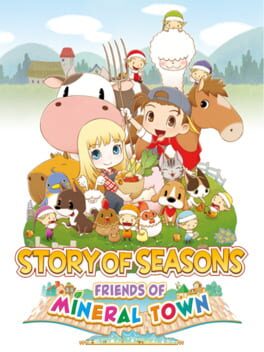
Friends of Mineral Town is a farming life sim centred on building relationships with a town of distinct characters who have their own schedules, personalities, and backstories. The social comedy of gift-giving and relationship watching echoes Tomodachi Life.
Key difference: Farming and resource management are the primary gameplay loop.
Best for: Players who want more wholesome social life-sim on handheld.
Skip if: You want a passive character-watching experience with no farming.
My Time at Portia is a social life sim where you befriend, gift, and build relationships with a large cast of townspeople, each with their own schedules and personalities. The comedy of romances and friendships developing unexpectedly echoes Tomodachi Life's appeal.
Key difference: Crafting and workshop building are the primary loop, not social spectating.
Best for: Players wanting a life sim with more RPG adventure content.
Skip if: You dislike crafting grind or action combat.
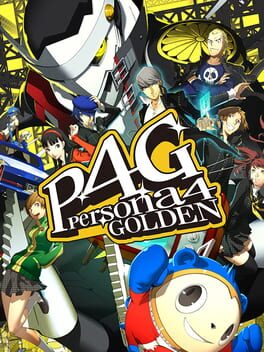
Persona 4 Golden dedicates roughly half its playtime to a social simulation — building bonds with a cast of vividly written characters who have relationships, arguments, and comedic daily lives. It scratches the same itch of watching a community of personalities interact.
Key difference: Built around a JRPG dungeon-crawling combat system.
Best for: Players wanting deeper story and character development alongside social sim.
Skip if: You have no interest in turn-based RPG combat.
Undertale features a cast of memorable quirky characters with their own personalities and social dynamics, delivered with offbeat comedy very similar to Tomodachi Life's tone. The humour and warmth of the writing will feel familiar.
Key difference: It's a narrative RPG with combat, not a life simulation sandbox.
Best for: Tomodachi Life fans who enjoy character comedy in a story format.
Skip if: You want sandbox freedom and no structured story.
South Park: The Stick of Truth leans hard into absurdist comedy and character-driven scenarios — the same comedic register as Tomodachi Life's weirder moments. It is built around a cast of distinct personalities doing ridiculous things.
Key difference: Structured RPG with combat and mature humour, not sandbox.
Best for: Fans of Tomodachi Life's comedy who want a guided narrative experience.
Skip if: You want family-friendly content or a no-combat life sim.
Wrapped in a light RPG battle system rather than free sandbox observation.
Nintendo
Animal Crossing: New Leaf
92%
Simulator, Sandbox
You are the mayor managing a town, not a landlord managing an apartment building.
Nintendo
Animal Crossing: New Horizons
88%
Simulator, Sandbox
Island-building crafting loop replaces pure character watching.
Nintendo
The Sims 4
84%
Simulator, Comedy
Far deeper mechanics and more player control; less passive spectating.
PlayStation, PC, Xbox
The Sims 3
80%
Simulator, Comedy
Open world neighbourhood replaces a contained apartment island.
PC
The Sims 2
77%
Simulator, Comedy
Older, PC-only, with more complex under-the-hood systems.
PC
Animal Crossing: Wild World
76%
Simulator, Sandbox
Much older with limited features versus later AC entries.
Nintendo
Nintendogs + Cats: Shiba Inu & New Friends
72%
Simulator
Pets, not human Mii characters; no interpersonal social drama.
Nintendo
Fantasy Life
68%
Simulator, Adventure
Active RPG with quests and combat as the main driver.
Nintendo
Stardew Valley
62%
Simulator, Adventure
Core gameplay is farming and resource management, not character watching.
PlayStation, PC, Nintendo, Mobile, Xbox
Story of Seasons: Friends of Mineral Town
60%
Simulator
Farming and resource management are the primary gameplay loop.
Xbox, PlayStation, PC, Nintendo
My Time at Portia
55%
Simulator, Adventure
Crafting and workshop building are the primary loop, not social spectating.
PlayStation, Mobile, PC, Xbox, Nintendo
Persona 4 Golden
50%
Adventure, Comedy
Built around a JRPG dungeon-crawling combat system.
PlayStation
Undertale
42%
Adventure, Comedy
It's a narrative RPG with combat, not a life simulation sandbox.
PlayStation, PC, Xbox, Nintendo
South Park: The Stick of Truth
38%
Adventure, Comedy
Structured RPG with combat and mature humour, not sandbox.
PlayStation, PC, Xbox, Nintendo
What makes a game feel like Tomodachi Life?
The key ingredients are a persistent cast of named characters with distinct personalities, emergent social interactions you watch rather than fully control, and a tone that leans into absurdist comedy. Animal Crossing: New Leaf — the other major 3DS life sim released in the same era — nails all three: its villagers gossip, fall out, and say genuinely strange things, and the game never demands you do anything in particular. The Sims 4 achieves the same on PC with deeper mechanics: create your own characters, give them traits, and then let the social simulation produce its own drama while you watch.
Games that only share a broad "sandbox" or "comedy" tag without this social-simulation core — like open-world action games — will feel nothing like Tomodachi Life, no matter what genre labels they carry. Prioritise games where the characters have inner lives the game simulates for you.
Best picks if you specifically loved the Mii and Nintendo charm
If the Nintendo toybox aesthetic and the Mii format were central to your enjoyment, Miitopia (not in the candidate pool but the strongest overall recommendation) is the obvious next stop — it was built by the same team and uses virtually the same character engine. On 3DS specifically, Animal Crossing: New Leaf launched the same year and shares the same cosy-chaos energy of a Nintendo life sim designed to be played in short daily sessions.
Wii Sports and Mario Kart also use Miis, but those games use them as player avatars in sports and racing — the social-simulation aspect that defines Tomodachi Life is entirely absent. Stick to the life-sim category for a genuine match.
If you want more depth: life sims with richer social systems
Stardew Valley and My Time at Portia both embed a meaningful social layer inside a wider life-sim — you befriend townsfolk, give gifts, trigger relationship events, and watch friendships and romances develop over time. They ask more of you than Tomodachi Life (farming, crafting, resource loops), but the payoff of a community of characters who remember and react to you is very similar.
For players willing to go further, Persona 4 Golden turns social simulation into a half-game in itself: its Social Link system tracks deep relationships with a large cast of distinct personalities, generating comedy and drama you genuinely care about — though it pairs this with a full JRPG on the other half of its runtime.
Is there a game exactly like Tomodachi Life on Nintendo Switch?
Miitopia (2021, Switch) is the closest equivalent — it was made by the same Nintendo team, uses Miis with the same personality system, and generates the same social comedy between characters you cast yourself. It adds a light RPG layer but the core experience of watching your Miis develop unexpected relationships is identical.
What is the best game like Tomodachi Life on PC?
The Sims 4 is the strongest PC equivalent. You create custom characters with distinct traits, put them in a shared living space, and watch their social interactions generate comedy and drama on their own. It lacks the Mii integration but the core dollhouse social-simulation loop is the same.
Is Animal Crossing similar to Tomodachi Life?
Yes — Animal Crossing is the most similar Nintendo series. Both are life sims where you observe a community of distinct characters living their daily lives and generating unpredictable social moments. Animal Crossing: New Leaf is the closest match since it is also a 3DS title from the same era, though the player role is different: in Animal Crossing you are a participant in the village, while in Tomodachi Life you are more of an overseer.
Are there any Tomodachi Life games on mobile?
Miitomo (2016) was Nintendo's mobile communication app that used the same Mii-personality system as Tomodachi Life, letting friends' Miis interact and answer questions. It was shut down in 2018. No direct mobile successor currently exists, though The Sims Mobile carries some of the social-sim flavour.
Will there ever be a Tomodachi Life 2 or Switch sequel?
Nintendo announced Tomodachi Life: Living the Dream for Nintendo Switch 2, set to release in 2025. It is a direct sequel designed for the new console. Until then, Miitopia on Switch remains the closest available Nintendo experience with the same Mii social-simulation DNA.
 97%
97%