BitLife's magic is its distillation of an entire human existence into rapid text menus: you pick a career, dodge diseases, commit crimes, fall in love, go to prison, and die — all in twenty minutes and with a deadpan sense of humour. The randomised events, branching stats (Health, Happiness, Smarts, Looks), and the freedom to be a saint or a serial killer give it near-infinite replay value.
When players ask for "games like BitLife" they're really hunting for one or more of three things: a life simulation where small choices compound into big outcomes, a text- or menu-driven narrative where consequences actually stick, or that specific comedy-drama tone where everyday human decisions feel absurd and weighty at the same time.
Top pick:Alter Ego (available free online) is the single closest match — a true text-based life simulator spanning birth to death with scenario-driven choices for every stage of life, making it the direct genre ancestor BitLife grew from; if that's unavailable, The Sims 4 is the best mainstream alternative, replicating BitLife's career ladders, relationship webs, and generational legacy in a richer 3D sandbox.
Some store buttons are affiliate links — we may earn a commission at no extra cost to you.
21 games like BitLife
92%💎 Gem
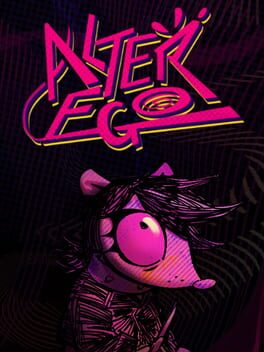
Alter Ego 2023
Alter Ego (the classic 1986 game, remade free online) is a direct text-based life simulator where you answer scenario questions from birth to death across all life stages — it is literally the genre ancestor that BitLife modernised.
Key difference: Static psychological scenario trees rather than random live events.
Best for: BitLife purists wanting the original text life sim format.
Skip if: You need modern UI, crime paths, or frequent content updates.
The Sims 4 is the most direct analogue to BitLife: you guide a character through education, careers, relationships, and family drama with full life-stage progression. Both games lean into comedy, romance, and sandbox freedom over a simulated lifespan.
Key difference: Real-time 3D control rather than text menus and random events.
Best for: Players who want visual control over every life detail.
Skip if: You want quick, randomized, text-driven life decisions.
The Sims 3 offers an open-world life simulation with the same career ladders, relationship webs, and generational play that define BitLife. Its open neighbourhood lets characters pursue crime, fame, or family just as freely.
Key difference: Open-world 3D rather than branching text menus.
Best for: Those who want more world exploration alongside life simulation.
Skip if: You find graphic life sims too slow or complex.
Reigns is a Tinder-style card swipe game where you rule a kingdom by making binary left/right decisions each turn, balancing four stat bars — it's the same rapid text-choice life (and death) loop BitLife runs on, just in a medieval throne room.
Key difference: You play a series of monarchs, not a single full human life.
Best for: BitLife fans who want the swipe-choice mechanic at its purest.
Skip if: You want relationship depth or career variety.
The Sims 2 introduced full aging and generational progression — building a family legacy across multiple lifetimes is core, echoing BitLife's multi-life replay loop. The comedy and relationship drama tone matches closely.
Key difference: Legacy-focused multi-generation play rather than single-life runs.
Best for: Players who love shaping dynasties across generations.
Skip if: You want a modern UI or mobile-style quick sessions.
Long Live the Queen casts you as a teenage princess managing stats, relationships, and skills across weekly choices to survive to coronation day — a choice-driven life sim with BitLife's same stat-juggling, random tragedy, and dark humour.
Key difference: Fixed 40-week run to a single goal rather than open-ended life.
Best for: BitLife fans who want higher stakes and permadeath pressure.
Skip if: You dislike anime visual-novel art or rigid time limits.
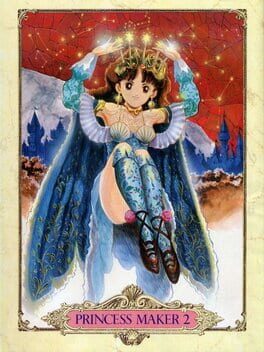
Princess Maker 2 is a pioneering life-raising simulator where you allocate a girl's time across jobs, studies, and activities to shape her adult destiny — the same stat-driven life-path logic that powers BitLife, just in 1990s RPG clothing.
Key difference: You manage one character's childhood-to-adult arc, not full lifespan.
Best for: Players who want the BitLife 'shape a life' loop with RPG flavour.
Skip if: You need modern graphics or a quick mobile session format.
PC
80%💎 Gem
Kudos 2 2008
Kudos 2 is a life simulator where you manage a young adult's social circle, career, and hobbies year by year through menu choices — its text-and-stats loop is mechanically very close to BitLife's core structure.
Key difference: Covers adult years only; no childhood, crime, or family arcs.
Best for: Players who want the BitLife menu-driven stat loop on PC.
Skip if: You want full lifespan coverage or mobile casual pacing.
Tomodachi Life puts quirky Miis through friendships, rivalries, confessions, and absurd life events on a small island — the comedy-first life simulation tone is almost identical to BitLife's random-event humour.
Key difference: You observe and nudge characters rather than playing as one.
Best for: Fans of BitLife's silly random events and relationship drama.
Skip if: You want to fully control a single character's entire life.
Episode is a mobile interactive story platform where you navigate relationships, drama, and life choices through branching dialogue — its episodic choice-driven format and romance/drama themes match BitLife's appeal directly.
Key difference: Curated authored stories rather than procedurally generated life.
Best for: BitLife fans who want visual narrative romance and drama.
Skip if: You want full life simulation or randomised event systems.
Mobile
65%
Animal Crossing: New Horizons 2020
Animal Crossing: New Horizons simulates daily life rhythms — paying off debt, building relationships, decorating a home — sharing BitLife's casual, low-stakes life-progression loop and gentle comedy.
Key difference: Real-time clock-based play rather than turn-based life choices.
Best for: Players who want relaxed life sim without drama or crime.
Skip if: You want consequences, crime paths, or dark humour options.
Stardew Valley layers relationship-building, career progression, and financial management over years of in-game time — the social simulation and life-stage pacing echo BitLife's core satisfaction loop.
Key difference: Action farming gameplay rather than pure text/menu choices.
Best for: Players who want romance and community alongside life sim.
Skip if: You want crime, career chaos, or rapid random events.
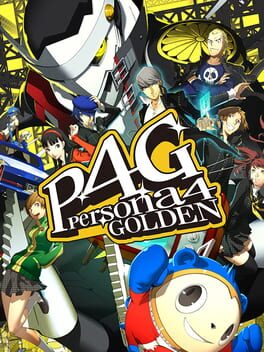
Persona 4 Golden blends daily life management — choosing how to spend each day, building relationships, pursuing part-time jobs — with the same sense of a life shaped by small repeated decisions that BitLife captures.
Key difference: JRPG dungeon combat takes up half the game.
Best for: Players who want life sim wrapped in a rich story and RPG.
Skip if: You only want the life sim loop with no combat.
Persona 5 Royal's daily calendar system — balancing school, part-time work, friendships, and personal stats — mirrors BitLife's core loop of choosing how to spend your limited time each period.
Key difference: Heist-based dungeon RPG combat is the primary gameplay mode.
Best for: BitLife fans ready for a 100-hour narrative RPG life sim.
Skip if: You want quick text sessions or no combat at all.
Detroit: Become Human is built almost entirely on consequential branching choices that shape characters' fates — the same 'every decision matters' philosophy BitLife applies to a simulated human life.
Key difference: Cinematic action game, not a simulator; choices are story-fixed.
Best for: Players who love moral weight in every life-altering decision.
Skip if: You want replayable randomness or sandbox freedom.
Life Is Strange centres on a young woman making dramatic life choices — friendships, secrets, consequences — with the same drama and romance themes BitLife packages into its life events.
Key difference: Linear story chapters rather than full open life simulation.
Best for: Players who want emotional narrative over life-stat management.
Skip if: You prefer comedy, crime paths, or replayable randomness.
Disco Elysium simulates a character's psychology, past decisions, and daily choices through hundreds of skill-checked dialogue options — a deeply text-driven experience that shares BitLife's love of absurd outcomes and dark comedy.
Key difference: Dense literary RPG with a fixed protagonist and detective plot.
Best for: BitLife fans who want the text-choice format taken to extremes.
Skip if: You want simple menus, quick runs, or a mobile-style loop.
The Wolf Among Us delivers a branching choice-driven story where your decisions about relationships, violence, and morality shape the protagonist's path — the same narrative cause-and-effect BitLife applies to a whole life.
Key difference: Fixed noir story world; no stat management or life simulation.
Best for: Players who want high-stakes choice drama in a short package.
Skip if: You want replayable sandbox life sim with random events.
The Walking Dead puts survival, relationship, and moral choices in your hands with consequences that cascade across episodes — the branching narrative choice engine is the closest console equivalent to BitLife's event system.
Key difference: Survival horror tone; no life stages, careers, or comedy.
Best for: Players who want heavy emotional weight in every choice.
Skip if: You want the comedy, romance, and life-progression loop.
Papers, Please makes every working day a chain of small decisions with large human consequences — the same mundane-choice-with-real-stakes tension that makes BitLife's career and crime paths compelling.
Key difference: Single border-inspector job setting, no broader life simulation.
Best for: Players who want moral decision pressure in a text-driven loop.
Skip if: You want full life simulation with romance and random events.
Doki Doki Literature Club! is a visual novel where relationship choices and seemingly innocent daily decisions spiral into dramatic consequences — the romance and drama themes directly overlap with BitLife's relationship system.
Key difference: Horror meta-narrative twist; not a life simulator at all.
Best for: Players who want romance and drama with a shocking twist.
Skip if: You want life-stage progression, careers, or replayability.
Static psychological scenario trees rather than random live events.
PC
The Sims 4
90%
Simulator, Comedy
Real-time 3D control rather than text menus and random events.
PlayStation, PC, Xbox
The Sims 3
88%
Simulator, Comedy
Open-world 3D rather than branching text menus.
PC
Reigns
88%
Simulator
You play a series of monarchs, not a single full human life.
PC, Mobile
The Sims 2
85%
Simulator, Comedy
Legacy-focused multi-generation play rather than single-life runs.
PC
Long Live the Queen
82%
Simulator
Fixed 40-week run to a single goal rather than open-ended life.
Xbox, PlayStation, PC, Nintendo
Princess Maker 2
80%
Simulator
You manage one character's childhood-to-adult arc, not full lifespan.
PC
Kudos 2
80%
Simulator
Covers adult years only; no childhood, crime, or family arcs.
PC
Tomodachi Life
75%
Simulator, Comedy
You observe and nudge characters rather than playing as one.
Nintendo
Episode: Choose Your Story
75%
Simulator
Curated authored stories rather than procedurally generated life.
Mobile
Animal Crossing: New Horizons
65%
Simulator
Real-time clock-based play rather than turn-based life choices.
Nintendo
Stardew Valley
63%
Simulator, Business
Action farming gameplay rather than pure text/menu choices.
PlayStation, PC, Nintendo, Mobile, Xbox
Persona 4 Golden
62%
Comedy, Drama
JRPG dungeon combat takes up half the game.
PlayStation
Persona 5 Royal
62%
Comedy, Drama
Heist-based dungeon RPG combat is the primary gameplay mode.
Xbox, PlayStation, PC, Nintendo
Detroit: Become Human
60%
Drama
Cinematic action game, not a simulator; choices are story-fixed.
PlayStation, PC
What makes a game truly feel like BitLife?
BitLife's core loop is three things: randomised life events that react to your stats, branching consequences where early choices echo decades later, and a full lifespan from birth to obituary. Games that nail all three include Long Live the Queen (stat management + permadeath + dark humour across a compressed life arc) and Princess Maker 2 (allocating a child's time to shape her adult fate). Both share BitLife's satisfying sense that every mundane decision is quietly catastrophic.
Text-driven choice games like Papers, Please and Disco Elysium hit the consequence-first philosophy without the lifespan wrapper — ideal if you love the moment-to-moment decision tension more than the career-and-kids progression.
Best picks if you love BitLife's relationship and romance system
Stardew Valley and the Persona series (especially Persona 4 Golden and Persona 5 Royal) are the strongest matches for players hooked on building, damaging, and repairing relationships over an in-game year. Both simulate daily social choices — who to spend time with, what to say, when to confess — that feed back into broader life outcomes, exactly as BitLife's relationship stats do.
Doki Doki Literature Club! and The Wolf Among Us focus the same relationship-choice drama into a shorter, more intense narrative burst — good picks for players who want high-stakes romance and consequence without the year-long grind.
If you want BitLife's choice-driven chaos on a bigger screen
Detroit: Become Human and Heavy Rain are the premium console translations of BitLife's 'every choice matters' philosophy — fully branching narratives where characters can die, succeed, or spiral depending on dozens of small decisions. They lack the sandbox life-sim layer but deliver the same emotional cause-and-effect satisfaction in cinematic form.
For something lighter, Tomodachi Life (Nintendo 3DS) replicates BitLife's comedy-drama life-event humour almost perfectly: Miis confess love, have babies, fight, and make up while absurd random events keep each session fresh. It's the closest console equivalent to BitLife's tone if not its mechanics.
Is there a PC game that plays exactly like BitLife?
Alter Ego (free online remake) is the closest — it's a text-based life simulator from birth to death that directly inspired BitLife's format. On PC with more production value, The Sims 4 covers the same life-stage simulation with careers, relationships, and generational play, though through a 3D interface rather than text menus.
What games like BitLife are available on console?
Detroit: Become Human and The Walking Dead (Telltale) bring the branching consequence-driven choice format to console. For a true life sim, The Sims 4 is available on PS4/PS5 and Xbox. Tomodachi Life (3DS) is the closest console game to BitLife's specific comedy-event tone.
Are there games like BitLife that let you play as a criminal?
BitLife's crime paths are best matched by The Sims 4 (with its deviance options), Disco Elysium (which lets you play a deeply morally compromised character through text-driven choices), and Papers, Please, where accepting bribes and breaking rules are core mechanics. The Yakuza series (Yakuza 0) covers organised crime life in depth.
What's the best BitLife alternative for people who like the random event system?
Long Live the Queen is the strongest match — every week a random event fires and your previously chosen stats determine whether you survive it, which is exactly BitLife's random-event-plus-stats formula. Reigns uses a similar system with binary card-swipe choices producing unpredictable cascading outcomes.
Is Stardew Valley similar to BitLife?
Partially — Stardew Valley shares the relationship-building, career progression, and time-management loop, but it's an action farming game rather than a text life simulator. If you love BitLife's social and romance systems, Stardew scratches a real itch; if you love BitLife's crime, chaos, and randomised tragedy, Stardew will feel too peaceful.
 92%💎 Gem