Undertale works because it weaponizes your expectations of the RPG genre: the bullet-hell dodge system forces you to feel the combat rather than just execute menus, moral choices (spare or kill) have permanent consequences, every monster has a name and a story, and the whole thing periodically shatters the fourth wall to implicate you the player. It is a game about empathy delivered through mechanics, wrapped in absurdist humor and scored by unforgettable music.
When fans ask for "games like Undertale" they usually want one or more of these elements: a subversive RPG that plays with genre conventions, a narrative where character relationships genuinely matter, humor that pivots without warning into emotional devastation, or mechanics that make moral choice feel real. The best recommendations match the feel of Undertale—not just its bullet-hell tag or its pixel-art aesthetic.
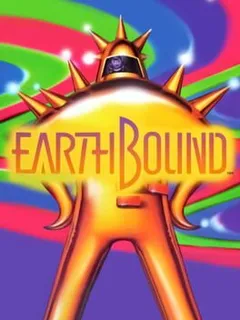
Top pick:EarthBound is the single closest pick: it is Undertale's explicit creative parent, a turn-based RPG about a child traveling through a strange world of quirky monsters and humans, blending deadpan comedy with moments of genuine emotional devastation—and Toby Fox has said so himself. If you haven't played it, start there.
Some store buttons are affiliate links — we may earn a commission at no extra cost to you.
21 games like Undertale
99%
Deltarune 2025
Deltarune is Toby Fox's own follow-up to Undertale, reusing its turn-based bullet-hell combat, monster characterization, and morality mechanics while expanding the world with new party members and a longer chapter structure.
Key difference: Incomplete (chapters 1-2 released); full game still in development.
Best for: Every Undertale fan—this is the next game to play, full stop.
EarthBound is Undertale's single most direct DNA donor: a turn-based RPG set in a quirky modern world where children battle absurd enemies, told with deadpan humor that pivots without warning into profound emotional gut-punches. Toby Fox has cited it openly as the primary inspiration.
Key difference: No pacifist/genocide routes; combat is traditional turn-based.
Best for: Anyone who wants Undertale's tonal recipe in a longer classic JRPG.
Skip if: You need modern production values or bullet-hell dodge mechanics.
Nintendo
88%
Paper Mario: The Thousand-Year Door 2004
Paper Mario: The Thousand-Year Door layers a turn-based battle system with real-time action commands, a cast of deeply written monster and NPC allies, and constant comedic fourth-wall winks—matching Undertale's genre-savvy humor and heartfelt storytelling beat for beat.
Key difference: Nintendo polish means no dark themes or morality system.
Best for: Players who want Undertale's wit inside a longer, richer RPG.
Skip if: You want bullet-hell mechanics or genuine emotional darkness.
Omori is a turn-based RPG that balances pastel surrealism and gentle humor against a deeply dark psychological horror narrative—mirroring Undertale's tonal whiplash between comedy and devastating emotional revelations.
Key difference: Darker, longer, and more psychologically disturbing than Undertale.
Best for: Undertale fans who want an emotionally heavy narrative RPG.
Skip if: You are sensitive to mental health themes or want bullet-hell mechanics.
NieR: Automata forces you to replay its story from multiple perspectives to see the full truth, systematically dismantling RPG conventions while delivering gut-wrenching emotional payoffs—mirroring Undertale's habit of using the medium itself as a narrative weapon.
Key difference: Action combat replaces turn-based; far larger budget and scale.
Best for: Undertale fans hungry for a longer, darker meta-narrative.
Skip if: You dislike action combat or want a short, cozy experience.
Cave Story—the indie action-platformer-RPG that partly inspired Undertale—puts a small amnesiac hero among a civilization of underground monster-rabbit creatures, building a surprisingly emotional story through minimalist design.
Key difference: Action platformer-shooter, not turn-based; no dialogue-driven pacifist route.
Best for: Undertale fans who want its underground-monster setting in a classic indie.
Skip if: You want turn-based mechanics or heavy moral-choice systems.
PlayStation
80%
Persona 4 Golden 2012
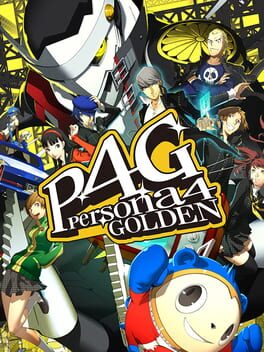
Persona 4 Golden wraps a turn-based RPG in rich character writing, social bonds that evolve through dialogue choices, and a tonal balance of silly comedy and genuine emotional weight that fans of Undertale will immediately recognize.
Key difference: Much longer (60+ hours) with dungeon-crawling and life simulation.
Best for: Players who want Undertale's character depth in a full-length JRPG.
Skip if: You want a short, mechanically experimental indie experience.
OneShot is a puzzle-adventure RPG that directly addresses the player by name, breaks the fourth wall at the OS level, and builds its entire narrative around a child guiding a cat-like entity through a dying world—meta, emotional, and mechanically inventive.
Key difference: Puzzle-adventure, not combat-focused; no bullet-hell elements.
Best for: Undertale fans who loved its meta fourth-wall and emotional payoff most.
Skip if: You want combat, action, or a longer experience.
Disco Elysium is a radically subversive RPG that removes combat almost entirely in favor of skill-check dialogue, where every choice reshapes the protagonist's identity—echoing Undertale's thesis that talking your way through conflict is as valid as fighting.
Key difference: Pure dialogue/skill RPG; no action or bullet-hell elements whatsoever.
Best for: Undertale fans who loved the pacifist route's emphasis on talk.
Skip if: You want any form of real-time action or combat.
Planescape: Torment asks "what can change the nature of a man?" across a deeply philosophical narrative RPG where dialogue and moral identity matter more than combat, and NPCs are monsters with genuine inner lives—predating Undertale's ethos by 16 years.
Key difference: Isometric 1999 CRPG with dense text and dated interface.
Best for: Undertale fans who want the deepest possible story-first RPG.
Skip if: You need modern UI or any action/bullet mechanics.
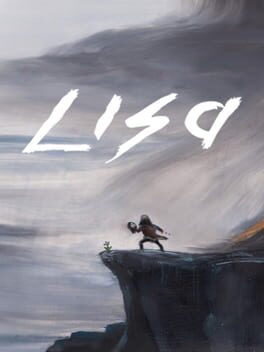
Lisa: The Painful is a turn-based RPG set in a brutal post-apocalyptic wasteland, where every choice—including sacrificing party members—carries genuine permanent cost, pushing moral agency to a darker extreme than Undertale.
Key difference: Much darker tone; disturbing content warnings; no humor-softened edges.
Best for: Undertale genocide-route fans who want moral consequence pushed further.
Skip if: You want humor, warmth, or a pacifist resolution option.
Chrono Trigger's innovative time-travel JRPG delivers emotionally resonant storytelling, a lovable ensemble of characters both human and monster, and a multiple-endings structure that rewards moral curiosity—themes Undertale later refined and subverted.
Key difference: Classic JRPG with no pacifist/genocide moral axis or meta elements.
Best for: Players who want a longer, landmark emotional JRPG predecessor.
Skip if: You want indie sensibility, bullet-hell, or fourth-wall breaking.
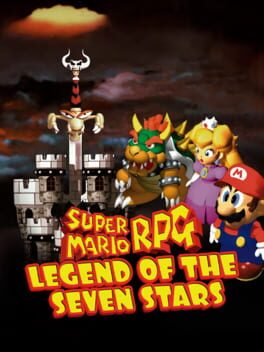
Super Mario RPG blends turn-based combat with timed action inputs, generous monster characterization, and a comedic tone that keeps breaking its own rules—sharing Undertale's love of subverting RPG expectations through personality and humor.
Key difference: Nintendo property; no dark themes or moral weight to choices.
Best for: Younger players or those wanting a gentler funny RPG.
Skip if: You want genuine emotional darkness or meaningful moral choices.
South Park: The Stick of Truth is a turn-based RPG dripping in crude satire and surprising emotional sincerity, built around a silent protagonist navigating a world of absurd characters with unexpected depth—a tonal sibling to Undertale's irreverent heart.
Key difference: Adult humor and licensed IP; no meta or fourth-wall mechanics.
Best for: Undertale fans who want adult comedy wrapped in a solid turn-based RPG.
Skip if: You're sensitive to crude humor or want emotional catharsis.
Telltale's The Walking Dead makes every dialogue choice feel genuinely consequential and builds enormous attachment to monster-and-human NPCs alike, delivering the kind of narrative gut-punch Undertale players will recognize—just in a cinematic survival-horror frame.
Key difference: Point-and-click cinematic adventure, not a combat RPG at all.
Best for: Players who prioritized story and character over Undertale's mechanics.
Skip if: You want any RPG combat, bullet-hell, or meta-narrative tricks.
Life Is Strange centers on a teenage protagonist navigating an emotionally complex world through choices that ripple outward, mixing melancholy, humor, and supernatural stakes in an indie package that shares Undertale's teen-protagonist emotional DNA.
Key difference: Episodic cinematic adventure; no combat or bullet-hell elements.
Best for: Undertale fans drawn to its drama and emotional character arcs.
Skip if: You want RPG mechanics, combat, or comedic irreverence.
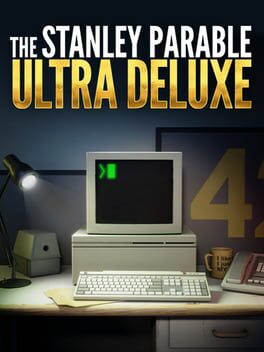
The Stanley Parable: Ultra Deluxe aggressively deconstructs player agency and the nature of games via an omniscient narrator who comments on your every move—matching Undertale's meta fourth-wall awareness and comedic commentary on gaming conventions.
Key difference: No combat or RPG elements; purely a narrative/walking experience.
Best for: Undertale fans who loved its meta commentary and self-aware humor.
Skip if: You need any combat, RPG progression, or mechanical depth.
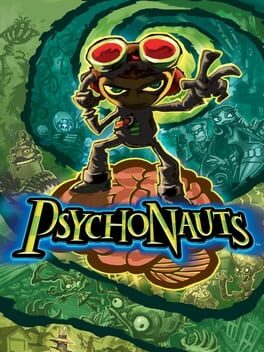
Psychonauts crams a platformer full of eccentric characters with rich inner lives, earnest emotional storytelling, and absurdist humor—the same cocktail Undertale brews, just delivered through 3D platforming rather than RPG combat.
Key difference: 3D platformer; no turn-based combat, bullet-hell, or moral choice system.
Best for: Players who loved Undertale's quirky NPC personalities and heart.
Skip if: You want RPG mechanics, bullet-hell dodge, or dark moral weight.
Hollow Knight shares Undertale's premise almost uncannily: a small silent protagonist descends into an underground world of insectoid monsters with complex societies and tragic histories, building atmosphere through environmental storytelling and melancholy music.
Key difference: Challenging action-Metroidvania, not a turn-based or bullet-hell RPG.
Best for: Undertale fans who want the underground-monster world in a longer game.
Skip if: You want turn-based combat, humor, or dialogue-driven story.
Oddworld: Abe's Oddysee tasks you with rescuing enslaved creatures in a darkly funny industrial dystopia—every creature you save or abandon is tracked, and the morality of how you treat monsters is literally baked into the mechanics, decades before Undertale made it famous.
Key difference: Cinematic platformer puzzle game; no RPG or bullet-hell elements.
Best for: Undertale fans who loved its "save or kill monsters" moral core.
Skip if: You want turn-based combat or warm comedic tone.
Hades weaves a continuous mythological narrative into a fast-paced hack-and-slash roguelike, with writing so strong that every named enemy and NPC has a distinct personality and evolving relationship with the player—sharing Undertale's commitment to character above all.
Key difference: Fast action roguelike; no turn-based, no pacifist route, no bullet-dodge.
Best for: Players who want Undertale's character writing with more mechanical depth.
Skip if: You want turn-based pacing or a short, focused narrative experience.
Incomplete (chapters 1-2 released); full game still in development.
PlayStation, Nintendo, PC
EarthBound
95%
Role-playing (RPG), Adventure
No pacifist/genocide routes; combat is traditional turn-based.
Nintendo
Paper Mario: The Thousand-Year Door
88%
Role-playing (RPG), Adventure
Nintendo polish means no dark themes or morality system.
Nintendo
Omori
88%
Role-playing (RPG), Adventure
Darker, longer, and more psychologically disturbing than Undertale.
Xbox, PlayStation, Nintendo, PC
NieR: Automata
82%
Role-playing (RPG), Fantasy
Action combat replaces turn-based; far larger budget and scale.
PlayStation, PC
Cave Story
82%
Adventure, Fantasy
Action platformer-shooter, not turn-based; no dialogue-driven pacifist route.
PlayStation
Persona 4 Golden
80%
Role-playing (RPG), Adventure
Much longer (60+ hours) with dungeon-crawling and life simulation.
PlayStation
OneShot
80%
Puzzle, Role-playing (RPG)
Puzzle-adventure, not combat-focused; no bullet-hell elements.
PC
Disco Elysium
78%
Role-playing (RPG), Adventure
Pure dialogue/skill RPG; no action or bullet-hell elements whatsoever.
PC
Planescape: Torment
72%
Puzzle, Role-playing (RPG)
Isometric 1999 CRPG with dense text and dated interface.
PC, Mobile
Lisa: The Painful
72%
Role-playing (RPG), Adventure
Much darker tone; disturbing content warnings; no humor-softened edges.
PC
Chrono Trigger
70%
Role-playing (RPG), Fantasy
Classic JRPG with no pacifist/genocide moral axis or meta elements.
Nintendo
Super Mario RPG: Legend of the Seven Stars
68%
Role-playing (RPG), Adventure
Nintendo property; no dark themes or moral weight to choices.
Nintendo
South Park: The Stick of Truth
65%
Role-playing (RPG), Adventure
Adult humor and licensed IP; no meta or fourth-wall mechanics.
PlayStation, PC, Xbox, Nintendo
The Walking Dead
65%
Puzzle, Adventure
Point-and-click cinematic adventure, not a combat RPG at all.
PlayStation, PC, Mobile, Xbox, Nintendo
What makes a game truly feel like Undertale?
The defining quality is mechanical empathy—the game's systems actively reward or punish your treatment of characters, rather than just tracking a morality meter in the background. EarthBound and Paper Mario: The Thousand-Year Door both build monster characters with enough personality that fighting them feels like a choice, not a given. Disco Elysium and Planescape: Torment push this further by making dialogue itself the primary "combat," so that talking your way through every conflict feels as mechanically satisfying as swinging a sword.
The second pillar is tonal whiplash done right: comedy that earns its tragedy. NieR: Automata spends its first act playing like a fun action game before methodically dismantling everything you thought you knew about its world—a structure Undertale fans will find deeply familiar. The Stanley Parable: Ultra Deluxe does the same thing purely through narration and absurdist humor.
Best picks if you loved Undertale's story and characters over its mechanics
If what moved you most was the writing—Sans's monologue, Toriel's arc, Flowey's revelation—then Disco Elysium and Planescape: Torment are your highest-priority recommendations. Both are narrative-first RPGs where the quality of dialogue and character psychology far exceeds genre norms, and both reward players who read every line of text. Omori (in "additional") is the most direct heir to Undertale's emotional devastation, building a pastel RPG world that slowly reveals horrifying psychological depth.
For something shorter and more immediate, OneShot (also in "additional") matches Undertale's meta-awareness almost beat for beat—it speaks to you personally, manipulates your desktop, and delivers a small but emotionally complete story. Life Is Strange and The Walking Dead are also strong picks for players who want character-driven narrative without any pressure on mechanical performance.
If you want the underground-monster world or bullet-hell in a different form
Hollow Knight shares Undertale's exact premise—small protagonist, underground civilization of bug-monsters, melancholy lore—but delivers it through challenging Metroidvania action rather than turn-based RPG. It's the best pick if the atmosphere and setting resonated more than the combat system. Cave Story (in "additional") goes further back: it is a partial ancestor of Undertale, an indie action-platformer about a robot waking among subterranean creature-people, and its emotional climax lands just as hard.
For the bullet-hell dodge element specifically, Cuphead isolates that mechanic into a pure boss-rush shooter, and Deltarune—Toby Fox's own follow-up—refines it directly. If you want the turn-based-plus-action-command structure in a longer game, Paper Mario: The Thousand-Year Door remains the gold standard.
EarthBound is the closest match—it directly inspired Undertale, sharing the same formula of a child protagonist in a strange world, turn-based combat against quirky monsters, and a comedic tone that pivots into genuine emotional devastation. Toby Fox has cited it as the primary influence. If you want something more recent, Deltarune is Toby Fox's own follow-up and is essentially Undertale 2 in all but name.
Are there any games with Undertale's pacifist/genocide morality system?
A few come close. Omori tracks your treatment of characters in ways that affect endings. Lisa: The Painful makes moral choices genuinely costly and permanent—sacrificing party members is real. Oddworld: Abe's Oddysee literally counts every creature you save or let die and changes the ending accordingly. Disco Elysium rewards non-violent solutions to every conflict mechanically, not just narratively.
Is there anything like Undertale on Nintendo Switch?
Yes—several strong options. Deltarune Chapters 1 & 2 are free on Switch and are the most direct continuation of Undertale's world. Hollow Knight, Hades, and Celeste all share Undertale's indie sensibility and emotional storytelling on Switch. Paper Mario: The Thousand-Year Door recently received a Switch remake and is the closest turn-based RPG match available on the platform.
What games have Undertale's sense of humor mixed with emotional depth?
EarthBound and Paper Mario: The Thousand-Year Door are the gold standard for comedy-meets-heart in RPGs. NieR: Automata does it in a larger-budget action game. Psychonauts and its sequel (Psychonauts 2) achieve the same blend in 3D platformer form—absurdist humor masking genuine psychological depth. South Park: The Stick of Truth delivers the comedy side especially hard, though it's cruder.
What should I play after finishing Undertale's pacifist route?
Play Deltarune next—it's by the same creator and picks up similar themes. Then try Omori for a longer emotional RPG that matches Undertale's tonal range. After that, EarthBound to understand where Undertale came from, and NieR: Automata to see where its meta-narrative ideas can go at a larger scale. If you want to stay indie and short, OneShot and Cave Story are essential.
 99%
99%