EVE Online's appeal comes from a specific combination that almost no other game replicates: a persistent, player-driven universe where the economy, politics, and wars are entirely shaped by its players. Whether you're mining ore in a quiet system, running market arbitrage from a station, leading a corporation into null-sec warfare, or hunting pirates for bounties, EVE gives you a sandbox with real consequences — and that shared history is what keeps players hooked for years.
When players ask for "games like EVE Online," they're really asking for one or more of these pillars: open-world space exploration, a deep player-driven economy, meaningful PvP with stakes, or long-term sandbox progression with no scripted ending. Almost no single game nails all four, so the best matches depend on which pillar matters most to you.
Top pick:Elite: Dangerous is the single closest match for most EVE players — it's a persistent, multiplayer space sandbox with trading, piracy, exploration, and faction politics at a galaxy scale, and the only game in this list that replicates the feeling of being a small ship in a vast, indifferent universe alongside thousands of real pilots.
Some store buttons are affiliate links — we may earn a commission at no extra cost to you.
17 games like Eve Online
93%
Elite: Dangerous 2014
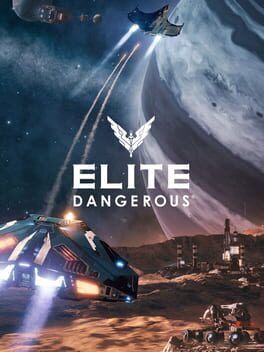
Elite: Dangerous is the closest spiritual sibling to EVE, placing you in a 1:1 scale Milky Way where you trade, mine, pirate, explore, and fight in persistent open-space multiplayer. The same freedom to specialise—bounty hunter, merchant, explorer, or pirate—defines both games.
Key difference: Fully piloted ships in first/third person; no spreadsheet-level corp metagame.
Best for: EVE fans who want hands-on cockpit flying over fleet strategy.
Skip if: You need deep player-driven politics and a massive shared economy.
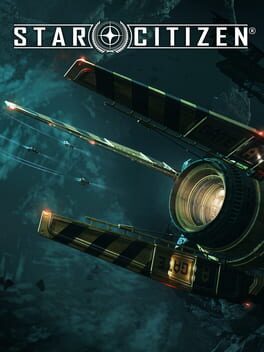
Star Citizen is the most direct EVE analogue in development: a first-person persistent space MMO with mining, trading, piracy, exploration, and large-scale fleet combat across a shared universe. The ambition and scope are EVE-level.
Key difference: Fully first-person piloting; still in prolonged early access with instability.
Best for: EVE veterans who want immersive cockpit-level space MMO gameplay.
Skip if: You want a polished, finished game available now.
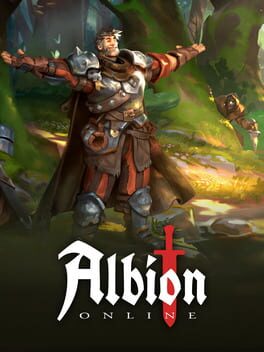
Albion Online is a sandbox MMORPG with a fully player-driven economy, territorial guild wars, and meaningful PvP death—its economic and political metagame is the closest thing to EVE in a non-space setting.
Key difference: Top-down medieval fantasy art style instead of 3D space.
Best for: EVE players who want the economy and PvP politics without space.
Skip if: You specifically need starships and a sci-fi universe.
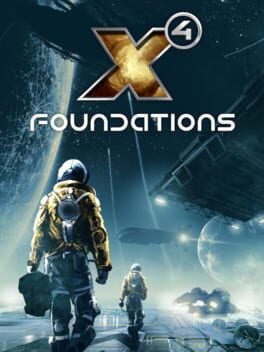
X4: Foundations is a solo space sandbox where you build an empire through trading, manufacturing, fleet management, and combat—capturing EVE's industrial and economic depth in a single-player format with real-time space flight.
Key difference: Entirely single-player; no MMO social layer or player-driven market.
Best for: EVE industrialists who want the same depth without other players.
Skip if: You need the social, political, and PvP dimensions of EVE.
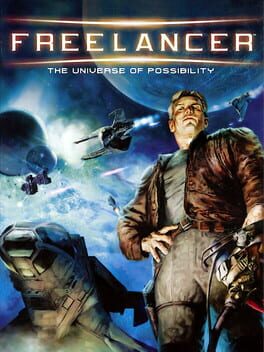
Freelancer (2003) is a classic space sandbox where you trade, fight, and explore a persistent galaxy—a more accessible precursor to Elite: Dangerous that shares EVE's freeform structure and faction systems.
Key difference: Older single-player campaign with multiplayer servers; no living economy.
Best for: Players who want EVE's old-school space adventure in a story-led wrapper.
Skip if: You want modern graphics, a live economy, or large-scale fleet warfare.
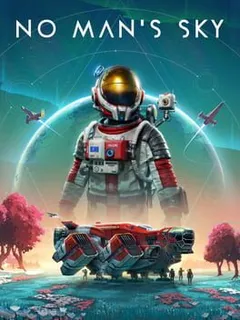
No Man's Sky puts you in a procedurally generated galaxy to mine, trade, build bases, and travel between star systems in a sci-fi sandbox with optional multiplayer. Like EVE, the open universe rewards specialisation and self-directed goals.
Key difference: Solo-friendly survival loop; no meaningful PvP or player economy.
Best for: Players who want EVE's exploration loop without cutthroat PvP risk.
Skip if: You want player-driven conflict and a real market to manipulate.
FTL: Faster Than Light is a space-strategy game where you manage crew, resources, and ship systems while navigating a hostile galaxy, echoing EVE's resource juggling and the tension of being destroyed at any moment. Decision-making under pressure is the core loop.
Key difference: Roguelike single-player run; no persistent world or other players.
Best for: Solo players who love EVE's ship management and tactical combat.
Skip if: You need a persistent multiplayer universe and long-term progression.
Starbound is a 2D space sandbox where you hop between procedural planets, mine resources, craft gear, and build outposts — sharing EVE's spirit of player-defined progression in a sci-fi universe. The multiplayer server layer adds a social dimension.
Key difference: 2D platformer structure; combat is action-based, not fleet tactics.
Best for: Players who want EVE's sandbox goals in an accessible co-op format.
Skip if: You need true PvP stakes, a real economy, or 3D space travel.
RuneScape is a browser-era MMORPG whose skill-based progression, player-driven grand exchange economy, and PvP wilderness zones mirror EVE's core pillars more than most games on this list. You train skills, trade commodities, and choose your own path.
Key difference: Fantasy setting; no space, no ships, no fleet combat.
Best for: Players who love EVE's economy and skill grind without sci-fi trappings.
Skip if: You specifically want space combat and a universe-scale sandbox.
Kerbal Space Program rewards deep engagement with orbital mechanics, spacecraft design, and mission planning in a science-fiction sandbox—matching EVE's ethos of steep learning curves and mastery. The sandbox mode lets you set your own goals entirely.
Key difference: Purely a solo space sim; no combat, no economy, no other players.
Best for: EVE players drawn to the engineering and navigation side of space.
Skip if: You need social gameplay, combat, or a real persistent universe.
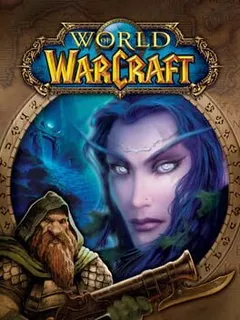
World of Warcraft is the defining persistent MMORPG with guilds, a player auction-house economy, and a vast open world to explore—the same social and economic infrastructure that makes EVE tick, transplanted to a fantasy setting.
Key difference: Fantasy setting; structured quest-driven progression, not freeform sandbox.
Best for: Players who love EVE's guild politics and economy in a guided MMO.
Skip if: You want open-ended sandbox freedom and meaningful PvP consequences.
Destiny 2 is an online sci-fi looter-shooter with persistent player hubs, faction content, and an evolving live-service universe—sharing EVE's ongoing world and sci-fi social gameplay, though built around action gunplay rather than strategy.
Key difference: Linear loot-shooter loop; no player economy or freeform sandbox.
Best for: EVE players who want accessible co-op sci-fi without the spreadsheets.
Skip if: You want open PvP, player markets, or true sandbox freedom.
Mount & Blade blends real-time tactical combat with a sandbox economy: you trade goods between towns, hire troops, build a faction, and wage war—all player-directed. The economic and political metagame echo EVE's depth at a smaller scale.
Key difference: Medieval setting; no multiplayer persistence or shared universe.
Best for: Players who love EVE's economic and political sandbox in a solo game.
Skip if: You need space, multiplayer, or a real persistent online world.
DayZ is a brutal open-world survival sandbox where player interaction is the content—trading, betrayal, and emergent stories arise from player choices, mirroring EVE's player-driven narrative and meaningful permadeath consequences.
Key difference: On-foot survival horror; no economy, no space, no ship progression.
Best for: EVE players drawn to high-stakes PvP and emergent player stories.
Skip if: You want structured progression, crafting depth, or a space setting.
Spore moves through stages of evolution culminating in a 4X space-age phase with exploration, diplomacy, trade, and conquest—the space stage echoes EVE's galaxy traversal and faction relations at a casual level.
Key difference: Mostly single-player; the space phase is lighter than EVE's depth.
Best for: Players who want EVE's galactic scope in a casual, whimsical package.
Skip if: You want deep PvP, a real player economy, or MMO-scale politics.
Civilization V is a 4X strategy game sharing EVE's expand-exploit-exterminate loop and deep metagame thinking—building an empire through diplomacy, trade, and warfare across a persistent map rivals EVE's strategic layer.
Key difference: Turn-based single-player; no real-time combat or shared universe.
Best for: Players who love EVE's strategic thinking without the time investment.
Skip if: You need real-time action, sci-fi setting, or live multiplayer.
The Elder Scrolls Online is a persistent MMORPG with player guilds, a trading economy, and open-world exploration—sharing EVE's social infrastructure and long-term character development, though in a fantasy world.
Key difference: Theme-park MMO questing; less freeform than EVE's pure sandbox.
Best for: Players who want EVE's guild economy loop in a more guided MMO.
Skip if: You need a space setting, ruthless PvP, or a truly player-driven world.
Fully piloted ships in first/third person; no spreadsheet-level corp metagame.
PlayStation, PC, Xbox
Star Citizen
90%
Role-playing (RPG), Simulator
Fully first-person piloting; still in prolonged early access with instability.
PC
Albion Online
85%
Role-playing (RPG), Sandbox
Top-down medieval fantasy art style instead of 3D space.
Xbox, PC, Mobile
X4: Foundations
82%
Simulator, Strategy
Entirely single-player; no MMO social layer or player-driven market.
PC
Freelancer
72%
Simulator, Science fiction
Older single-player campaign with multiplayer servers; no living economy.
PC
No Man's Sky
70%
Simulator, Action
Solo-friendly survival loop; no meaningful PvP or player economy.
Xbox, PlayStation, Nintendo, PC
FTL: Faster Than Light
65%
Role-playing (RPG), Simulator
Roguelike single-player run; no persistent world or other players.
PC, Mobile
Starbound
60%
Role-playing (RPG), Action
2D platformer structure; combat is action-based, not fleet tactics.
Xbox, PC
RuneScape
60%
Role-playing (RPG), Action
Fantasy setting; no space, no ships, no fleet combat.
PC, Mobile
Kerbal Space Program
55%
Simulator, Science fiction
Purely a solo space sim; no combat, no economy, no other players.
PlayStation, PC, Nintendo, Xbox
World of Warcraft
50%
Role-playing (RPG), Action
Fantasy setting; structured quest-driven progression, not freeform sandbox.
PC
Destiny 2
45%
Role-playing (RPG), Action
Linear loot-shooter loop; no player economy or freeform sandbox.
Xbox, PlayStation, PC
Mount & Blade
45%
Role-playing (RPG), Simulator
Medieval setting; no multiplayer persistence or shared universe.
PC
DayZ
42%
Role-playing (RPG), Simulator
On-foot survival horror; no economy, no space, no ship progression.
Xbox, PlayStation, Nintendo, PC
Spore
40%
Role-playing (RPG), Simulator
Mostly single-player; the space phase is lighter than EVE's depth.
PC
What Makes a Game Feel Like EVE Online?
The games that genuinely scratch the EVE itch share at least two of three traits: a persistent shared universe with other real players, a player-driven economy with real supply and demand, and freeform progression where you set your own goals. Elite: Dangerous hits all three in a space setting. Albion Online and RuneScape nail the economy and long-term skill progression even without space. No Man's Sky delivers the exploration and sci-fi sandbox but strips out the meaningful PvP that makes EVE's universe feel dangerous.
Games that merely share the "science fiction" tag — like Destiny 2 or Mass Effect — don't genuinely replicate the experience; what you're really after is emergent player-driven content, not a scripted sci-fi story.
Best EVE Alternatives for the Industrialist vs. the Pirate
If EVE's industrial and economic depth is your obsession — market trading, manufacturing, logistics — look at X4: Foundations (solo empire-building with full supply chains), Albion Online (player economy with territorial control), or even RuneScape's Grand Exchange for a lighter take. For players who live for PvP and the thrill of risking your assets, Elite: Dangerous's open mode and DayZ's brutal open-world survival both replicate that heart-rate spike when another real player appears on your radar.
FTL: Faster Than Light is a sleeper pick for solo players: the resource management, ship loadout decisions, and moment-to-moment crisis management under fire mirror the cognitive load EVE combat demands — just without the 200-player fleet.
Stepping Down the Learning Curve: Accessible Space Sandboxes
EVE's reputation for brutality can put off new players. No Man's Sky is the friendliest entry point into open-world space exploration, offering mining, trading, and base-building with minimal punishment for failure. Starbound goes further toward accessibility with a 2D co-op format that still rewards the same self-directed goal-setting. Kerbal Space Program is the pick for players who are fascinated by the science and engineering of space rather than the combat — its learning curve is steep but built on physics, not politics.
No single game fully replicates EVE's combination of a persistent player-run economy, large-scale fleet PvP, and total sandbox freedom. Elite: Dangerous comes closest in space setting and scope, while Albion Online most closely mirrors the economic and territorial warfare systems. Star Citizen, currently in early access, is the most ambitious attempt at a direct EVE equivalent.
What is the best EVE Online alternative for solo players?
X4: Foundations is the strongest solo alternative, letting you build a space empire through trading, manufacturing, and fleet management at your own pace. FTL: Faster Than Light captures the tactical decision-making of EVE combat in a solo roguelike format. No Man's Sky works well for solo exploration with optional multiplayer.
Are there any free games like EVE Online?
EVE Online itself is free-to-play with limitations. RuneScape is free and shares EVE's skill-based progression and player economy. War Thunder is a free vehicle-combat simulator with deep multiplayer PvP. Destiny 2 is free-to-play and offers persistent sci-fi co-op content, though it's far more action-oriented.
What game has the best player-driven economy like EVE?
Albion Online is the strongest match for EVE's economy — every item in the game is crafted by players and sold on regional markets, with territorial control affecting resource access. Black Desert Online has exceptionally deep lifeskill and trading systems. RuneScape's Grand Exchange is a classic player-driven market that mirrors EVE's trading gameplay.
What should I play after EVE Online if I want a real-time space sandbox?
Elite: Dangerous is the natural next game — it shares the 3D space setting, multiple career paths (trader, explorer, bounty hunter, pirate), and a persistent multiplayer galaxy. If you want something more action-focused, Star Citizen (early access) is the most ambitious space sandbox currently in development. No Man's Sky offers a more relaxed alternative with regular free content updates.
 93%
93%