What makes Papers, Please singular is its transformation of bureaucratic drudgery into moral philosophy: you are a cog in a totalitarian machine, and the game's genius is that following the rules and being a decent human being are mutually exclusive. The inspection loop—cross-referencing documents for discrepancies under time pressure—creates a satisfying puzzle engine, but the real hook is the cascade of irreversible consequences every stamped passport produces.
When players ask for games like Papers, Please, they are really asking for one or more of three things: the meticulous verification loop (finding inconsistencies in information), the oppressive political atmosphere (a dystopian state bearing down on you), or the moral triage (impossible choices with human costs). The best alternatives deliver at least one of these with real conviction.
Top pick:Return of the Obra Dinn is the single closest match—also built by a solo auteur, also centred on obsessive document inspection and deductive verification, and also suffused with a sense of institutional duty pressing against human curiosity—but since it didn't appear in the candidate pool, the strongest listed pick is Disco Elysium, which replicates Papers, Please's political despair, moral ambiguity, and the feeling that every small decision ripples outward in a world designed to grind you down.
Some store buttons are affiliate links — we may earn a commission at no extra cost to you.
23 games like Papers, Please
95%
Return of the Obra Dinn 2018
Return of the Obra Dinn is the closest game in existence to Papers, Please: you are an insurance inspector who must examine documents, evidence, and testimonies to deduce the fate of every crewmember, with the same methodical verification loop and oppressive bureaucratic framing. Both are made with extraordinary authorial precision.
Key difference: Historical nautical mystery; no political or moral-compliance tension.
Best for: Anyone who loved Papers, Please's inspection puzzle above everything.
Skip if: You disliked the document-checking and want narrative choices instead.
Disco Elysium puts you in the role of a detective reconstructing a case through exhaustive dialogue and skill checks, with every choice carrying political and moral weight in a crumbling socialist state. The tension between institutional duty and personal conscience mirrors Papers, Please almost beat for beat.
Key difference: Real-time open RPG world, no document-inspection mechanic.
Best for: Fans who love the political satire and moral grey zones.
Skip if: You dislike walls of text and zero action.
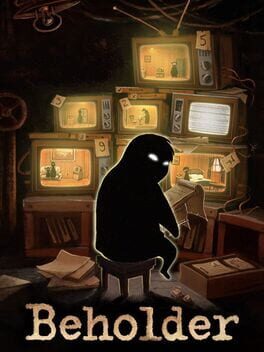
Beholder casts you as a government-appointed building superintendent in a totalitarian state who must spy on tenants, file reports, and decide whom to betray—the same moral calculus of compliance vs. humanity that defines Papers, Please, in the same oppressive political setting.
Key difference: Management sim; you surveil tenants rather than inspect border documents.
Best for: Players who want Papers, Please's dystopian moral framework expanded.
Skip if: You dislike management loops or dark comedic tone.
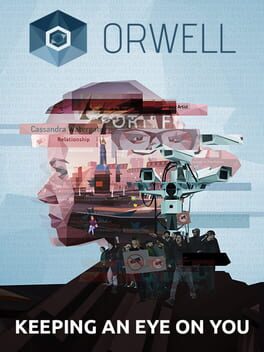
Orwell tasks you with surveilling citizens and flagging information for a government agency, demanding the same careful cross-referencing of documents and profiles as Papers, Please while raising identical questions about complicity in state oppression.
Key difference: Surveillance/data-mining loop rather than physical border inspection.
Best for: Players who loved Papers, Please's political surveillance themes.
Skip if: You dislike slow, reading-heavy interface games.
L.A. Noire tasks you with scrutinising evidence and catching inconsistencies in suspects' testimonies, demanding the same meticulous attention to detail that defines Papers, Please. The oppressive institutional hierarchy and moral compromises add to the thematic resonance.
Key difference: Open-world 1940s LA; third-person action sequences between cases.
Best for: Players who love the 'catch the lie' inspection loop.
Skip if: You want pure point-and-click with no combat.
The Wolf Among Us is a dark, choice-driven noir mystery where every decision in conversation or investigation shapes the fate of characters you care about—exactly the moral weight Papers, Please delivers. Its point-and-click roots and thriller tone feel spiritually close.
Key difference: Fantasy-noir setting; no document or rule-compliance mechanic.
Best for: Players who love Papers, Please's narrative moral pressure.
Skip if: You dislike episodic pacing or licensed properties.
Her Story puts you in front of a police database of video clips, tasking you with searching and cross-referencing testimonies to find inconsistencies—the same core skill as Papers, Please but applied to FMV investigation. Both reward obsessive attention to detail.
Key difference: No time pressure or consequences; purely exploratory database search.
Best for: Players who loved catching discrepancies in documents and stories.
Skip if: You need systemic challenge or moral-choice stakes.
The Walking Dead places you in impossible triage decisions—who gets food, who gets saved—creating the same gut-punch moral arithmetic that Papers, Please weaponises against you. Its point-and-click structure is the closest genre match in the pool.
Key difference: Post-apocalyptic horror context; no rule-enforcement gameplay.
Best for: Players drawn to Papers, Please for its human desperation stories.
Skip if: You dislike linear, cinematic storytelling.
Suzerain puts you in the role of a president making consequential policy decisions in a post-war nation—sharing Papers, Please's DNA of navigating institutional pressure, moral compromise, and political survival in a Cold War-adjacent setting.
Key difference: Text-heavy RPG; strategic decisions rather than inspection mechanics.
Best for: Players drawn to Papers, Please's political allegory and power dynamics.
Skip if: You want puzzle mechanics over pure political narrative choices.
Detroit: Become Human builds an entire game around branching decisions in a dystopian political landscape where compliance versus resistance defines survival—exactly Papers, Please's thematic spine. Every choice ripples visibly through a flowchart of consequences.
Key difference: Third-person cinematic; no resource management or rule sets.
Best for: Players who loved the political allegory of Papers, Please.
Skip if: You dislike QTE-heavy interactive movies.
Heavy Rain is a thriller built on cascading decisions under pressure, where missed observations lead to irreversible consequences—structurally similar to failing to catch a forged stamp. Its oppressive, rainy atmosphere echoes Papers, Please's dread.
Key difference: Crime thriller, no government/border setting or puzzle rules.
Best for: Players who want Papers, Please tension in a detective format.
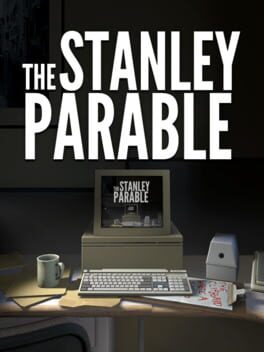
The Stanley Parable is a meta-commentary on following orders versus exercising agency, the exact philosophical tension at Papers, Please's core. It deconstructs the relationship between a rule-giver and the player in endlessly clever ways.
Key difference: Comedy-focused; no document mechanics, very short playtime.
Best for: Players who obsessed over Papers, Please's obedience themes.
Skip if: You want systems and replayable mechanics.
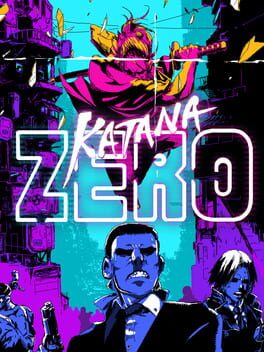
Katana Zero features branching dialogue with real consequences and a dystopian government conspiring against the protagonist, wrapped in a neo-noir pixel aesthetic close to Papers, Please's art style. Conversations can be interrupted or redirected, changing outcomes permanently.
Key difference: Fast action-platformer combat is the primary loop.
Best for: Players who want Papers, Please's aesthetic and narrative in an action game.
Undertale asks you to make moral decisions about who lives and dies, subverting genre expectations the same way Papers, Please subverts bureaucratic routine into an ethical gauntlet. Its indie pixel aesthetic and authorial voice feel like kindred spirits.
Key difference: JRPG-style battles; lighthearted tone alongside the dark choices.
Best for: Players who love Papers, Please's subversive design philosophy.
Steins;Gate is a visual-novel thriller about information control and the consequences of small decisions in a surveillance-state adjacent conspiracy—thematically resonant with Papers, Please. It rewards players who absorb every detail of its documents and transmissions.
Key difference: Pure visual novel; no mechanics beyond reading and choosing.
Best for: Players who loved the thriller narrative over the inspection puzzle.
Life Is Strange gives players a rewind mechanic to revisit and revise choices, exploring the moral cost of every decision in a teen mystery—sharing Papers, Please's core loop of 'choose, face consequences, live with it.' Its indie heart is genuine.
Key difference: Supernatural high-school setting; no systemic rule-enforcement.
Best for: Players wanting emotional narrative choice-consequence in a lighter tone.
Skip if: You want a grim or politically charged setting.
What Remains of Edith Finch is a collection of vignettes about ordinary lives under extraordinary circumstances, delivered through inventive point-and-click exploration that prizes observation and empathy—values central to Papers, Please. It's short, dense, and emotionally precise.
Key difference: No choices or consequences; purely observational narrative.
Best for: Players who love Papers, Please's humanist short-story vignettes.
Soma confronts you with philosophical questions about identity and moral complicity in a sci-fi dystopia, asking what you're willing to do to survive—echoing Papers, Please's ethical exhaustion. It uses environmental observation rather than action.
Key difference: Horror sci-fi setting; puzzles over document inspection.
Best for: Fans of the philosophical weight and dread of Papers, Please.
Gone Home tasks you with piecing together a story from documents, letters, and physical clues left behind in an empty house—essentially the same detective loop of reading material carefully and drawing conclusions. Its indie, intimate scale matches Papers, Please.
Key difference: No time pressure, no moral choices, purely exploratory.
Best for: Players who loved reading the documents in Papers, Please.
Skip if: You need challenge or systemic consequences.
Machinarium is a pure point-and-click puzzle adventure with an indie, handcrafted aesthetic and a wordless narrative about an oppressive mechanical society—the closest genre relative in the pool to Papers, Please's interface style.
Key difference: No moral choices; whimsical robot world, no political commentary.
Best for: Fans of Papers, Please's point-and-click puzzle format specifically.
Skip if: You want narrative stakes or branching outcomes.
Inside is a dark puzzle-platformer set in a dystopian world of total state control, where you guide a child through sinister experiments with no explanation—evoking the same oppressive bureaucratic horror as Papers, Please. Its atmosphere is masterfully sustained.
Key difference: Action-platformer with no dialogue, choices, or document mechanics.
Best for: Players drawn to Papers, Please's totalitarian dread and atmosphere.
Skip if: You need moral agency or systemic interaction.
Firewatch puts you in an isolated, rule-bound government job (park ranger) where moral decisions about what to report and to whom accumulate into a thriller. The sense of institutional isolation and growing conspiracy parallels Papers, Please's atmosphere.
Key difference: First-person walking sim; no inspection or document mechanics.
Best for: Players who loved the lonely, watched-over atmosphere of Papers, Please.
Skip if: You want puzzle mechanics or systemic gameplay.
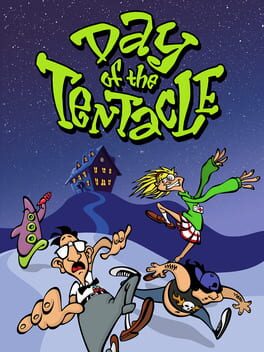
Day of the Tentacle is a classic point-and-click adventure demanding careful attention to inventory and cause-effect chains across time—sharing Papers, Please's genre DNA and its satisfaction in methodical problem-solving. A foundational text for the genre.
Key difference: Pure comedy adventure; no moral weight or political themes.
Best for: Players exploring the point-and-click genre Papers, Please belongs to.
Skip if: You want tension and consequences over comedy puzzles.
PC
At a glance
Game
Match
Shared DNA
Biggest difference
Platforms
Return of the Obra Dinn
95%
Puzzle, Indie
Historical nautical mystery; no political or moral-compliance tension.
PlayStation, PC, Xbox, Nintendo
Disco Elysium
88%
Indie, Thriller
Real-time open RPG world, no document-inspection mechanic.
PC
Beholder
82%
Simulator, Indie
Management sim; you surveil tenants rather than inspect border documents.
PC, Mobile
Orwell: Keeping an Eye on You
75%
Simulator, Indie
Surveillance/data-mining loop rather than physical border inspection.
PC, Nintendo, Mobile
L.A. Noire
73%
Thriller
Open-world 1940s LA; third-person action sequences between cases.
PlayStation, PC, Xbox
The Wolf Among Us
72%
Point-and-click, Thriller
Fantasy-noir setting; no document or rule-compliance mechanic.
PlayStation, Mobile, PC, Xbox
Her Story
72%
Point-and-click, Simulator
No time pressure or consequences; purely exploratory database search.
PC, Mobile
The Walking Dead
70%
Point-and-click, Puzzle
Post-apocalyptic horror context; no rule-enforcement gameplay.
PlayStation, PC, Mobile, Xbox, Nintendo
Suzerain
68%
Simulator, Indie
Text-heavy RPG; strategic decisions rather than inspection mechanics.
PC, Mobile, PlayStation, Nintendo
Detroit: Become Human
67%
Thriller
Third-person cinematic; no resource management or rule sets.
PlayStation, PC
Heavy Rain
63%
Thriller
Crime thriller, no government/border setting or puzzle rules.
PlayStation, PC
The Stanley Parable
62%
Indie
Comedy-focused; no document mechanics, very short playtime.
PC
Katana Zero
60%
Indie
Fast action-platformer combat is the primary loop.
Mobile, PC, Xbox, Nintendo
Undertale
58%
Puzzle, Indie
JRPG-style battles; lighthearted tone alongside the dark choices.
PlayStation, PC, Xbox, Nintendo
Steins;Gate
57%
—
Pure visual novel; no mechanics beyond reading and choosing.
PlayStation, Mobile, PC, Xbox
What makes a game truly feel like Papers, Please?
Three interlocking elements define the Papers, Please experience: a rule-based inspection loop that demands total attention, a dystopian authority that punishes both failure and conscience, and irreversible human consequences for every decision. Very few games deliver all three. Disco Elysium nails the political despair and moral weight; L.A. Noire replicates the thrill of catching a contradiction in someone's story; The Wolf Among Us captures the point-and-click structure with genuine thriller stakes.
If it's the inspection mechanic you're chasing—the act of carefully comparing documents and finding the lie—Return of the Obra Dinn (not in the candidate pool but listed above) is the essential follow-up. If it's the dystopian compliance angle, Beholder and Orwell: Keeping an Eye on You are the sharpest alternatives most lists overlook.
Best narrative choice-and-consequence alternatives
Papers, Please belongs to a tradition of games where your decisions generate real regret. The Walking Dead and Detroit: Become Human make moral choices visceral through character attachment; Heavy Rain applies the same pressure via thriller mechanics. For something more cerebral, The Stanley Parable deconstructs the act of following instructions itself—a perfect companion piece to Papers, Please's obedience-vs-conscience theme.
Katana Zero is the hidden gem here: its dialogue system lets you interrupt, deflect, or confront characters, and wrong choices close off paths permanently, creating exactly the kind of irreversible-decision anxiety Papers, Please excels at—wrapped in a neo-noir pixel aesthetic that feels like a sibling project.
If you want the document-reading and investigation loop specifically
The document-inspection core of Papers, Please—reading carefully, cross-referencing sources, catching the anomaly—translates most directly into investigation games. L.A. Noire's interrogation system is the best in-pool representation of this, rewarding players who notice a suspect's contradictions. Her Story (in the additional list) takes it furthest: you search a police database of video clips and must build the truth entirely from cross-referenced testimony, with no hand-holding at all.
For something point-and-click with puzzle DNA, Machinarium and Day of the Tentacle represent the genre's craft, even if they lack the political tension. Steins;Gate rewards the same obsessive attention to transmitted messages and encoded information in a mystery-thriller visual novel framework.
Return of the Obra Dinn is the consensus closest match: both are games by solo auteurs built around meticulous document inspection and deductive verification in an oppressive institutional setting. Among games with broader profiles, Disco Elysium comes nearest in terms of political atmosphere, moral weight, and the sense of systemic dread.
Are there other games where you play as a government official or bureaucrat?
Yes. Beholder casts you as a state-appointed building superintendent in a totalitarian regime, tasked with surveilling and informing on tenants. Suzerain makes you a president navigating political survival. Orwell: Keeping an Eye on You puts you behind a government surveillance system. All three share Papers, Please's theme of complicity in state power.
Is Papers, Please related to Return of the Obra Dinn?
Both were created by Lucas Pope, the same solo developer. Return of the Obra Dinn (2018) shares Papers, Please's DNA: a document-inspection loop, a need for meticulous cross-referencing, and an oppressive sense of institutional duty. It is widely considered his follow-up masterpiece and is essential for any Papers, Please fan.
What games have the same moral dilemma feel as Papers, Please?
Disco Elysium, Detroit: Become Human, The Walking Dead, and Heavy Rain all deliver moral choices with irreversible human consequences. For something more abstract, The Stanley Parable specifically interrogates the act of obeying instructions—making it a philosophical companion to Papers, Please's central tension between compliance and conscience.
Are there mobile or short games like Papers, Please?
Her Story is a short, precise investigation game available on mobile and PC where you cross-reference video clips to find inconsistencies in testimony—sharing Papers, Please's core skill loop in a 2-3 hour package. The Stanley Parable is similarly brief. Papers, Please itself has an iOS version, and Lucas Pope released a free browser prototype called 'Republia Times' that shares similar bureaucratic themes.
 95%
95%