Tell us a game you love

Games Like Darkest Dungeon

Updated June 2026 · data via IGDB

Darkest Dungeon works because it treats adventuring as a war of attrition — heroes break down psychologically, resources drain run by run, and victory is often just surviving with who's left. The gothic horror aesthetic, the weight of permadeath decisions, and the roguelike structure that forces you to adapt and rebuild define its DNA.

When players ask for "games like Darkest Dungeon," they're really asking for that cocktail: punishing turn-based or tactical combat, meaningful resource and party management, dark atmosphere, and the slow creep of dread that comes from knowing a bad run will cost you something permanent. The best alternatives nail at least two of those pillars.

Top pick: XCOM: Enemy Unknown is the single closest match from this pool — it shares Darkest Dungeon's exact emotional core of managing named, leveled squad members through brutal turn-based tactical combat where permadeath makes every mission feel genuinely terrifying, and the base-management layer between missions mirrors the estate management loop almost beat for beat.

Some store buttons are affiliate links — we may earn a commission at no extra cost to you.

16 games like Darkest Dungeon

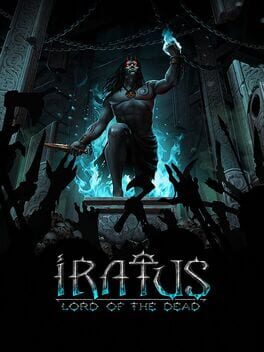
Iratus: Lord of the Dead cover96%💎 Gem

Iratus: Lord of the Dead 2020

Iratus is the closest mechanical clone of Darkest Dungeon in existence — a gothic turn-based dungeon RPG where you play the necromancer instead, managing undead minions with stress-like sanity mechanics inflicted on your enemies. Same formation-based combat, same oppressive narrator.

  • Key difference: You play the villain; inverted hero/monster dynamic.
  • Best for: DD fans who want the exact same loop with a fresh angle.
  • Skip if: You want something mechanically distinct from DD's formula.
PC
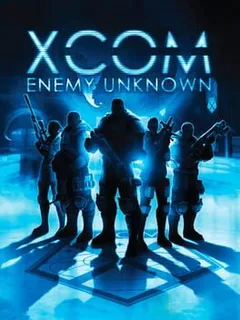
XCOM: Enemy Unknown cover92%

XCOM: Enemy Unknown 2012

XCOM: Enemy Unknown shares Darkest Dungeon's core loop of managing a squad of named soldiers through punishing tactical turn-based combat where permadeath makes every decision matter. The base management layer, resource scarcity, and escalating difficulty mirror DD's dungeon management almost exactly.

  • Key difference: Sci-fi setting; no sanity or stress mechanics.
  • Best for: Players who want permadeath squad tactics with base management.
  • Skip if: You need gothic horror atmosphere over strategy depth.
PlayStationPCMobileXbox
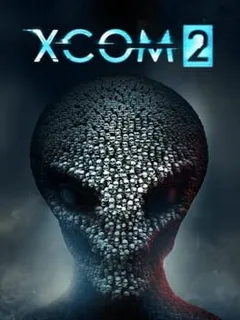
XCOM 2 cover89%

XCOM 2 2016

XCOM 2 refines the formula with more soldier customization, a stronger narrative pressure, and a timer mechanic that forces aggression — the same relentless dread DD creates through stress. Losing a veteran soldier still stings just as hard.

  • Key difference: Sci-fi resistance-war setting replaces gothic dungeon crawl.
  • Best for: Those who beat XCOM 1 and want more complexity.
  • Skip if: You dislike games where RNG can swing fatally against you.
PlayStationPCXboxNintendo
The Binding of Isaac: Rebirth cover85%

The Binding of Isaac: Rebirth 2014

The Binding of Isaac: Rebirth is a roguelike dungeon crawler steeped in grotesque horror imagery, where each run reshapes the dungeon and your character's power. The oppressive atmosphere, twisted religious iconography, and punishing difficulty match DD's tone closely.

  • Key difference: Real-time twin-stick shooter, no turn-based party management.
  • Best for: Solo players wanting fast-paced gothic roguelike runs.
  • Skip if: You need party tactics over solo bullet-dodging.
PlayStationPCNintendoMobileXbox
Slay the Spire cover82%

Slay the Spire 2019

Slay the Spire is a roguelike deck-builder with turn-based combat against escalating dungeon threats, procedural runs, and tense resource management between encounters. The strategic depth and run-ending difficulty spikes scratch the same itch as DD.

  • Key difference: Deck-building card mechanics replace direct party management.
  • Best for: Players wanting roguelike depth in a solo strategic format.
  • Skip if: You dislike card games or need a party-management layer.
PlayStationPCMobileXboxNintendo
Hades cover80%

Hades 2020

Hades is a roguelike with exceptional run-to-run progression and a dark mythological setting. Like Darkest Dungeon, each failed attempt inches permanent meta-progress forward, and the writing richly characterizes your roster of allies and enemies.

  • Key difference: Fast action combat; no stress or permadeath for heroes.
  • Best for: Players who want smoother difficulty curve with roguelike depth.
  • Skip if: You dislike action combat and need turn-based tactics.
XboxPlayStationPCMobileNintendo
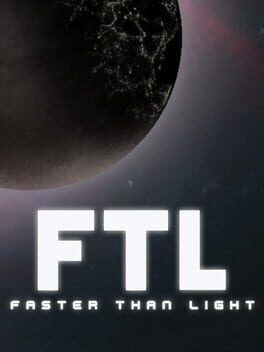
FTL: Faster Than Light cover76%

FTL: Faster Than Light 2012

FTL: Faster Than Light places you in command of a starship crew, managing resources, oxygen, fire, and crew injuries across brutal procedural encounters. The resource-scarcity tension and run-ending cascade of bad decisions feel exactly like DD expeditions gone wrong.

  • Key difference: Space strategy with real-time-with-pause combat, no RPG leveling.
  • Best for: Players who love resource management and punishing roguelikes.
  • Skip if: You dislike sci-fi or need character-level narrative depth.
PCMobile
Children of Morta cover74%💎 Gem

Children of Morta 2019

Children of Morta is a gothic roguelite about a family of heroes fighting procedural dungeons full of corruption and horror, with a meaningful narrative and family-wide permanent upgrades. The dark fantasy tone, procedural runs, and character management feel very DD.

  • Key difference: Real-time action combat; no stress mechanics or turn-based play.
  • Best for: Players who love DD's gothic family-narrative framing.
  • Skip if: You need turn-based tactics over real-time dungeon action.
PlayStationPCMobileXboxNintendo
Loop Hero cover72%💎 Gem

Loop Hero 2021

Loop Hero is a dark fantasy auto-battler roguelike where you place terrain cards around a looping path, managing resources and escalating monster waves. Its grim world-rebuilding narrative and oppressive dark atmosphere echo Darkest Dungeon's tone of struggling against encroaching darkness.

  • Key difference: Passive auto-combat; strategic card placement is the core input.
  • Best for: Players who love DD's dark world-building and resource tension.
  • Skip if: You want active tactical control over each combat action.
XboxPCMobileNintendo
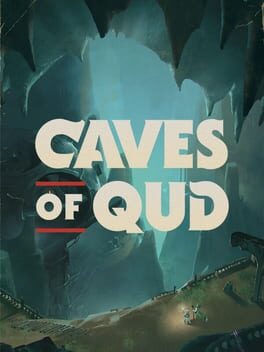
Caves of Qud cover68%💎 Gem

Caves of Qud 2024

Caves of Qud is a deeply complex roguelike RPG with brutal permadeath, mutation-based character building, and a post-apocalyptic dark-fantasy setting full of eldritch horror. The weight of loss and strategic depth rival Darkest Dungeon's.

  • Key difference: Massive open-world roguelike; overwhelming scope and complexity.
  • Best for: Hardcore roguelike fans who want the deepest possible system.
  • Skip if: You want focused dungeon runs, not open-world simulation depth.
PCNintendo
Dead Cells cover65%

Dead Cells 2018

Dead Cells is a gothic dungeon crawler roguelite with permanent meta-unlocks, brutal difficulty, and a grim fantasy aesthetic that echoes DD's decaying castle imagery. Combat is fast and reflex-driven rather than turn-based, but the loop of escalating runs is very familiar.

  • Key difference: Fast real-time action platformer; no party or stress system.
  • Best for: Players wanting gothic roguelite atmosphere with faster pacing.
  • Skip if: You specifically want turn-based tactics and party composition.
PlayStationPCMobileXboxNintendo
Divinity: Original Sin II cover63%

Divinity: Original Sin II 2017

Divinity: Original Sin II delivers deep turn-based party RPG combat with dark fantasy themes, party member management, and meaningful consequences for poor preparation. The tactical depth and dark narrative tone share DD's sense that the world is hostile and your party is fragile.

  • Key difference: No roguelike structure; persistent save, rich narrative focus.
  • Best for: Players wanting deep turn-based RPG without permadeath anxiety.
  • Skip if: You want roguelike runs over a long structured campaign.
PCMobile
Baldur's Gate III cover58%

Baldur's Gate III 2023

Baldur's Gate III features richly tactical turn-based party combat, dark fantasy horror underpinnings, and party members who can permanently die from bad decisions. The weight of managing a flawed team against overwhelming odds echoes DD's party dynamics.

  • Key difference: Huge narrative-driven RPG; no roguelike or stress mechanics.
  • Best for: Players wanting the deepest turn-based RPG in dark fantasy.
  • Skip if: You want short roguelike loops rather than 80-hour campaigns.
XboxPCPlayStation
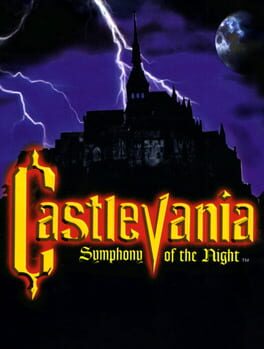
Castlevania: Symphony of the Night cover52%

Castlevania: Symphony of the Night 1997

Castlevania: Symphony of the Night is a gothic horror dungeon-crawler with RPG leveling, a labyrinthine castle full of dread, and dark fantasy monsters — sharing DD's visual and tonal atmosphere even if the mechanics differ sharply.

  • Key difference: Metroidvania action platformer; no turn-based or roguelike structure.
  • Best for: Players who love gothic horror and dungeon exploration above tactics.
  • Skip if: You need turn-based strategy; this is pure action platforming.
PlayStationXbox
Dragon Age: Origins cover50%

Dragon Age: Origins 2009

Dragon Age: Origins features tactical party-based RPG combat with hero permadeath on Nightmare difficulty, dark fantasy horror themes, and a party of deeply flawed companions under constant threat. Managing party composition under pressure echoes DD's team dynamics.

  • Key difference: Story-rich third-person RPG with pause-and-issue-orders combat.
  • Best for: Players who want darker party RPG with rich lore and narrative.
  • Skip if: You want roguelike loops; this is a long single-campaign RPG.
PlayStationPCXbox
Diablo II cover46%

Diablo II 2000

Diablo II is a dungeon-crawling dark-fantasy RPG with gothic horror aesthetics, resource pressure, and a relentless grind through increasingly lethal monster hordes. The dungeon-crawl loop and dark fantasy horror atmosphere overlap strongly with DD's feel.

  • Key difference: Real-time action ARPG; no stress, no party permadeath, no turns.
  • Best for: Players who want dark fantasy dungeon loot grind over tactics.
  • Skip if: You dislike real-time action and need the turn-based structure.
PC

At a glance

GameMatchShared DNABiggest differencePlatforms
Iratus: Lord of the Dead96%Role-playing (RPG), StrategyYou play the villain; inverted hero/monster dynamic.PC
XCOM: Enemy Unknown92%Role-playing (RPG), StrategySci-fi setting; no sanity or stress mechanics.PlayStation, PC, Mobile, Xbox
XCOM 289%Role-playing (RPG), StrategySci-fi resistance-war setting replaces gothic dungeon crawl.PlayStation, PC, Xbox, Nintendo
The Binding of Isaac: Rebirth85%Role-playing (RPG), AdventureReal-time twin-stick shooter, no turn-based party management.PlayStation, PC, Nintendo, Mobile, Xbox
Slay the Spire82%Role-playing (RPG), StrategyDeck-building card mechanics replace direct party management.PlayStation, PC, Mobile, Xbox, Nintendo
Hades80%Role-playing (RPG), AdventureFast action combat; no stress or permadeath for heroes.Xbox, PlayStation, PC, Mobile, Nintendo
FTL: Faster Than Light76%Role-playing (RPG), StrategySpace strategy with real-time-with-pause combat, no RPG leveling.PC, Mobile
Children of Morta74%Role-playing (RPG), AdventureReal-time action combat; no stress mechanics or turn-based play.PlayStation, PC, Mobile, Xbox, Nintendo
Loop Hero72%Role-playing (RPG), StrategyPassive auto-combat; strategic card placement is the core input.Xbox, PC, Mobile, Nintendo
Caves of Qud68%Role-playing (RPG), StrategyMassive open-world roguelike; overwhelming scope and complexity.PC, Nintendo
Dead Cells65%Adventure, IndieFast real-time action platformer; no party or stress system.PlayStation, PC, Mobile, Xbox, Nintendo
Divinity: Original Sin II63%Role-playing (RPG), StrategyNo roguelike structure; persistent save, rich narrative focus.PC, Mobile
Baldur's Gate III58%Role-playing (RPG), StrategyHuge narrative-driven RPG; no roguelike or stress mechanics.Xbox, PC, PlayStation
Castlevania: Symphony of the Night52%Role-playing (RPG), AdventureMetroidvania action platformer; no turn-based or roguelike structure.PlayStation, Xbox
Dragon Age: Origins50%Role-playing (RPG), FantasyStory-rich third-person RPG with pause-and-issue-orders combat.PlayStation, PC, Xbox

What Makes a Game Feel Like Darkest Dungeon?

The key is the intersection of turn-based tactical combat and meaningful loss. XCOM: Enemy Unknown and XCOM 2 hit this hardest: when a veteran soldier with 15 missions dies in a bad ambush, the grief is identical to watching your level-5 Plague Doctor get afflicted and wiped on the Darkest Dungeon's last floor. The Binding of Isaac: Rebirth captures the other pillar — the roguelike dungeon crawl where each run reshapes your build and the horror themes keep the atmosphere oppressive.

FTL: Faster Than Light offers perhaps the purest expression of DD's resource-starvation tension: you're always one bad decision away from a cascade failure, managing a crew whose survival depends on split-second triage. These three — XCOM, Isaac, and FTL — form the tightest core of what a Darkest Dungeon fan is really craving.

If You Want the Dark Fantasy RPG Side Over the Roguelike

If the gothic setting and party-based tactical RPG combat matter more to you than the roguelike loop, Divinity: Original Sin II and Baldur's Gate III are the strongest picks. Both deliver deep turn-based party combat in dark fantasy worlds where careful preparation is the difference between triumph and a party wipe. Dragon Age: Origins on Nightmare difficulty is an older but still excellent option, with real permadeath pressure and a darker tone than most of its contemporaries.

For the gothic horror atmosphere specifically without needing turn-based tactics, Castlevania: Symphony of the Night channels the same crumbling castle aesthetic and dread of what waits in the next room — it's just delivered as a Metroidvania rather than a dungeon-crawling RPG.

Hidden Gems That Most "Games Like Darkest Dungeon" Lists Miss

The most egregious omission on most recommendation lists is Iratus: Lord of the Dead (in our additional picks) — a game that copies Darkest Dungeon's formation-based stress combat almost exactly but flips you into the role of the necromancer, giving the formula fresh purpose. Almost as overlooked is Children of Morta, which wraps a roguelite dungeon crawler in exactly the kind of dark family narrative DD uses to make you care about your heroes.

From the candidate pool, FTL: Faster Than Light is the most underrated recommendation — people skip it because it's space-themed, but the crew management, the punishing resource economy, and the run-ending tension of a bad sector are as close to DD's dungeon-expedition feel as any game in a different setting gets.

More games to explore

Frequently asked questions

Is there a game exactly like Darkest Dungeon but different enough to feel fresh?

Iratus: Lord of the Dead is the closest mechanical twin — same formation-based turn-based combat, same stress and sanity system — but you play a necromancer building an undead army, which reverses the emotional dynamic entirely. If you want something with more distinction, XCOM: Enemy Unknown keeps the permadeath squad-management core but moves it into a sci-fi tactical framework.

What games like Darkest Dungeon are available on mobile or free to play?

The Binding of Isaac: Rebirth has a mobile port, and while free options are limited for this niche, Slay the Spire (in additional picks) is frequently on deep sale and has an excellent mobile version. XCOM: Enemy Unknown also has a solid mobile port if you want the full tactical experience on a touchscreen.

Are there games like Darkest Dungeon with less punishing difficulty?

Hades keeps the roguelike structure and dark mythology but lets you add God Mode assistance to reduce damage taken cumulatively — the run-loop stays intact without the brutal wipe potential. Divinity: Original Sin II on Explorer mode also scratches the dark fantasy turn-based itch without punishing permadeath.

What roguelikes are most similar to Darkest Dungeon's dungeon-crawl feel?

The Binding of Isaac: Rebirth is the top pick for roguelike dungeon-crawling with horror atmosphere. FTL: Faster Than Light matches the resource-scarcity and expedition-planning tension. Slay the Spire (additional picks) replaces the action with deck-building but preserves the "one bad encounter can end the run" pressure exactly.

Does Baldur's Gate 3 scratch the same itch as Darkest Dungeon?

Partially — both are turn-based party RPGs in dark fantasy settings where preparation and party composition decide survival. But BG3 is a rich narrative RPG without roguelike structure or a stress system, and there's no permadeath by default. It's a better fit if you want the tactical combat and dark tone without the punishing roguelike loop.