Devil May Cry (2001) essentially invented the stylish-action genre: third-person combat where your grade is determined not by damage dealt but by how you fight—weapon variety, aerial juggling, no-damage streaks, and unbroken style chains. The score-per-mission structure, gothic atmosphere, and the tension between demon power and human cool give it a specific feel that few games replicate completely.
When fans ask for "games like Devil May Cry," they're looking for at least one of three things: a style-ranking combat system that rewards mastery over button-mashing, a gothic or mythological action-adventure setting with powerful demon/monster enemies, or the specific kinesthetic joy of stringing aerial combos into S-rank territory. The best matches share the core loop of "fight smarter, not harder."
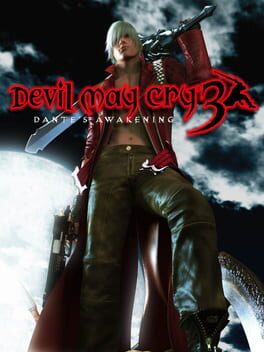
Top pick: The single closest pick is Devil May Cry 3: Dante's Awakening — it is the same game refined to its apex, introducing four combat styles that deepen DMC1's combo vocabulary into something most action games still haven't matched, and it's widely considered the high-water mark of the series' original run.
Some store buttons are affiliate links — we may earn a commission at no extra cost to you.
17 games like Devil May Cry
98%
Bayonetta 2020
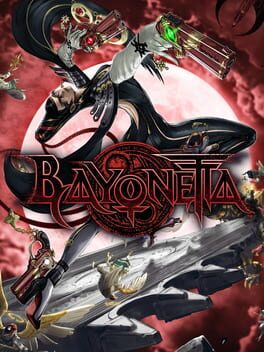
Created by DMC director Hideki Kamiya, Bayonetta is the definitive spiritual successor: a style-meter grading system, weapon-switching on every limb, witch-time dodges, and relentless combo expression make it more DMC than any other game.
Key difference: Over-the-top camp tone replaces gothic horror seriousness.
Best for: DMC fans who want the deepest stylish-action combat available.
Skip if: You dislike maximalist visual chaos and irreverent humor.
The third entry in Dante's story refines everything DMC1 introduced: a three-style system (Trickster, Swordmaster, Gunslinger, Royal Guard) rewards the same stylish juggling and combo creativity. The gothic atmosphere, twin pistols, and S-rank chasing are pure Devil May Cry DNA.
Best for: Fans who want the most mechanically deep DMC experience.
Skip if: You found DMC1's difficulty punishing.
PlayStation
92%
Metal Gear Rising: Revengeance 2013
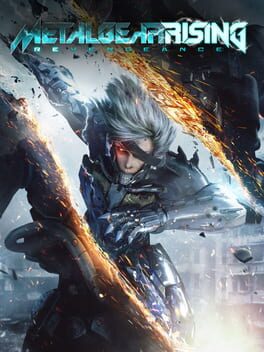
Revengeance brings Platinum's stylish-action expertise to a cyberpunk setting, with Blade Mode parries and free-slicing mechanics that reward the same kind of creative aggression DMC's style rank incentivizes.
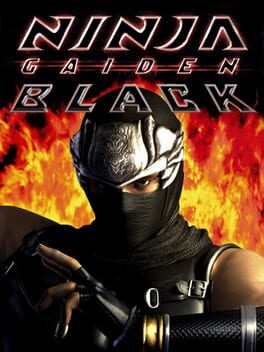
Ninja Gaiden Black is DMC's equal in demanding combo mastery: rapid weapon-switching, airborne juggling, and enemy AI that punishes passive play. The ninja-horror setting closely mirrors DMC1's gothic tension.
Key difference: No style-rank; difficulty is punishing even on normal mode.
Best for: Players who want DMC's skill ceiling with a ninja theme.
Skip if: You want forgiving checkpoints or a style-meter to chase.
Xbox
88%
Devil May Cry 4 2008
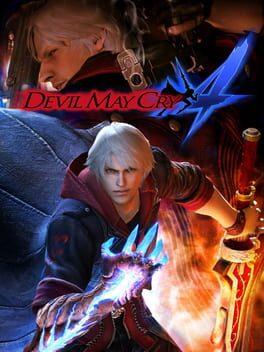
Devil May Cry 4 keeps the Stylish Rank system and adds Nero's grapple arm alongside Dante's full moveset, doubling the character variety. Mission scoring and orb collection carry over almost identically from the original.
Key difference: Half the game is a new protagonist, Nero, not Dante.
Best for: Players who want more DMC with a fresh combatant.
Skip if: You dislike backtracking through recycled levels.
God of War (2005) is the closest console rival to DMC's original formula: fixed-camera action arenas, Greek mythology, and a combo-meter that rewards sustained aggression with higher grades. Kratos's chain-blades fill the same fantasy as Dante's sword and guns.
Key difference: No style-rank system; progression is linear godslaying revenge.
Best for: DMC fans who want a more story-driven, mythological edge.
Skip if: You need a style-meter and deep move customization.
NieR: Automata is a stylish action game with a style meter, weapon-combo variety, and a similar frenetic pace to DMC, wrapped in a genre-blending sci-fi setting. Like DMC, replaying missions with different loadouts reveals new depth.
Key difference: Shifts between bullet-hell, shoot 'em up, and hack-and-slash modes mid-game.
Best for: DMC fans who want story depth and philosophical weight.
Skip if: You want pure hack-and-slash without genre detours.
Ninja Theory's reboot keeps the style-meter grading, aerial combat, and weapon-switching at the core while retching up a faster, more fluid feel. The gothic urban setting echoes DMC1's castle atmosphere in a modern key.
Key difference: Westernized art direction divided the fanbase sharply.
Best for: New players or those who prefer smoother, modern controls.
Skip if: You want classic Dante and traditional lock-on targeting.
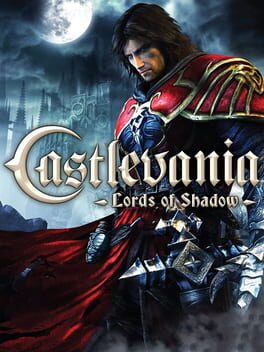
Castlevania: Lords of Shadow is a direct spiritual heir to classic DMC: a gothic European setting, combo-based whip combat with a style meter, weapon upgrades, and elaborately staged boss fights. The creature design and atmosphere are especially close.
Key difference: Slower pacing; heavier on platforming and puzzle segments.
Best for: DMC fans who want Gothic horror and a story-driven arc.
Skip if: You dislike long cutscenes and puzzle interruptions.
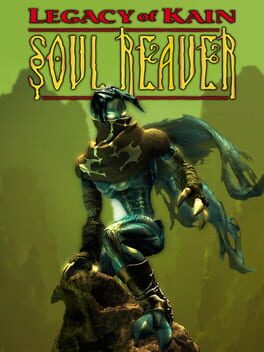
Legacy of Kain: Soul Reaver (1999) is a key ancestor of DMC: a gothic third-person action-adventure with a shape-shifting vampire hunter, spectral dimension-shifting, and arena-based enemy encounters. It directly influenced DMC's early development.
Key difference: Puzzle-heavy; slower paced with no style-ranking system.
Best for: History-minded players wanting to trace DMC's roots.
Skip if: You need modern controls and fast combat feedback.
Arkham Asylum introduced the Freeflow system—counter-chaining combat that grades your performance on unbroken streaks—making it the closest Western analogue to DMC's style-rank concept before the sequels expanded it.
Key difference: Smaller, more claustrophobic setting; heavier Metroidvania structure.
Best for: Those who want the original Freeflow in its tightest form.
Arkham Knight is the most combat-dense Arkham entry, adding dual-character play and expanded gadget chaining to the Freeflow system. The combo variety approaches DMC's depth.
Key difference: Batmobile tank sections split the experience significantly.
Best for: Freeflow fans who want the biggest, most polished Arkham.
Skip if: You hate vehicular combat forced into the critical path.
Shadow of Mordor's fluid melee—chaining executions, counters, and special kills in open combat arenas—feels adjacent to DMC's rhythm, rewarded by the emergent Nemesis system rather than a style rank.
Key difference: Open world; Nemesis system drives replayability over mission scores.
Best for: DMC fans who want hack-and-slash in an open sandbox.
Skip if: You want pure combo mastery without RPG dilution.
Hades is a hack-and-slash roguelite where each run rewards increasingly stylish play—weapon boons stack into wild combo expressions not unlike DMC's devil-trigger escalation. The moment-to-moment melee feels snappy and aggressive.
Sekiro demands precise parry timing and aggression over brute force, rewarding mastery the way DMC's S-rank rewards combo fluency. The posture/vitality system is its own kind of "style meter."
Blasphemous is a 2D Metroidvania with brutal melee, execution finishers, and a rich dark-fantasy aesthetic that feels like a side-scrolling DMC in mood and grotesque enemy design. Highly underplayed.
Key difference: 2D side-scroller; no style-ranking system.
Best for: Players who want DMC's atmosphere in a Metroidvania format.
The defining trait isn't just "has swords" or "has fantasy": it's a performance-grading combat system that reads your inputs and punishes repetition. DMC's Stylish Rank is mimicked most directly by the style-switch system in Devil May Cry 3 and the witch-time dodge of Bayonetta (in additional picks). The Freeflow chain in Batman: Arkham Asylum and Arkham City is the Western gaming industry's closest analogue—break the chain and your grade resets.
Beyond mechanics, tone matters: the gothic castle, demonic enemies, and a protagonist who is supernaturally cool under pressure. Castlevania: Lords of Shadow and Legacy of Kain: Soul Reaver nail that specific atmosphere even when their combat depth is lower.
If you want the deepest combo system instead of the DMC story
NieR: Automata is the best choice for players who want DMC-level combo expression wrapped in a richer narrative and a science-fiction world. Its weapon-type swapping and aerial cancel chains reward the same experimental approach to combat that DMC1 introduced. For the absolute skill ceiling, Sekiro: Shadows Die Twice replaces the style meter with a posture system—every deflect is a statement, every Deathblow a finishing flourish—but demands patience that DMC's arcade pacing does not.
Hidden gems most "games like DMC" lists miss
God of War: Ghost of Sparta and God of War: Chains of Olympus are PSP entries that deliver console-quality hack-and-slash action almost nobody discusses in the same breath as DMC, yet their combat density and boss design rival the PS2 mainline games. Legacy of Kain: Soul Reaver is a historical hidden gem—it directly influenced early DMC's design philosophy and its Gothic vampire-hunter premise feels like a prototype for Dante's world. Blasphemous translates DMC's dark religious imagery and brutal enemy design into a 2D Metroidvania that most stylish-action fans haven't discovered yet.
Yes, especially the PS2 trilogy (2005–2010). Both are third-person hack-and-slash games with Greek or demonic mythologies, combo-based melee, and spectacular boss encounters. The key difference is that God of War uses a rage/magic meter instead of DMC's style-rank, and its 2018 reboot moves further toward RPG territory.
What game is most similar to Devil May Cry's style system?
Bayonetta, made by DMC creator Hideki Kamiya, is the closest match—it uses the same S/A/B/C ranking per encounter, rewards aerial combos and no-damage runs, and adds witch-time dodge mechanics on top. Within the DMC series itself, Devil May Cry 3's four-style switch system is the deepest expression of the concept.
Are the Batman Arkham games like Devil May Cry?
Partially. The Freeflow combat in Arkham Asylum and Arkham City rewards unbroken combo chains and penalizes repetition, which is mechanically analogous to DMC's Stylish Rank. However, stealth, detective work, and an open world are equally prominent, so they're a partial match rather than a direct equivalent.
What should I play after finishing Devil May Cry 3?
Devil May Cry 4 adds Nero's Exceed gauge and gives Dante all three previous games' mechanics to play with. After that, NieR: Automata and Bayonetta are the natural next step for anyone who wants the same combo-expression depth in a fresh setting and story.
Is Sekiro like Devil May Cry?
In feel, somewhat—both reward aggressive mastery and punish passive play. But Sekiro's combat is deliberate and parry-focused rather than flashy and combo-ranked. There's no style meter, no weapon variety in the same sense, and the Souls-like structure is very different from DMC's scored missions. Think of Sekiro as what happens when you take DMC's skill demands and slow them down into a dueling rhythm.
 98%
98%