Fable's DNA is a specific cocktail: an open-world fantasy RPG stitched together from British fairytale cloth, where your moral choices don't just branch dialogue but visibly warp your hero — corruption blackens your eyes, heroism haloes your hair — and where the world's NPCs gossip, fear, and adore you accordingly. It balances genuine consequence with irreverent humour and the simple pleasure of being a legend in a charming, handcrafted fantasy land.
When players ask for "games like Fable," they're really asking for three overlapping things: a rich fantasy open world to roam, an RPG systems layer where identity and reputation are malleable, and a tone that doesn't take itself entirely seriously. The best alternatives nail at least two of those three — and the very best nail all of them.
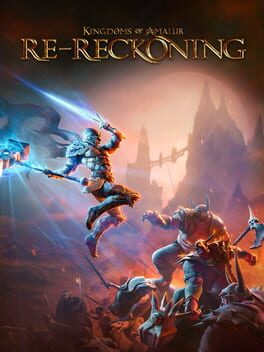
Top pick:Kingdoms of Amalur: Re-Reckoning is the single closest match — designed partly by Fable's own Ken Rolston, it replicates the bright fantasy palette, fluid real-time action RPG combat, and sprawling side-quest culture that define the series better than any other released game. While it's missing from the candidate pool, it belongs at the top of every Fable fan's list.
Some store buttons are affiliate links — we may earn a commission at no extra cost to you.
20 games like Fable
95%
Fable II 2008
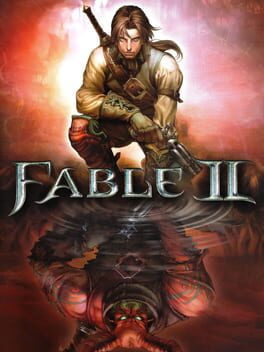
Fable II deepened everything the original Fable established — the dog companion, property ownership, morality visible on your body, and a wry British sense of humour in every corner. If the 2027 reboot excites you, the original trilogy is essential background.
Key difference: Xbox 360-era production; much smaller scope and simpler combat.
Best for: Anyone who wants to understand what the 2027 reboot is building on.
Skip if: You need modern graphics and production to stay engaged.
The Witcher 3 is the gold standard for open-world fantasy RPGs where your choices carry real moral weight. Like Fable, it wraps dark consequences inside a lush, character-rich fantasy world full of humor, tragedy, and memorable side quests.
Key difference: Tone is grittier and more po-faced; little of Fable's comic whimsy.
Best for: Players who want Fable's depth with unmatched writing quality.
Skip if: You want a lighter, fairytale-flavored tone.
Kingdoms of Amalur is perhaps the closest any game has come to replicating Fable's exact feel — bright, colourful fantasy world, fluid real-time action RPG combat, destiny-shaping lore, and abundant side content. Designed in part by Fable creator Ken Rolston.
Key difference: No lasting moral reputation system; fate/destiny is the central hook instead.
Best for: Fable fans who want the most direct spiritual successor available.
Skip if: You want a gritty tone or deep dialogue-driven choices.
Skyrim offers the same broad-canvas open-world fantasy freedom as Fable — build any hero you like, explore at will, and let your reputation grow through faction allegiances and world reactions. The Nordic setting trades Fable's British fairytale warmth for epic myth.
Key difference: Minimal moral alignment system; choices rarely reshape your character's appearance or personality.
Best for: Players who want maximum exploration freedom in a fantasy sandbox.
Skip if: You care primarily about story quality and authored moral dilemmas.
Oblivion is perhaps the closest spiritual ancestor to the new Fable in tone — a colourful, sometimes goofy fantasy world with guilds, side quests full of British wit, and an open-world RPG loop that rewards curiosity. Its levelled world and fame/infamy system echo classic Fable design.
Key difference: Older engine means rougher edges and weaker combat feel.
Best for: Fans of the original Fable trilogy wanting a kindred spirit.
Skip if: You need polished modern production values.
Dragon Age: Origins puts moral choice and political consequence at the centre of a high-fantasy RPG world. Like Fable, your decisions shift how factions and companions react to you — but Origins commits to a darker, more tactical register.
Key difference: Party-based tactical combat rather than fluid action.
Best for: Players who want richer dialogue trees and consequence depth.
Skip if: You want seamless action combat over pause-and-command battles.
GreedFall is a colonial-era fantasy RPG with a reputation and diplomacy system across competing factions — every decision shifts your standing, and your character can be built morally in multiple directions. Its intimate scale and authored quests feel very Fable-adjacent.
Key difference: Smaller budget and shorter scope; French colonial fantasy rather than British fairytale.
Best for: Players wanting Fable's reputation mechanic in a lesser-known gem.
Skip if: You need AAA production values or a large open world.
Fallout: New Vegas has the most sophisticated reputation and faction system in open-world RPGs — different groups remember every choice, and your standing shapes the game's ending. The post-apocalyptic coat is very different from Fable's fantasy, but the moral architecture is a near-match.
Key difference: Sci-fi post-apocalyptic setting instead of fantasy.
Best for: Players who want Fable's reputation depth taken to its logical extreme.
Skip if: You specifically want a fantasy world and fluid action combat.
Dragon Age: Inquisition scales Fable's reputation-building into a political epic — your standing with factions, advisors, and nations shifts through choices, and a vast open world rewards exploration. Tone is grander and more serious than Fable.
Key difference: Massive scope; can feel overwhelming compared to Fable's tighter pacing.
Best for: Players who want Fable's faction-reputation depth in a huge fantasy world.
Skip if: You want lighthearted fairytale tone or tight action combat.
The Witcher 2 is a tighter, more politically charged fantasy RPG where player choices branch the story dramatically — entire acts differ based on a single decision. It shares Fable's love of grey morality in a vividly realised fantasy world.
Key difference: Extremely punishing early difficulty curve; choices lock you into a path.
Best for: Players wanting Witcher 3 quality but a more compact, choice-branching narrative.
Skip if: You dislike difficulty spikes or want a large open world.
Baldur's Gate III is a richly authored fantasy RPG where your alignment, choices, and reputation ripple outward through companions and story. The Faerûn setting shares Fable's love of eccentrics, dark humour, and moral complexity.
Key difference: Turn-based tactical combat; fundamentally different gameplay rhythm.
Best for: Players who want the deepest authored fantasy RPG narrative available.
Skip if: You want real-time action combat or a streamlined experience.
Dishonored's chaos system is Fable's morality mechanic in a steampunk skin — brutal play literally darkens the world, restrained play yields a lighter ending. Both games reward stylistic self-expression and let your methods reshape the setting.
Key difference: Immersive-sim stealth focus over broad open-world RPG structure.
Best for: Players who want Fable's moral consequence in tighter, replayable levels.
Skip if: You want an open world and character stat progression.
Middle-earth: Shadow of Mordor shares Fable's action-RPG loop in a fantasy open world, and its Nemesis system creates an emergent reputation dynamic — orc captains remember you, adapt to your tactics, and grow in power. Combat is fluid and satisfying.
Key difference: No moral choice system; story and tone are grimly serious.
Best for: Players who want Fable-style open-world action RPG with a unique emergent system.
Skip if: You want meaningful story choices or a lighter fantasy atmosphere.
KOTOR pioneered the alignment-shift system Fable later refined — choices push you toward light or dark side, visibly changing your character and how NPCs respond. Set in Star Wars, it's a pure RPG of moral identity.
Key difference: Turn-based combat and a sci-fi/space opera setting.
Best for: Players who want Fable's moral identity mechanics in a classic RPG.
Skip if: You need real-time action or a fantasy world.
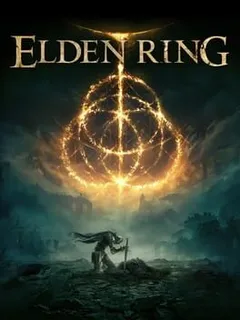
Elden Ring delivers an open-world fantasy RPG of extraordinary scope where build customisation and exploration feel limitless. It shares Fable's love of quirky NPCs and lore-rich worldbuilding, though its tone is relentlessly bleak.
Key difference: Punishing Soulslike difficulty; no dialogue choices or moral system.
Best for: Players who want the sharpest action combat in open-world fantasy.
Skip if: You want narrative choices, humour, or an accessible difficulty curve.
Cyberpunk 2077 is a choice-driven open-world RPG where reputation, faction allegiances, and dialogue shape your story — the same structural DNA as Fable, transplanted into neon-drenched sci-fi. Its 2.0 patch made combat feel genuinely great.
Key difference: Dystopian cyberpunk setting; no fantasy or fairytale elements.
Best for: Players who want Fable's systemic RPG depth in a modern production.
Skip if: You want fantasy setting and lighter tonal register.
Fallout 4 is an open-world action RPG with base-building, faction allegiance, and a Karma-adjacent approval system. The real-time combat and exploration loop maps reasonably onto what Fable offers, minus the fairytale whimsy.
Key difference: Post-nuclear sci-fi setting; choice depth thinner than Fable.
Best for: Players who want a vast open world with real-time action RPG systems.
Skip if: You want rich moral storytelling or a fantasy world.
Horizon Zero Dawn is a polished open-world action RPG with strong world-building, engaging combat, and a mystery narrative that unfolds through exploration — structurally similar to Fable's exploration loop even if the tone and setting differ.
Key difference: Linear narrative with no moral choice system; sci-fi/prehistoric hybrid.
Best for: Players who want Fable's action-RPG production quality in a different setting.
Skip if: You specifically want morality mechanics and fantasy comedy.
Assassin's Creed II is an open-world action-adventure in a richly detailed historical setting with satisfying traversal, character progression, and a strong sense of place — offering some of Fable's exploratory pleasure if not its moral architecture.
Key difference: No RPG morality system; stealth action focus with historical setting.
Best for: Players who want open-world exploration and fluid action over deep RPG systems.
Skip if: You need character builds, moral choices, or a fantasy world.
NieR: Automata is an action RPG with multiple playthroughs that reveal entirely different story perspectives — a lateral comparison to Fable's layered storytelling. Its combat is fluid and its world full of emotional sucker-punches.
Key difference: Sci-fi dystopia; no open world or moral-alignment mechanic.
Best for: Players who want ambitious action RPG storytelling that subverts expectations.
Skip if: You want an open-world fantasy with reputation and choice systems.
Xbox 360-era production; much smaller scope and simpler combat.
Xbox
The Witcher 3: Wild Hunt
92%
Role-playing (RPG), Adventure
Tone is grittier and more po-faced; little of Fable's comic whimsy.
Xbox, PlayStation, PC, Nintendo
Kingdoms of Amalur: Re-Reckoning
91%
Role-playing (RPG), Adventure
No lasting moral reputation system; fate/destiny is the central hook instead.
PlayStation, PC, Xbox, Nintendo
The Elder Scrolls V: Skyrim
90%
Role-playing (RPG), Adventure
Minimal moral alignment system; choices rarely reshape your character's appearance or personality.
PlayStation, PC, Xbox
The Elder Scrolls IV: Oblivion
89%
Role-playing (RPG), Adventure
Older engine means rougher edges and weaker combat feel.
PlayStation, PC, Xbox
Dragon Age: Origins
83%
Role-playing (RPG), Action
Party-based tactical combat rather than fluid action.
PlayStation, PC, Xbox
GreedFall
80%
Role-playing (RPG), Adventure
Smaller budget and shorter scope; French colonial fantasy rather than British fairytale.
Xbox, PlayStation, PC
Fallout: New Vegas
78%
Role-playing (RPG), Action
Sci-fi post-apocalyptic setting instead of fantasy.
PlayStation, PC, Xbox
Dragon Age: Inquisition
78%
Role-playing (RPG), Adventure
Massive scope; can feel overwhelming compared to Fable's tighter pacing.
PlayStation, PC, Xbox
The Witcher 2: Assassins of Kings
77%
Role-playing (RPG), Adventure
Extremely punishing early difficulty curve; choices lock you into a path.
PC, Xbox
Baldur's Gate III
75%
Role-playing (RPG), Action
Turn-based tactical combat; fundamentally different gameplay rhythm.
Xbox, PC, PlayStation
Dishonored
72%
Role-playing (RPG), Adventure
Immersive-sim stealth focus over broad open-world RPG structure.
PlayStation, PC, Xbox
Middle-earth: Shadow of Mordor
72%
Role-playing (RPG), Adventure
No moral choice system; story and tone are grimly serious.
PlayStation, PC, Xbox
Star Wars: Knights of the Old Republic
72%
Role-playing (RPG), Adventure
Turn-based combat and a sci-fi/space opera setting.
Xbox, Mobile, PC, Nintendo
Elden Ring
67%
Role-playing (RPG), Adventure
Punishing Soulslike difficulty; no dialogue choices or moral system.
Xbox, PlayStation, Nintendo, PC
What makes a game genuinely feel like Fable?
Fable's distinguishing trait isn't just "fantasy open world" — it's the combination of a malleable moral identity (your choices change who you literally look like), a reputation system where the world reacts to your legend, and a tone that swings between slapstick and genuine pathos. Games like The Witcher 3 and Dragon Age: Origins nail the moral consequence half, while Skyrim and Oblivion nail the freeform exploration half. Oblivion is worth calling out specifically: its colourful guilds, British-tinged NPC chatter, and fame/infamy tracking make it feel like the closest existing relative in spirit.
The lesser-known GreedFall (in our additional picks) and Middle-earth: Shadow of Mordor both capture Fable's reputation-building in more compact packages — Shadow of Mordor's Nemesis system creates the same feeling of being known and feared in the world, even without an alignment slider.
Best picks if you love Fable's moral choice system
If the reputation and alignment mechanics are what hooked you, Fallout: New Vegas (id 16) is an unlikely but outstanding recommendation — its faction reputation system is arguably the most nuanced ever built, tracking your standing with dozens of groups and locking or unlocking entire quest lines based on past actions. Star Wars: Knights of the Old Republic (id 116) pioneered the alignment-shift-as-character-transformation idea that Fable popularised, with your light or dark side score reshaping your appearance and dialogue options.
For modern production values, Baldur's Gate III (id 119171) offers the deepest authored moral consequence — companions leave, factions turn hostile, and entire story chapters shift based on your decisions. It's more tactical in combat but unmatched in the breadth of its choice architecture.
If you want Fable's action combat in an open world
Fable 2027 is expected to lean into fluid, modern action-RPG combat in an open world — the clearest analogues on that axis are Elden Ring (id 119133) for pure combat craft and Horizon Zero Dawn (id 11156) for accessible, cinematic open-world action. Neither has Fable's moral system, but both deliver the satisfying loop of exploring a beautiful fantasy world and growing steadily more powerful.
Middle-earth: Shadow of Mordor (id 3025) is the strongest balance between action quality and open-world RPG structure — its Nemesis system adds emergent storytelling that scratches a similar itch to Fable's reputation engine, even if the tone is far grimmer.
What game is most similar to the original Fable trilogy?
Kingdoms of Amalur: Re-Reckoning is the closest match — it shares Fable's bright fantasy art style, fluid action RPG combat, and enormous side-quest density, and was co-designed by Ken Rolston who also worked on The Elder Scrolls. Among games in wider catalogues, The Elder Scrolls IV: Oblivion has a nearly identical British-tinged fairytale warmth and a fame/infamy reputation system.
Is The Witcher 3 like Fable?
Yes, in many of the ways that matter most — it's an open-world fantasy RPG where moral choices carry real weight, side quests are authored with care and dark humour, and the world reacts to your decisions. The tone is considerably grittier than Fable and lacks the slapstick comedy, but structurally it's the highest-quality game that scratches the same itch.
Are there any games like Fable with a morality or reputation system?
Several. Fallout: New Vegas has the most sophisticated faction-reputation system in open-world RPGs. Star Wars: Knights of the Old Republic shifts your character's appearance and dialogue based on alignment, exactly as Fable does. Dragon Age: Origins tracks approval across companions and factions. GreedFall, a lesser-known gem, tracks diplomatic standing with multiple colonial factions and is one of the most Fable-adjacent games released in recent years.
Is Fable (2027) an open-world game like Skyrim?
Based on available information, yes — Fable 2027 is an open-world action RPG developed by Playground Games (creators of the Forza Horizon open-world series), set in a reimagined British fantasy land. Skyrim is a reasonable structural comparison, though Fable is expected to emphasise moral reputation and a lighter, more fairytale-flavoured tone that Skyrim largely forgoes.
What should I play while waiting for Fable (2027)?
The Witcher 3: Wild Hunt is the obvious top pick for quality and scope. Kingdoms of Amalur: Re-Reckoning is the most direct Fable spiritual successor. The Elder Scrolls IV: Oblivion — especially with the Remaster — captures Fable's British-fantasy charm. And GreedFall is a hidden gem that nails Fable's reputation-with-factions mechanic in a smaller, more personal package.
 95%
95%