DmC: Devil May Cry's core appeal is its stylish character action — chaining together aerial juggles, weapon switches between Angel and Demon modes, and a style meter that rewards creative, uninterrupted combat. Ninja Theory layered this over sharp platforming, a darkly surreal world called Limbo, and a more Western-influenced tone than Capcom's original continuity.
When players look for games like DmC, they're really hunting for that specific combination: fast, expressive melee combat with visible style rewards, a dark fantasy or urban-gothic atmosphere, and the kinetic satisfaction of making a fight look effortless. Pure RPGs, open-world games, and narrative adventures — however acclaimed — won't scratch this itch the way the games on this list will.
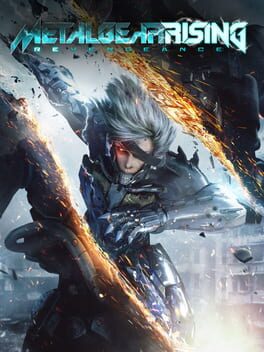
Top pick: The single closest pick is Metal Gear Rising: Revengeance — it is the only non-DMC game that fully replicates DmC's obsession with stylish, fast, expressive sword combat, its bombastic over-the-top set pieces, and that unmistakable feeling of cutting through enemies while looking effortlessly cool; if Bayonetta is the genre's apex, Rising is its edgiest, most kinetic sibling.
Some store buttons are affiliate links — we may earn a commission at no extra cost to you.
20 games like DmC: Devil May Cry
97%
Bayonetta 2020
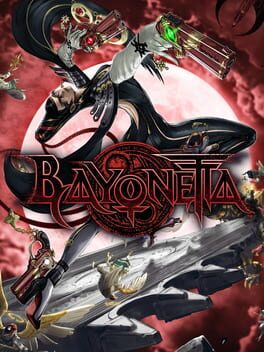
The gold standard stylish action game — Bayonetta shares DmC's exact loop of chaining aerial combos, weapon switching, and earning style rankings across linear chapters with bombastic set pieces. PlatinumGames designed it as a spiritual rival to DMC itself.
Key difference: Witch-time dodge mechanic; campier, more over-the-top tone.
Best for: Anyone who wants the most refined stylish-action combat available.
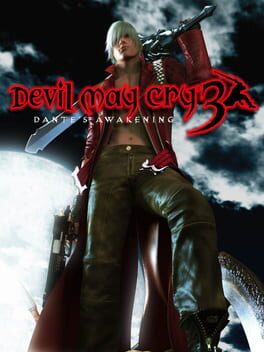
The direct stylistic predecessor to DmC, Devil May Cry 3 shares the same protagonist, combo-driven hack-and-slash loop, and gothic-action tone. Style ranking, demon-slaying, and Dante's cocky attitude are all here in arguably purer form.
Key difference: Harder, Japanese-inspired tone, no Western reboot aesthetic.
Best for: Fans who want the classic DMC formula at its peak difficulty.
Skip if: You preferred DmC's more accessible, westernized Dante.
PlayStation
95%
Devil May Cry 5 2019
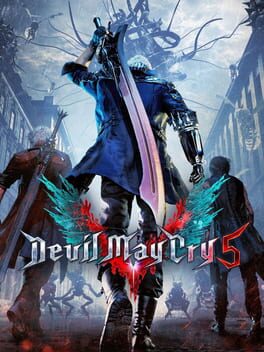
The canonical sequel to the original series, DMC5 brings three playable characters with deep, distinct move sets and the same style-meter, arena-based hack-and-slash DNA as DmC but with more refined systems and a bigger budget.
Key difference: Returns to original Dante design; three separate character styles.
Best for: Players ready for the deepest, most polished DMC combat.
Skip if: You specifically prefer Ninja Theory's darker Western aesthetic.
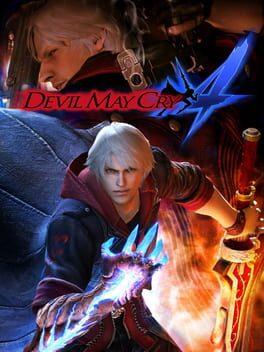
Devil May Cry 4 is the direct chronological predecessor to DmC in the original continuity, built on the same style-meter, weapon-switching hack-and-slash foundation. Nero's grab mechanic adds a fresh wrinkle to Dante's familiar moveset.
Key difference: Two playable characters; more backtracking and padding mid-game.
Best for: Players wanting more DMC before or after the reboot.
Metal Gear Rising is the closest game to DmC's frenetic, style-obsessed swordplay outside the DMC series itself — both are Platinum-adjacent spectacle action games with over-the-top combat and flashy finishing moves. Parry-based rhythm replaces DmC's angel/demon switching but the stylish tone is identical.
Key difference: Parry-centric combat instead of juggle combos; sci-fi setting.
Best for: Players who want the most kinetic, stylish sword action available.
NieR: Automata blends hack-and-slash combo action by PlatinumGames with a layered sci-fi narrative, sharing DmC's fast melee, aerial combat, and cinematic flair. The tone is darker and more philosophical but the moment-to-moment feel is very close.
Key difference: Bullet-hell shooter segments, existential RPG story, open areas.
Best for: Players who want stylish action with serious narrative depth.
Skip if: You dislike RPG structure or story-heavy games.
God of War III is pure, relentless hack-and-slash with enormous set pieces, chained combo mechanics, and a similarly operatic, over-the-top tone to DmC. Kratos's brutal style is the polar opposite of Dante's flair, but the core loop — chain weapons, juggle enemies, trigger finishers — is the same genre.
Key difference: Brutal, weighty combat rather than stylish combo expression.
Best for: Players who want cinematic spectacle and satisfying brutality.
Skip if: You dislike Greek mythology or want combo scoring.
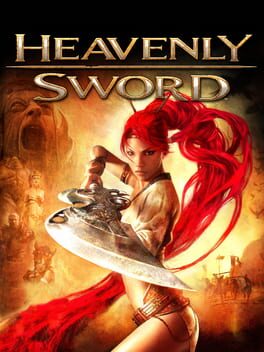
Made by Ninja Theory — the same studio as DmC — Heavenly Sword is a stylish hack-and-slash with combo-driven combat, cinematic presentation, and a dark fantasy world. It's the most direct predecessor to DmC's development philosophy.
Key difference: PS3 exclusive; much shorter; older and simpler combat.
Best for: Ninja Theory fans who want to see DmC's creative roots.
Skip if: You want modern graphics or long playtime.
PlayStation
81%
God of War: Ghost of Sparta 2010
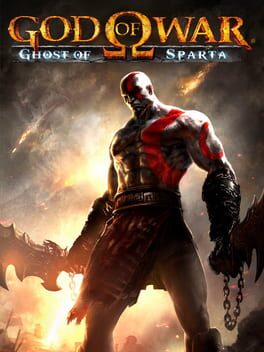
God of War: Ghost of Sparta delivers the same pure hack-and-slash template as DMC — arena combat, enemy juggling, unlockable combos — in a tighter PSP-sized package. It's a hidden gem among GoW titles that fans of combo action often miss.
Key difference: Handheld origin; shorter and more linear than console GoW.
Best for: God of War fans who haven't exhausted the portable entries.
Skip if: You want a full console-length experience.
Batman: Arkham City shares DmC's dark urban tone, stylish third-person melee system built on combos and counters, and a protagonist with a flair for the theatrical. The Freeflow combat is a different rhythm but the feel of dispatching multiple enemies stylishly is the same.
Key difference: Counter-based Freeflow system; open-world Gotham to explore.
Best for: Players who want stylish melee in a moody superhero setting.
Skip if: You dislike stealth sections or predator rooms.
Batman: Arkham Asylum established the modern stylish brawler template that DmC's combat draws from — dark atmosphere, expressive melee, and a sense of power fantasy throughout. More contained and horror-inflected than City.
Key difference: Linear asylum setting; more survival-horror atmosphere.
Best for: Players new to Arkham who want a tighter, scarier intro.
Skip if: You want an open world or deeper combo systems.
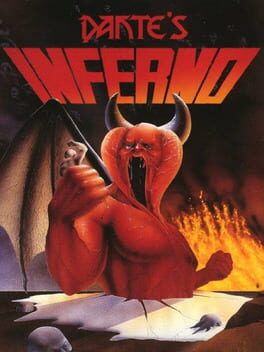
Dante's Inferno directly mimics the God of War formula in a dark fantasy setting ripped from Divine Comedy, sharing DmC's dark visual style, linear arena combat, and protagonist powered by demonic/divine forces.
Key difference: God of War clone structure; religious horror aesthetic.
Best for: Players who want brutal dark-fantasy hack-and-slash in a unique setting.
Skip if: You want deep combo expression or style scoring systems.
76%
Batman: Arkham Knight 2015
Arkham Knight refines the Freeflow combat further with dual-play mechanics and a massive, moody Gotham, echoing DmC's Western dark-fantasy urban aesthetics. The combat is the most expressive in the Arkham series.
Key difference: Batmobile sections divide opinion; largest and most open entry.
Best for: Players who want the pinnacle of Arkham combat and presentation.
Skip if: You disliked the Batmobile-heavy progression.
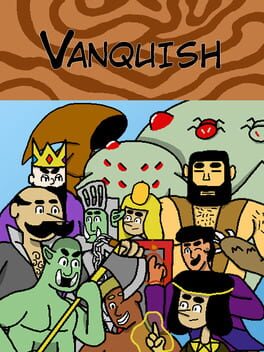
PlatinumGames' Vanquish is a stylish third-person action game built on expressive mechanics and high-speed combat, sharing DmC's emphasis on looking cool while efficiently destroying enemies. Shooter-focused but unmistakably the same design philosophy.
Key difference: Third-person shooter rather than melee; sci-fi setting.
Best for: Players who want Platinum's stylish design in a shooter.
Skip if: You specifically want melee combo depth over gunplay.
Shadow of Mordor pairs fluid hack-and-slash swordplay with a unique Nemesis system in a dark fantasy setting. The core loop of stylishly cutting through orc hordes scratches a similar itch to DmC's arena encounters.
Key difference: Open world; Nemesis system shifts focus to systemic emergent drama.
Best for: Players who want hack-and-slash with longer strategic depth.
Skip if: You want tight, linear level design and a style meter.
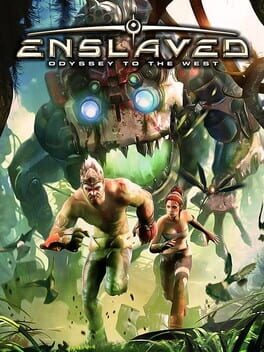
Another Ninja Theory title, Enslaved pairs melee combat with platforming and a strong narrative in a post-apocalyptic setting — sharing DmC's emphasis on character-driven story within an action-adventure framework.
Key difference: Far more story-focused; simpler combat; post-apocalyptic sci-fi setting.
Best for: Players drawn to Ninja Theory's storytelling and character work.
Skip if: You want deep combo systems or stylish action scoring.
Hades wraps fast, expressive hack-and-slash combat — special attacks, dashes, weapon variety — in a roguelite loop with exceptional writing. The moment-to-moment feel of dispatching enemies stylishly is genuinely close to DmC, just in top-down form.
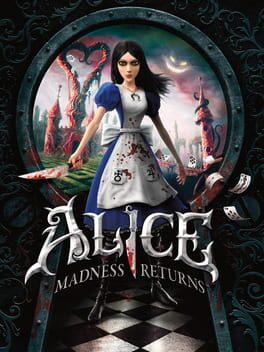
Alice: Madness Returns is a hidden gem that blends platforming with hack-and-slash melee combat and a wildly stylized dark-fantasy aesthetic — the same mix of genre elements and tone as DmC. The combat is simpler but the art direction and mood are uniquely memorable.
Key difference: Simpler combat; longer, slower-paced levels; no style meter.
Best for: Players drawn to DmC's dark surreal art direction above all.
Skip if: You want deep combat systems or want it on modern platforms easily.
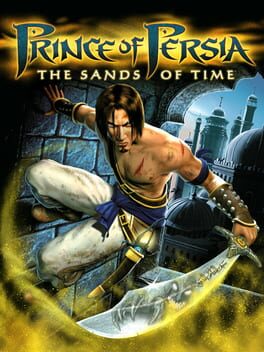
Prince of Persia: The Sands of Time shares DmC's mix of acrobatic platforming, stylish melee combat, and dark-fantasy adventure in linear levels. The time-rewind mechanic adds a unique twist to the action-platformer formula.
Witch-time dodge mechanic; campier, more over-the-top tone.
PlayStation, Xbox
Devil May Cry 3: Dante's Awakening
96%
Hack and slash/Beat 'em up, Adventure
Harder, Japanese-inspired tone, no Western reboot aesthetic.
PlayStation
Devil May Cry 5
95%
Hack and slash/Beat 'em up, Adventure
Returns to original Dante design; three separate character styles.
PlayStation, Nintendo, PC, Xbox
Devil May Cry 4
93%
Hack and slash/Beat 'em up, Adventure
Two playable characters; more backtracking and padding mid-game.
PlayStation, PC, Xbox
Metal Gear Rising: Revengeance
90%
Hack and slash/Beat 'em up, Adventure
Parry-centric combat instead of juggle combos; sci-fi setting.
PlayStation, PC, Xbox
NieR: Automata
87%
Hack and slash/Beat 'em up, Action
Bullet-hell shooter segments, existential RPG story, open areas.
PlayStation, PC
God of War III
84%
Hack and slash/Beat 'em up, Adventure
Brutal, weighty combat rather than stylish combo expression.
PlayStation
Heavenly Sword
82%
Hack and slash/Beat 'em up, Adventure
PS3 exclusive; much shorter; older and simpler combat.
PlayStation
God of War: Ghost of Sparta
81%
Hack and slash/Beat 'em up, Adventure
Handheld origin; shorter and more linear than console GoW.
PlayStation
Batman: Arkham City
80%
Hack and slash/Beat 'em up, Adventure
Counter-based Freeflow system; open-world Gotham to explore.
PlayStation, PC, Xbox, Nintendo
Batman: Arkham Asylum
78%
Hack and slash/Beat 'em up, Adventure
Linear asylum setting; more survival-horror atmosphere.
PlayStation, PC, Xbox, Nintendo
Dante's Inferno
78%
Puzzle, Adventure
God of War clone structure; religious horror aesthetic.
—
Batman: Arkham Knight
76%
Hack and slash/Beat 'em up, Adventure
Batmobile sections divide opinion; largest and most open entry.
PlayStation, PC, Xbox, Nintendo
Vanquish
75%
Adventure, Action
Third-person shooter rather than melee; sci-fi setting.
PC
Middle-earth: Shadow of Mordor
72%
Hack and slash/Beat 'em up, Adventure
Open world; Nemesis system shifts focus to systemic emergent drama.
PlayStation, PC, Xbox
What makes a game feel like DmC: Devil May Cry?
The defining element is the style meter and the systems that feed it: aerial juggling, weapon switching mid-combo, and the constant incentive to stay flashy rather than safe. Games like Metal Gear Rising: Revengeance and NieR: Automata (both by PlatinumGames) nail this philosophy — combat is performative, and the best players look like they're improvising a dance. The second pillar is linear level design with discrete arenas, which focuses all that combat energy rather than spreading it thin across an open world.
The third ingredient is tone: DmC is stylized, dark, and slightly camp — which is why Devil May Cry 3 and Devil May Cry 4 feel so immediately comfortable, and why Batman: Arkham City's grimy urban gothic translates better than most open-world action games do.
Best picks if you love Ninja Theory specifically
DmC was Ninja Theory's most technically ambitious character-action game, but the studio's DNA runs through two earlier titles. Heavenly Sword is the direct creative ancestor — a PS3 hack-and-slash with cinematic presentation and combo-driven combat that clearly informed what would become DmC's design language. Enslaved: Odyssey to the West trades combat depth for richer character writing and platforming, showing the story-driven side of Ninja Theory that DmC also carries in its Dante-Vergil rivalry.
If you want more depth in the stylish-action genre
The stylish action genre — sometimes called "character action" — has a defined pantheon. Bayonetta is the genre's masterwork: faster, deeper, and more mechanically expressive than DmC, with PlatinumGames pushing the combo and dodge systems to their absolute limit. Devil May Cry 5 is the canonical follow-up for anyone who wants the most polished version of exactly what DmC offered, with three characters who each play like a fully realized game. Both reward players who want to invest in mastering combat rather than just clearing it.
Is DmC: Devil May Cry connected to the original Devil May Cry series?
DmC is an alternate-universe reimagining developed by Ninja Theory rather than Capcom internally. It features the same protagonist Dante but in a different continuity, with a significantly different visual style and tone. The gameplay systems — style meter, weapon switching, aerial combat — are closely related to the mainline series, making Devil May Cry 3, 4, and 5 natural companions despite the narrative split.
What game is most similar to DmC for people new to the genre?
Batman: Arkham City is the most accessible entry point — its Freeflow combat shares DmC's rhythm of chaining hits across multiple enemies and growing more spectacular as your streak builds, but it removes the strict style-scoring pressure. For players ready to go deeper into the genre immediately, Metal Gear Rising: Revengeance offers the closest feel to DmC's speed and style.
Are there games like DmC with a similar dark, surreal art style?
Alice: Madness Returns is the standout for dark surreal aesthetics — it blends hack-and-slash combat with platforming through grotesquely beautiful twisted environments, and it's often overlooked on these lists. Dante's Inferno takes religious horror imagery into melee combat arenas. NieR: Automata has a different visual palette but a similarly moody, philosophical atmosphere beneath its action surface.
Is Bayonetta a good follow-up to DmC?
Bayonetta is arguably the best follow-up for players who enjoyed DmC's combat above everything else — it is widely considered the gold standard of the stylish action genre. The Witch Time dodge mechanic and deeper combo trees demand more from the player than DmC does, but the reward for mastery is unmatched. The tone is campier and more playful, whereas DmC is more brooding.
What should I play after DmC if I want to go through Devil May Cry in order?
Chronologically within the reboot continuity, DmC stands alone. If you want to experience the original series, the recommended order is Devil May Cry 3 (story prequel), Devil May Cry 1, Devil May Cry 4, and then Devil May Cry 5 — the latter being the most recent and technically accomplished entry and a natural next step after DmC regardless of continuity.
 97%
97%