Path of Exile earns its devoted following through an unmatched combination of systems depth and dark atmosphere: an enormous passive skill tree with thousands of nodes, a currency-based crafting economy, procedurally generated maps, and a relentlessly grim world in Wraeclast that refuses to offer comfort. It is the benchmark of the action RPG genre for players who want to theorize, optimize, and push builds to their limits.
When fans ask for games like Path of Exile, they are typically looking for one or more of three things: the kill-loot-build dopamine loop of isometric ARPG combat, the depth of a character system that rewards hundreds of hours of investment, or the dark fantasy horror atmosphere that makes every zone feel hostile and alive. The best recommendations nail at least two of these three pillars.
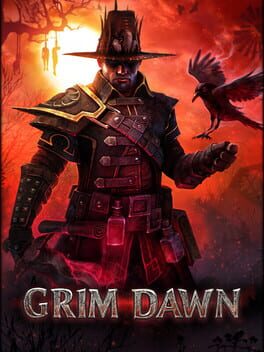
Top pick:Grim Dawn is the single closest game to Path of Exile — it shares the isometric dark-fantasy ARPG loop, a devotion system analogous to PoE's passive tree, a dual-class mastery system for deep build expression, and a genuinely oppressive post-apocalyptic gothic world, all without requiring an internet connection, making it the essential recommendation for any PoE fan.
Some store buttons are affiliate links — we may earn a commission at no extra cost to you.
20 games like Path of Exile
95%
Diablo II 2000
Diablo II is the direct creative ancestor of Path of Exile — an isometric dark-fantasy ARPG built on kill-loot-build loops, character class specialization, and procedurally assembled maps. PoE was explicitly designed as a spiritual successor to this game.
Key difference: Smaller passive system; no online-league seasonal model.
Best for: Players who want the purest, most iconic foundation of the genre.
Skip if: You need modern UI and quality-of-life features.
Grim Dawn is the closest game to Path of Exile — a dark gothic action RPG with a dual-class mastery system, deep itemization, devotion constellations, and a bleak post-apocalyptic fantasy world. It was made by Crate Entertainment, partly staffed by Titan Quest veterans.
Key difference: No live-service league model; fully offline single-player available.
Best for: PoE fans who want near-identical depth with no internet required.
Skip if: You want PoE's massive player economy and seasonal fresh starts.
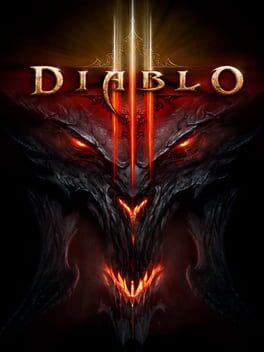
Diablo III shares PoE's isometric hack-and-slash loot loop with demon-slaying in dark fantasy dungeons, seasonal ladders, and min-maxing builds around itemization. It's the most accessible entry in the genre.
Key difference: Far simpler skill/passive system; more casual-friendly pace.
Best for: Players who want polished, fast PoE-style gameplay without theorycrafting overload.
Skip if: You love deeply complex passive trees and crafting economy.
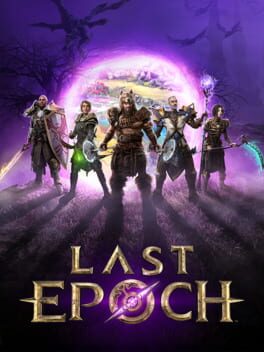
Last Epoch is a modern ARPG with a deep skill specialization system, extensive crafting, and time-travel dark-fantasy setting that directly targets the PoE audience with more accessible onboarding. Its crafting system rivals PoE's in depth.
Key difference: Time-travel narrative framing; less punishing new-player curve.
Best for: PoE players who want current-gen ARPG depth without the friction.
Skip if: You want the most complex passive tree in existence.
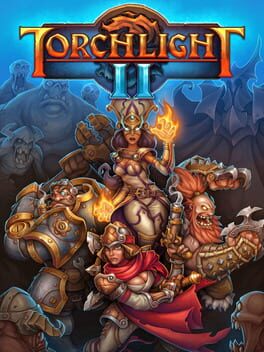
Torchlight II is a colorful isometric ARPG with class-based skill trees and relentless loot drops that scratches the exact same genre itch as PoE with a lighter tone and offline play. Made by some of the original Diablo creators.
Key difference: Bright art style; much simpler systems; no online economy.
Best for: Players who want pure PoE-style loot-loop without complexity overhead.
Skip if: You want dark atmosphere and live-service seasonal content.
Hades is an isometric hack-and-slash ARPG where every run reshapes your build through boons and items, echoing PoE's core loop of assembling powerful synergies. Its tight combat and dark Greek-mythology atmosphere keep it fresh run after run.
Key difference: Roguelike structure: no persistent world or itemization economy.
Best for: PoE fans who want faster, self-contained build-experimentation sessions.
Skip if: You want a persistent loot economy and character permanence.
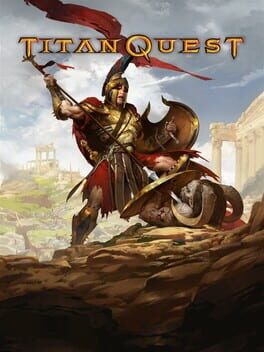
Titan Quest is a dual-mastery isometric ARPG set across ancient Greece, Egypt, and Asia, whose class-combination system directly inspired later ARPGs including PoE. The Anniversary Edition keeps it polished.
Bloodborne is a dark, horror-soaked action RPG set in a grotesque Victorian-Gothic world, sharing PoE's tonal grimness and demand for mechanical mastery. Build variety through weapons and runes echoes PoE's itemization depth.
Key difference: Third-person action combat; no isometric loot economy.
Best for: PoE fans who crave dark horror atmosphere with tight skill-based combat.
Skip if: You dislike difficult, precision-reflex action games.
PlayStation
73%
Dark Souls III 2016
Dark Souls III is a punishing dark-fantasy action RPG where character builds, synergistic gear, and player knowledge determine survival — core instincts that map onto PoE's demanding playstyle. Both reward deep mechanical investment.
Key difference: Third-person; no loot-treadmill or procedural map system.
Best for: PoE players who want challenging build optimization in a handcrafted world.
Skip if: You want fast-paced mass-enemy clearing and item floods.
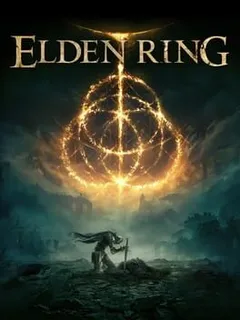
Elden Ring extends the Souls formula into a vast dark-fantasy open world with enormous build diversity through weapons, ashes of war, and talismans, scratching the same 'discover a powerful combination' itch PoE provides.
Key difference: Open-world third-person action; no loot randomization or league system.
Best for: PoE theorycrafters who want the same discovery rush in a prestige title.
Skip if: You need clicking down hordes and farming item drops.
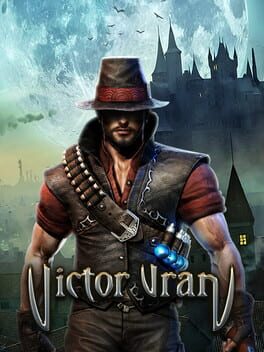
Victor Vran is an isometric action RPG in a dark gothic city overrun by demons, where build variety comes from swapping weapon types and destiny cards mid-run — a hidden gem in the genre with strong atmosphere.
Key difference: Much shorter endgame; smaller build depth ceiling.
Best for: PoE players wanting a dark isometric ARPG that's easy to jump into.
Skip if: You want hundreds of hours of endgame farming depth.
Demon's Souls is the progenitor of the Soulslike dark-fantasy RPG, sharing PoE's grim atmosphere, punishing world design, and the satisfaction of optimizing a build through careful stat and gear choices.
Key difference: Slower, deliberate combat; linear world structure.
Best for: PoE veterans who want the originating dark challenge game.
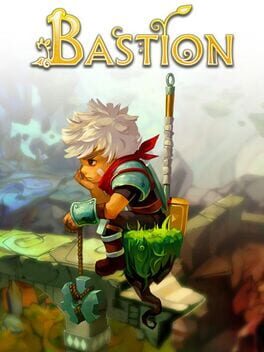
Bastion is an isometric action RPG in a hand-painted apocalyptic fantasy world where you unlock weapon slots and passive upgrades that encourage build experimentation — a compact echo of PoE's core loop. Short but surprisingly replayable.
Key difference: Very short runtime; no online component or item economy.
Best for: PoE fans wanting a polished isometric action RPG in a few hours.
Skip if: You need hundreds of hours of endgame grind.
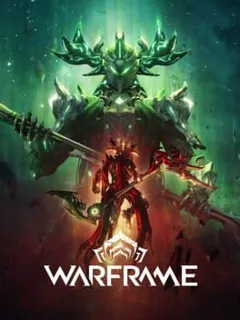
Warframe is a free-to-play action RPG with one of gaming's deepest build systems — modding, ability synergies, and endless loot-farming loops echo PoE's theorycrafting culture in a sci-fi context. Both have active seasonal updates.
Key difference: Third-person movement-shooter; sci-fi setting instead of dark fantasy.
Best for: PoE players who want deep free-to-play build systems with co-op.
Skip if: You hate grind-heavy progression and confusing new-player onboarding.
Borderlands 2 is a loot-driven RPG built entirely around farming for better gear, class skill trees, and cooperative play — the same satisfaction loop as PoE's item hunt translated into a first-person shooter.
Key difference: First-person shooter; comedic tone opposite PoE's darkness.
Best for: PoE loot addicts who want co-op sessions with friends.
Skip if: You dislike shooters or Borderlands' humor style.
The Binding of Isaac: Rebirth is a roguelike dungeon crawler where each run builds a wildly different character through synergistic item combinations, sharing PoE's ethos of discovering broken build interactions in a dark, grotesque setting.
Key difference: Twin-stick bullet-hell roguelike; no persistent character progression.
Best for: PoE build-theory fans who love finding overpowered combinations.
Skip if: You want persistent loot and character growth across sessions.
Dragon Age: Origins is a dark-fantasy RPG with tactical combat and a grim world where your choices shape a morally grey narrative — it matches PoE's dark-fantasy tone and the depth of party/character builds.
Key difference: Party-based tactical RPG; narrative-heavy rather than loot-grind focused.
Best for: PoE fans who want story depth alongside dark fantasy atmosphere.
Skip if: You want fast action loops and massive loot flooding.
Vampire: The Masquerade – Bloodlines is a dark RPG drenched in gothic horror and moral ambiguity, with flexible character builds through clan and skill disciplines — tonally the closest in spirit to Wraeclast's oppressive atmosphere.
Key difference: First-person/third-person RPG; narrative-driven rather than loot-action.
Best for: PoE fans who value dark lore and flexible build archetypes.
Middle-earth: Shadow of Mordor is a hack-and-slash RPG in a dark fantasy world with skill-tree progression and ability builds — a streamlined take on the same fantasy action-RPG genre, set in Tolkien's darker corners.
Key difference: Third-person; Nemesis system replaces item economy.
Best for: PoE players wanting accessible hack-and-slash RPG with progression.
Skip if: You want deep itemization and endgame grind loops.
Destiny 2 is a loot-driven RPG built around farming activities for increasingly powerful gear and tuning builds around ability synergies — the same core pull as PoE, executed as a first-person looter-shooter.
Key difference: First-person shooter; sci-fi setting; seasonal story focus.
Best for: PoE co-op fans who want a polished shared-world loot experience.
Skip if: You dislike shooters or want a dark single-player atmosphere.
Third-person action combat; no isometric loot economy.
PlayStation
Dark Souls III
73%
Role-playing (RPG), Adventure
Third-person; no loot-treadmill or procedural map system.
PlayStation, PC, Xbox
Elden Ring
70%
Role-playing (RPG), Adventure
Open-world third-person action; no loot randomization or league system.
Xbox, PlayStation, Nintendo, PC
Victor Vran
70%
Role-playing (RPG), Hack and slash/Beat 'em up
Much shorter endgame; smaller build depth ceiling.
PlayStation, PC, Xbox
Demon's Souls
68%
Role-playing (RPG), Adventure
Slower, deliberate combat; linear world structure.
PlayStation
Bastion
68%
Role-playing (RPG), Adventure
Very short runtime; no online component or item economy.
PlayStation, PC, Mobile, Xbox, Nintendo
Warframe
65%
Role-playing (RPG), Adventure
Third-person movement-shooter; sci-fi setting instead of dark fantasy.
Xbox, PlayStation, Nintendo, Mobile, PC
Borderlands 2
63%
Role-playing (RPG), Action
First-person shooter; comedic tone opposite PoE's darkness.
PlayStation, PC, Mobile, Xbox, Nintendo
What makes a game feel like Path of Exile?
The core of PoE is a three-part contract: a dark setting that creates genuine stakes, an isometric hack-and-slash combat loop built for mass-enemy clearing, and a deep build system where itemization and passive choices combine into something uniquely yours. Games that hit all three — like Diablo II and Grim Dawn — are the closest matches. Games that hit one or two — like Hades (loop + build, lighter setting) or Bloodborne (dark horror + build, different camera and combat feel) — still scratch the itch but from a different angle.
The seasonal live-service model is a fourth element many PoE fans cite as irreplaceable: the feeling of a fresh economy and new league mechanics every few months. Last Epoch and Diablo III have adopted similar seasonal structures, making them strong alternatives for players who value that fresh-start ritual over pure systems depth.
Best picks for the loot-and-build grind specifically
If the core pull is the loot treadmill and build optimization rather than dark tone, Diablo II: Lord of Destruction remains the gold standard — every item drop carries weight because the pool is curated and meaningful. Torchlight II (not in the main candidate list) offers a brighter but equally satisfying loot loop with dual-class theorycrafting. For a modern take, Last Epoch's deterministic crafting system lets you target-craft specific affixes, which many PoE veterans argue is the most satisfying item system in the genre. Warframe replicates the 'farm for the perfect mod combination' depth in a free-to-play sci-fi wrapper with excellent co-op.
If you want the dark-fantasy horror atmosphere instead
PoE's Wraeclast is relentlessly grim in a way few games match. Bloodborne comes closest tonally — Victorian Gothic architecture, eldritch horror enemies, and a world that actively wants you dead — though its combat is third-person and precision-focused rather than ARPG. Vampire: The Masquerade – Bloodlines is a hidden gem worth flagging for its oppressive gothic atmosphere and flexible build archetypes, even if its action credentials are weaker. Dark Souls III and Demon's Souls both carry the same sense of a world past saving, rewarding players who read environmental storytelling and refuse to give up on a demanding build.
Yes — Diablo IV is a direct genre competitor targeting the same isometric ARPG audience, with seasonal content, deep itemization, and a dark tone closer to Diablo II than III. PoE fans generally find Diablo IV more accessible but shallower in its passive and crafting systems, though Blizzard continues adding depth each season.
What is the closest free-to-play alternative to Path of Exile?
Warframe is the strongest free-to-play alternative in terms of build depth and live-service seasonal content, though its setting is sci-fi rather than dark fantasy. Path of Exile 2 (in Early Access) is itself free-to-play and the most direct successor from the same developer.
Is Grim Dawn harder or easier than Path of Exile?
Grim Dawn is generally considered easier to get into — its passive and crafting systems are deep but more legible for new players. Path of Exile's sheer breadth of mechanics, currency crafting, and league modifiers creates a steeper learning curve. Both reward hundreds of hours of investment.
Are there any games like Path of Exile on console?
Yes — Diablo III and Diablo IV both have excellent console versions with controller-optimized UI. Hades plays beautifully on console. Elden Ring and Bloodborne scratch a similar dark-fantasy RPG itch with native controller support. Grim Dawn is PC-only.
What should I play while waiting for a new Path of Exile league?
Last Epoch is the top recommendation for league breaks — its seasonal cycle is offset from PoE's, so there is often a fresh season available. Hades offers a condensed build-experimentation loop you can complete in a few evenings. Diablo II: Resurrected runs well and scratches the purist ARPG itch without the live-service treadmill.
 95%
95%