God of War (2018) earns its reputation through a specific combination: weighty, deliberate third-person melee combat using the Leviathan Axe, a seamless single-shot cinematic presentation, and a mythologically rich Norse world that serves as the backdrop for one of gaming's most emotionally resonant father-son stories. It fuses hack-and-slash spectacle with RPG progression and semi-open exploration without ever losing narrative focus.
When players ask for "games like God of War," they're really asking for one or more of these things: cinematic third-person action with heavy, impactful melee; a strong authored narrative with real emotional stakes; mythological world-building; or epic boss encounters that feel genuinely earned. The best recommendations below share at least two of those pillars—not just the broad "action-adventure" label.
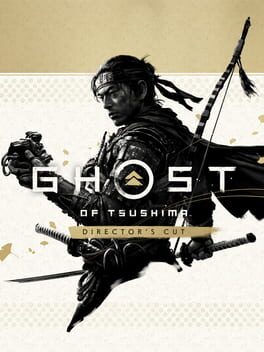
Top pick:God of War Ragnarök is the single closest pick—it is literally the same game continued, with the same combat engine, the same characters, and an even more ambitious story—but if you want something outside the franchise, Ghost of Tsushima: Director's Cut is the best translation of GoW's formula to a new setting: weighty katana-and-shield melee, a stunning mythologized world, and cinematic polish that matches Santa Monica Studio's benchmark.
Some store buttons are affiliate links — we may earn a commission at no extra cost to you.
23 games like God of War
98%
God of War Ragnarök 2022
The direct continuation of Kratos and Atreus's Norse saga, with the same over-the-shoulder axe-and-shield combat, cinematic storytelling, and mythological boss fights. It expands the RPG systems and opens the world further without missing a beat.
Key difference: Larger, more open world with more playable characters.
Best for: Anyone who finished GoW 2018 and wants more immediately.
Skip if: You want a fresh setting or new protagonist.
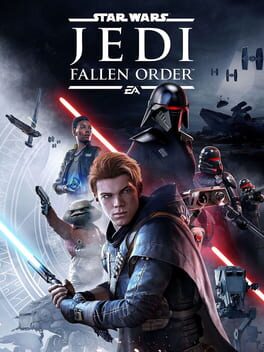
Fallen Order directly mirrors God of War's formula: a third-person action-adventure with deliberate lightsaber melee, a guided companion, semi-linear world exploration, and a cinematic Star Wars narrative about a lone survivor of a massacre.
Key difference: Souls-lite difficulty and Star Wars sci-fi setting instead of mythology.
Best for: GoW fans who want the same template in a beloved sci-fi universe.
Skip if: You dislike Souls-inspired challenge or Star Wars as a setting.
The Greek-era climax of Kratos's original arc, pitting him against Olympus's greatest gods in arena-scale hack-and-slash combat. The pure brutality and spectacle still rival anything in the series.
Key difference: Linear, fixed camera, no RPG progression or companion bond.
Best for: Fans who want pure, escalating spectacle over narrative depth.
Skip if: You need the father-son emotional core to stay invested.
Ghost of Tsushima delivers weighty, third-person melee combat against a mythologized historical backdrop, with a strong single-character arc and stunning cinematic framing. The sword duels carry the same deliberate, heavy feel as Kratos's axe work.
Key difference: Open-world stealth and traversal; Japanese setting instead of Norse.
Best for: GoW fans who want a beautiful open world with samurai combat.
Skip if: You dislike open-world padding and stealth mechanics.
God of War II refines the original's formula with tighter combat and more ambitious mythological encounters, including one of the best boss sequences in the series.
Key difference: Even more arena-focused and mechanically simpler than 2018.
Best for: Players who want classic GoW before the Norse reboot.
Skip if: You expect the emotional weight of the 2018 reimagining.
Sekiro channels the same mythology-soaked, brutal melee loop as God of War but demands precision parrying over button combos. Its Sengoku Japan setting and boss design rival GoW's best encounters.
Key difference: Punishingly difficult; no RPG stats or companion—pure skill-check.
Best for: GoW fans who want the hardest possible melee challenge.
Skip if: You play for story and don't enjoy repeated boss deaths.
Hellblade wraps intense, weighty melee combat in Celtic and Norse mythology while delivering one of gaming's most emotionally shattering stories. Its cinematic no-UI presentation and audio design rival God of War's immersion.
Shadow of Mordor shares God of War's third-person hack-and-slash skeleton, wrapping it in a fantasy world with RPG skill trees and the innovative Nemesis system that makes every enemy encounter memorable.
Key difference: Open-world structure and Nemesis system replace linear cinematic pacing.
Best for: GoW fans craving enemy hierarchy and emergent combat stories.
Skip if: You want a tightly authored narrative over systemic sandbox play.
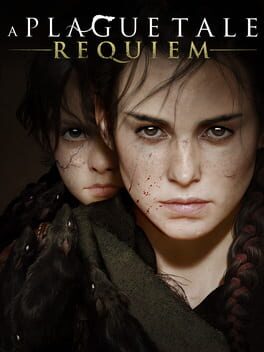
A Plague Tale: Requiem is built around a sibling duo navigating a hostile historical world, mirroring GoW's protective companion dynamic with high production values and an emotionally devastating story. Combat mixes stealth and action in linear, cinematic sequences.
Key difference: Far more stealth-focused; companion is the lead, not support.
Best for: Players drawn to GoW primarily for its emotional father-child story.
Skip if: You want deep melee combat systems over narrative-driven gameplay.
NieR: Automata blends hack-and-slash combat with existential storytelling and a haunting world, sharing GoW's ability to smuggle profound themes inside action gameplay. Combat feels fluid and stylish with strong boss encounters.
Key difference: Multiple playthroughs required for the full story; genre-bending structure.
Best for: GoW fans who want philosophical narrative depth alongside action.
Skip if: You find meta narrative experimentation annoying.
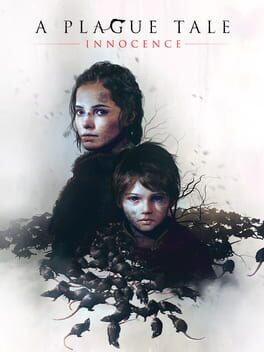
Innocence centres on a protective sibling bond in a hostile, historically grounded world—precisely GoW's emotional backbone translated into medieval France. Its cinematic pacing and character writing match GoW's standard.
Key difference: Stealth and puzzle-focused; far less combat than GoW.
Best for: Players drawn to GoW's Kratos-Atreus relationship above all else.
Skip if: You need strong melee combat as the game's core loop.
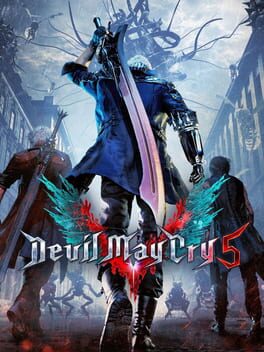
Devil May Cry 5 is the pinnacle of stylish hack-and-slash combat, demanding creative combo mastery against demonic foes in a setting that shares GoW's supernatural mythology energy. Boss design is exceptional.
Key difference: All about score and stylish combos; narrative is campy, not emotional.
Best for: GoW fans who want the deepest, most expressive melee combat system.
Skip if: You need grounded emotional stakes and story to stay engaged.
Shadow of the Colossus is built entirely around enormous mythological boss encounters, each requiring observation and problem-solving before the kill—sharing GoW's epic scale and lonely, melancholic tone in a minimalist package.
Key difference: No regular combat; only 16 colossi; almost no narrative exposition.
Best for: Players drawn to GoW's boss spectacle and atmospheric world-building.
Skip if: You need constant combat variety and a story with dialogue.
PlayStation
79%
Batman: Arkham City 2011
Batman: Arkham City perfected the third-person counter-and-combo melee template that influenced God of War 2018's combat design. It wraps tight, rhythmic fighting in a cinematic superhero narrative with excellent boss fights.
Key difference: Open-world Gotham; stealth and gadgets supplement combat.
Best for: GoW fans who want polished melee combat in a narrative-rich world.
Skip if: You dislike superhero settings or need a heavier, weightier feel.
Arkham Knight delivers the most cinematic and mature entry in the Batman series, with refined melee, emotional stakes, and production values that match GoW's blockbuster presentation.
Key difference: Heavy focus on Batmobile sections that divide opinion.
Best for: Arkham City fans who want a bigger, more emotional finale.
Skip if: You hate vehicle combat interrupting melee sequences.
Arkham Asylum established the Freeflow combat system in a tight, focused setting packed with iconic villains—a leaner, more atmospheric experience than its sequels.
Key difference: Very contained setting; more horror atmosphere than epic mythology.
Best for: Players who want a focused, no-filler action-adventure.
Skip if: You need open worlds and RPG progression.
Bloodborne fuses brutal third-person melee with rich Lovecraftian mythology and lore hidden in item descriptions, sharing GoW's punishing but fair combat philosophy and grand creature design.
Key difference: Souls-style design: no hand-holding, lore is environmental not cinematic.
Best for: GoW fans ready for a harder, more atmospheric take on melee combat.
Skip if: You want a guided, story-forward experience over exploration-driven lore.
PlayStation
76%
Middle-earth: Shadow of War 2017
Shadow of War expands the Nemesis system further with a bigger open world, more RPG depth, and improved hack-and-slash combat set in Tolkien's mythology-rich Middle-earth.
Key difference: Grindy endgame and microtransaction design hurt the back half.
Best for: Shadow of Mordor fans who want more RPG depth and world scale.
Skip if: You want a tight, authored narrative with no padding.
Horizon Zero Dawn pairs a strong single-player narrative with third-person action combat, RPG crafting, and a world filled with creatures drawn from a rich mythological-feeling lore. The protagonist's journey shares GoW's emotional underpinning.
Key difference: Ranged bow combat is primary; open world is large and side-quest heavy.
Best for: GoW fans who want a story-driven RPG with a female protagonist.
Skip if: You want pure melee and dislike extensive open-world structure.
Odyssey is set in ancient Greece with mythological monsters, RPG progression, and third-person action combat—sharing GoW's Greek mythological world even if the tone and camera differ significantly.
Key difference: Massive open-world RPG with diluted, lighter combat feel.
Best for: Fans of GoW's Greek mythology who want an enormous world to explore.
Skip if: You want a tight, weighted, cinematic experience over open-world breadth.
Horizon Forbidden West refines everything from Zero Dawn with more diverse melee options and an even richer world, sharing GoW's blend of cinematic storytelling and action-RPG combat.
Key difference: Even larger open world with more systems to manage.
Best for: Zero Dawn players ready for a fuller, more polished sequel.
Skip if: Open-world fatigue will set in before the story resolves.
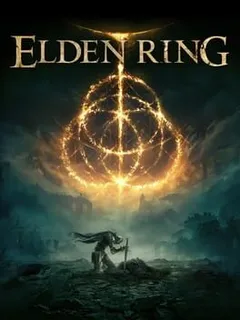
Elden Ring channels the same sense of mythological grandeur and punishing melee that GoW draws on, in a massive open world filled with monstrous bosses drawn from a layered, tragic lore.
Key difference: No narrative handholding; open-world Souls design, not cinematic linear.
Best for: GoW fans who want the hardest, most expansive mythological world.
Skip if: You need a voiced, guided story and accessible difficulty options.
Dark Souls III delivers the most cinematic and fast-paced entry in the Souls series, with tight melee weapon combat and unforgettable boss encounters set in a crumbling fantasy world.
Key difference: No story protagonist or companion arc; death-loop design philosophy.
Best for: GoW fans curious about Souls-style challenge after Ragnarök's success.
Skip if: Dying repeatedly to learn enemy patterns sounds frustrating, not fun.
Open-world structure and Nemesis system replace linear cinematic pacing.
PlayStation, PC, Xbox
A Plague Tale: Requiem
83%
Role-playing (RPG), Adventure
Far more stealth-focused; companion is the lead, not support.
Xbox, PC, PlayStation, Nintendo
NieR: Automata
82%
Role-playing (RPG), Hack and slash/Beat 'em up
Multiple playthroughs required for the full story; genre-bending structure.
PlayStation, PC
A Plague Tale: Innocence
82%
Adventure, Action
Stealth and puzzle-focused; far less combat than GoW.
Xbox, PlayStation, PC
Devil May Cry 5
81%
Hack and slash/Beat 'em up, Adventure
All about score and stylish combos; narrative is campy, not emotional.
PlayStation, Nintendo, PC, Xbox
Shadow of the Colossus
80%
Adventure, Action
No regular combat; only 16 colossi; almost no narrative exposition.
PlayStation
Batman: Arkham City
79%
Hack and slash/Beat 'em up, Adventure
Open-world Gotham; stealth and gadgets supplement combat.
PlayStation, PC, Xbox, Nintendo
Batman: Arkham Knight
78%
Hack and slash/Beat 'em up, Adventure
Heavy focus on Batmobile sections that divide opinion.
PlayStation, PC, Xbox, Nintendo
What makes a game truly feel like God of War?
Three things separate genuine God of War-alikes from games that merely share a genre tag. First, combat weight: every hit should feel physical and costly—games like Sekiro: Shadows Die Twice and Ghost of Tsushima nail this, while lighter action games do not. Second, cinematic narrative investment: the story must give you a reason to care beyond loot, as A Plague Tale: Requiem and NieR: Automata both do with companion-driven emotional arcs. Third, mythological scale: the sense that you are clashing with forces larger than any human world, which Shadow of the Colossus and Bloodborne achieve in very different registers.
Games that tick all three are rare. God of War Ragnarök is the obvious choice if you haven't played it. Outside the franchise, Ghost of Tsushima: Director's Cut comes closest to the complete package.
If you want the mythological boss-fight spectacle
God of War's towering Norse gods and world-serpent Jörmungandr are matched by the colossi of Shadow of the Colossus—each a puzzle wrapped in awe—and the relentless demigod encounters of Devil May Cry 5, which demands creative stylish mastery rather than raw power. For players willing to accept Souls-style difficulty, Elden Ring and Sekiro: Shadows Die Twice offer some of the most inventive and punishing mythological boss design in any action game, each creature feeling like a genuine confrontation with something ancient and terrible.
Best picks for the Kratos-Atreus emotional core
If the father-son dynamic is the heart of what you love, A Plague Tale: Requiem is the closest structural match in gaming: a protective adult guiding a younger companion through a hostile, historically grounded world, with a story that earns genuine emotional devastation. The Last of Us (available via candidate pool) covers similar ground—a surrogate-parent relationship in a survival setting with outstanding character writing. For those who want to stay in mythology, Hellblade: Senua's Sacrifice (in our additional picks) delivers a remarkably personal, emotionally brutal narrative wrapped in Norse and Celtic mythology with surprisingly strong melee combat.
Is God of War (2018) connected to the older Greek-era God of War games?
Yes. Kratos is the same character from God of War 1–3, now older and hiding his past. You don't need to play the originals to enjoy the 2018 game, but playing them adds significant emotional context, especially regarding Kratos's self-loathing and his reasons for hiding his godhood from Atreus.
What is the closest game to God of War (2018) that isn't a sequel?
Ghost of Tsushima: Director's Cut is the best non-sequel match: weighty third-person melee combat, a cinematic production standard, strong emotional protagonist arc, and a mythologized historical world. Star Wars Jedi: Fallen Order (in our additional picks) is also an extremely close structural match if you're open to a sci-fi setting.
Are the Souls games (Elden Ring, Dark Souls, Bloodborne) really similar to God of War?
They share the DNA of weighty, deliberate melee combat and mythological world-building, but the design philosophy differs significantly. God of War is a guided, cinematic, authored experience with accessible difficulty options. Souls games are deliberately opaque, punishing, and open-ended. Bloodborne is the closest in tone—dark, mythological, beautifully hostile—but expect a much steeper difficulty curve.
What game has the best combat system most like God of War 2018?
For one-to-one feel, God of War Ragnarök is identical. Outside the franchise, Ghost of Tsushima and Sekiro: Shadows Die Twice capture the same heavy, deliberate impact. Devil May Cry 5 shares the genre but is faster and more stylish, rewarding combo creativity over defensive positioning.
Are there any God of War-style games on PC?
Yes. NieR: Automata, Devil May Cry 5, Sekiro: Shadows Die Twice, Middle-earth: Shadow of Mordor, Elden Ring, and Dark Souls III are all on PC and share meaningful DNA with God of War. God of War (2018) and Ragnarök are also both available on PC via Steam.
 98%
98%