Elden Ring's appeal comes from a specific combination: deliberate, stamina-gated melee combat that demands learning boss move-sets through repetition; an open dark-fantasy world packed with secrets rewarded by exploration rather than map icons; and lore delivered through item descriptions and environmental fragments rather than cutscenes. It is demanding in a way that feels fair, and vast in a way that feels hand-crafted.
When players say "I want something like Elden Ring," they usually mean one of three things: the same punishing but fair boss challenge (the Soulslike DNA), the same open-world exploration wonder, or the same cryptic dark-fantasy world-building. The best picks deliver at least two of those three pillars.
Top pick: If you want the single closest experience, play Dark Souls III — it shares the exact same studio, engine philosophy, stamina system, boss design language, and cryptic fantasy atmosphere, and its DLC (Ashes of Ariandel and The Ringed City) represents some of the finest boss design FromSoftware has ever produced, including encounters that directly presage Elden Ring's late-game spectacle.
Some store buttons are affiliate links — we may earn a commission at no extra cost to you.
24 games like Elden Ring
96%
Dark Souls III 2016
Dark Souls III shares Elden Ring's punishing stamina-based combat, intricate interconnected world design, and cryptic dark-fantasy lore — it's the direct stylistic predecessor built on the same engine and philosophy. Boss encounters demand the same pattern-recognition and precise dodge timing.
Key difference: Linear level-gating replaces Elden Ring's open-world freedom.
Best for: Players who want the tightest Soulslike pacing FromSoftware has made.
Skip if: You loved Elden Ring specifically for open-world exploration.
Bloodborne swaps swords for trick weapons and replaces stamina-block gameplay with aggressive rally mechanics in a Lovecraftian gothic city — same FromSoftware DNA of punishing boss fights, oblique storytelling, and discovery-driven exploration. The tone is darker horror-fantasy rather than high fantasy.
Key difference: No shields; aggression-focused rally system replaces Elden Ring's defensive options.
Best for: Elden Ring fans craving faster, more offensive combat rhythm.
Skip if: You rely on shields and want slower, deliberate exchanges.
PlayStation
92%
Sekiro: Shadows Die Twice 2019
Sekiro: Shadows Die Twice is FromSoftware's katana-focused shinobi action game set in a reimagined Sengoku Japan, centered on posture-break parry duels rather than stamina management. Boss fights are chess-like exchanges that demand the same intense focus Elden Ring fans love.
Key difference: Fixed protagonist and no character-build customization whatsoever.
Best for: Players who want FromSoftware's hardest, most mechanically pure bosses.
Skip if: You enjoy freely customizing builds and stats.
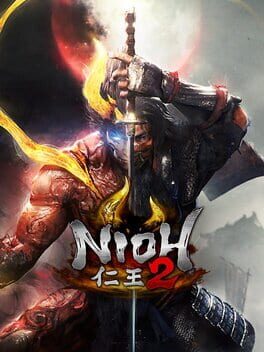
Nioh 2 is the most mechanically dense Soulslike outside FromSoftware, with a ki-pulse stamina system, stance switching, and guardian spirit abilities layered over punishing samurai combat — its build depth and challenging boss roster rival Elden Ring directly.
Key difference: Mission-based structure instead of a seamless open world.
Best for: Elden Ring players who want even deeper combat systems and build theory.
Skip if: You dislike mission-select structure or feel overwhelmed by layered mechanics.
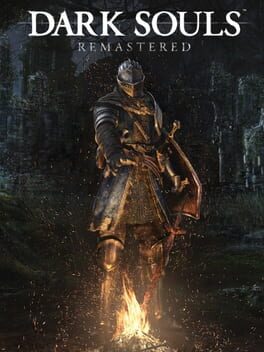
Dark Souls Remastered is the definitive way to play the first Dark Souls today — updated netcode, clean performance, and the Artorias of the Abyss DLC included. The interconnected world of Lordran remains one of gaming's greatest level-design achievements.
Key difference: Identical to Dark Souls 2011 in design; purely a technical upgrade.
Best for: New players wanting the smoothest entry into Dark Souls 1.
Skip if: You've already completed the original Dark Souls.
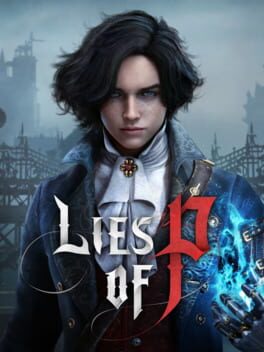
Lies of P is a masterfully crafted Soulslike set in a Belle Époque city overrun by automata, with a weapon-assembly crafting system and a parry-focused combat engine that sits between Sekiro's precision and Elden Ring's flexibility.
Key difference: Linear level progression in a curated city rather than an open world.
Best for: Players who want Soulslike polish and challenge in a fresh Victorian setting.
Skip if: You need an open world or co-op multiplayer to stay invested.
Demon's Souls is the original Soulslike — archstone-gated worlds, boss encounters built around learning tells, and oppressive atmosphere. The PS5 remake looks stunning and preserves the rawer, more experimental design that predates Elden Ring's refinements.
Key difference: Hub-based world structure instead of open seamless exploration.
Best for: Soulslike completionists who want to experience the origin point.
Skip if: You dislike older, less polished game feel even in remakes.
Dark Souls II introduces the largest roster of bosses in the Souls series along with a more open, interconnected map structure — it expanded the formula before Elden Ring went fully open world. Its adaptable power stance for dual-wielding directly prefigures Elden Ring's system.
Key difference: Weaker animation fluidity and enemy placement criticized even by fans.
Best for: Players who want more Souls content after exhausting other entries.
Skip if: You're sensitive to dated movement and hitbox inconsistencies.
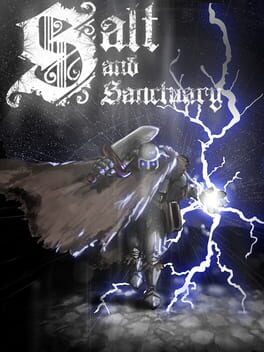
Salt and Sanctuary is a dark 2D side-scrolling Soulslike with a vast skill lattice and hand-drawn gothic art — it nails Elden Ring's sense of despair, discovery, and deliberate combat in a smaller-budget package that remains underrated.
Key difference: 2D platformer perspective instead of 3D third-person action.
Best for: Elden Ring fans on a budget who want Soulslike depth in 2D.
Skip if: You dislike 2D perspectives or find hand-drawn art styles off-putting.
God of War (2018) pairs deliberate axe-and-shield combat with an epic Norse mythology narrative, demanding resource management and precise parry timing against challenging bosses. The camera-over-shoulder intimacy and weighty combat feel closer to Elden Ring than most action games.
Key difference: Linear story-driven structure with a fixed protagonist and no build system.
Best for: Players who want Elden Ring's combat weight paired with cinematic storytelling.
Skip if: You want open exploration and deep character customization.
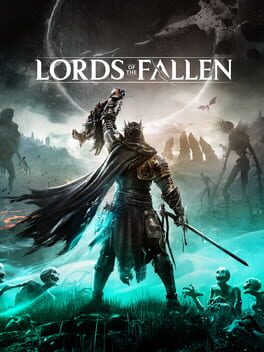
The 2023 Lords of the Fallen overlays two parallel worlds — the living realm and the Umbral afterlife — allowing you to shift between them to solve environmental puzzles and find hidden paths, wrapping this dual-world mechanic in deliberate Soulslike stamina combat.
Key difference: Dual-world traversal mechanic adds a layer Elden Ring lacks.
Best for: Elden Ring fans who want a fresh Soulslike with inventive world design.
Skip if: You dislike longer stamina penalties and slower movement than Elden Ring.
Ghost of Tsushima blends an open-world samurai adventure with precise sword-stance combat that rewards reading enemy telegraphs and switching between fighting styles — the exploration-and-combat loop feels tonally adjacent to Elden Ring's medieval open world.
Key difference: Far more accessible difficulty with a traditional waypoint-driven open world.
Best for: Players who loved Elden Ring's exploration but want a more guided story.
Skip if: You want punishing, deaths-teach-you difficulty and cryptic lore.
The Witcher 3 is the gold standard for open-world dark fantasy RPGs — branching quests with real consequence, dense world-building lore, and a combat system built around sign-spells and alchemy preparations. The sheer scale and narrative depth rival Elden Ring's.
Key difference: Combat is significantly less challenging and mechanically demanding.
Best for: Elden Ring fans who want deep story and dialogue over combat mastery.
Skip if: You play Elden Ring specifically for its uncompromising difficulty.
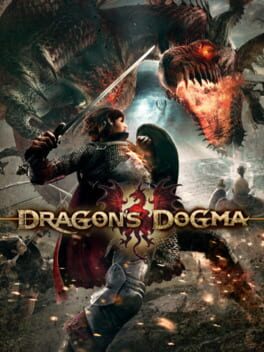
Dragon's Dogma features physics-driven melee and magic combat in an open dark-fantasy world, including the iconic mechanic of climbing enormous monsters to attack weak points — a direct ancestor of Elden Ring's large-boss encounters. The Vocation system offers deep class experimentation.
Key difference: AI Pawn companion system and climbable monster bodies not found in Elden Ring.
Best for: Players who want Elden Ring's monster scale with more party-oriented play.
Skip if: You want polished open-world production values or multiplayer co-op.
PlayStationXbox
72%
NieR: Automata 2017
NieR: Automata layers tight hack-and-slash combat with bullet-hell sections and multiple playthroughs that reframe the entire narrative — the deliberate boss design and cryptic world-building scratch the same introspective itch as Elden Ring's lore delivery.
Key difference: Action is faster and more stylized; story is the primary reward.
Best for: Elden Ring lore enthusiasts who enjoy philosophical world-building.
Skip if: You want methodical stamina-gated combat above all else.
Tunic puts you in a fox-hero's shoes exploring a mysterious isometric world with no hand-holding, discovering a fictional in-game manual page by page — its deliberate combat stamina system, hidden illusory walls, and cryptic progression directly evoke Elden Ring's design philosophy at a smaller scale.
Key difference: Isometric perspective and shorter runtime than Elden Ring's sprawling world.
Best for: Fans who love Elden Ring's mystery-first discovery design above all.
Skip if: You want 3D open-world combat depth and build customization.
Code Vein wraps Soulslike mechanics in an anime aesthetic, with a Blood Code system that lets you swap active skill sets between boss fights — the partner AI companion system and the ability to respec freely lower the barrier while keeping Elden Ring's loop recognizable.
Key difference: Far more accessible difficulty and anime visual style replace dark-fantasy grit.
Best for: Anime-RPG fans who want to enter the Soulslike genre gradually.
Skip if: You want the unforgiving, humorless atmosphere of FromSoftware's titles.
Monster Hunter: World centers your entire loop on tracking and defeating gigantic creatures in a detailed open ecosystem, then using their parts to craft progressively stronger gear — the boss-hunt preparation and execution loop closely mirrors Elden Ring's boss-focused reward cycle.
Key difference: No exploration-driven narrative; mission-based structure replaces open world.
Best for: Players who love Elden Ring's bosses more than its world traversal.
Skip if: You want a continuous open world and narrative-driven exploration.
Shadow of the Colossus builds its entire game around sixteen colossal boss encounters — each a spatial puzzle requiring you to find and exploit weak points on a living mountain of fur and stone. It anticipates Elden Ring's emphasis on memorable, oversized encounters.
Key difference: Almost no combat between bosses; minimalist world with no RPG progression.
Best for: Players who want Elden Ring's boss spectacle stripped to its essence.
Skip if: You need character progression and between-boss content to stay engaged.
Hollow Knight delivers a deep underground world of interconnected biomes, punishing combat that rewards reading enemy patterns, and lore told entirely through environmental detail and cryptic NPC fragments — it's frequently called the 2D spiritual cousin of Dark Souls and Elden Ring.
Key difference: 2D Metroidvania structure instead of 3D open world.
Best for: Elden Ring fans who enjoy atmospheric exploration and difficult boss fights.
Skip if: You dislike 2D platformers or Metroidvania map backtracking.
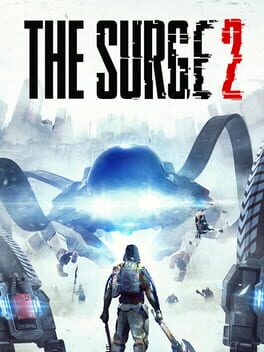
The Surge 2 transposes the Soulslike formula into a brutal sci-fi city, with a targeted limb-severing system that lets you cut off enemy weapons and armor pieces you want to loot — the stamina-based combat and interconnected level design faithfully replicate Elden Ring's core loop.
Key difference: Sci-fi industrial setting replaces fantasy; no open world, tighter hub areas.
Best for: Soulslike veterans who want the formula in a gritty sci-fi skin.
Skip if: You want the fantasy tone and expansive open world central to Elden Ring.
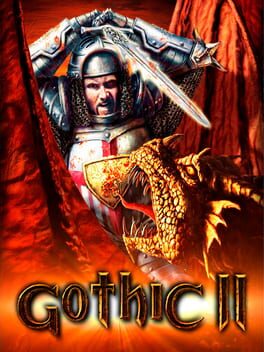
Gothic II is a dense open-world action RPG from 2002 where the world actively resists you at the start — early enemies genuinely punish overconfidence — and faction choices shape your available skills. Its organic world and systemic NPC schedules feel remarkably modern.
Key difference: Older European RPG conventions and dated graphics require patience to appreciate.
Best for: Soulslike fans who enjoy punishing early difficulty curves and faction systems.
Skip if: You need modern animation quality or UI polish to stay engaged.
The Witcher 2 features a darker, more morally complex fantasy world with combat built around preparation — potion brewing, trap laying, sign-casting — and a branching narrative where act-two is entirely different depending on your act-one choices.
Key difference: Older third-person combat feels more dated than Elden Ring's fluid system.
Best for: Elden Ring lore fans who want a morally ambiguous narrative-driven RPG.
Skip if: You want open-world exploration rather than corridor-driven acts.
Skyrim shares Elden Ring's open-world fantasy RPG structure — dozens of dungeons to discover, flexible character builds, and a dark mythology to unravel — though its combat is far less demanding. The sheer breadth of exploration scratches the same discovery itch.
Key difference: Combat is shallow and unthreatening compared to Elden Ring's difficulty.
Best for: Players who loved Elden Ring's world-building and want a more relaxed pace.
Skip if: You play Elden Ring specifically for its challenging combat demands.
Linear level-gating replaces Elden Ring's open-world freedom.
PlayStation, PC, Xbox
Bloodborne
95%
Role-playing (RPG), Adventure
No shields; aggression-focused rally system replaces Elden Ring's defensive options.
PlayStation
Sekiro: Shadows Die Twice
92%
Adventure, Action
Fixed protagonist and no character-build customization whatsoever.
PlayStation, PC, Xbox
Nioh 2
92%
Role-playing (RPG), Adventure
Mission-based structure instead of a seamless open world.
PlayStation
Dark Souls: Remastered
90%
Role-playing (RPG), Adventure
Identical to Dark Souls 2011 in design; purely a technical upgrade.
PlayStation, PC, Xbox, Nintendo
Lies of P
90%
Role-playing (RPG), Adventure
Linear level progression in a curated city rather than an open world.
Xbox, PlayStation, PC
Demon's Souls
87%
Role-playing (RPG), Adventure
Hub-based world structure instead of open seamless exploration.
PlayStation
Dark Souls II
85%
Role-playing (RPG), Adventure
Weaker animation fluidity and enemy placement criticized even by fans.
PlayStation, PC, Xbox
Salt and Sanctuary
80%
Role-playing (RPG), Adventure
2D platformer perspective instead of 3D third-person action.
PlayStation, PC, Xbox, Nintendo
God of War
78%
Role-playing (RPG), Adventure
Linear story-driven structure with a fixed protagonist and no build system.
PlayStation, PC
Lords of the Fallen
78%
Role-playing (RPG), Adventure
Dual-world traversal mechanic adds a layer Elden Ring lacks.
Xbox, PC, PlayStation
Ghost of Tsushima
76%
Role-playing (RPG), Adventure
Far more accessible difficulty with a traditional waypoint-driven open world.
PlayStation
The Witcher 3: Wild Hunt
75%
Role-playing (RPG), Adventure
Combat is significantly less challenging and mechanically demanding.
Xbox, PlayStation, PC, Nintendo
Dragon's Dogma
74%
Role-playing (RPG), Adventure
AI Pawn companion system and climbable monster bodies not found in Elden Ring.
PlayStation, Xbox
NieR: Automata
72%
Role-playing (RPG), Action
Action is faster and more stylized; story is the primary reward.
PlayStation, PC
What makes a game truly feel like Elden Ring?
The Soulslike formula rests on three interlocking pillars: weight (every attack and dodge costs stamina, making combat a resource puzzle), consequence (death costs progress and demands you recover it), and world-as-mystery (nothing is explained; reward comes from paying attention). Games that share all three — Bloodborne, Sekiro: Shadows Die Twice, and Demon's Souls — are the closest possible matches. Games that share one or two, like Ghost of Tsushima (world and combat feel) or Hollow Knight (consequence and mystery), are strong adjacent picks.
Be skeptical of lists that include games simply because they are open-world action RPGs. The Witcher 3 is a masterpiece but its combat lacks Elden Ring's mechanical demands. Skyrim shares the fantasy exploration but not the challenge. Genuine Soulslike alternatives — Nioh 2, Lies of P, Tunic — are rarer and more valuable finds.
Hidden gems that most 'games like Elden Ring' lists miss
Tunic is the most underrated pick on this list: its isometric fox-hero adventure hides illusory walls, cryptic manual pages, and a stamina-based combat system that consciously echoes FromSoftware's design philosophy. It is significantly shorter than Elden Ring but packs more genuine discovery-surprise per hour than most games twice its size. Dragon's Dogma is similarly overlooked — its pawn system and climbable giant bosses anticipated Elden Ring's large-creature encounters by a decade, and its Vocation system offers impressive build depth.
For players comfortable with older games, Gothic II (2002) deserves serious consideration: its world resists you from the first minutes, factions gate skills and areas, and the organic NPC routines create a living world that modern open-world games still struggle to match. Salt and Sanctuary remains the best budget alternative — a 2D hand-drawn Soulslike with surprising mechanical depth.
If you want Elden Ring's boss spectacle without the full Soulslike difficulty
Shadow of the Colossus distills the boss-fight experience to its purest form: sixteen encounters, each a physics-and-traversal puzzle on a living creature's body. There is no filler, no grinding, only the repeated cycle of observation, climbing, and execution that Elden Ring's best boss fights also deliver. Monster Hunter: World takes a complementary approach — its loop is built entirely around studying monster behavior, preparing counters, and executing a hunt, generating the same sense of earned mastery without the punishing death penalty.
For a narrative-rich alternative, God of War (2018) offers demanding boss fights built around parry timing and axe mechanics, wrapped in one of action gaming's best stories. Its optional late-game encounters (the Valkyries) rival Elden Ring's optional boss difficulty, making it the ideal recommendation for players who want the combat intensity with more story scaffolding.
Dark Souls III is generally considered comparable in difficulty, while the original Dark Souls has a notorious difficulty spike in its second half (Blighttown, the Bed of Chaos). Elden Ring is sometimes easier because its open world lets you over-level for specific bosses by exploring elsewhere — an option the linear Souls games don't offer.
What is the best game like Elden Ring on PC?
Elden Ring itself is available on PC, but among alternatives, Dark Souls III and Sekiro: Shadows Die Twice (both by FromSoftware) are the highest-quality PC matches. Lies of P and Nioh 2 are strong third-party Soulslike picks with excellent PC ports.
Are there any games like Elden Ring that are less difficult?
Ghost of Tsushima offers similar open-world samurai exploration with adjustable difficulty. The Witcher 3 shares the dark fantasy open world with far more accessible combat. Hogwarts Legacy delivers open-world magic-fantasy exploration with very low barrier to entry.
What games have the same feeling of exploration as Elden Ring?
The Legend of Zelda: Breath of the Wild is the closest match for the open-world discovery feeling — both games strip away waypoint hand-holding and reward curiosity. Tunic recreates the same sense of deciphering an unknown world through environmental observation.
Is there a game like Elden Ring with a better story?
The Witcher 3: Wild Hunt has a richer explicit narrative with fully voiced, morally complex quests. NieR: Automata delivers a more emotionally affecting philosophical story told through multiple playthroughs. Elden Ring's lore is comparably deep but requires active reconstruction from item descriptions rather than cutscenes.
 96%
96%