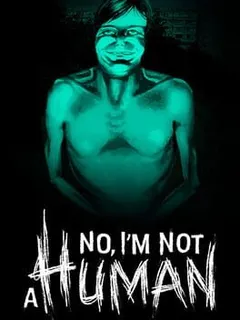
Imposter The Horror draws players in through its deliberate atmosphere and mechanics that prompt genuine self-reflection — the kind of horror that isn't just about what lurks in the dark, but about what the darkness reveals about the player themselves. It prioritizes mood and psychological unease over combat or action, making the experience feel personal and unsettling in ways that linger.
When players look for games like Imposter The Horror, they're searching for that same introspective dread: games where atmosphere does the heavy lifting, where mechanics feel intentional rather than incidental, and where the horror is as much internal as it is external. The picks below share those qualities — slow-burn tension, psychological weight, and environments that feel hostile in ways you can't always name.
Top pick: The single closest pick is Silent Hill 2 — no other game in the medium has so successfully weaponized atmosphere and symbolic design to make horror feel like a mirror held up to the player's own psychology, which is exactly the space Imposter The Horror aspires to occupy.
Some store buttons are affiliate links — we may earn a commission at no extra cost to you.
19 games like Imposter The Horror
88%
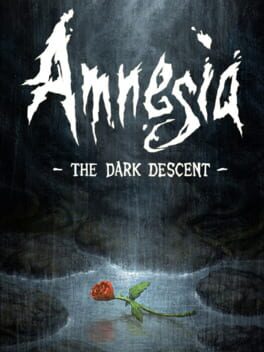
Amnesia: The Dark Descent 2010
Amnesia: The Dark Descent is a first-person atmospheric horror built entirely around dread, darkness, and a fragile protagonist who cannot fight back. Its suffocating environments and sanity mechanics create that same inward, self-confronting tension the anchor aims for.
Key difference: Linear castle setting; no open exploration outside scripted rooms.
Best for: Players who want pure, uninterrupted psychological terror.
Skip if: You need action or combat to stay engaged.
Silent Hill 2 uses fog, dissonant sound design, and symbolic monster design to externalize psychological guilt and shame. It is the benchmark for horror that 'connects you to yourself.'
Key difference: Third-person perspective with light combat and puzzle-solving.
Best for: Players craving story-driven psychological horror with meaning.
Skip if: Dated PS2-era controls are a dealbreaker for you.
PlayStation
86%
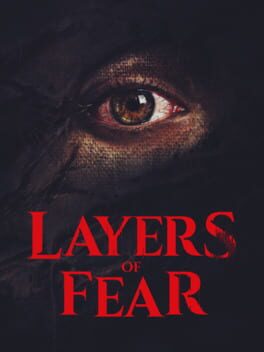
Layers of Fear 2023
Layers of Fear is a first-person psychological horror game set in a painter's ever-shifting mansion, where reality warps as you explore the artist's descent into madness. Its atmosphere is built entirely around dread and introspection.
Key difference: Linear walking-horror structure; no threat or combat.
Best for: Players who want atmospheric horror focused on the human psyche.
Skip if: You need genuine danger or enemy encounters.
SOMA strips away combat and forces you to confront identity, consciousness, and what it means to be yourself through a deeply unsettling sci-fi horror setting. Its atmosphere is meditative yet relentlessly disturbing.
Key difference: Science fiction deep-sea setting rather than supernatural horror.
Best for: Players who want horror that provokes genuine philosophical unease.
Skip if: You want jump-scares or action over slow atmospheric dread.
Outlast traps you in an asylum with no weapons, only a camcorder with limited battery, forcing you to hide and run from threats. The constant vulnerability creates visceral, sustained fear.
Key difference: More action-chase focused; less psychological, more visceral.
Best for: Players who want intense, helpless horror with strong pacing.
Skip if: Extreme gore and loud jump-scares put you off.
Visage is a slow-burn first-person horror game set in a house haunted by the tragedies of former residents, with a crushing atmosphere that demands patience and punishes carelessness.
Key difference: Longer, more demanding pacing than most atmospheric horror games.
Best for: Players who want the most oppressive, sustained dread available.
Skip if: Quick sessions or clear progress markers are important to you.
Inside builds dread through environmental storytelling and oppressive silence, with a nameless boy moving through a dystopian world that gradually reveals something deeply wrong. Its atmosphere lingers long after the credits.
Key difference: 2.5D side-scrolling platformer rather than first-person or free roam.
Best for: Players who want horror through minimalist art and implication.
Skip if: You dislike indirect storytelling with no dialogue.
Limbo uses stark black-and-white visuals and near-silence to craft a horror platformer where the world itself feels hostile and unknowable. Its atmosphere is oppressive without a single spoken word.
Key difference: Puzzle-platformer structure; horror comes from environment, not monsters.
Best for: Players who want short, artistic horror with strong atmosphere.
Skip if: You need explicit narrative or character to stay invested.
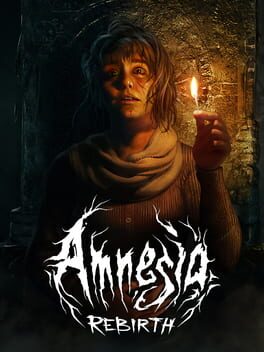
Amnesia: Rebirth follows a woman through a hauntingly barren desert and ancient ruins, building atmospheric horror through trauma, memory, and the terror of an encroaching darkness.
Key difference: More narrative-focused than the original; slower horror pacing.
Best for: Players who want atmospheric horror with a strong maternal story.
Skip if: You prefer the raw fear of the original Amnesia with fewer cutscenes.
Little Nightmares puts you in the shoes of a tiny, vulnerable child navigating a ship full of grotesque oversized predators. Its horror is built on scale, silence, and the constant sense of being hunted.
Key difference: Third-person puzzle-platformer; horror is more fairytale grotesque.
Best for: Players who want atmosphere-first horror with strong visual identity.
Skip if: You find child-in-peril scenarios too distressing.
Alien: Isolation uses a single, near-unkillable enemy and meticulous sound design to create hours of hide-and-seek survival horror. The atmosphere of the derelict space station is genuinely oppressive.
Key difference: Licensed sci-fi IP with extensive stealth survival systems.
Best for: Players who want tension-sustaining horror across a long campaign.
Skip if: Sci-fi settings don't generate dread for you.
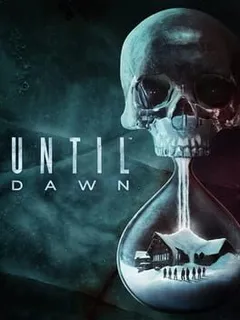
Until Dawn is a cinematic horror adventure where your choices determine who survives a slasher-movie scenario. Its atmosphere is carefully crafted and it genuinely subverts genre expectations.
Key difference: Choice-driven narrative with QTE gameplay rather than free exploration.
Best for: Players who enjoy horror with friends or prefer narrative over mechanics.
Skip if: You dislike movie-style gameplay or QTE sequences.
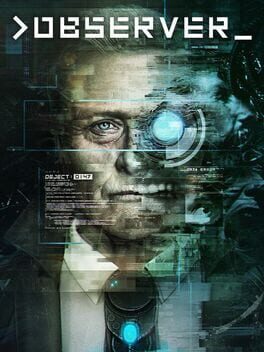
Observer is a cyberpunk horror walking simulator where you jack into dying people's minds to investigate murders, creating a fragmented, nightmarish atmosphere that blurs identity and reality.
Key difference: Cyberpunk detective framing overlaid on psychological horror.
Best for: Players who want horror built around identity and the mind.
Skip if: Cyberpunk sci-fi aesthetic doesn't resonate with you.
The Vanishing of Ethan Carter is a walking-simulator mystery set in a hauntingly beautiful but deeply unsettling valley, where piecing together supernatural deaths creates a creeping, melancholic dread.
Key difference: Almost no threat or danger; horror is entirely environmental and narrative.
Best for: Players who want quiet, introspective horror without any combat.
Skip if: You need active threat or tension to feel horror.
Doki Doki Literature Club! disguises itself as a cheerful visual novel before using meta-horror mechanics that break the fourth wall and genuinely disturb the player's sense of reality.
Key difference: Entirely text-and-image visual novel format; no movement or exploration.
Best for: Players open to horror through subverted genre expectations.
Skip if: Content warnings for self-harm and mental illness are a hard stop.
What Remains of Edith Finch is an anthology walking simulator about a cursed family, with several stories veering into genuine horror. Its introspective atmosphere and focus on the human psyche are memorable.
Key difference: Primarily a narrative experience with minimal horror tension.
Best for: Players who want emotional, story-led horror without fear mechanics.
Skip if: You need sustained dread or danger to enjoy horror games.
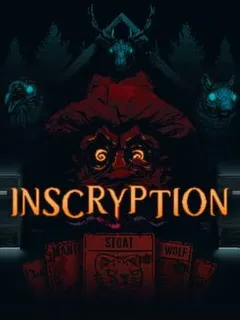
Inscryption wraps a deckbuilding roguelike in a thick layer of meta-horror and mystery, using its cabin setting and cryptic lore to create a unique sense of dread as the fourth wall quietly crumbles.
Key difference: Primarily a card game; horror is layered over strategic gameplay.
Best for: Players who want horror that rewards curiosity and exploration of systems.
Skip if: Deckbuilding mechanics are unappealing regardless of atmosphere.
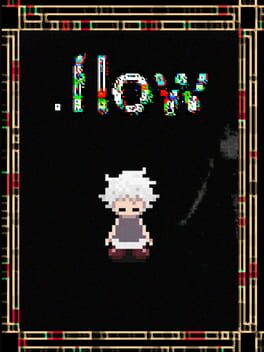
.flow is a freeware RPG Maker horror exploration game built around surreal, disturbing imagery and a dreamlike structure that eschews combat for pure atmospheric unease.
Key difference: Extremely lo-fi RPG Maker aesthetic; no conventional game structure.
Best for: Players seeking ultra-indie horror with deep surrealist atmosphere.
Skip if: Low-fidelity pixel art breaks immersion for you.
PC
58%💎 Gem
Yume 2kki 2007
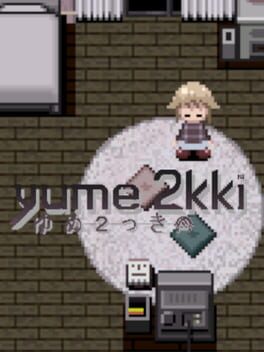
Yume 2kki is a fan-made collaborative RPG Maker horror exploration game in the tradition of Yume Nikki, filled with hundreds of dream worlds ranging from peaceful to deeply unsettling.
Key difference: Massive fan-made project with inconsistent tone across dream worlds.
Best for: Players who want to lose themselves in surreal, ambient horror exploration.
Skip if: You need narrative direction or clear goals to stay engaged.
Linear castle setting; no open exploration outside scripted rooms.
PlayStation, PC, Xbox, Nintendo
Silent Hill 2
87%
Horror
Third-person perspective with light combat and puzzle-solving.
PlayStation
Layers of Fear
86%
Horror
Linear walking-horror structure; no threat or combat.
Xbox, PC, PlayStation
Soma
85%
Horror
Science fiction deep-sea setting rather than supernatural horror.
PlayStation, PC, Xbox, Nintendo
Outlast
83%
Horror
More action-chase focused; less psychological, more visceral.
PlayStation, PC, Xbox, Nintendo
Visage
82%
Horror
Longer, more demanding pacing than most atmospheric horror games.
PlayStation, PC, Xbox
Inside
80%
Horror
2.5D side-scrolling platformer rather than first-person or free roam.
PlayStation, PC, Mobile, Xbox, Nintendo
Limbo
78%
Horror
Puzzle-platformer structure; horror comes from environment, not monsters.
PlayStation, PC, Mobile, Xbox, Nintendo
Amnesia: Rebirth
78%
Horror
More narrative-focused than the original; slower horror pacing.
Xbox, PlayStation, PC, Nintendo
Little Nightmares
77%
Horror
Third-person puzzle-platformer; horror is more fairytale grotesque.
PlayStation, Mobile, PC, Xbox, Nintendo
Alien: Isolation
76%
Horror
Licensed sci-fi IP with extensive stealth survival systems.
PlayStation, PC, Xbox, Nintendo
Until Dawn
74%
Horror
Choice-driven narrative with QTE gameplay rather than free exploration.
PlayStation
Observer
74%
Horror
Cyberpunk detective framing overlaid on psychological horror.
PlayStation, PC, Xbox, Nintendo
The Vanishing of Ethan Carter
72%
Horror
Almost no threat or danger; horror is entirely environmental and narrative.
PlayStation, PC, Xbox, Nintendo
Doki Doki Literature Club!
70%
Horror
Entirely text-and-image visual novel format; no movement or exploration.
PC, Mobile
What makes a game feel like Imposter The Horror?
The defining quality isn't jump-scares or monster counts — it's the sense that the game is doing something to you, not just at you. Games like Amnesia: The Dark Descent and SOMA achieve this by stripping away power fantasies: you cannot fight, you can only endure. The horror becomes personal because your own vulnerability is the mechanic.
Atmospheric consistency is equally critical. Inside and Limbo demonstrate that a single unbroken visual and sonic mood — maintained without cutscenes or tonal breaks — creates dread that compounds over time. The world stops feeling like a game set and starts feeling like a place you genuinely do not want to be.
If you want horror that makes you question reality
Doki Doki Literature Club! and Inscryption take a different approach: they use meta-horror to destabilize the player's relationship with the game itself. The horror isn't in the world of the game — it's in the realization that the game knows you're there. This is a rarer, more cerebral form of dread that pairs well with Imposter The Horror's focus on self-connection.
For something even more experimental, .flow and Yume 2kki are freeware RPG Maker explorations of surreal, dreamlike horror with no combat and no clear narrative — just atmosphere and implication layered across dozens of bizarre worlds. They are the underground canonical reference points for lo-fi introspective horror.
Best picks if you want horror without combat
The Vanishing of Ethan Carter and What Remains of Edith Finch are the most accessible pure-atmosphere picks for players who want horror that never threatens them directly. Both use environmental storytelling and a quiet, exploratory pace to deliver unease without a single enemy encounter — the horror emerges entirely from what you find and what it implies.
For a more intense version of the same approach, Alien: Isolation and Outlast prove that removing the player's ability to fight back — rather than arming them — is the most effective design choice for sustained dread. If Imposter The Horror made you feel powerless and watched, these two will push that feeling to its absolute limit.
Is Imposter The Horror a multiplayer game like Among Us?
Despite the 'Imposter' name, Imposter The Horror is a solo atmospheric horror experience focused on psychological dread and self-reflection rather than social deduction gameplay. It shares the name but not the genre.
What are the best horror games focused on atmosphere over action?
Amnesia: The Dark Descent, SOMA, Silent Hill 2, Inside, and Layers of Fear are the strongest picks for horror built on atmosphere rather than combat. All prioritize mood, sound design, and environmental storytelling over gunplay or enemy encounters.
Are there any free games similar to Imposter The Horror?
Yes — .flow and Yume 2kki are both free freeware RPG Maker horror exploration games with strong surrealist atmospheres. Doki Doki Literature Club! is also free on Steam and delivers surprising psychological horror.
What horror games are best for players who scare easily?
What Remains of Edith Finch, The Vanishing of Ethan Carter, and Inscryption offer horror atmosphere without sustained threat or jump-scares. They're unsettling rather than terrifying, making them good entry points for sensitive players.
Which games have horror that feels personal and psychological rather than just scary?
Silent Hill 2, SOMA, Amnesia: The Dark Descent, and Observer all use horror as a lens for examining identity, guilt, grief, or consciousness. They're the closest to horror that 'connects you to yourself' in the way Imposter The Horror describes.
 88%
88%