The Quarry works because it is essentially a playable slasher film: nine fully performed characters, a remote summer camp setting dripping with genre atmosphere, and a butterfly-effect choice system where every split-second decision—fight or flee, lie or confess—can permanently kill someone you've grown to care about. Supermassive Games nailed the co-op couch experience too, letting friends argue over choices like a horror movie audience given actual power.
When players look for games like The Quarry, they are really after one of two things: the same interactive-movie format with branching ensemble fates, or the same isolated horror atmosphere with strong character writing. The best matches deliver both; the rest lean into one pillar or the other.
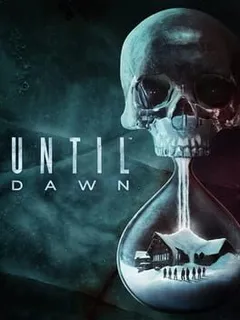
Top pick:Until Dawn is the single closest pick—made by the exact same studio with the same butterfly-effect engine, the same teen-ensemble horror cast, the same QTE-driven cinematic presentation, and the same promise that every character can live or die depending entirely on your choices; if you loved The Quarry, Until Dawn is essentially the game Supermassive made first as proof of concept, and it remains essential.
Some store buttons are affiliate links — we may earn a commission at no extra cost to you.
Until Dawn is the spiritual predecessor to The Quarry—same Supermassive Games formula, same butterfly-effect choice system, same slasher-horror setting with a group of teens trapped in a remote mountain lodge. Every decision cascades into life-or-death consequences for all eight characters.
Key difference: Mountain/winter lodge setting instead of summer camp.
Best for: Anyone who wants The Quarry's exact formula again.
Skip if: You want something less QTE-heavy or more action-driven.
The first Dark Pictures title from Supermassive Games—five characters trapped on a ghost ship in the Pacific, same butterfly-effect choice system, same QTE structure, and same shared-story multiplayer mode as The Quarry.
Key difference: Shorter runtime; slightly lower production budget than The Quarry.
Best for: Those who want The Quarry's exact formula in a nautical horror setting.
Skip if: You want a longer, more polished single-player experience.
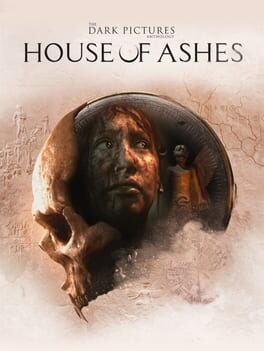
House of Ashes is another Supermassive Games Dark Pictures entry where a group of soldiers and operatives must survive a night of supernatural horror in Iraqi catacombs, with the same branching choice system and multiple playable characters as The Quarry.
Key difference: Military/archaeological setting replaces teen summer camp horror.
Best for: Players who want a darker, more grounded Supermassive narrative.
Skip if: You dislike military settings or want purely teen-slasher vibes.
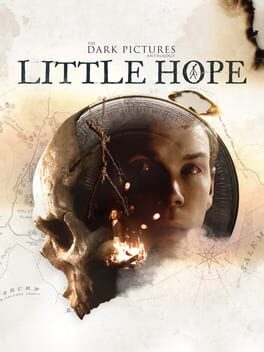
Supermassive's second Dark Pictures chapter sends a group of stranded adults into a fog-shrouded New England town haunted by witch-trial apparitions—same branching death system and cinematic presentation as The Quarry.
Key difference: Colonial witch-trial supernatural horror instead of slasher camp.
Best for: Quarry fans wanting more Supermassive content with a different horror subgenre.
Skip if: You disliked any Supermassive game's pacing or QTE style.
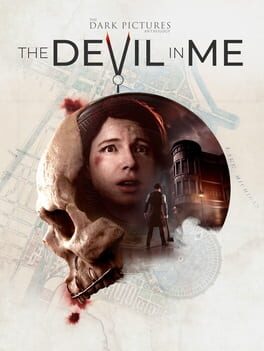
The most polished Dark Pictures entry traps documentary filmmakers in a recreation of H.H. Holmes's murder castle—it adds item interaction and stealth to Supermassive's branching cinematic formula, the closest Dark Pictures gets to The Quarry's scope.
Key difference: Serial-killer setting; slightly more puzzle and stealth elements.
Best for: Players who want Supermassive's best Dark Pictures chapter.
Skip if: You want supernatural monsters over human-villain horror.
Heavy Rain pioneered the interactive-movie genre that The Quarry builds on—four playable characters, consequential branching decisions with permanent death, and a tense thriller atmosphere driven entirely by narrative choices and QTEs.
Key difference: Crime thriller tone rather than supernatural teen horror.
Best for: Those who want deeper adult drama and mystery over slasher horror.
Skip if: You need horror and monsters rather than a detective narrative.
Quantic Dream's most ambitious interactive movie—three playable android protagonists whose fates diverge based on every choice you make, with the same ensemble-cast stakes and cinematic production values as The Quarry.
Key difference: Sci-fi political drama rather than supernatural teen horror.
Best for: Players who want deep branching narrative with high production quality.
Skip if: You need horror and monster threats rather than social drama.
Telltale's The Walking Dead shares The Quarry's emotional attachment to characters you might lose, horror-survival stakes, and decisions that genuinely change who lives and dies—just delivered in an episodic point-and-click format.
Key difference: Episodic zombie apocalypse world; cel-shaded art style.
Best for: Players who want narrative stakes without live-action production values.
Skip if: You dislike episodic pacing or want cinematic camera work.
Beyond: Two Souls is a Quantic Dream cinematic narrative where your choices shape the fate of a lead character across a supernatural thriller spanning years—same interactive-movie DNA, similar QTE combat, and strong ensemble cast performances.
Key difference: Single-protagonist supernatural drama, no ensemble group horror.
Best for: Fans of the cinematic storytelling who want a bigger emotional arc.
Skip if: You specifically want horror and multiple characters to save or lose.
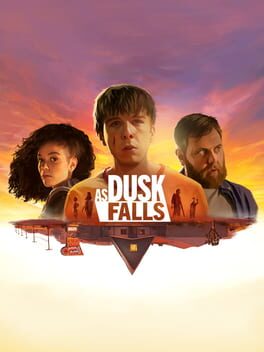
An interactive drama spanning two families over thirty years, triggered by a botched motel robbery—its choice-every-scene design and ensemble cast mortality echo The Quarry, with a striking illustrated art style and robust multiplayer voting mode.
Key difference: Crime drama across decades; graphic-novel art instead of photorealistic CG.
Best for: Those who want branching ensemble drama with strong co-op story voting.
Skip if: You need horror tone and monsters rather than crime drama.
Life Is Strange centers on teenager Max making choices that ripple through a small-town mystery with supernatural horror undercurrents—character-driven branching narrative where relationships and decisions determine outcomes.
Key difference: Time-rewind mechanic instead of permanent-death stakes.
Best for: Those who want teen drama and atmosphere over pure horror scares.
Skip if: You want high-tension monster horror rather than coming-of-age mystery.
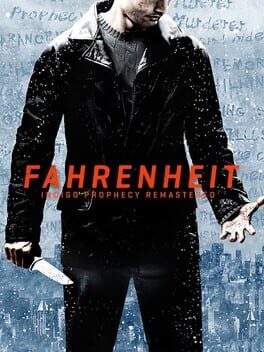
David Cage's original interactive-movie prototype—a supernatural thriller with multiple protagonists whose branching dialogue and QTE action scenes laid the foundation for everything The Quarry does.
Key difference: Older, rougher production values; mid-2000s gameplay feel.
Best for: Fans curious about the origins of the cinematic-narrative genre.
Skip if: You need modern production values or won't tolerate dated controls.
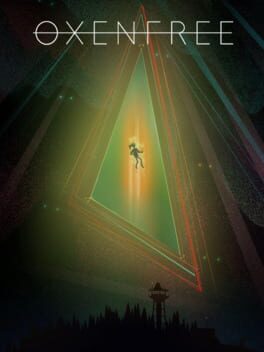
Oxenfree features a group of teenagers on a remote island who accidentally unleash a supernatural horror, with dialogue choices that shape relationships and outcomes in real time—a smaller, eerier narrative experience with genuine teen voice acting and atmosphere.
Key difference: Side-scrolling presentation; much more understated and minimalist.
Best for: Horror fans who want teen supernatural mystery with literary ambition.
Skip if: You want cinematic production values or QTE-driven action sequences.
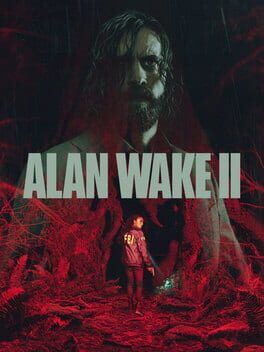
Alan Wake II is a cinematic horror adventure with a layered narrative, strong character performances, and survival-horror atmosphere—the closest a third-person action game gets to the scripted, story-first experience of The Quarry.
Key difference: Combat-focused gameplay; not an interactive movie.
Best for: Players who want cinematic horror with more gameplay agency.
Skip if: You want pure narrative choice and no shooting.
Danganronpa V3 traps a group of characters in a survival situation where decisions determine who lives and dies—its visual-novel format delivers similar social tension, ensemble character deaths, and mystery beats to The Quarry's group-survival horror.
Key difference: Anime visual-novel format; no cinematic camera or QTEs.
Best for: Those who love cast survival dynamics and deduction over atmosphere.
Skip if: You want photorealistic horror and not anime aesthetic.
SOMA is a narrative-first horror experience where story choices and atmosphere outweigh action—its philosophical horror and cinematic pacing share The Quarry's commitment to storytelling over traditional gameplay loops.
Key difference: First-person sci-fi horror; almost no QTEs or branching deaths.
Best for: Players who want cerebral, slow-burn horror narrative.
Skip if: You want group survival tension and explicit branching outcomes.
The Vanishing of Ethan Carter places you in a remote rural horror mystery told through environmental storytelling and puzzle reconstruction—its atmosphere of isolated woodland dread and narrative focus echo The Quarry's upstate New York tone.
Key difference: First-person solo mystery walker; no character choices or deaths.
Best for: Atmosphere seekers who want rural horror without jump scares.
Skip if: You want group dynamics, characters to lose, or QTE tension.
Silent Hill 2 is one of the most acclaimed psychological horror narratives in gaming, driven by character drama and dread rather than action—its story-first approach and horror atmosphere give it spiritual kinship with The Quarry's cinematic ambitions.
Key difference: Traditional survival-horror gameplay; no branching ensemble choices.
Best for: Those who want deeper psychological horror and masterful atmosphere.
Skip if: You dislike tank controls or traditional puzzle-based horror gameplay.
PlayStation
47%
Outlast 2013
Outlast puts you in a remote, isolated horror location with no way to fight back—pure survival horror atmosphere and relentless dread that fans of The Quarry's scarier moments will appreciate, even though it's first-person and lacks branching narrative.
Key difference: First-person stealth horror; no choices or multiple characters.
Best for: Players who want relentless tension and pure horror over story decisions.
Skip if: You need character agency, branching outcomes, or ensemble casts.
Mountain/winter lodge setting instead of summer camp.
PlayStation
The Dark Pictures Anthology: Man of Medan
93%
Adventure, Horror
Shorter runtime; slightly lower production budget than The Quarry.
Xbox, PlayStation, PC, Nintendo
The Dark Pictures Anthology: House of Ashes
91%
Adventure, Horror
Military/archaeological setting replaces teen summer camp horror.
Xbox, PlayStation, PC
The Dark Pictures Anthology: Little Hope
90%
Adventure, Horror
Colonial witch-trial supernatural horror instead of slasher camp.
Xbox, PlayStation, PC, Nintendo
The Dark Pictures Anthology: The Devil in Me
88%
Adventure, Horror
Serial-killer setting; slightly more puzzle and stealth elements.
Xbox, PlayStation, PC
Heavy Rain
87%
Adventure, Action
Crime thriller tone rather than supernatural teen horror.
PlayStation, PC
Detroit: Become Human
85%
Adventure, Action
Sci-fi political drama rather than supernatural teen horror.
PlayStation, PC
The Walking Dead
84%
Adventure, Action
Episodic zombie apocalypse world; cel-shaded art style.
PlayStation, PC, Mobile, Xbox, Nintendo
Beyond: Two Souls
81%
Adventure, Action
Single-protagonist supernatural drama, no ensemble group horror.
PlayStation, PC
As Dusk Falls
78%
Adventure
Crime drama across decades; graphic-novel art instead of photorealistic CG.
Xbox, PlayStation, PC
Life Is Strange
74%
Adventure, Action
Time-rewind mechanic instead of permanent-death stakes.
PlayStation, PC, Mobile, Xbox
Fahrenheit: Indigo Prophecy Remastered
72%
Adventure
Older, rougher production values; mid-2000s gameplay feel.
PC, Mobile
Oxenfree
70%
Adventure, Fantasy
Side-scrolling presentation; much more understated and minimalist.
PlayStation, PC, Mobile, Xbox, Nintendo
Alan Wake II
62%
Adventure, Action
Combat-focused gameplay; not an interactive movie.
Xbox, PC, PlayStation
Danganronpa V3: Killing Harmony
61%
Adventure, Survival
Anime visual-novel format; no cinematic camera or QTEs.
PlayStation, Mobile, PC, Nintendo
What makes a game truly feel like The Quarry?
The Quarry's formula rests on three pillars: cinematic production (motion-captured actors, film grammar camera work), ensemble mortality (any character can die and stay dead), and genre sincerity (it genuinely loves slasher-horror tropes rather than winking at them). Very few games hit all three. Until Dawn and the Dark Pictures Anthology titles (Man of Medan, Little Hope, House of Ashes, The Devil in Me) are the only games made to the same specification—all from Supermassive. Outside that studio, Heavy Rain and Detroit: Become Human from Quantic Dream come closest, swapping horror for crime thriller and sci-fi drama but preserving the interactive-movie DNA.
Games like Life Is Strange and Oxenfree share the teen ensemble and supernatural dread but deliver them through more traditional adventure-game interfaces rather than cinematic interactive movies. They scratch the narrative-choice itch without the horror intensity.
Best picks if you want more horror atmosphere over story choices
If the scares matter more than the branching decisions, Alan Wake II is the most cinematic horror experience outside the interactive-movie genre—it has a layered, performed narrative and masterful dread but gives you real combat agency. SOMA delivers existential horror through pure atmosphere and story with almost no violence, while The Vanishing of Ethan Carter nails the isolated rural horror tone of The Quarry's upstate New York setting in a first-person mystery format that is genuinely unsettling.
For fans who want a social-survival twist on ensemble horror, Danganronpa V3: Killing Harmony traps a group of characters in a killing game where you must reason out who dies next—the character attachment and group-survival tension are real even if the aesthetic is anime visual novel rather than photorealistic cinema.
Playing with friends: co-op and shared-story picks
The Quarry's pass-the-controller and movie-mode options make it a standout social game. Until Dawn supports the same couch co-op spirit, while the Dark Pictures Anthology entries (especially Man of Medan and The Devil in Me) add an online shared-story multiplayer mode where two players each control different characters simultaneously. As Dusk Falls goes furthest, letting up to eight players vote on decisions via mobile devices—it was designed from the ground up as a group-viewing interactive drama and is the best pure party alternative to The Quarry's movie night appeal.
Is Until Dawn basically the same game as The Quarry?
Almost. Both are made by Supermassive Games, both use the butterfly-effect choice system with full character mortality, both center on a group of young people in a remote location facing supernatural horror, and both star Hollywood-caliber motion-captured actors. Until Dawn (2015) came first and is set on a snowbound mountain lodge; The Quarry (2022) is bigger-budget and set in a summer camp. If you finished one and loved it, the other is the most natural next game you can play.
Are the Dark Pictures Anthology games as good as The Quarry?
They are made by the same studio with the same formula but at a lower budget and shorter runtime—each Dark Pictures title is roughly 4–6 hours versus The Quarry's 8–10. Man of Medan, Little Hope, House of Ashes, and The Devil in Me all have dedicated fanbases, and The Devil in Me is generally considered the most polished entry. Think of them as tighter, cheaper companion pieces rather than full equals in production scale.
What is the best game like The Quarry if I want more dramatic story and less horror?
Detroit: Become Human by Quantic Dream is the answer. It has three fully playable protagonists, one of the most elaborate branching flowcharts in the genre, and Hollywood-level production values—it just replaces supernatural horror with a sci-fi story about android civil rights. Heavy Rain is the same studio's murder-mystery predecessor and is slightly more intense in tone.
Is Life Is Strange similar enough to recommend to Quarry fans?
Yes, with caveats. Life Is Strange shares the teen protagonist, Pacific Northwest supernatural atmosphere, and emotionally consequential choice system, but its time-rewind mechanic means deaths are rarely permanent and the stakes feel softer. It is much more of a coming-of-age drama than a horror game. Players who loved The Quarry's character writing and slower conversational scenes will find a lot to like; players who loved the jump scares and monster reveals may find it too gentle.
Can I play The Quarry with friends who don't usually play games?
Yes—The Quarry has a dedicated Movie Mode that plays automatically like a film and lets you set preferences for who you want to survive, and a pass-the-controller mode that assigns each player one character. The same applies to Until Dawn and the Dark Pictures titles. These are the most accessible games in the genre for non-gamers because most of the experience is watching and reacting rather than executing precise controller inputs.
 97%
97%