Primordialis earns its fans through a rare combination: the tactile surprise of a physics engine applied to biological creature design, and the run-based reward loop of a roguelike. You don't just fight—you construct a living weapon from tentacles, electrical organs, and explosive offspring, then watch emergent chaos unfold in the primordial deep.
When players search for games like Primordialis, they're chasing one or more of its pillars: physics-based creature construction, roguelike run-to-run progression, aquatic/subterranean biological exploration, or the sheer creative absurdity of building something strange and unleashing it. Few games combine all four—so this list targets each strand.
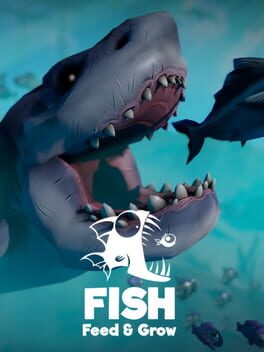
Top pick:Feed and Grow: Fish is the single closest match for the core fantasy: you are an aquatic creature fighting to survive underwater by growing, adapting, and overpowering the ecosystem around you, with the same physics-driven violence and biological variety that defines Primordialis's appeal.
Some store buttons are affiliate links — we may earn a commission at no extra cost to you.
16 games like Primordialis
82%💎 Gem
Feed and Grow: Fish 2016
Feed and Grow is a physics-based underwater survival game where you play as a fish, eat smaller creatures, grow larger, and unlock new species with different body abilities—the closest spiritual twin to Primordialis's aquatic creature combat loop.
Key difference: No roguelike run structure; it's an open sandbox survival.
Best for: Players who want the fish-eat-fish aquatic biology loop.
Skip if: You need procedural roguelike progression or creature building.
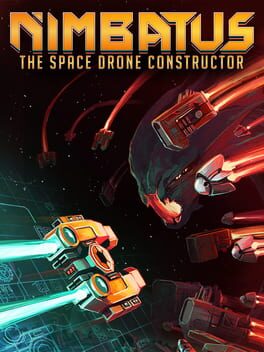
Nimbatus is a physics-based spaceship-builder roguelike where you assemble drones from modular parts—including weapons, appendages, and sensors—then send them into procedurally generated worlds, directly mirroring Primordialis's 'build a weird creature and watch physics happen' core loop.
Key difference: Space sci-fi setting with drones, not biological fish creatures.
Best for: Players who love the builder + roguelike formula above all else.
Skip if: You want underwater aesthetics or organic creature feel.
Spore lets you design a creature body-part by body-part from the primordial cell stage upward, with each attached limb and mouth changing movement and combat—directly sharing Primordialis's creature-assembly fantasy.
Key difference: Multi-stage evolution game, not a roguelike; runs are very long.
Best for: Players who want the deepest creature-body-building experience.
Skip if: You want fast roguelike runs or tight combat depth.
Subnautica drops you into a vast alien ocean where you explore crushing depths, encounter hostile creatures, and piece together a mystery from the seafloor up. The primordial underwater setting and sense of biological wonder closely match Primordialis's aesthetic.
Key difference: No roguelike runs or creature-building; it's a linear survival story.
Best for: Players who want the deep-sea atmosphere with a narrative arc.
Skip if: You dislike base-building or open survival loops.
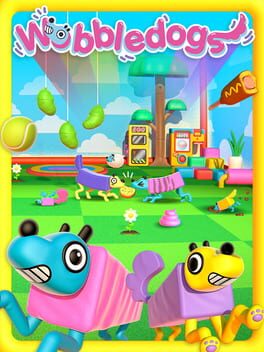
Wobbledogs simulates soft-body physics dogs that mutate heritable traits based on what they eat, creating increasingly bizarre creatures—sharing Primordialis's delight in emergent physics bodies and biological weirdness.
Key difference: No combat or roguelike; it's a pure creature life-sim toy.
Best for: Players fascinated by the biological mutation and physics body system.
Skip if: You want combat, challenge, or structured progression.
Hades is a polished roguelike where each run feels meaningfully different thanks to stacking ability combinations—the same drive as Primordialis's fish-building system. Both reward creative synergy-hunting over many iterative runs.
Key difference: No physics or creature customization; it's a brawler, not a builder.
Best for: Fans of the roguelike loop who want stronger narrative and production values.
Skip if: You specifically want aquatic or physics-based gameplay.
Rogue Legacy is a procedural roguelike platformer where heritable traits change each run, echoing Primordialis's concept of evolving your creature's traits run over run. Both lean into quirky, sometimes absurd inherited mutations.
Key difference: No physics simulation or creature-body customization at all.
Best for: Fans of the mutation/trait-stacking roguelike formula.
Skip if: You want an underwater setting or sandbox building creativity.
Terraria is a 2D sandbox where you fight bizarre procedurally generated boss creatures and craft increasingly exotic gear from their remains—sharing Primordialis's loop of defeating strange beasts to grow stranger yourself. Underground biomes echo the primordial depths.
Key difference: Side-scrolling action-builder, not physics-based creature assembly.
Best for: Players who want deep crafting and monster variety alongside exploration.
Skip if: You dislike resource farming or 2D platformer combat.
Don't Starve drops you into a hostile, hand-drawn wilderness where bizarre creatures follow their own ecology and you must survive using the environment's rules—matching Primordialis's feel of being a small, improvising organism in a hostile biome.
Key difference: No roguelike run structure or physics; survival sandbox focus.
Best for: Players who enjoy emergent chaos with dark, weird creature design.
Skip if: You dislike permadeath without the 'retry and build' arc.
Hollow Knight sends you deep underground into a vast insect ecosystem teeming with hostile, beautifully designed creatures—sharing Primordialis's sense of descending into unknown, dangerous biological depths.
Key difference: Metroidvania structure, no physics-builder or roguelike runs.
Best for: Players drawn to the atmospheric 'unknown depths' feel.
Skip if: You want creature customization or procedural runs.
Undertale subverts RPG combat with creative, physics-adjacent bullet-pattern encounters and lets you approach creatures with unusual strategies—sharing Primordialis's playful 'what if I try this weird thing?' energy.
Key difference: Turn-based RPG, no physics or creature construction.
Best for: Players who love quirky indie ideas and unconventional combat mechanics.
Skip if: You want action or real-time physics gameplay.
Human: Fall Flat is entirely built around slapstick, emergent physics-based problem solving—the closest candidate-pool match to Primordialis's physics engine as a core design pillar.
Key difference: Puzzle-platformer, no creatures, combat, or roguelike structure.
Best for: Players who love the physics sandbox above all else.
Skip if: You want combat, progression, or creature biology.
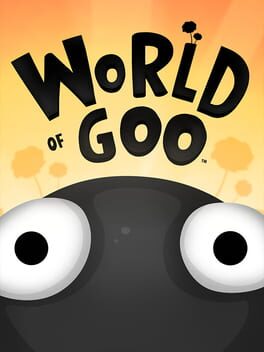
World of Goo is a physics-based indie puzzle game where you build wobbly, emergent structures from living goo balls—capturing the tactile, physics-toy quality of assembling odd forms in Primordialis.
Key difference: Pure puzzle game; no combat, roguelike, or creature progression.
Best for: Players who love the physics construction toy aspect of Primordialis.
Goat Simulator is a physics chaos sandbox where the ragdoll engine is the joke—scratching the same itch as Primordialis's delight in emergent, ridiculous physics interactions with creature bodies.
Key difference: No roguelike, no meaningful progression, pure comedy sandbox.
Best for: Players who want pure physics absurdity with zero stakes.
Skip if: You want meaningful build depth or roguelike runs.
Inside is a dark, atmospheric indie about a small creature moving through a hostile biological world full of grotesque organisms—tonally adjacent to Primordialis's primordial-depth horror aesthetic.
Key difference: Linear cinematic platformer with no builder or roguelike mechanics.
Best for: Players drawn to the dark biological horror atmosphere.
Skip if: You need agency, customization, or replayable runs.
No Man's Sky features procedurally generated alien ocean worlds teeming with bizarre aquatic life, and its survival loop of scanning and adapting to creature ecosystems loosely echoes Primordialis's biological exploration.
Key difference: Space exploration survival game, not a physics creature-builder roguelike.
Best for: Players who love the biological diversity and alien ocean visuals.
Skip if: You want tightly structured roguelike runs.
No roguelike run structure; it's an open sandbox survival.
PC
Nimbatus: The Space Drone Constructor
72%
Simulator, Indie
Space sci-fi setting with drones, not biological fish creatures.
PC
Spore
65%
Action
Multi-stage evolution game, not a roguelike; runs are very long.
—
Subnautica
55%
Indie
No roguelike runs or creature-building; it's a linear survival story.
Xbox, PlayStation, Nintendo, Mobile, PC
Wobbledogs
55%
Simulator, Indie
No combat or roguelike; it's a pure creature life-sim toy.
PC, Nintendo
Hades
52%
Indie, Action
No physics or creature customization; it's a brawler, not a builder.
Xbox, PlayStation, PC, Mobile, Nintendo
Rogue Legacy
45%
Indie, Action
No physics simulation or creature-body customization at all.
PlayStation, PC, Xbox, Nintendo
Terraria
42%
Simulator, Indie
Side-scrolling action-builder, not physics-based creature assembly.
PlayStation, PC, Nintendo, Mobile, Xbox
Don't Starve
38%
Simulator, Indie
No roguelike run structure or physics; survival sandbox focus.
PlayStation, PC, Xbox, Nintendo
Hollow Knight
36%
Indie, Action
Metroidvania structure, no physics-builder or roguelike runs.
Xbox, PlayStation, PC, Nintendo
Undertale
33%
Indie
Turn-based RPG, no physics or creature construction.
PlayStation, PC, Xbox, Nintendo
Human: Fall Flat
32%
Simulator, Indie
Puzzle-platformer, no creatures, combat, or roguelike structure.
Xbox, PlayStation, PC, Nintendo, Mobile
World of Goo
30%
Simulator, Indie
Pure puzzle game; no combat, roguelike, or creature progression.
PC, Nintendo, Mobile
Goat Simulator
28%
Simulator, Indie
No roguelike, no meaningful progression, pure comedy sandbox.
PlayStation, PC, Xbox
Inside
26%
Indie, Action
Linear cinematic platformer with no builder or roguelike mechanics.
PlayStation, PC, Mobile, Xbox, Nintendo
What makes a game feel like Primordialis?
The key is the intersection of emergent physics and biological customization—the feeling that your creature's body is a machine whose behavior surprises even you. Nimbatus captures this most precisely through its modular drone-builder roguelike, while Spore's cell-to-creature arc captures the body-part assembly fantasy in its purest form, letting every attached limb change how your organism moves and fights.
On the roguelike side, Hades and Rogue Legacy deliver the tightest run-based progression loops in the candidate pool—if the 'build a stronger thing each run' cycle is what you're after, either scratches that itch, even without the creature physics.
Best picks for the underwater and subterranean depth atmosphere
Subnautica is the gold standard for primordial ocean dread—descending through biomes filled with increasingly hostile and alien lifeforms mirrors Primordialis's sense of the deep as something unknowable and dangerous. Hollow Knight replicates that atmosphere underground, building an entire biological ecosystem of insect civilizations beneath the surface, with the same sense that the deeper you go, the stranger things become.
If you love the physics chaos more than the roguelike
Human: Fall Flat and Wobbledogs both treat their physics engine as the primary toy—the fun is in watching soft-body simulation produce unexpected results from simple inputs. World of Goo takes a more structured puzzle approach to the same physics-construction satisfaction. None have Primordialis's combat, but all deliver that tactile 'I made a weird shape and now it's doing a thing' pleasure that is arguably the game's most distinctive hook.
Is there a game where you build a fish or sea creature and fight?
Feed and Grow: Fish is the most direct answer—you play as aquatic creatures, eat to grow, and battle other sea life in a physics-driven sandbox. Primordialis adds roguelike runs and modular body-part attachment on top of a similar fantasy.
What roguelikes have creature or body customization like Primordialis?
Nimbatus - The Space Drone Constructor is the closest structural twin: a physics-based builder roguelike where modular parts change how your creation fights. Hades and Rogue Legacy deliver strong roguelike loops but replace body customization with ability and trait systems.
Are there other physics-based indie games like Primordialis?
Human: Fall Flat, World of Goo, and Wobbledogs all make emergent physics their core design pillar. Wobbledogs in particular shares the biological mutation angle, simulating soft-body creatures that change shape based on heritable traits.
What games have the same primordial or deep-sea exploration feel?
Subnautica is the definitive aquatic exploration game, with a strong sense of descending into an alien, hostile ocean biome. Hollow Knight replicates that atmosphere underground, and Don't Starve captures the feeling of being a small organism in a hostile, bizarre ecosystem.
Is Primordialis similar to Spore?
They share the creature-assembly fantasy—attaching body parts that change how your organism moves and fights—but differ significantly in structure. Spore is a long-form evolution game across multiple stages, while Primordialis is a tightly looped roguelike with physics-first combat. If body-part building is your priority, Spore is the most direct ancestor.
 82%💎 Gem