Tomb Raider (2013) works because it strips the franchise back to something raw: a cinematic survival-adventure where every combat encounter feels desperate, every traversal sequence is earned, and Lara's transformation from frightened castaway to hardened fighter is the emotional engine. The winning combination is third-person cover shooting, acrobatic platforming, environmental puzzle tombs, light crafting, and a story told with genuine character weight.
When people search for games like Tomb Raider (2013), they're really looking for that specific cocktail — a strong protagonist pushed to the limit, the thrill of exploring dangerous ruins, and action that feels grounded rather than superheroic. The best alternatives either nail the cinematic action-adventure structure, share the survival-island premise, or reproduce that sense of a lone person outmatched by their environment.
Top pick:Rise of the Tomb Raider is the single closest pick — it is literally the next chapter in the same Lara Croft story, built on the identical engine and design philosophy, with every mechanic refined and more tombs to raid.
Some store buttons are affiliate links — we may earn a commission at no extra cost to you.
17 games like Tomb Raider
98%
Rise of the Tomb Raider 2015
The direct sequel expands on every pillar of the 2013 reboot: third-person cover shooting, environmental puzzles, tomb exploration, and Lara's survival arc in a hostile wilderness. The core loop is virtually identical with a larger open-world sandbox.
Key difference: More open-world structure with optional side tombs and hubs.
Best for: Anyone who wants more of the exact same game.
Skip if: You disliked the 2013 formula or want something fresh.
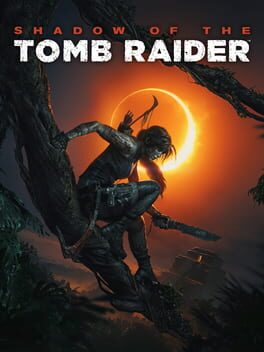
The third entry in the reboot trilogy continues Lara's arc in Mayan ruins with improved stealth, more tombs, and a darker narrative. It's the most direct continuation of the 2013 game's identity.
Key difference: More stealth-centric and slightly more open-world structured.
Best for: Anyone who finished the 2013 game and wants the trilogy complete.
Skip if: You found Rise of the Tomb Raider's formula repetitive.
Uncharted 4 shares Tomb Raider 2013's DNA almost beat-for-beat: cinematic third-person action, cover shooting, platforming across exotic ruins, and a character-driven survival story. The production quality is similarly exceptional.
Key difference: Lighter survival tone; more comedy and banter than grit.
Best for: Players who want the cinematic polish cranked even higher.
Skip if: You loved the dark, desperate survival atmosphere specifically.
Uncharted 2 established the cinematic action-adventure blueprint that Tomb Raider 2013 refined. Train traversal, Himalayan ruins, cover shooting, and set-piece spectacle are all here.
Key difference: No crafting or survival mechanics; purely cinematic pacing.
Best for: Those who want the gold-standard of the genre's early era.
Skip if: You want RPG progression or resource management.
The Last of Us matches Tomb Raider 2013's gritty survival tone almost perfectly: limited resources, stealth, brutal third-person combat, and a story about a protagonist pushed to their psychological limits.
Key difference: Post-apocalyptic USA setting instead of a mysterious island.
Best for: Players who cared most about the dark survival atmosphere.
Skip if: You dislike slow pacing or emotional narrative weight.
Uncharted 3 delivers the same mix of platforming through crumbling architecture, cover-based gunfights, and globetrotting mystery that Tomb Raider 2013 fans crave, with spectacular desert and ship set-pieces.
Key difference: More linear and set-piece-focused; less player agency.
Best for: Fans of spectacle-driven, tightly directed action-adventure.
Skip if: You want exploration freedom or progression systems.
Far Cry 3 shares Tomb Raider 2013's island-survival premise almost directly: a young protagonist stranded on a dangerous island must hunt, craft, and fight to survive while uncovering a dark mystery.
Key difference: First-person, fully open-world with larger shooter focus.
Best for: Players who loved the survival-island premise and want more freedom.
Skip if: You specifically want third-person platforming and tomb puzzles.
Horizon Zero Dawn stars a resourceful female protagonist who crafts weapons, hunts in a hostile environment, and unravels a civilization mystery — the same structural fantasy as Lara's arc, in a sci-fi open world.
Key difference: Full open-world RPG with far more mechanical depth.
Best for: Players who loved Lara's bow-hunting and want an expanded version.
Skip if: You want tight linear pacing and no level grinding.
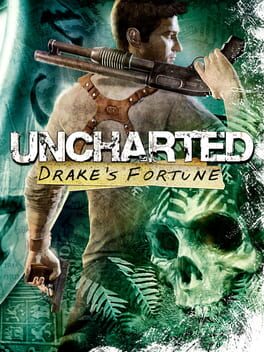
The game that started the Uncharted series features jungle ruins, third-person shooting, platforming, and an archaeological mystery — the earliest entry in the closest franchise to Tomb Raider 2013.
Key difference: Older engine; less polished pacing and shooting mechanics.
Best for: Series newcomers starting from the beginning chronologically.
Skip if: You expect modern production values or stealth options.
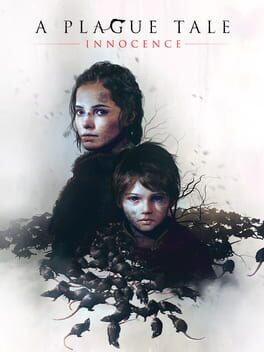
A Plague Tale follows a young woman fighting to survive a hostile, monster-filled world while unraveling a dark historical mystery — the same desperate survival arc and cinematic storytelling as Tomb Raider 2013.
Key difference: Medieval France setting; puzzle-stealth over shooting; no platforming.
Best for: Players who loved the survival-story atmosphere over the action.
Skip if: You want shooter mechanics or open exploration.
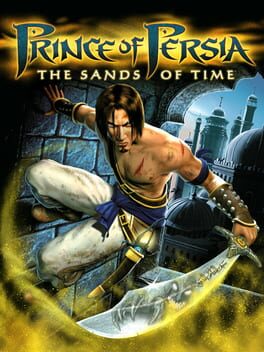
Prince of Persia: Sands of Time predates Uncharted but shares the same action-platforming DNA: acrobatic traversal through ancient ruins, environmental puzzles, melee combat, and a mythological mystery.
Key difference: Time-rewind mechanic; melee-focused rather than shooting.
Best for: Players who want the platforming and puzzle element front and center.
Skip if: You want shooting or stealth as core mechanics.
Shadow of Mordor uses a very similar third-person action-adventure structure — open traversal, stealth kills, bow combat, and a story of a protagonist surviving against overwhelming odds in a hostile world.
Key difference: Nemesis system and fantasy setting; less exploration puzzle focus.
Best for: Fans who want deeper combat systems and enemy hierarchies.
Skip if: You want a grounded, realistic survival tone.
God of War (2018) reinvented itself as a story-driven third-person action-adventure with crafting, puzzle-filled ruins, and a protagonist overcoming trauma — sharing Tomb Raider's emotional arc structure.
Key difference: Heavy melee combat focus; no shooting or stealth.
Best for: Those who want deep combat and mythology over exploration.
Skip if: You specifically want Tomb Raider's platforming and shooting.
Origins shifts the AC formula toward RPG exploration of ancient Egypt with tombs, bow combat, and a protagonist backstory of loss and revenge — structurally closer to Tomb Raider's reboot than earlier AC entries.
Key difference: Large open-world RPG with loot systems; less cinematic pacing.
Best for: Fans of Tomb Raider's archaeological exploration at a massive scale.
Skip if: You want tight linear adventure over open-world grinding.
Metal Gear Solid 3 drops Snake into a hostile jungle where he must hunt animals, craft medicine, and survive — the same primal survival fantasy as Tomb Raider 2013, wrapped in a Cold War spy thriller.
Key difference: Camouflage stealth-first design; much slower, more tactical.
Best for: Players who loved the survival-hunting loop and want stealth depth.
Skip if: You want action momentum or platforming exploration.
Resident Evil 4 pioneered the over-the-shoulder third-person shooter format that Tomb Raider 2013 builds on, with exploration of dangerous environments, limited resources, and tense survival encounters.
Key difference: Horror tone; no platforming or outdoor traversal.
Best for: Players drawn to resource-scarce survival-shooter tension.
Skip if: You want open landscapes, climbing, and puzzle tombs.
Assassin's Creed II puts a charismatic protagonist through acrobatic free-running, exploration of historical ruins, and a mystery narrative — sharing Tomb Raider's sense of climbing through ancient architecture.
Key difference: Open-world Renaissance Italy; much less survival or shooting.
Best for: Fans of historical exploration and parkour traversal.
Skip if: You want gritty survival tension over lighthearted adventure.
More open-world structure with optional side tombs and hubs.
PlayStation, PC, Xbox
Shadow of the Tomb Raider
97%
Shooter, Puzzle
More stealth-centric and slightly more open-world structured.
Xbox, PlayStation, PC
Uncharted 4: A Thief's End
95%
Shooter, Adventure
Lighter survival tone; more comedy and banter than grit.
PlayStation
Uncharted 2: Among Thieves
93%
Shooter, Platform
No crafting or survival mechanics; purely cinematic pacing.
PlayStation
The Last of Us
90%
Shooter, Adventure
Post-apocalyptic USA setting instead of a mysterious island.
PlayStation
Uncharted 3: Drake's Deception
86%
Shooter, Platform
More linear and set-piece-focused; less player agency.
PlayStation
Far Cry 3
83%
Shooter, Adventure
First-person, fully open-world with larger shooter focus.
PlayStation, PC, Xbox
Horizon Zero Dawn
82%
Shooter, Adventure
Full open-world RPG with far more mechanical depth.
PlayStation, PC
Uncharted: Drake's Fortune
80%
Shooter, Platform
Older engine; less polished pacing and shooting mechanics.
PlayStation
A Plague Tale: Innocence
80%
Adventure, Action
Medieval France setting; puzzle-stealth over shooting; no platforming.
Xbox, PlayStation, PC
Prince of Persia: The Sands of Time
77%
Platform, Puzzle
Time-rewind mechanic; melee-focused rather than shooting.
Xbox, PlayStation, Nintendo, PC
Middle-earth: Shadow of Mordor
73%
Adventure, Action
Nemesis system and fantasy setting; less exploration puzzle focus.
PlayStation, PC, Xbox
God of War
72%
Adventure, Action
Heavy melee combat focus; no shooting or stealth.
PlayStation, PC
Assassin's Creed Origins
72%
Adventure, Action
Large open-world RPG with loot systems; less cinematic pacing.
Xbox, PlayStation, PC
Metal Gear Solid 3: Snake Eater
68%
Shooter, Adventure
Camouflage stealth-first design; much slower, more tactical.
PlayStation
What makes a game feel like Tomb Raider 2013?
The reboot's DNA comes down to three interlocking pillars: desperate survival tension (limited resources, brutal early combat), traversal through ancient spaces (climbing, swinging, scrambling up cliff faces), and a character-driven origin story told with cinematic craft. Games that nail all three score highest here — which is why Uncharted 4 and The Last of Us both rank so highly despite being very different on the surface.
Far Cry 3 is the often-overlooked match: it shares the literal premise (young protagonist stranded on a hostile island, hunting to survive, gradually becoming a weapon), and its early hours capture Tomb Raider's sense of vulnerability better than almost anything else. The shift to first-person costs it some cinematic polish, but the survival-island fantasy is unmistakable.
Best picks for Tomb Raider's platforming and puzzle tombs
If the optional challenge tombs were your favourite part — those self-contained environmental puzzles in enclosed spaces — Prince of Persia: The Sands of Time is the hidden gem to reach for. It predates Uncharted entirely and offers pure action-platforming through ancient ruins with a time-rewind mechanic that makes puzzle sequences feel elegant rather than frustrating.
The original Tomb Raider (1996) is also worth experiencing as a historical artifact: the puzzle-platforming is far more demanding and the atmosphere genuinely eerie, showing how much the 2013 reboot reinterpreted the source material while keeping its spirit intact.
If you loved Lara's survival arc, try these story-first picks
The Last of Us and its sequel are the sharpest emotional matches for players who cared most about Tomb Raider's story of a person at their absolute limit. Both share the third-person survival-shooter structure, the resource scarcity, and the willingness to make violence feel costly rather than triumphant. They're darker and slower, but the psychological weight is analogous.
For a hidden gem in this vein, Metal Gear Solid 3: Snake Eater drops its protagonist in a jungle with the same instruction Lara gets on Yamatai — survive by any means. The hunting, foraging, and wound-treatment systems are proto-Tomb Raider in feel, wrapped in a Cold War thriller that rewards patience.
Is Rise of the Tomb Raider a direct sequel to Tomb Raider 2013?
Yes. Rise of the Tomb Raider (2015) is the second game in Crystal Dynamics' reboot trilogy, continuing Lara's story immediately after the events of the 2013 game. It uses the same core mechanics and is the most natural next step for any fan of the original.
How similar is Uncharted to Tomb Raider 2013?
Very similar. Both are cinematic third-person action-adventures with cover shooting, acrobatic platforming through ruins, and a strong protagonist chasing a historical mystery. Uncharted is generally lighter in tone — less survival grit, more wit and spectacle — but the structural and mechanical overlap is the highest of any other series.
Are there games like Tomb Raider 2013 with a female protagonist?
Several. Horizon Zero Dawn stars Aloy, who hunts with a bow, crafts gear, and unravels a civilization mystery in a hostile open world. A Plague Tale: Innocence follows Amicia through a brutal survival narrative. The Last of Us Part II features Ellie in a survival-shooter context very close to Tomb Raider's tone.
Is Far Cry 3 similar to Tomb Raider 2013?
More than most people expect. Both games cast a young protagonist stranded on a dangerous island who must hunt, craft, and fight to survive while gradually becoming hardened. Far Cry 3 is first-person and fully open-world, but its early survival atmosphere and island-mystery premise are the closest thematic parallel in the shooter genre.
What should I play after finishing the entire Tomb Raider reboot trilogy?
After Rise of the Tomb Raider and Shadow of the Tomb Raider, the best next stop is Uncharted 4: A Thief's End for cinematic action-adventure, then The Last of Us for grittier survival storytelling. If you want something with more RPG depth, Horizon Zero Dawn extends the bow-hunting and exploration loop into a larger open world.
 98%
98%