Balatro's magic lives in three places: the tight roguelite run structure with escalating antes, the poker-hand scoring engine that turns familiar card values into a point-multiplier puzzle, and most importantly the joker synergy discovery loop — that electric moment when two modifiers combine into something absurd. It's a game about reading a hand of options, committing to a build direction, and riding exponential math to victory or ruin.
When players ask for games like Balatro, they're really asking for one or more of these things: a roguelite run structure with meaningful build decisions, a card or synergy-based core mechanic, or the specific thrill of assembling a "broken" engine from mundane-seeming parts. The best matches below deliver at least two of those three pillars.
Top pick:Slay the Spire is the single closest game to Balatro in the candidate list — it invented the deck-building roguelite format Balatro refined, shares the same shop-then-fight run structure, and gives you the same compulsive search for synergistic card combinations that push your damage into absurd territory; if you love Balatro, Slay the Spire is essential.
Some store buttons are affiliate links — we may earn a commission at no extra cost to you.
Slay the Spire is the deck-building roguelite that Balatro owes most of its DNA to: construct a card deck from a draft pool each run, layer passive relics that multiply your power, and find devastating synergies to defeat a final boss. The strategic depth of curating and pruning your deck run-to-run is nearly identical in feel.
Key difference: Combat is turn-based against enemies with shown intent, not poker-hand scoring.
Best for: Anyone who wants deeper narrative enemy variety with the same loop.
Skip if: You dislike turn-based combat and prefer pure scoring puzzles.
Inscryption is a card-game roguelite where you build a deck of creatures across escalating encounters, with passive sigil synergies that snowball run-to-run — essentially Balatro's structural twin, wrapped in a creepy meta-narrative layer.
Key difference: Dark horror aesthetic with a fourth-wall-breaking story twist.
Best for: Balatro fans who want a card roguelite with narrative ambition.
Skip if: You dislike horror theming or story interrupting the card loop.
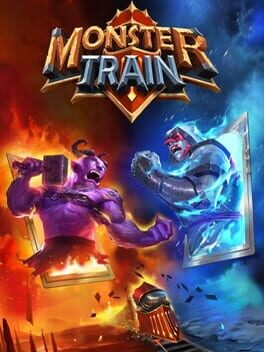
Monster Train is a deck-building roguelite where you stack unit and spell synergies across multiple floors of a train, defending a pyre — the run structure, shop economy, and build-sculpting feel nearly identical to Balatro in pacing and depth.
Key difference: Tower-defense positioning layer added on top of deck-building.
Best for: Slay the Spire fans who want more tactical spatial decisions.
Skip if: You dislike managing board positioning alongside card draws.
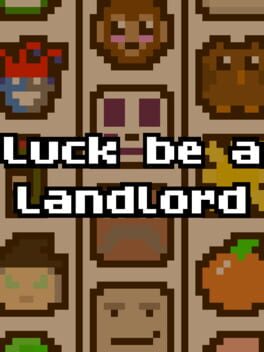
Luck be a Landlord is the most direct spiritual sibling to Balatro: a slot-machine roguelite where you draft symbols, layer passive modifiers, and chase multiplicative synergies to hit escalating rent targets — the feel of "joker math" is essentially identical.
Key difference: Slot-machine slot grid instead of poker hand selection.
Best for: Balatro fans who want the purest score-multiplier synergy game.
Skip if: You dislike gambling aesthetics or very abstract mechanics.
The Binding of Isaac: Rebirth is a roguelite built around discovering absurdly powerful item synergies — the same "what if I stack these two broken things" dopamine loop that drives Balatro's joker combinations. Each run reshapes your build in unexpected ways across escalating floors.
Key difference: Real-time twin-stick shooter action, no cards or poker.
Best for: Players who love emergent combo discovery above all else.
Skip if: You want turn-based pacing and purely strategic play.
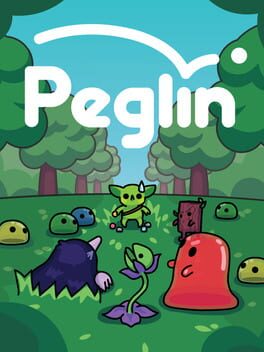
Peglin is a Pachinko-meets-roguelite where you bounce orbs through peg boards to deal damage, stacking relics that dramatically amplify scores — that same escalating-multiplier high and run-by-run synergy hunting is Balatro's exact feel in a physics wrapper.
Key difference: Physics-based Pachinko scoring rather than card hand selection.
Best for: Balatro fans who love score-attack multiplier chasing in a new form.
Skip if: You want full strategic control without random physics elements.
Loop Hero places cards on a looping map to generate terrain and enemies, building a passive engine that snowballs over time — a similar feel to Balatro's economy of buying modifiers and watching multipliers cascade. The roguelite structure and meta-progression closely mirror Balatro's session rhythm.
Key difference: Largely hands-off auto-battler once the board is built.
Best for: Fans of Balatro's engine-building economy who want a different skin.
Skip if: You need direct control over each action in combat.
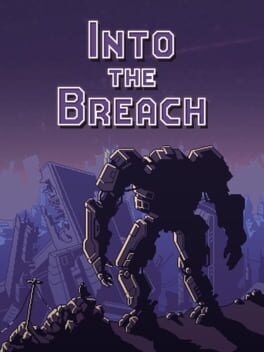
Into the Breach is a tight turn-based puzzle-strategy roguelite where every enemy's next move is shown, demanding optimal positioning and resource decisions each turn. Like Balatro, it rewards reading a situation and finding the exact move that makes everything click.
Key difference: Grid-based mech combat with perfect information, not card scoring.
Best for: Balatro fans who love the puzzle-solving aspect over the gambling feel.
Skip if: You want randomized escalating chaos rather than precise optimization.
Blue Prince is a roguelite about drafting room tiles to build a mansion layout, seeking synergies between rooms and their effects across runs — the same sense of run-to-run discovery and meta-knowledge accumulation that defines Balatro. Its 2025 release makes it an overlooked gem.
Key difference: Spatial tile-placement puzzle rather than card hand scoring.
Best for: Balatro fans who enjoy architecture of a run as much as the scoring.
Skip if: You dislike slow-burn mystery and prefer immediate feedback loops.
Hades layers boon synergies across each escape attempt, rewarding knowledge of which god powers stack catastrophically well together — a comparable brain-space to tracking joker interactions in Balatro. The roguelite run structure and meta-progression feel very similar in pacing.
Key difference: Real-time action combat with a heavy narrative focus.
Best for: Players who want Balatro's run energy with story and characters.
Skip if: You dislike action games or want pure strategic abstraction.
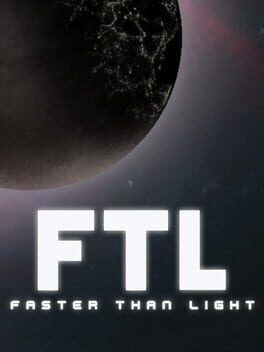
FTL: Faster Than Light is a roguelite where you manage ship systems, crew, and weapon loadouts across escalating encounters, making strategic resource decisions at every node — a similar flow to Balatro's shop-and-blind structure. Discovering synergistic ship builds is deeply satisfying.
Key difference: Real-time-with-pause spaceship management, no card game element.
Best for: Balatro fans who want roguelite tension with more systemic simulation.
Skip if: You want pure card or score-based mechanics.
Darkest Dungeon is a roguelite with a punishing economy of resources, party composition synergies, and incremental runs that chip away at a persistent meta-campaign — its strategic weight and "build your team" philosophy mirrors Balatro's deck curation.
Key difference: Gothic horror RPG with stress and permadeath, far heavier tone.
Best for: Balatro players who want deeper resource management and atmosphere.
Skip if: You dislike punishing difficulty and bleak aesthetics.
Hearthstone is a collectible card game where deck construction and in-game hand management are the primary skills — overlapping with Balatro's card evaluation and resource optimization, just in a competitive PvP arena without roguelite structure.
Key difference: PvP-focused CCG, no roguelite runs or poker mechanics.
Best for: Balatro fans who want to test card skills against other players.
Skip if: You dislike live-service monetization or competitive play.
Gwent: The Witcher Card Game is a strategic card game about building rows of units and timing special abilities to win best-of-three matches — sharing Balatro's hand-reading, tempo, and resource management but in a PvP fantasy setting.
Key difference: Competitive multiplayer card game, no roguelite or poker framework.
Best for: Balatro fans who love the card strategy layer and want PvP.
Skip if: You want a single-player run-based experience.
Cult of the Lamb blends a roguelite combat dungeon with a base-building loop — the two-phase structure (fight runs plus persistent management) echoes Balatro's runs and meta-progression shop rhythm, even if the mechanics differ completely.
Key difference: Action combat and god-game base building, not cards or scoring.
Best for: Balatro players who want roguelite runs plus a persistent world to grow.
Skip if: You want pure strategic abstraction with no action component.
Risk of Rain chains item pickups across escalating difficulty, with powerful stacking interactions — the same explosive synergy mathematics that Balatro exploits with joker multipliers. Finding a game-breaking item stack is as satisfying as a high-scoring Balatro hand.
Key difference: Real-time 2D action platformer with no cards.
Best for: Balatro fans who love synergy explosion but want kinetic action.
Rogue Legacy is a roguelite platformer whose persistent gold-into-upgrades loop and escalating run difficulty share the same satisfaction curve as Balatro's meta-progression. Each run teaches you something new, rewarding accumulated knowledge.
Key difference: 2D action platformer with no card or strategy mechanics.
Best for: Balatro fans who want a gentler roguelite entry point.
Skip if: You want strategic decision-making rather than action skills.
Dead Cells is a polished roguelite with branching weapon builds and synergy-seeking between gear scrolls and abilities — the desire to assemble a "broken" build echoes Balatro's joker stacking, delivered through fast action combat.
Key difference: Real-time platformer combat with no card or poker element.
Best for: Balatro fans craving roguelite build variety in an action format.
Skip if: You prefer slow, turn-based or card-game pacing.
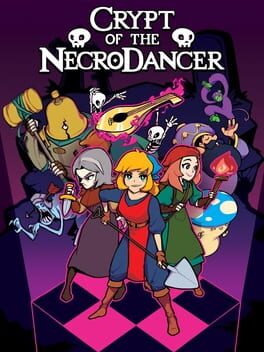
Crypt of the NecroDancer is a rhythm-roguelite where each run reshapes your moveset via item pickups, and your knowledge of enemy patterns is the skill ceiling — that meta-knowledge loop mirrors learning Balatro's joker catalog deeply.
Key difference: Rhythm-based dungeon crawler — every action must sync to the beat.
Best for: Balatro fans who want a wildly unique roguelite hook.
Skip if: You dislike rhythm games or real-time pressure.
Returnal is a high-stakes roguelite where each run demands reading risk-reward trade-offs in loot and room selection — structurally similar to Balatro's blind selection and ante escalation, wrapped in a third-person shooter.
Key difference: Intense real-time bullet-hell shooter with permadeath, no cards.
Best for: Balatro fans who want punishing roguelite tension with a AAA budget.
Skip if: You want turn-based, slow, or card-driven gameplay.
Combat is turn-based against enemies with shown intent, not poker-hand scoring.
PlayStation, PC, Mobile, Xbox, Nintendo
Inscryption
95%
Strategy, Indie
Dark horror aesthetic with a fourth-wall-breaking story twist.
Xbox, PlayStation, PC, Nintendo
Monster Train
90%
Strategy, Turn-based strategy (TBS)
Tower-defense positioning layer added on top of deck-building.
Xbox, PC, Mobile, PlayStation, Nintendo
Luck be a Landlord
87%
Strategy, Indie
Slot-machine slot grid instead of poker hand selection.
Xbox, PlayStation, PC, Mobile, Nintendo
The Binding of Isaac: Rebirth
83%
Indie
Real-time twin-stick shooter action, no cards or poker.
PlayStation, PC, Nintendo, Mobile, Xbox
Peglin
82%
Strategy, Indie
Physics-based Pachinko scoring rather than card hand selection.
Xbox, PlayStation, Mobile, PC, Nintendo
Loop Hero
80%
Strategy, Indie
Largely hands-off auto-battler once the board is built.
Xbox, PC, Mobile, Nintendo
Into the Breach
76%
Strategy, Turn-based strategy (TBS)
Grid-based mech combat with perfect information, not card scoring.
PC, Mobile, Nintendo
Blue Prince
75%
Strategy, Indie
Spatial tile-placement puzzle rather than card hand scoring.
Xbox, Nintendo, PC, PlayStation
Hades
73%
Indie
Real-time action combat with a heavy narrative focus.
Xbox, PlayStation, PC, Mobile, Nintendo
FTL: Faster Than Light
72%
Strategy, Indie
Real-time-with-pause spaceship management, no card game element.
PC, Mobile
Darkest Dungeon
70%
Strategy, Turn-based strategy (TBS)
Gothic horror RPG with stress and permadeath, far heavier tone.
PlayStation, PC, Mobile, Xbox, Nintendo
Hearthstone
70%
Strategy, Turn-based strategy (TBS)
PvP-focused CCG, no roguelite runs or poker mechanics.
Mobile, PC
Gwent: The Witcher Card Game
65%
Strategy, Card & Board Game
Competitive multiplayer card game, no roguelite or poker framework.
PlayStation, Mobile, PC, Xbox
Cult of the Lamb
63%
Strategy, Indie
Action combat and god-game base building, not cards or scoring.
Xbox, PlayStation, PC, Nintendo
What makes a game truly feel like Balatro?
Balatro's core feel rests on three pillars: a roguelite run that resets but teaches, a card or synergy system with multiplicative scaling, and an economy of choices (buy this joker vs. save for next shop) that makes every decision matter. Slay the Spire nails all three as a card-game roguelite, while Loop Hero captures the engine-building and run economy in a very different aesthetic skin. Into the Breach captures the "optimal answer exists if you think hard enough" puzzle satisfaction Balatro's best hands deliver.
If what you specifically love is the synergy explosion — stacking two things until the numbers become ridiculous — then The Binding of Isaac: Rebirth and Risk of Rain deliver that dopamine hit most directly, even though neither uses cards. The key is the moment a build "pops" and everything becomes a one-shot.
The best hidden gems for Balatro fans
Most "games like Balatro" lists stop at Slay the Spire and Hades, but the real finds are elsewhere. Loop Hero (candidate list) is systematically underrated: its card-placement engine-building hits the same "I'm assembling a passive multiplier machine" satisfaction Balatro does, and most players outside hardcore roguelite circles haven't touched it. Blue Prince (2025) is so new it hasn't appeared on comparison lists yet, but its roguelite tile-drafting and run-knowledge accumulation feel remarkably similar to learning Balatro's joker catalogue.
Outside the candidate list, Luck be a Landlord is perhaps the most direct Balatro parallel that gets overlooked: a slot-machine roguelite where you draft synergistic symbols and chase multiplicative rent payments — the mechanical DNA is almost identical to Balatro's joker math. And Peglin translates the same score-attack multiplier escalation into a Pachinko physics format that's genuinely original.
If you want the card game without the roguelite, or the roguelite without the cards
If Balatro's card game strategy is what hooked you but you could take or leave the run-based resets, try Hearthstone for competitive deck-building and hand management, or Gwent: The Witcher Card Game for a more tactical, low-randomness card duel. Both reward deep knowledge of card interactions in a persistent (not roguelite) format.
If instead it's the roguelite structure and build escalation you love — the run rhythm, the shop, the escalating difficulty — and the poker skin is incidental, then FTL: Faster Than Light, Darkest Dungeon, and Dead Cells each scratch that itch through completely different mechanical lenses: spaceship resource management, gothic RPG party building, and action platformer weapon synergies respectively.
Yes, Slay the Spire is the single closest match. Both are deck-building roguelites with a shop-then-fight run structure, passive relic/joker modifiers that stack multiplicatively, and a core loop of drafting and pruning your deck toward a synergistic build. If you love Balatro, Slay the Spire is essential — and vice versa.
Are there games like Balatro that use actual poker mechanics?
Balatro is quite unique in using real poker hand rankings as the scoring engine. The closest games with gambling or card-score mechanics outside the candidate list include Luck be a Landlord (slot-machine synergy roguelite) and Peglin (Pachinko score-attack roguelite). Inscryption uses card games but with creature combat rather than poker hands.
What's a good game like Balatro for someone new to roguelites?
Rogue Legacy is one of the gentlest entry points — it has strong persistent meta-progression so you always feel like you're advancing, and the run structure is simple. Hades is also beginner-friendly due to its narrative hooks and adjustable difficulty (God Mode). Both teach the roguelite mindset without Balatro's abstraction level.
Are there any games like Balatro on mobile?
Hearthstone has an excellent mobile version and delivers card strategy depth. Slay the Spire also has a strong mobile port. For a closer Balatro feel on mobile, Luck be a Landlord (available on mobile) is the most direct alternative, featuring the same synergy-hunting slot roguelite structure.
What should I play after finishing Balatro if I want more deck-building roguelites?
After Balatro, the natural next stop is Slay the Spire for classic deck-building roguelite depth, then Inscryption for a card roguelite with a shocking narrative twist. Monster Train (not in the candidate pool) is the third essential, adding tower-defense positioning to the deck-building loop. Loop Hero (in the candidate pool) is a strong follow-up if you want something stranger and more passive.
 97%
97%