Firewatch works because it strips a game down to its emotional essentials: a first-person walk through a gorgeous natural landscape, a slow-burning mystery that never quite goes where you expect, and a relationship — conducted entirely over a radio — that quietly becomes the whole point. Henry's Wyoming summer is as much about grief and escapism as it is about conspiracy.
When people search for games like Firewatch they're really looking for that specific cocktail: atmospheric first-person or narrative exploration, intimate human drama, a mystery that rewards curiosity, and a willingness to trust mood over mechanics. The best recommendations here share at least two of those pillars, and the very best share all of them.
Top pick:What Remains of Edith Finch is the single closest match in the pool — first-person, narrative-only, packed with intimate family drama and environmental mystery, and about as emotionally precise as Firewatch itself — but if you want the most structurally similar experience that exists, Oxenfree (in the additional list) is the true twin: radio communication, real-time dialogue, a creeping mystery in a gorgeous natural setting, and an emotional gut-punch ending.
Some store buttons are affiliate links — we may earn a commission at no extra cost to you.
22 games like Firewatch
95%
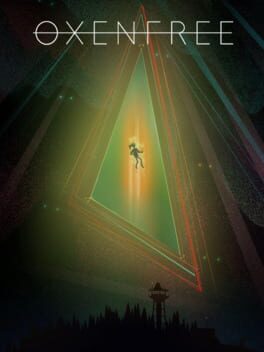
Oxenfree 2016
Oxenfree is a first-person-adjacent supernatural mystery where teens accidentally open a ghost rift on an island; dialogue happens in real time over a walkie-talkie radio, making it the most mechanically and thematically parallel game to Firewatch that exists.
What Remains of Edith Finch is a first-person narrative exploration game where you move through a family home uncovering haunting personal stories. Like Firewatch, every detail exists to reveal character and stoke emotional resonance rather than test reflexes.
Key difference: Chapters are vignettes, not a continuous open world.
Best for: Players who want the most emotional punch per minute.
Skip if: You want sustained exploration, not brief set-pieces.
Gone Home is a first-person mystery where you return to an empty house and piece together what happened to your family through environmental storytelling. The lonely, discovery-driven atmosphere and intimate drama closely mirror Firewatch's emotional register.
Key difference: Interior domestic setting instead of open wilderness.
Best for: Fans who loved the story above all else.
Skip if: You want any hint of action or outdoor exploration.
The Vanishing of Ethan Carter drops you into a first-person murder mystery inside a gorgeous, eerie forest valley and lets you reconstruct crimes at your own pace. The wilderness atmosphere and slow-burn mystery feel is the closest visual and structural twin to Firewatch in the whole pool.
Key difference: Supernatural horror elements underpin the mystery.
Best for: Players who wanted Firewatch's mystery to go darker.
Skip if: You dislike macabre imagery or supernatural twists.
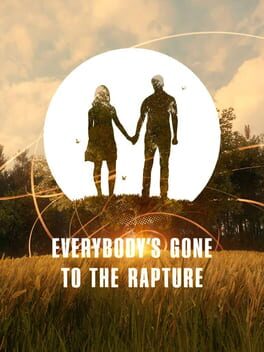
This is a first-person walking-sim set in an emptied English village where you follow trails of light to uncover what happened to the residents — the pacing, pastoral beauty, and emotional mystery are strikingly close to Firewatch.
Key difference: Very slow-paced even by walking-sim standards; no protagonist voice.
Best for: Players who want beautiful environments and a melancholy mystery.
Skip if: You need dialogue-driven character relationships.
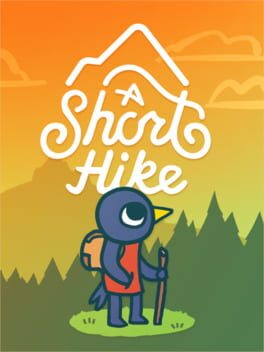
A Short Hike puts you on a small island mountain with nothing to do but wander, chat with strangers, and find your own pace — the same restorative, nature-soaked freedom Firewatch captures. It's gentler and shorter but nails the feeling of wilderness as emotional refuge.
Key difference: Breezy, cheerful tone; no mystery thread to follow.
Best for: Anyone who loved Firewatch's setting more than its plot.
Skip if: You need narrative tension to stay engaged.
Kona is a first-person investigation game set in a snowbound 1970s Canadian wilderness where you unravel a mystery through journal narration and environmental clues — the forested isolation and slow-paced mystery feel close to Firewatch with a survival flavour.
Key difference: Light survival mechanics; snow setting; narrator not a partner.
Best for: Players who loved Firewatch's wilderness mood and mystery.
Skip if: You dislike survival resource management or harsh climates.
Life Is Strange is an episodic mystery where a teenager navigates small-town drama with time-rewind powers; dialogue choices and a brooding Pacific Northwest atmosphere share clear DNA with Firewatch's character-driven intrigue. The relationship between the two leads mirrors Henry and Delilah's emotional pull.
Key difference: Third-person; time-manipulation mechanic reshapes every scene.
Best for: Players who crave relationship drama alongside the mystery.
Skip if: You dislike episodic pacing or teenage protagonists.
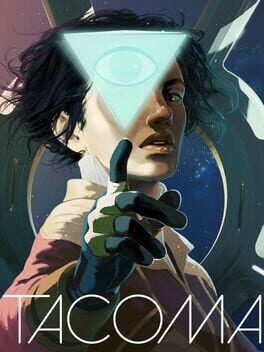
From the Gone Home developers, Tacoma has you exploring an abandoned space station and reconstructing what happened to the crew through AR recordings — the same environmental detective work and focus on human drama in Firewatch.
Key difference: Sci-fi space setting; story-replay mechanic replaces walking.
Best for: Gone Home fans who want more plot complexity.
Skip if: Sci-fi settings and no outdoor world feel wrong.
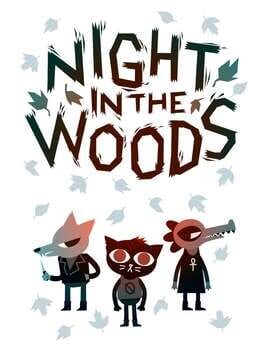
Night in the Woods is a side-scrolling indie about a college dropout returning to her dying rust-belt town, layering melancholy, sharp dialogue, and a creeping mystery in exactly the way Firewatch layers Henry's personal crisis with external strangeness.
Key difference: 2D platformer perspective; no first-person exploration.
Best for: Fans of Firewatch's introspective, dialogue-heavy character work.
Skip if: You need first-person immersion or open-world traversal.
SOMA is a first-person narrative experience set in an underwater sci-fi station where atmosphere and philosophical dread replace combat. The slow pacing, rich environmental storytelling, and revelatory mystery structure feel genuinely Firewatchian, even if the genre shifts to sci-fi horror.
Key difference: Sci-fi horror setting; some stealth-avoidance tension.
Best for: Players who want first-person mystery with more danger.
Skip if: Horror and existential dread are dealbreakers for you.
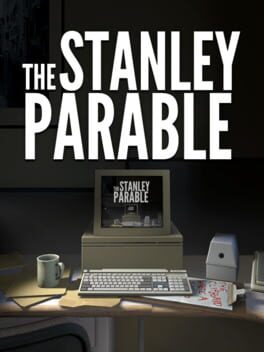
The Stanley Parable is a first-person office exploration game that plays with player agency and narrative voice in a witty, thought-provoking way — the intimate narrator-player relationship echoes Henry's bond with Delilah through the radio.
Key difference: Meta-comedic tone; virtually no story drama.
Best for: Firewatch fans intrigued by its narrator dynamic above all.
Skip if: You want emotional sincerity or a real mystery to solve.
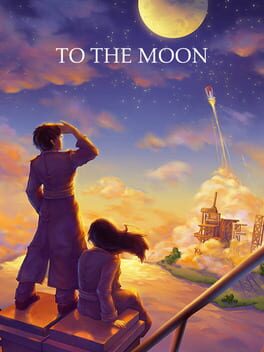
To the Moon tells a quiet, deeply emotional story about regret and memory through a point-and-click framework, with the same willingness as Firewatch to sit with complicated human grief rather than offer easy resolution.
Key difference: 2D RPG-maker visuals; no exploration or first-person view.
Best for: Players drawn to Firewatch's emotional, bittersweet core.
Skip if: Visual fidelity and world traversal matter to you.
Heavy Rain is an interactive drama thriller where your choices drive a branching mystery across multiple characters, prioritizing emotional weight and narrative over action — the same ethos Firewatch embodies.
Key difference: Third-person cinematic QTE structure; much darker crime story.
Best for: Players who want high-stakes narrative stakes and branching.
Skip if: You dislike QTEs or gritty serial-killer narratives.
Detroit: Become Human is a narrative adventure about AI rights told through branching choices with real emotional consequence, sharing Firewatch's commitment to story and character over spectacle.
Key difference: Large cast, branching story; sci-fi political themes.
Best for: Narrative fans who want scope and moral dilemmas.
Skip if: You dislike overt messaging or third-person cinematic games.
Abzu is a wordless first-person-adjacent underwater journey through stunning natural environments with meditative pacing — it matches Firewatch's sense of being small and awed inside a beautiful wilderness.
Key difference: No dialogue, no mystery; pure contemplative exploration.
Best for: Players seeking Firewatch's calm, awe-filled mood above all.
Skip if: You need story and human connection to stay invested.
Alan Wake is a narrative mystery where a writer wanders a dark Pacific Northwest forest unravelling a conspiracy — the wooded wilderness, paranoia, and character introspection echo Firewatch's core tension even as action-horror mechanics differ.
Key difference: Third-person action with combat; much more horror-forward.
Best for: Firewatch fans who want the mystery to get dangerous.
Skip if: You came to Firewatch specifically to avoid shooting.
Gris is a stunning, wordless platformer about grief and emotional recovery — the same themes of personal crisis running under Firewatch, rendered as abstract art instead of first-person wilderness.
Key difference: No dialogue or mystery; abstract visual metaphor throughout.
Best for: Players who connected with Firewatch's emotional undercurrent.
Skip if: You need narrative clarity or character dialogue.
Inside is a dark, atmospheric puzzle-platformer with no dialogue that unfolds an unsettling mystery purely through environment and image — sharing Firewatch's tone of creeping dread and quiet revelation.
Key difference: Side-scrolling; no dialogue, minimal story explanation.
Best for: Players who want atmosphere and dread without words.
Skip if: You need character relationships or spoken narrative.
Telltale's The Walking Dead is a choice-driven emotional narrative where attachment to characters and small human moments matter far more than action — similar to how Firewatch keeps stakes intimate even amid large threats.
The Wolf Among Us is a Telltale noir mystery with sharp dialogue and atmosphere — the investigative thread and gritty character drama loosely parallel Firewatch's mystery-unravelling structure.
Key difference: Noir urban fantasy; episodic QTE adventure, not exploration.
Best for: Firewatch fans who want a detective-flavored narrative.
Skip if: You want open exploration rather than scripted scenes.
Hellblade: Senua's Sacrifice is an indie narrative game where a warrior confronts psychosis and grief in a dark, atmospheric world — sharing Firewatch's commitment to psychological depth and a single protagonist's inner turmoil.
Key difference: Combat-focused; harrowing psychosis depiction is very intense.
Best for: Players who want emotional depth with physical challenge.
Skip if: You want a calm experience or dislike combat.
Chapters are vignettes, not a continuous open world.
Xbox, PlayStation, PC, Mobile, Nintendo
Gone Home
90%
Adventure, Indie
Interior domestic setting instead of open wilderness.
PlayStation, PC, Mobile, Xbox, Nintendo
The Vanishing of Ethan Carter
87%
Adventure, Indie
Supernatural horror elements underpin the mystery.
PlayStation, PC, Xbox, Nintendo
Everybody's Gone to the Rapture
83%
Adventure, Drama
Very slow-paced even by walking-sim standards; no protagonist voice.
PlayStation, PC
A Short Hike
82%
Adventure, Indie
Breezy, cheerful tone; no mystery thread to follow.
PlayStation, PC, Xbox, Nintendo
Kona
80%
Adventure, Indie
Light survival mechanics; snow setting; narrator not a partner.
Xbox, PlayStation, PC, Nintendo
Life Is Strange
79%
Adventure, Indie
Third-person; time-manipulation mechanic reshapes every scene.
PlayStation, PC, Mobile, Xbox
Tacoma
78%
Adventure, Indie
Sci-fi space setting; story-replay mechanic replaces walking.
PlayStation, PC, Xbox
Night in the Woods
76%
Adventure, Indie
2D platformer perspective; no first-person exploration.
PlayStation, PC, Mobile, Xbox, Nintendo
Soma
73%
Adventure, Indie
Sci-fi horror setting; some stealth-avoidance tension.
PlayStation, PC, Xbox, Nintendo
The Stanley Parable
70%
Adventure, Indie
Meta-comedic tone; virtually no story drama.
PC
To the Moon
69%
Adventure, Indie
2D RPG-maker visuals; no exploration or first-person view.
Xbox, PC, Mobile, PlayStation, Nintendo
Heavy Rain
66%
Adventure, Drama
Third-person cinematic QTE structure; much darker crime story.
PlayStation, PC
Detroit: Become Human
64%
Adventure, Drama
Large cast, branching story; sci-fi political themes.
PlayStation, PC
What actually makes a game feel like Firewatch?
Firewatch's feel comes from three interlocking things: first-person immersion in a handcrafted natural environment, a mystery that keeps escalating just enough to pull you forward, and a relationship built entirely through voice and dialogue rather than cutscenes. Games that share all three — like What Remains of Edith Finch and The Vanishing of Ethan Carter — are the safest bets. Both put you in a first-person perspective inside a beautiful, slightly eerie natural or domestic space and ask you to piece together a human story from environmental clues alone.
The radio dynamic specifically — the feeling of being emotionally anchored to someone you never see — is rarer. Oxenfree (additional list) is the only game that replicates it almost exactly, with dialogue delivered in real time as you explore, building a relationship through voice before you understand the full stakes of what's happening.
If you want more story, less exploration
Firewatch sits on the exploration end of the narrative-game spectrum. If you want the emotional drama dialled up and the wandering scaled back, Life Is Strange is the natural step: it's episodic, choice-driven, and deeply focused on a relationship between two women navigating trauma and mystery in a small Pacific Northwest town. To the Moon pushes further still — almost no exploration, almost pure emotional storytelling — and delivers one of the most genuinely moving endings in the indie canon.
For something that keeps the mystery thriller framing but moves into interactive film territory, Heavy Rain and Detroit: Become Human offer branching narratives where character choices carry real weight, even if the wilderness and solitude of Firewatch are replaced by urban drama.
Hidden gems most Firewatch lists miss
The Vanishing of Ethan Carter is the most underrated pick here: a stunning first-person mystery set in an autumnal forest valley that is visually and mechanically the closest thing to Firewatch's DNA in the whole candidate pool, yet it rarely appears on recommendation lists. Similarly, A Short Hike — tiny in scale but perfectly calibrated — captures the specific feeling of Wyoming as emotional refuge: a small island mountain, wandering at your own pace, stumbling into brief warm conversations with strangers. It costs almost nothing and takes two hours, but it earns every minute.
Kona (additional list) is the deepest cut: a first-person wilderness mystery set in a snowbound 1970s Quebec where a private investigator narrates your every step as you piece together a vanishing. It adds light survival mechanics but the mood, the isolation, and the forest investigation loop are unmistakably Firew atch-adjacent.
Firewatch is often grouped with walking sims because it has no combat, but it offers more agency than that label implies — you can explore the Wyoming wilderness freely, make meaningful dialogue choices that shape your relationship with Delilah, and follow an escalating mystery. It sits between a pure walking sim like Everybody's Gone to the Rapture and a fuller adventure game like Life Is Strange.
What game is most similar to Firewatch?
Oxenfree is the most structurally similar game: both feature a protagonist exploring a natural environment alone, communicating with another character via radio or walkie-talkie in real time, and uncovering a mystery that turns out to be as much about personal grief as external events. What Remains of Edith Finch and The Vanishing of Ethan Carter are the closest from the candidate pool.
Are there any games like Firewatch with more gameplay?
Yes. Alan Wake shares Firewatch's Pacific Northwest forest atmosphere and mystery-writer protagonist but adds third-person action-horror combat. Life Is Strange adds time-manipulation puzzles and branching dialogue choices. SOMA keeps first-person exploration but introduces stealth-avoidance tension in a sci-fi horror setting.
What should I play after Firewatch if I loved the ending?
If the ending's ambiguity and emotional weight hit hardest, go straight to What Remains of Edith Finch — it ends on a similarly unexpected emotional gut-punch. If the unresolved mystery frustrated you and you want closure, try Oxenfree, which handles its supernatural mystery with a more satisfying (though still bittersweet) resolution.
Is there a multiplayer game that feels like Firewatch?
Firewatch is built around the feeling of isolation mediated by voice connection, which is hard to replicate in multiplayer. That said, Oxenfree II: Lost Signals introduced a co-op radio mechanic, and some players recreate a similar dynamic by playing Firewatch side-by-side and talking through decisions — but there is no true multiplayer equivalent in the same genre.
 95%
95%