Detroit: Become Human earns its fans through a specific formula: a cinematic, choice-driven interactive narrative where multiple protagonists navigate a morally charged world, and every dialogue selection or QTE reaction branches the story toward one of dozens of possible endings. The android-rights allegory gives real emotional stakes to what might otherwise be dry sci-fi, and Quantic Dream's Hollywood-grade production makes it feel like you're playing a prestige TV drama.
When players ask for games like Detroit, they're really asking for one or more of these things: the interactive-movie format with branching choices that genuinely matter, multi-protagonist structures where every character's fate is in your hands, cinematic production anchored by strong character drama, or science-fiction worlds that use technology as a lens for exploring human (and post-human) identity. The best recommendations share those priorities—not just a sci-fi tag or an adventure label.
Top pick:Heavy Rain is the single closest pick: made by the same developer with the same QTE-and-dialogue engine, the same multi-protagonist structure, and the same philosophy that every scene's outcome depends entirely on what you do in it—if you finished Detroit wanting more of exactly that, Heavy Rain is the mandatory next step.
Some store buttons are affiliate links — we may earn a commission at no extra cost to you.
Heavy Rain is the direct predecessor to Detroit by the same developer, Quantic Dream, built on an identical template of QTE-driven exploration, dialogue trees, and branching multi-protagonist narratives. Four playable characters investigate a serial killer, and every consequential choice alters who survives to the finale.
Key difference: Crime thriller setting instead of android sci-fi future.
Best for: Anyone who wants more of the exact same formula.
Skip if: You disliked Detroit's QTE-heavy, limited-control style.
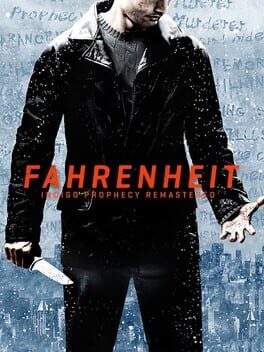
The original Quantic Dream interactive-narrative template: a 2005 crime thriller with multiple playable characters, QTE-driven action, and branching story threads that pioneered everything Detroit later perfected.
Key difference: Older, rougher production and supernatural third-act tonal shift.
Best for: Detroit fans who want to play Quantic Dream's origin point.
Skip if: You need modern production values and polished QTEs.
Beyond: Two Souls is another Quantic Dream title with the same choice-driven interactive-movie structure, following Ellen Page's Jodie Holmes across a non-linear sci-fi mystery over two decades of her life. Supernatural elements replace android rights, but the tone, pacing, and gameplay are nearly identical.
Key difference: Supernatural powers replace android themes; more linear overall.
Best for: Fans of Detroit who want another Quantic Dream production.
Skip if: You need clear moral cause-and-effect choice consequences.
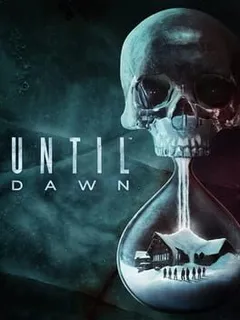
Until Dawn is an interactive horror film with a full ensemble cast whose survival depends on every choice and QTE you make, echoing Detroit's multi-protagonist structure and multiple-ending philosophy. Its butterfly-effect system makes even throwaway dialogue feel dangerous.
Key difference: Slasher horror tone replaces socio-political sci-fi drama.
Best for: Players who want Detroit's format with genuine jump scares.
A 2022 interactive horror film from Until Dawn's creators with a nine-character ensemble, full Hollywood cast, and a butterfly-effect choice system where every decision affects who survives the night—structurally the closest modern game to Detroit's formula.
Key difference: Horror genre; slasher movie tone over socio-political drama.
Best for: Until Dawn fans who want a bigger, shinier version.
Telltale's The Walking Dead uses choice-driven dialogue and timed decisions to build a gut-punch narrative around Clementine and Lee, where decisions carry weight across episodes. Like Detroit, the game weaponizes emotional attachment to characters to make each fork in the story sting.
Key difference: Episodic zombie apocalypse instead of continuous android uprising.
Best for: Players who want choices that feel emotionally devastating.
Skip if: You want action gameplay between story beats.
Life Is Strange is a chapter-based narrative adventure following a photography student who can rewind time, with branching dialogue and relationship choices that ripple across its five episodes. Its themes of identity, consequence, and moral ambiguity sit comfortably beside Detroit's.
Key difference: Contemporary small-town drama, not near-future sci-fi.
Best for: Players who want quieter, character-driven pacing.
Skip if: You need fast-paced QTEs and action sequences.
The first entry in Supermassive's Dark Pictures Anthology, with five protagonists stranded on a ghost ship and every choice altering survival odds—the same interactive-movie DNA as Detroit compressed into a two-hour chapter.
Key difference: Very short and horror-focused; co-op online play available.
Best for: Players who want Until Dawn-style format in bite-sized form.
Skip if: You want political/philosophical themes rather than horror.
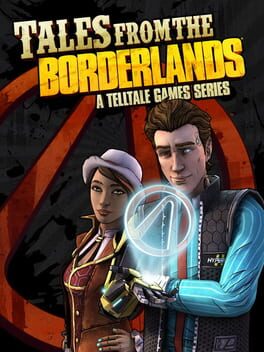
Tales from the Borderlands is Telltale's comedic sci-fi narrative adventure with sharp dialogue choices, timed QTEs, and a dual-protagonist structure that echoes Detroit's rotating cast. Its tone is radically lighter, but the choice architecture and storytelling craft are on par.
Key difference: Comedic sci-fi heist tone rather than serious social drama.
Best for: Players who want narrative-adventure mechanics with humor.
Skip if: You dislike comedy mixed into serious stakes.
NieR: Automata centers on androids questioning their existence, freedom, and what it means to be alive—thematic territory that mirrors Detroit almost scene for scene. Its multiple playthroughs reveal alternate perspectives that reframe the entire story, though the core loop is action RPG combat.
Key difference: Fast hack-and-slash action replaces choice-driven interactive narrative.
Best for: Players who want Detroit's android themes with more gameplay.
Skip if: You want zero combat and pure narrative interaction.
A supernatural teen mystery adventure with a real-time dialogue wheel where interrupting characters and staying silent carry genuine narrative consequences—an indie take on the same idea of choice-built character relationships Detroit uses.
What Remains of Edith Finch is a short narrative walking game made up of vignettes, each exploring a different family member's story through inventive first-person gameplay. Like Detroit's quieter scenes, it prioritizes emotional impact and environmental storytelling over action.
Key difference: Passive walking-sim exploration; no choices or QTEs.
Best for: Players who want a distilled, literary story experience.
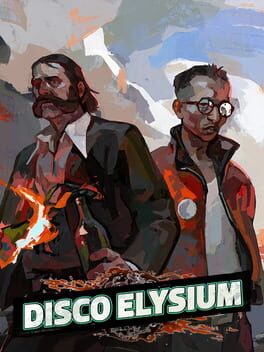
A text-and-dialogue-driven detective RPG where every conversation branch shapes your protagonist's identity and the investigation outcome—choice-driven narrative design at its absolute peak, albeit through reading rather than QTEs.
Key difference: Isometric RPG with no action; almost entirely text-based.
Best for: Players who want Detroit's moral complexity with far deeper writing.
Skip if: You want cinematic visuals or action-based gameplay.
Firewatch is a first-person narrative adventure set in Wyoming wilderness where conversations with your supervisor via walkie-talkie drive a mystery full of paranoia and personal drama. Its dialogue choices shape Henry's personality, echoing Detroit's emphasis on character voice.
Key difference: First-person exploration with no QTEs or branching story endings.
Best for: Players who want atmosphere and dialogue over spectacle.
Skip if: You need multiple protagonists or consequential choice branches.
L.A. Noire casts you as a 1940s detective reading suspect faces, gathering evidence, and making accusation calls that redirect the story—a real-world analog to Detroit's Connor investigation sequences stretched into a full game. Its film-noir drama and moral ambiguity sit in similar emotional territory.
Key difference: Third-person open-world detective procedural, not a narrative movie-game.
Best for: Players who love Detroit's Connor interrogation scenes most.
Skip if: You want emotional relationship drama over police procedure.
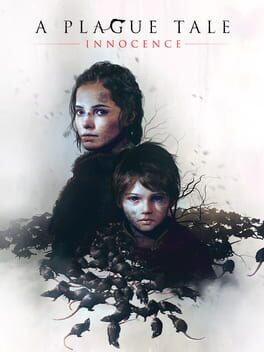
A Plague Tale: Innocence is a linear narrative adventure following siblings through 14th-century France, driven almost entirely by character drama and atmosphere with light stealth puzzles. Its tone—sympathetic protagonists caught in an unjust world—resonates with Detroit's emotional register.
Key difference: Historical horror setting; no meaningful player choices.
Best for: Players who want cinematic story without branching paths.
Gone Home is a first-person story game where you piece together your sister's disappearance by exploring an empty house and reading every document and object you find. It shares Detroit's interest in empathetic human storytelling told through environmental detail rather than dialogue trees.
Key difference: Very short, zero QTEs, fully passive exploration.
Best for: Players who love narrative archaeology and emotional payoff.
Skip if: You want any form of action or consequence-based choices.
Hellblade: Senua's Sacrifice is a linear narrative action game about a Pictish warrior's journey through psychosis-inspired hallucinations, told with an uncommonly serious and empathetic hand. Like Detroit, it prioritizes emotional authenticity and a cinematic presentation over gameplay breadth.
Key difference: Combat-centric; no dialogue choices or branching narrative.
Best for: Players drawn to Detroit's serious tone and character psychology.
Skip if: You want QTEs, branching endings, or sci-fi themes.
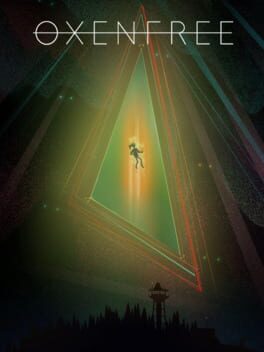
Passive walking-sim exploration; no choices or QTEs.
Xbox, PlayStation, PC, Mobile, Nintendo
Disco Elysium
68%
Adventure
Isometric RPG with no action; almost entirely text-based.
Mobile
Firewatch
67%
Adventure, Drama
First-person exploration with no QTEs or branching story endings.
PlayStation, PC, Xbox, Nintendo
L.A. Noire
65%
Adventure, Action
Third-person open-world detective procedural, not a narrative movie-game.
PlayStation, PC, Xbox
What makes a game feel like Detroit: Become Human?
The hallmarks are interactive narrative design—where exploration, dialogue choices, and quick-time events replace traditional combat loops—combined with branching story paths that create genuine consequence. Heavy Rain and Beyond: Two Souls share the exact same Quantic Dream engine and philosophy, making them the truest genre siblings. Until Dawn and The Quarry (by the Until Dawn team) apply the same interactive-movie template to horror, giving each player a meaningfully different ending depending on dozens of small calls made throughout the game.
Telltale's catalogue—especially The Walking Dead and Tales from the Borderlands—takes the same choice-driven adventure format into episodic territory, trading Quantic Dream's high-fidelity visuals for tighter scripting and broader genre variety. Any of these titles will scratch the core itch: playing an authored story where your decisions shape character fates.
If you loved Detroit's android themes, not just its format
NieR: Automata is the essential pick for players drawn specifically to Detroit's central question—what does it mean for a created being to become conscious, and what do they owe to their creators? NieR answers that question across three full playthroughs that reframe the same events from radically different perspectives, using its android protagonists 2B and 9S to interrogate purpose, freedom, and grief. The core loop is action RPG combat rather than QTEs, but the thematic overlap is profound.
For something more grounded and literary, Disco Elysium (not in the candidate pool but strongly recommended) uses a dialogue-only RPG structure to ask similarly heavy questions about identity, ideology, and consciousness—with branching conversations that dwarf Detroit's in depth and complexity, even if its production values are quieter.
Best picks if you want the narrative-adventure feel without the QTEs
Life Is Strange offers the closest alternative for players who love Detroit's emotional character drama and choice architecture but find QTE sequences frustrating—its rewind mechanic lets you revisit dialogue choices at will, making it a gentler but equally heart-wrenching narrative experience. Firewatch strips away even dialogue trees, delivering its mystery purely through walkie-talkie conversations and environmental exploration, making it ideal for players who want atmosphere and writing above all else.
At the shortest and most literary end, What Remains of Edith Finch delivers Detroit-level emotional gut-punches in roughly two hours through inventive first-person vignettes—there are no choices, but the storytelling craft is exceptional and it shares Detroit's gift for making you feel the weight of a single human (or android) life.
Is Heavy Rain basically the same game as Detroit: Become Human?
They share the same developer (Quantic Dream), the same QTE-and-dialogue gameplay format, and the same multi-protagonist branching structure, so mechanically they are very close. Heavy Rain is a crime thriller set in the present day rather than a sci-fi android story, and its production is older and rougher, but if you loved Detroit's format it is the most direct equivalent available.
Are there any games like Detroit: Become Human with multiple endings?
Yes—several. Until Dawn and The Quarry both feature large casts where any character can live or die based on your choices, producing very different endings. Heavy Rain has multiple distinct endings depending on which protagonists survive. The Walking Dead similarly branches at key points throughout each season. Life Is Strange has a binary final choice that significantly changes the ending.
What is the best game like Detroit for someone who doesn't normally play games?
Life Is Strange is the gentlest entry point: it has a rewind mechanic that lets you undo mistakes, the pacing is slow and character-driven, and the controls are minimal. Until Dawn is also approachable because its structure is very close to watching an interactive movie—you make periodic choices and QTE inputs rather than managing complex gameplay systems.
Is NieR: Automata similar to Detroit: Become Human?
Thematically, yes—NieR: Automata is one of gaming's deepest explorations of android consciousness, free will, and the ethics of created life, which overlaps heavily with Detroit's core concerns. Mechanically they are very different: NieR is an action RPG with fast combat, while Detroit is a choice-driven interactive narrative with QTEs. If the android philosophy drew you to Detroit, NieR is essential; if it was the interactive-movie format, look elsewhere.
Are there any Detroit: Become Human-style games on PC?
Yes. Heavy Rain and Beyond: Two Souls are available on PC via the Epic Games Store. Until Dawn received a PC port. The Walking Dead and Life Is Strange are on Steam. Tales from the Borderlands is also on PC. For a game not in the main list, Disco Elysium is PC-native and offers the richest choice-driven narrative available on the platform, though its format is text-RPG rather than interactive movie.
 97%
97%