Life Is Strange earns its devoted following by fusing a grounded teenage coming-of-age story with a time-rewind mechanic that lets you second-guess every choice — the result is a narrative adventure where emotional consequence feels real and personal. Its small-town Pacific Northwest mystery, its authentic friendships, and its slow-burn supernatural dread all combine into something rarely matched.
When players ask for games like Life Is Strange, they're really looking for one or more of these things: episodic narrative adventures with meaningful choices, stories centred on believable young protagonists navigating drama and mystery, atmospheric mystery exploration, or that specific feeling of replaying a moment to see what you missed. The best picks on this list hit at least two of those notes hard.
Top pick: The single closest match is Oxenfree (in our additional picks) — it nails the supernatural small-town teen mystery, the dialogue-driven character relationships, and the eerie coastal atmosphere better than any other game, making it the essential first stop for Life Is Strange fans. Among the candidate pool, The Walking Dead (2012) by Telltale is the strongest recommendation: it defined the episodic choice-consequence format LiS perfected, and its emotional gut-punches are just as devastating.
Some store buttons are affiliate links — we may earn a commission at no extra cost to you.
18 games like Life Is Strange
95%
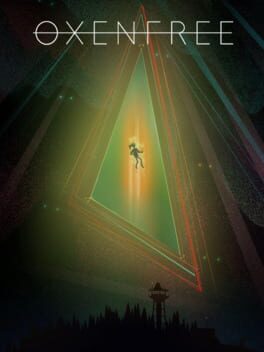
Oxenfree 2016
A supernatural teen mystery where a group of friends accidentally open a ghostly rift — Oxenfree shares LiS's coastal small-town dread, its dialogue-wheel choice system runs in real-time while you walk, and its emotional coming-of-age story is one of the closest matches in the genre.
Telltale's The Walking Dead pioneered the modern episodic choice-and-consequence format that Life Is Strange builds on — your decisions shape relationships and story outcomes in a deeply emotional, character-driven narrative. Both games prioritize gut-punch drama over action.
Key difference: Post-apocalyptic horror tone; no supernatural rewind mechanic.
Best for: Fans who want the most emotionally devastating choices.
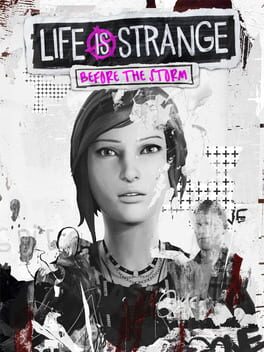
Life Is Strange: Before the Storm is a direct prequel by Deck Nine, following Chloe Price through the same Arcadia Bay with the same dialogue-driven adventure format. It swaps time rewind for a 'Backtalk' confrontation mechanic but nails the same bittersweet teenage drama and mystery atmosphere.
Key difference: No time-rewind; shorter, 3-episode prequel story.
Best for: LiS fans who want more Chloe and Arcadia Bay.
Skip if: You want the time-manipulation puzzle element specifically.
From Dontnod (LiS creators), Tell Me Why follows twins with a psychic bond revisiting their traumatic childhood — same episodic narrative adventure format, same emotionally honest character writing, and the same mechanic of replaying memories to uncover truth.
Key difference: No time-rewind; smaller in scope, three short episodes.
Best for: LiS fans who want the exact same developer's follow-up.
Life Is Strange 2 follows two brothers on a road trip across America, using the same episodic narrative adventure structure and moral choice system from the original. The supernatural power shifts from time rewind to telekinesis, but the emotional coming-of-age focus is identical.
Key difference: Road-trip setting; less puzzle-focus, more survival/drama.
Best for: LiS fans ready for a weightier, more political story.
Skip if: You loved the Arcadia Bay small-town mystery feel.
The Wolf Among Us is Telltale at its sharpest — a noir mystery where every dialogue choice and branching scene shapes the story. Its 'rewind and reconsider' illusion mirrors LiS's choice tension, and its episodic structure is near-identical.
Key difference: Fairy-tale noir setting; more action Quick Time Events.
Best for: LiS players who want a darker, pulpier mystery.
Firewatch is a first-person narrative mystery set in Wyoming wilderness — like LiS, it centres on a young protagonist, a growing personal mystery, and deeply written character relationships unfolding through dialogue. The atmosphere of isolation and dread is strikingly similar.
Key difference: First-person walking sim; no branching choices or rewind.
Best for: LiS fans who want atmosphere and writing over mechanics.
Skip if: You need gameplay agency and meaningful choices.
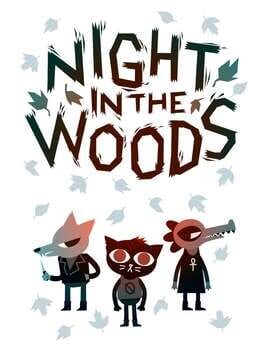
A college dropout returns to her dying hometown and reconnects with old friends amid a creeping mystery — the coming-of-age emotional authenticity, small-town atmosphere, and thematic weight on mental health and identity feel unmistakably close to LiS.
Key difference: 2D platformer exploration; no choices or supernatural power.
Best for: LiS fans who connect most with its coming-of-age heart.
Skip if: You want 3D environments or branching dialogue.
What Remains of Edith Finch delivers short vignette stories about a family's tragic history in a crumbling mansion — each with its own surreal mechanic — matching LiS's emotional ambition and mystery pacing in a condensed, beautifully crafted package.
Key difference: No choices; entirely linear, about 2 hours long.
Best for: Players who want LiS's emotional gut-punch in one sitting.
Skip if: You need player agency and meaningful decisions.
Beyond: Two Souls is a cinematic narrative adventure from Quantic Dream starring a young woman with supernatural powers — themes of outsider identity, trauma, and mystery run throughout, with a branching story shaped by your decisions, much like LiS.
Key difference: Hollywood production; more action sequences; less puzzle-focused.
Best for: LiS fans who want a sci-fi supernatural angle.
Skip if: You prefer understated indie tone over cinematic blockbuster style.
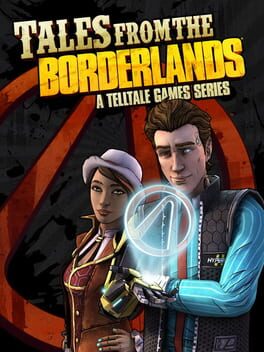
Tales from the Borderlands is Telltale's funniest and most cinematic entry — a story of two unreliable narrators whose branching choices genuinely alter scenes, mirroring LiS's consequence structure while adding sharp comedy and sci-fi flair.
Key difference: Comedy-first tone; set in Borderlands shooter universe.
Best for: LiS players who want lighter stakes and laughs.
Skip if: You dislike absurdist humour or sci-fi settings.
Gone Home is a quiet, intimate first-person mystery about exploring a family home and piecing together a teenage girl's story through found letters and objects. Its emotional coming-of-age heart and mystery-by-exploration feel unmistakably close to LiS.
Key difference: No choices, no supernatural; very short (90 minutes).
Best for: Players who loved LiS's teen drama more than its mechanics.
Skip if: You want gameplay challenge or replayability.
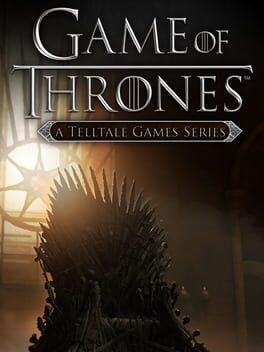
Game of Thrones: A Telltale Games Series applies the episodic choice-and-consequence formula to a beloved fantasy world where your decisions carry real cost — the gut-punch fatalism echoes LiS's 'no right answer' weight.
Key difference: High fantasy politics; bleak, nihilistic outcomes.
Best for: LiS fans who also love Game of Thrones lore.
Skip if: You want optimistic or coming-of-age storytelling.
Batman: The Telltale Series reimagines the Dark Knight through dialogue choices and moral dilemmas in episodic chapters — the branching narrative engine and emotional character drama are cut from the same cloth as LiS.
Key difference: Superhero action; more Quick Time Events and combat.
Best for: LiS fans who want more action alongside their drama.
A radical narrative RPG built entirely around dialogue choices and introspective character drama — while the setting is wildly different, its emphasis on how your choices define identity and its literary approach to storytelling share DNA with LiS's soul.
Key difference: Isometric RPG; complex political/philosophical themes; very adult.
Best for: LiS fans ready for the most ambitious narrative game ever made.
Skip if: You want a clean emotional story without systemic depth.
Mobile
70%💎 Gem
Her Story 2015
Her Story has you piecing together a woman's fragmented video testimonies to solve a mystery — the investigative, non-linear storytelling and emotional depth share LiS's DNA of unravelling a personal mystery through clues and observation.
Key difference: No movement or choices; pure FMV database search.
Best for: LiS fans who love mystery over gameplay.
Skip if: You need visual environments and character control.
Quantum Break centres on a protagonist with time-manipulation powers — freezing, rewinding, and distorting time mid-story — and delivers a narrative-heavy third-person adventure that shares LiS's core sci-fi time-power concept, even if the action is far heavier.
Key difference: Action-shooter hybrid; time powers used for combat, not puzzle-solving.
Best for: LiS fans who want time mechanics with more action.
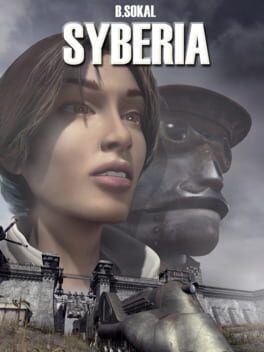
Syberia is a classic point-and-click adventure with a melancholy, introspective tone — following a young lawyer who gets drawn into a strange personal journey. Its quiet drama and puzzle-based exploration echo the slower, contemplative side of LiS.
Key difference: Traditional point-and-click puzzles; no choices or supernatural.
Best for: Players who want a slow, literary adventure from an earlier era.
Skip if: You need modern visuals or dialogue-choice systems.
Post-apocalyptic horror tone; no supernatural rewind mechanic.
PlayStation, PC, Mobile, Xbox, Nintendo
Life is Strange: Before the Storm
92%
Adventure, Indie
No time-rewind; shorter, 3-episode prequel story.
PlayStation, PC, Mobile, Xbox
Tell Me Why
90%
Adventure, Drama
No time-rewind; smaller in scope, three short episodes.
PC, Xbox
Life Is Strange 2
88%
Adventure, Action
Road-trip setting; less puzzle-focus, more survival/drama.
PlayStation, PC, Xbox, Nintendo
The Wolf Among Us
87%
Adventure, Action
Fairy-tale noir setting; more action Quick Time Events.
PlayStation, Mobile, PC, Xbox
Firewatch
85%
Adventure, Indie
First-person walking sim; no branching choices or rewind.
PlayStation, PC, Xbox, Nintendo
Night in the Woods
85%
Adventure, Indie
2D platformer exploration; no choices or supernatural power.
PlayStation, PC, Mobile, Xbox, Nintendo
What Remains of Edith Finch
84%
Puzzle, Adventure
No choices; entirely linear, about 2 hours long.
Xbox, PlayStation, PC, Mobile, Nintendo
Beyond: Two Souls
82%
Adventure, Action
Hollywood production; more action sequences; less puzzle-focused.
PlayStation, PC
Tales from the Borderlands
80%
Puzzle, Adventure
Comedy-first tone; set in Borderlands shooter universe.
PlayStation, Mobile, PC, Xbox, Nintendo
Gone Home
78%
Puzzle, Adventure
No choices, no supernatural; very short (90 minutes).
PlayStation, PC, Mobile, Xbox, Nintendo
Game of Thrones: A Telltale Games Series
76%
Adventure, Fantasy
High fantasy politics; bleak, nihilistic outcomes.
PlayStation, Mobile, PC, Xbox
Batman: The Telltale Series
74%
Adventure, Action
Superhero action; more Quick Time Events and combat.
PlayStation, Mobile, PC, Xbox, Nintendo
Disco Elysium
72%
Adventure
Isometric RPG; complex political/philosophical themes; very adult.
Mobile
What Makes a Game Feel Like Life Is Strange?
The LiS formula rests on three pillars: episodic pacing that lets a story breathe, dialogue choices that carry genuine emotional weight, and a protagonist whose interior life you care about. Games like The Walking Dead and The Wolf Among Us from Telltale hit all three — they invented the modern template LiS refined. The supernatural element is actually optional: Firewatch and Gone Home deliver the same emotional mystery and coming-of-age intimacy with zero powers.
The time-rewind mechanic specifically — the ability to undo and reconsider — is rarer. Quantum Break and Tell Me Why (additional picks) both involve playing back moments to alter understanding, and Dontnod's own Life Is Strange 2 and Before the Storm carry the baton from the same studio.
Best Picks If You Loved the Mystery Over the Mechanics
If the Arcadia Bay mystery was your favourite part — piecing together what happened to Rachel Amber through clues, journals, and environment — then What Remains of Edith Finch, Her Story, and Gone Home are your best bets. Edith Finch delivers emotionally devastating vignettes in under three hours; Her Story is a pure database mystery told through FMV clips; Gone Home lets you reconstruct a teenager's secret life through found objects. None have choices, but all have that same quality of discovery as emotional experience.
Firewatch splits the difference — it has dialogue choices that shape a relationship, an escalating mystery, and a gorgeous isolated atmosphere, making it the best single recommendation for players who loved both the mystery and the emotional writing.
If You Want the Telltale Formula Deep-Dive
Telltale Games essentially built the genre LiS inhabits, and their back catalogue is deep. Start with The Walking Dead Season 1 (the benchmark), then The Wolf Among Us (tighter pacing, great noir mystery), then Tales from the Borderlands (their funniest and most cinematic). Game of Thrones and Batman: The Telltale Series are worth playing for fans of those universes but are weaker entries. The Walking Dead: Season Two and A New Frontier continue Clementine's story with diminishing returns but the same emotional core.
Is there a game with the same time-rewind mechanic as Life Is Strange?
The most direct mechanical equivalent is Oxenfree, which uses a radio-tuning mechanic to interact with time loops, and Tell Me Why (from the same developer, Dontnod), where twins replay memories to uncover truth. Quantum Break also centres on time manipulation but is much more action-focused.
What game should I play after finishing Life Is Strange?
Start with Life Is Strange: Before the Storm for more Arcadia Bay, then Oxenfree for the closest supernatural teen mystery vibe, then Telltale's The Walking Dead for the best episodic choice-driven narrative in the genre.
Are there games like Life Is Strange on mobile?
Telltale's The Walking Dead and The Wolf Among Us both have well-regarded mobile ports. Life Is Strange itself is also available on mobile. These are the best narrative adventure experiences available on touch screens.
What's the best Life Is Strange alternative for someone who hated the teen drama?
Try Firewatch — it has the same narrative mystery and emotional writing but centres on adult characters in an isolated wilderness setting, with none of the high-school social dynamics.
Is Life Is Strange 2 worth playing if you loved the first game?
Yes, but manage expectations: it replaces time rewind with telekinesis, swaps the small-town mystery for a road-trip survival story, and is tonally darker and more politically charged. The emotional core and episodic format are the same, but the feel is distinct enough that some fans of the original find it less personal.
 95%
95%