MapleStory's enduring appeal comes from a specific combination rarely replicated: 2D side-scrolling action combat fused with a full-featured MMORPG — class selection and advancement, hundreds of hours of grinding, party dungeons, epic boss raids, and a lively social world all wrapped in a vibrant anime fantasy aesthetic. That formula, launched in 2003, remains remarkably distinctive.
When players look for games like MapleStory, they're really chasing one or more pillars: the side-scrolling action feel, the class-based character progression and grinding loop, the MMO social world, or the colorful anime fantasy tone. The best alternatives nail at least two of these simultaneously.
Top pick:Elsword is the single closest game to MapleStory — a free-to-play side-scrolling MMORPG with class advancement, party dungeons, PvP, and anime aesthetics that mirrors MapleStory's structure almost beat for beat; if you haven't tried it, start there.
Some store buttons are affiliate links — we may earn a commission at no extra cost to you.
18 games like MapleStory
92%
Elsword 2019
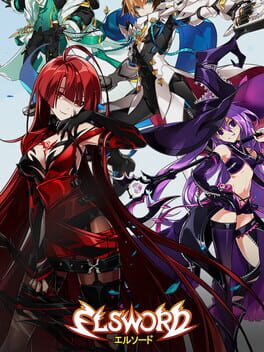
Elsword is a free-to-play side-scrolling MMORPG that is almost structurally identical to MapleStory: anime characters, class advancement paths, party dungeons, PvP, and a grinding-based gear economy. It is the single most direct equivalent on the market.
Key difference: Faster, more combo-focused combat with deeper PvP emphasis.
Best for: MapleStory players who want the same formula with a more action-oriented twist.
Skip if: You dislike anime art styles or heavy monetization.
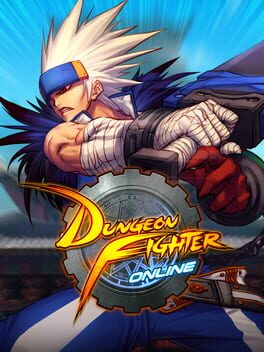
Dungeon Fighter Online is a free-to-play side-scrolling beat-'em-up MMORPG with deep class systems, raid bosses, and extensive item grinding — matching MapleStory's format almost exactly, with even more mechanically demanding combat. It shares the same 2D brawler-meets-MMO identity.
Key difference: More combo-execution-focused combat; older visual style.
Best for: MapleStory fans who want deeper skill execution and raid endgame.
Skip if: You want a purely casual or story-driven experience.
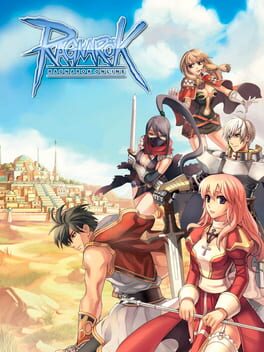
Ragnarok Online is a 2D anime-styled MMORPG from the same early-2000s era as MapleStory, with class advancement, party dungeons, guild wars, and a massive fantasy world to grind through. Its art style, social energy, and progression model are essentially the same template.
Key difference: Isometric top-down perspective instead of side-scrolling.
Best for: MapleStory veterans who want old-school MMO community and similar class systems.
Skip if: You want modern production values or active Western servers.
Terraria is a 2D side-scrolling action RPG with cooperative multiplayer, boss fights, gear progression, and a sprawling fantasy world to explore — the closest thing to MapleStory's core loop outside the MMO genre. Like MapleStory, sessions naturally alternate between grinding enemies, upgrading gear, and tackling progressively harder bosses.
Key difference: Crafting and world-building are central; no persistent online social world.
Best for: Solo or small-group players who want the side-scrolling RPG grind.
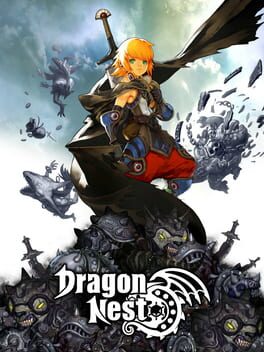
Dragon Nest is a free-to-play action MMORPG with fast side-on combat, class specialization trees, guild systems, and dungeon party content — extremely close to MapleStory in structure. Its skill-spam combat and progressive boss tiers feel immediately familiar to MapleStory veterans.
Key difference: 3D environments with a fixed camera, not strictly 2D side-scrolling.
Best for: MapleStory fans who want action-heavy dungeon MMO with class depth.
Skip if: You want a fully 2D experience or a large Western playerbase.
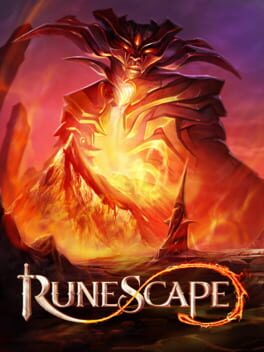
RuneScape is a legendary browser-turned-client MMORPG with hundreds of skills to grind, a huge community, and a sprawling fantasy world — sharing MapleStory's long-haul grinding philosophy and social world. Both games have defined an era of accessible MMO play with deep progression behind the surface.
Key difference: Overhead perspective, skill-based sandbox with no class system.
Best for: MapleStory players who love the grind loop and social world above combat.
Skip if: You specifically want side-scrolling action combat.
Castle Crashers is a side-scrolling beat-'em-up RPG with leveling, skill trees, and up to four-player co-op — capturing MapleStory's feel of slashing through hordes of enemies with friends in 2D. The cartoony fantasy art style and comedic tone match MapleStory's lighter aesthetic.
Key difference: Much shorter experience; no persistent world or MMO structure.
Best for: Players who loved MapleStory's co-op mob-clearing and class variety.
Skip if: You want hundreds of hours of progression and open social play.
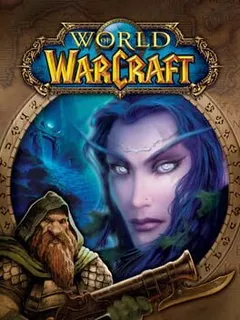
World of Warcraft is the definitive MMORPG: class-based character building, guild communities, dungeon/raid boss progression, and hundreds of hours of content — the 3D spiritual successor to MapleStory's social MMO DNA. The fantasy setting, community events, and breadth of character customization directly parallel MapleStory.
Key difference: 3D perspective instead of 2D side-scrolling; subscription-based.
Best for: MapleStory fans who want a richer, more complex MMO endgame.
Skip if: You prefer the 2D side-scrolling combat feel specifically.
Hollow Knight is a deep 2D side-scrolling action game with a vast interconnected world, skill-based combat, and a layered progression system — sharing MapleStory's satisfaction of mastering a character in a hand-crafted 2D world. Combat precision and exploration replace the MMO grind, but the atmosphere is absorbing.
Key difference: Solo only, Metroidvania structure, no character classes or loot system.
Best for: Players who loved MapleStory's 2D action but want a tighter solo experience.
Skip if: You play primarily for social MMO features and community.
Path of Exile is a free-to-play online action RPG with an overwhelming skill tree, class diversity, loot grinding, and boss-heavy endgame — directly mirroring MapleStory's progression philosophy at a deeper mechanical level. The game's social leaderboards, seasonal content, and trade economy replicate the community loop.
Key difference: Isometric perspective, much darker tone, far more complex skill system.
Best for: MapleStory grinders who want deeper build theory and loot complexity.
Skip if: You want colorful, lighthearted aesthetics and side-scrolling combat.
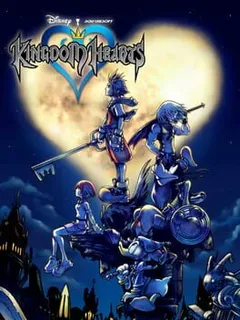
Kingdom Hearts blends anime-styled action RPG combat with Disney fantasy worlds and a strong character-progression system — sharing MapleStory's colorful, JRPG-adjacent tone and fantasy action feel. Leveling up abilities and fighting bosses carries a similar sense of hero growth.
Key difference: Single-player only; no MMO community or persistent world.
Best for: MapleStory fans drawn to the anime aesthetic and JRPG-flavored progression.
Skip if: You need online multiplayer or side-scrolling combat.
The Elder Scrolls Online is a full-featured fantasy MMORPG with guild systems, class builds, dungeon groups, and an enormous persistent world — matching MapleStory's social and progression pillars, just in 3D. It has active guilds, trading economies, and group boss content very similar in spirit.
Key difference: 3D open world, heavier story focus, less grinding-centric.
Best for: MapleStory MMO fans who want deep lore and a large modern playerbase.
Skip if: You prefer MapleStory's fast 2D arcade-style combat pacing.
Diablo II is the archetypal loot-driven action RPG: grind enemies for gear, build a class-specific character, and push toward increasingly punishing bosses — the same reward loop that defines MapleStory. Its online play and itemization set the standard for games that MapleStory was part of.
Key difference: Isometric, darker horror-fantasy tone, no persistent MMO world.
Best for: Players who love MapleStory's loot hunt and class specialization above all else.
Skip if: You dislike dark aesthetics or need a social online hub world.
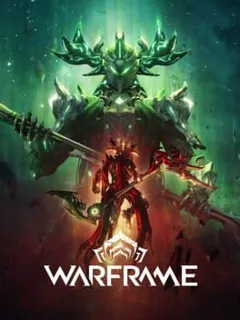
Warframe is a free-to-play online action RPG with deep class-like 'Warframe' progression, cooperative missions, boss fights, and constant grinding for new equipment — structurally very close to MapleStory's endgame loop. Its cosmetic economy and seasonal events replicate the live-service rhythm MapleStory players know.
Key difference: Third-person 3D sci-fi setting, much faster movement meta.
Best for: MapleStory grinders who want a modern free-to-play live service alternative.
Skip if: You want a 2D side-scrolling feel or pure fantasy setting.
Destiny 2 is a free-to-play online class-based RPG shooter with rotating seasonal content, strike/raid bosses, and deep character builds — echoing MapleStory's structured MMO progression in a loot-shooter format. Class identity, skill customization, and group content are all central.
Key difference: First-person shooter mechanics; sci-fi/fantasy hybrid, not pure fantasy.
Best for: MapleStory MMO fans who want polished co-op boss endgame on console/PC.
Skip if: You dislike shooters or want 2D side-scrolling action.
Hades is an action RPG with rapid skill-based combat, numerous class-style weapon runs, and addictive character progression through unlocks — mirroring MapleStory's skill-spamming combat feel in a roguelite package. Clearing rooms of enemies and boss fights are the core activity.
Key difference: Roguelite structure with no persistent world; progress resets each run.
Best for: MapleStory players who love the combat flow but want a tighter solo game.
Skip if: You play MapleStory for social play, open world, or character permanence.
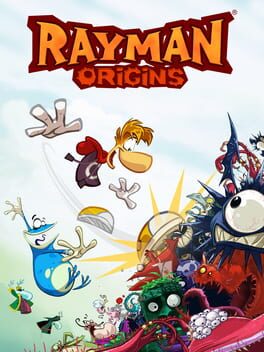
Rayman Origins is a vibrant 2D side-scrolling platformer with up to four-player co-op, tight action gameplay, and a colorful fantasy world — visually and mechanically close to MapleStory's early-game platforming feel. The cooperative play and whimsical style are a natural fit.
Key difference: No RPG progression or grinding; pure platformer with no stats/loot.
Best for: MapleStory fans who want the 2D co-op side-scrolling feel without RPG depth.
Skip if: You need character growth, leveling, or an online community.
Ori and the Blind Forest is a 2D side-scrolling platformer with skill-tree progression and a fantasy world — sharing MapleStory's satisfying 2D movement and growing character power. The sense of a character becoming more capable through skill unlocks parallels MapleStory's early progression arc.
Key difference: Solo, narrative-focused, no loot or multiplayer; short runtime.
Best for: MapleStory players seeking beautiful 2D platforming with some progression.
Skip if: You want grinding, social play, or long-term character investment.
Faster, more combo-focused combat with deeper PvP emphasis.
PC
Dungeon Fighter Online
88%
Role-playing (RPG), Adventure
More combo-execution-focused combat; older visual style.
PC
Ragnarok Online
80%
Role-playing (RPG), Adventure
Isometric top-down perspective instead of side-scrolling.
PC
Terraria
78%
Platform, Role-playing (RPG)
Crafting and world-building are central; no persistent online social world.
PlayStation, PC, Nintendo, Mobile, Xbox
Dragon Nest
78%
Role-playing (RPG), Action
3D environments with a fixed camera, not strictly 2D side-scrolling.
PC
Runescape
72%
—
Overhead perspective, skill-based sandbox with no class system.
—
Castle Crashers
68%
Role-playing (RPG), Adventure
Much shorter experience; no persistent world or MMO structure.
PlayStation, PC, Xbox
World of Warcraft
63%
Role-playing (RPG), Adventure
3D perspective instead of 2D side-scrolling; subscription-based.
PC
Hollow Knight
58%
Platform, Adventure
Solo only, Metroidvania structure, no character classes or loot system.
Xbox, PlayStation, PC, Nintendo
Path of Exile
57%
Role-playing (RPG), Adventure
Isometric perspective, much darker tone, far more complex skill system.
PlayStation, PC, Xbox
Kingdom Hearts
55%
Role-playing (RPG), Adventure
Single-player only; no MMO community or persistent world.
PlayStation
The Elder Scrolls Online
53%
Role-playing (RPG), Adventure
3D open world, heavier story focus, less grinding-centric.
Xbox, PlayStation, PC
Diablo II
52%
Role-playing (RPG), Action
Isometric, darker horror-fantasy tone, no persistent MMO world.
PC
Warframe
50%
Role-playing (RPG), Adventure
Third-person 3D sci-fi setting, much faster movement meta.
Xbox, PlayStation, Nintendo, Mobile, PC
Destiny 2
47%
Role-playing (RPG), Adventure
First-person shooter mechanics; sci-fi/fantasy hybrid, not pure fantasy.
Xbox, PlayStation, PC
What Makes a Game Actually Feel Like MapleStory?
The MapleStory formula requires a rare overlap: 2D side-scrolling movement and combat combined with deep RPG progression — leveling, class skills, gear upgrades — ideally in a multiplayer world. Most "action RPGs" miss the side-scrolling piece; most "platformers" miss the progression depth. Terraria is the closest from the candidate pool, blending side-scrolling boss fights and gear grinding in co-op; Castle Crashers nails the co-op brawler energy and RPG leveling in 2D. Neither has the persistent MMO world, but both deliver the core combat satisfaction.
For the MMO pillar specifically — guilds, trading economies, events, thousands of concurrent players — World of Warcraft and The Elder Scrolls Online are the strongest options from the pool, even though they operate in 3D. The games missing from this pool that truly hit both pillars simultaneously are Elsword and Dungeon Fighter Online.
Best Picks for the Grinding and Loot Loop
If what you love most about MapleStory is the addictive cycle of grinding mobs, upgrading gear, and pushing toward harder boss tiers, Path of Exile is the deepest available alternative — free-to-play with a staggeringly complex skill tree, seasonal endgame content, and an active trade economy. Warframe offers a similarly free-to-play grinding structure with cooperative missions and a strong cosmetic economy, making it a natural next step for MapleStory veterans comfortable with live-service progression. For those who want pure loot-hunting without an online requirement, Diablo II remains the gold standard of satisfying class-based item grinding in a fantasy world.
If You Want the 2D Side-Scrolling Feel Without the MMO
Players drawn specifically to MapleStory's 2D action combat and platforming have excellent solo options. Hollow Knight offers dozens of hours of precise side-scrolling combat with a rewarding ability-unlock progression — the Metroidvania structure replaces MMO grinding with exploration depth. Ori and the Blind Forest captures the visual joy of MapleStory's 2D world with emotional storytelling and skill-tree growth. For co-op side-scrolling fun without the live-service overhead, Rayman Origins delivers bright, energetic 2D platforming for up to four players — closest in spirit to MapleStory's casual party play.
Is there a free-to-play game exactly like MapleStory?
Elsword and Dungeon Fighter Online are the closest free-to-play alternatives — both are side-scrolling MMORPGs with class systems, dungeon content, and anime aesthetics nearly identical to MapleStory's structure. Path of Exile and Warframe replicate the grinding loop in a different perspective.
What is the best single-player game similar to MapleStory?
Hollow Knight is the strongest solo pick for MapleStory fans — it's a 2D side-scrolling action game with deep skill progression, boss fights, and a rich fantasy world. Terraria is excellent if you want more RPG depth including gear crafting and boss hunting, and it supports local/online co-op as well.
What MMORPGs are similar to MapleStory?
World of Warcraft and The Elder Scrolls Online are the biggest modern MMORPGs sharing MapleStory's class-based progression, guild systems, and dungeon raiding — both in 3D. Ragnarok Online (from the same era) and the currently-running Elsword are even closer in aesthetic and 2D gameplay style.
Are there any MapleStory-like games on console?
Castle Crashers is available on most consoles and delivers side-scrolling RPG brawling with co-op very similar to MapleStory's party combat. Kingdom Hearts captures the anime action-RPG aesthetic. Destiny 2 is the best console option for the class-based MMO loot grind, though it's a shooter rather than a 2D platformer.
What should I play after getting bored with MapleStory's grind?
Path of Exile is the natural step up for grind-focused players — it goes deeper on build theory and item economics. Warframe offers a similar free-to-play live-service loop with co-op missions. If you want a change of pace from the grind entirely, Hollow Knight and Hades deliver tight, satisfying action progression without the repetitive farming.
 92%
92%