Omori earns its place as a modern classic through a rare combination: turn-based JRPG combat in the EarthBound mold, a surreal dual-world structure that collapses the gap between dream and reality, and a story about grief and psychological repression that hits with the weight of something genuinely personal. The colorful, funny exterior is inseparable from the horror underneath — that contrast is the game.
When players ask for games like Omori, they're usually looking for at least one of three things: the emotional devastation of a story that doesn't flinch from mental health, the surreal and playful-yet-dark aesthetic, or the specific joy of a turn-based RPG with a handcrafted party and real character stakes. The best recommendations hit more than one of those targets.
Top pick:Undertale is the single closest pick — it shares Omori's indie turn-based RPG bones, its tonal whiplash between goofy and heartbreaking, its surreal world full of memorable characters, and its tendency to use genre conventions as emotional weapons; if you loved Omori and haven't played Undertale, that's your next game.
Some store buttons are affiliate links — we may earn a commission at no extra cost to you.
22 games like Omori
95%
Earthbound 1983
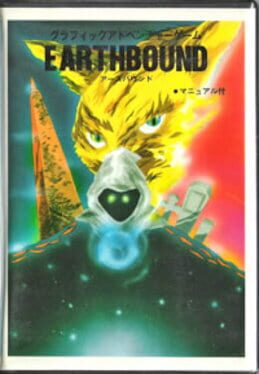
EarthBound is the most direct inspiration for Omori: a turn-based RPG about a child and friends exploring a quirky, comedic, but increasingly disturbing world to confront a cosmic evil that mirrors psychological dread. Omori's entire aesthetic and structure is a love letter to it.
Key difference: Lighter overall tone; horror is implicit rather than the explicit central theme.
Best for: Any Omori fan — this is required playing if you haven't already.
Skip if: SNES-era quality of life issues are a dealbreaker for you.
Undertale shares Omori's DNA most completely: an indie turn-based RPG with hand-crafted combat, surreal humor, genuine horror, and an emotionally devastating story about choices and what we protect. Both subvert genre expectations at every turn.
Key difference: Pacifist route and real-time dodge mechanics replace pure menu combat.
Best for: Anyone who wants the same tonal whiplash of goofy-then-heartbreaking.
Skip if: You dislike intentionally lo-fi pixel aesthetics.
Deltarune is Toby Fox's follow-up to Undertale: a turn-based RPG about children entering a dark alternate world that mirrors their inner lives, with the same blend of comedy, dread, and emotional gut-punch as Omori.
Key difference: Episodic and unfinished; currently only chapters 1–2 are released.
Best for: Undertale and Omori fans wanting that same tonal blend in a new package.
Skip if: You dislike playing incomplete episodic games.
Doki Doki Literature Club! presents itself as a cute visual novel before sliding into surreal psychological horror that breaks the fourth wall. Like Omori, it weaponizes charm to gut-punch you with themes of depression and denial.
Key difference: No RPG combat; it's a visual novel with meta horror mechanics.
Best for: Players drawn to Omori's subversive narrative more than its combat.
Skip if: You want turn-based gameplay alongside the dark storytelling.
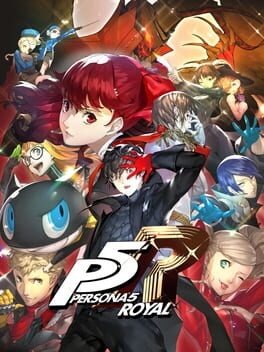
Persona 5 Royal is a polished turn-based JRPG where teenagers enter a surreal cognitive world tied to repressed trauma, with strong bonds between party members driving both story and gameplay. The style and emotional investment rival Omori's.
Key difference: Much longer, more systems-heavy, and stylistically flashy rather than lo-fi.
Best for: Omori fans who want turn-based RPG depth with more production value.
Skip if: You want a raw, personal indie tone over a glossy AAA-ish production.
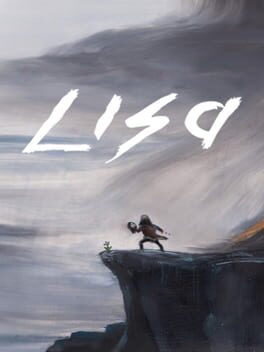
Lisa: The Painful is a brutally emotional RPG Maker game about grief, addiction, and sacrifice, set in a surreal post-apocalyptic world. Like Omori, it disguises devastating themes beneath quirky humor and turn-based combat.
Key difference: Extremely bleak and punishing; almost no hope or levity ultimately.
Best for: Omori fans who want the trauma themes pushed to their rawest limit.
Skip if: You need emotional catharsis or relief built into the ending.
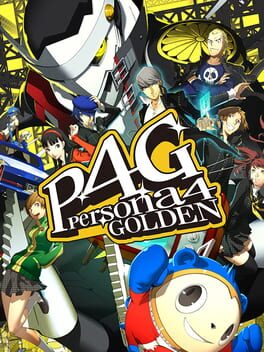
Persona 4 Golden centers on a group of young friends who enter a foggy TV-world built from repressed psychological shadows, confronting hidden truths about identity and grief — a direct parallel to Omori's dual-world structure.
Key difference: Mystery-thriller framing and social sim calendar add structure Omori lacks.
Best for: Players who loved Omori's 'real world vs. dreamworld' duality.
Skip if: You disliked lengthy dialogue and want more exploration freedom.
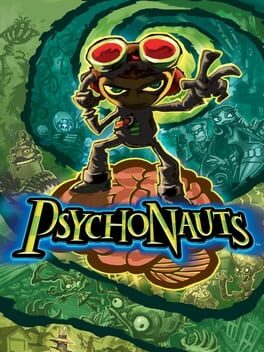
Psychonauts sends a young boy into the surreal mental worlds of traumatized characters, each a vivid playground built from repressed memory and fear. The blend of colorful whimsy with genuinely dark psychological content mirrors Omori's feel.
Key difference: 3D platformer mechanics instead of top-down turn-based RPG combat.
Best for: Omori fans fascinated by the surreal mindscape exploration above all.
Skip if: You dislike 3D platforming or older game feel.
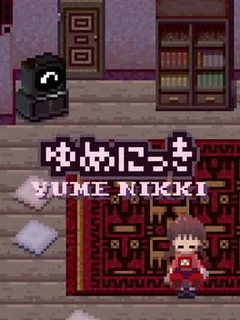
Yume Nikki is a free RPG Maker game about a girl exploring surreal dream worlds — silent, atmospheric, and deeply unsettling — and is one of Omori's most direct spiritual ancestors.
Key difference: No combat, dialogue, or traditional narrative; pure surreal exploration.
Best for: Players fascinated by Omori's dreamscape imagery and silent dread.
Skip if: You need story, characters, or combat to stay engaged.
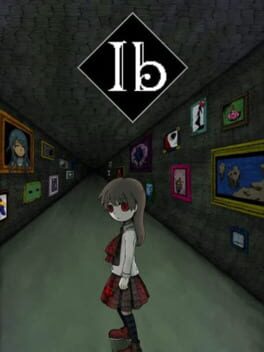
Ib is a free RPG Maker horror game about a young girl trapped in a surreal art museum that comes to life — quiet, atmospheric, and emotionally resonant in the same way Omori is, centering a child's vulnerability against a nightmarish world.
Key difference: Puzzle adventure with no combat; very short (2–3 hours).
Best for: Players who want Omori's child-in-nightmare atmosphere in a compact form.
Skip if: You want turn-based combat or a longer narrative.
Silent Hill 2 is a masterwork of psychological horror built around grief, guilt, and a man's inability to confront the truth about his past — the same emotional core Omori excavates, just in survival-horror form.
Key difference: Third-person survival horror; no turn-based combat or colorful tone.
Best for: Omori players who want the grief-and-horror themes at maximum intensity.
Skip if: You need lighthearted moments to balance the darkness.
PlayStation
73%
Final Fantasy III 1994
Final Fantasy VI (listed as Final Fantasy III here) is the template for emotionally serious SNES-era turn-based JRPGs: a large cast of characters each carrying personal trauma, a villain who embodies nihilism, and a story that genuinely goes dark.
Key difference: Epic scope and large ensemble rather than intimate personal story.
Best for: Omori fans who want classic JRPG combat with real emotional weight.
Skip if: You dislike retro presentation or large-cast ensemble storytelling.
Paper Mario: The Thousand-Year Door is a turn-based RPG with a colorful cast, quirky humor, and surprising tonal depth — the same blend of approachable charm and unexpected darkness that Omori deploys so well.
Key difference: Much lighter in tone; horror and trauma are almost entirely absent.
Best for: Players who loved Omori's playful side and want similar RPG mechanics.
Skip if: You're here specifically for the psychological horror element.
Chrono Trigger is one of the most beloved turn-based JRPGs ever made, with a tight party of memorable characters, an emotionally resonant story, and inventive combat — the mechanical gold standard Omori built upon.
Key difference: Time-travel sci-fantasy tone; no horror, surrealism, or mental-health themes.
Best for: Omori fans who want the turn-based JRPG format at its purest.
Skip if: You need dark psychological content alongside the gameplay.
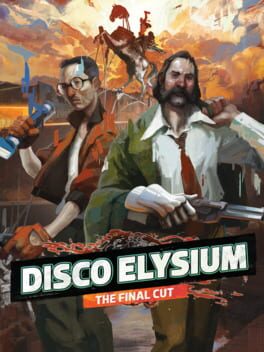
Disco Elysium: The Final Cut is a deeply strange narrative RPG about a broken man confronting his past through a surreal, dialogue-driven world. Like Omori, it treats mental collapse with both dark humor and genuine compassion.
Key difference: No traditional combat; entirely skill-check and dialogue driven.
Best for: Players drawn to Omori's writing, themes, and surrealism over its combat.
Skip if: You specifically want turn-based battles and classic JRPG structure.
Final Fantasy IX is a classically structured turn-based JRPG with an emotionally earnest story about mortality, identity, and belonging — themes that resonate with Omori's core, wrapped in a colorful fantasy world.
Key difference: High fantasy setting; no horror, psychological dread, or indie aesthetic.
Best for: Omori fans wanting a longer, classic JRPG with real emotional stakes.
Skip if: You want surrealism or horror alongside your RPG storytelling.
PlayStation
65%
Gris 2018
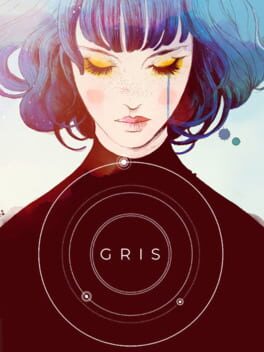
Gris is a wordless platformer that uses stunning art to depict a young woman moving through the stages of grief — the same emotional journey Omori takes, stripped down to pure visual metaphor.
Key difference: No combat, dialogue, or RPG elements; purely an art-game experience.
Best for: Players who resonated with Omori's grief themes more than its mechanics.
Skip if: You want gameplay depth or narrative text alongside the emotional content.
Darkest Dungeon is a turn-based horror RPG where you manage a party of traumatized adventurers descending into a nightmarish place — mechanically similar to Omori but grimly punishing rather than emotionally tender.
Key difference: Roguelike structure and punishing difficulty versus Omori's linear story.
Best for: Omori fans who want horror RPG combat pushed to its darkest extreme.
Skip if: You need character attachment and story over systemic challenge.
Celeste is an indie game that portrays anxiety and depression through its platforming challenge, with a protagonist climbing a mountain that mirrors her internal struggle — deeply sincere about mental health, much like Omori.
Key difference: Precision platformer with no RPG combat or surreal horror.
Best for: Players connecting to Omori's mental-health themes in an indie context.
Skip if: You want RPG systems and dark narrative over a platforming challenge.
Life Is Strange follows a teenager who discovers she can rewind time while investigating a missing-persons mystery in a small town — sharing Omori's young-protagonist narrative, mystery arc, and focus on friendship and loss.
Key difference: Point-and-click adventure; no combat, turn-based RPG, or horror.
Best for: Players drawn to Omori's mystery and friendship dynamics above all.
Skip if: You want combat mechanics and surreal horror alongside the drama.
Little Nightmares casts a small child navigating a grotesque surreal nightmare world filled with horrific imagery — visually and tonally adjacent to Omori's darker sequences, with a strong sense of dread.
Key difference: Stealth platformer with no RPG mechanics or dialogue.
Best for: Players who loved Omori's horror atmosphere and child-in-nightmare imagery.
Skip if: You need narrative depth or character relationships alongside the horror.
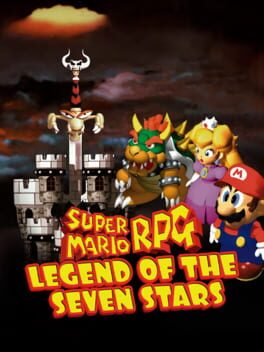
Super Mario RPG pioneered the hybrid action/turn-based RPG with timed button presses, colorful quirky party members, and a surprisingly charming story — a strong ancestor of Omori's combat feel.
Key difference: Completely cheerful Nintendo tone; no darkness or psychological themes.
Best for: Players who want Omori's combat rhythm in a classic SNES context.
Skip if: You are here for the horror or emotional heaviness.
Lighter overall tone; horror is implicit rather than the explicit central theme.
PC
Undertale
94%
Role-playing (RPG), Adventure
Pacifist route and real-time dodge mechanics replace pure menu combat.
PlayStation, PC, Xbox, Nintendo
Deltarune
90%
Role-playing (RPG), Adventure
Episodic and unfinished; currently only chapters 1–2 are released.
PlayStation, Nintendo, PC
Doki Doki Literature Club!
88%
Adventure, Indie
No RPG combat; it's a visual novel with meta horror mechanics.
PC, Mobile
Persona 5 Royal
82%
Role-playing (RPG), Adventure
Much longer, more systems-heavy, and stylistically flashy rather than lo-fi.
Xbox, PlayStation, PC, Nintendo
Lisa: The Painful
82%
Role-playing (RPG), Adventure
Extremely bleak and punishing; almost no hope or levity ultimately.
PC
Persona 4 Golden
80%
Role-playing (RPG), Adventure
Mystery-thriller framing and social sim calendar add structure Omori lacks.
PlayStation
Psychonauts
78%
Adventure
3D platformer mechanics instead of top-down turn-based RPG combat.
Xbox, PlayStation, PC
Yume Nikki
78%
Adventure, Indie
No combat, dialogue, or traditional narrative; pure surreal exploration.
PC
Ib
75%
Role-playing (RPG), Adventure
Puzzle adventure with no combat; very short (2–3 hours).
PlayStation, PC, Nintendo
Silent Hill 2
74%
Adventure, Horror
Third-person survival horror; no turn-based combat or colorful tone.
PlayStation
Final Fantasy III
73%
Role-playing (RPG), Adventure
Epic scope and large ensemble rather than intimate personal story.
Nintendo
Paper Mario: The Thousand-Year Door
71%
Role-playing (RPG), Adventure
Much lighter in tone; horror and trauma are almost entirely absent.
Nintendo
Chrono Trigger
70%
Role-playing (RPG), Fantasy
Time-travel sci-fantasy tone; no horror, surrealism, or mental-health themes.
Nintendo
Disco Elysium: The Final Cut
68%
Role-playing (RPG), Adventure
No traditional combat; entirely skill-check and dialogue driven.
Xbox, PlayStation, PC, Nintendo
What makes a game feel like Omori?
The Omori formula has three pillars: turn-based combat with a small, deeply characterized party; a surreal world that externalizes psychological states; and a narrative structure built on a secret that recontextualizes everything you've seen. Very few games hit all three simultaneously. Undertale and Deltarune (in additional picks) do so most completely, while Doki Doki Literature Club! replaces the combat with visual novel mechanics but nails the subversive horror-beneath-cuteness structure just as sharply.
For the surreal-mindscape angle specifically, Psychonauts is the standout — each mental world is a lovingly crafted environment built from a character's specific trauma, making it one of the most direct thematic cousins in the list despite its 3D platformer format.
Best turn-based JRPGs for Omori fans
If the combat system is what you loved, the Persona series is the natural escalation: Persona 4 Golden mirrors Omori's dual-world structure most closely (a foggy TV-world built from repressed psychological shadows), while Persona 5 Royal pushes the production values and stylistic ambition to the maximum. Both demand significant time investment but reward it with the same character-bond depth Omori delivers. Further back in history, Final Fantasy VI and Chrono Trigger represent the SNES-era turn-based standard that Omori was in conversation with — emotionally serious, carefully crafted, and mechanically satisfying.
EarthBound (in additional picks) remains mandatory: it is the single biggest inspiration for Omori's aesthetic, tone, and structure, and playing it feels like reading the source text.
For the horror and grief themes, not just the gameplay
Silent Hill 2 is the gold standard for horror games about grief — a man who cannot accept the truth about his past descending into a nightmarish world of his own psychological creation, which is essentially Omori's plot in survival-horror form. Doki Doki Literature Club! operates similarly, using a cheerful wrapper to deliver a genuinely distressing examination of depression and self-destruction. For something quieter, Gris distills the grief journey to its emotional core through wordless art, and Celeste handles anxiety and self-doubt through precision platforming with remarkable sincerity.
Is there anything else like Omori if I want the exact RPG Maker JRPG feel?
EarthBound (the direct inspiration), Yume Nikki (free, surreal, no combat), Lisa: The Painful (brutal and trauma-focused), and Ib (horror, child protagonist, free) are the canonical RPG Maker/indie-JRPG adjacents that most 'games like Omori' lists cite — all are in the additional picks above since they weren't in the candidate pool.
Does Undertale have the same emotional impact as Omori?
Yes — Undertale is widely considered the closest single game to Omori in tone and emotional design. Both use humor to lower your guard before delivering genuinely affecting story beats, and both reward full exploration with lore that reframes what you thought you knew.
Are the Persona games similar enough to Omori to be worth it for fans?
Persona 4 Golden is the most structurally similar — entering a surreal world tied to repressed psychology, building bonds with a tight friend group, and uncovering a mystery. Persona 5 Royal is mechanically superior and more polished but tonally further from Omori's quiet, personal grief. Both are turn-based JRPGs with strong character writing.
What should I play if I loved Omori's psychological horror but don't want an RPG?
Silent Hill 2 for pure psychological horror about grief; Doki Doki Literature Club! for meta horror with a cute veneer; and Little Nightmares for a surreal child-in-nightmare atmosphere. Gris is the gentlest option if you want the grief themes without any horror.
Is Omori appropriate as a first JRPG, and what should someone play next if it was their first?
Omori is accessible as a first JRPG because it teaches its systems gradually and its story is the real draw. If it was your first, Undertale is the natural next step — similar length, indie scale, and tonal range — before moving to Chrono Trigger or a Persona game if you want something longer and more traditional.
 95%
95%