Hogwarts Legacy works because it does two things brilliantly: it plants you inside a beloved fantasy world with the fidelity of a big-budget RPG, and it gives you a genuinely satisfying spell-combat system that rewards learning a growing library of abilities — slowing, flinging, burning, and stunning enemies in creative combinations. The open Hogwarts castle and Scottish countryside feel alive to explore, and the student-life framing adds warmth most open-world RPGs skip.
When players ask for games like Hogwarts Legacy, they're usually chasing one or more of three things: an open fantasy world worth getting lost in, third-person action combat built around ability-chaining and power-fantasy progression, or that specific feeling of inhabiting a richly imagined world (whether licensed or original) as a character who grows in power and knowledge. The best alternatives deliver at least two of those three.
Top pick:The Witcher 3: Wild Hunt is the single closest pick — it's the benchmark open-world fantasy action RPG that Hogwarts Legacy most aspires to, combining vast exploration, magic-inflected combat, deep quest writing, and a world that rewards curiosity at every turn, making it the essential next game for anyone who wants more of that core feeling.
Some store buttons are affiliate links — we may earn a commission at no extra cost to you.
The Witcher 3 is the gold standard open-world fantasy action RPG: rich lore, sprawling exploration, and a protagonist who casts signs (magic abilities) in fluid third-person combat. If Hogwarts Legacy's mix of questing, world-building, and magical combat resonated, this delivers that at its absolute peak.
Key difference: Darker, grittier adult narrative; no school or student fantasy
Best for: Fans who want the deepest story and world alongside the RPG loop
Skyrim is the closest structural twin: a vast fantasy open world where you craft a custom character, learn spells across schools of magic, and explore dungeons, towns, and wilderness at your own pace. The first-person default differs but it captures the same "one more dungeon" compulsion.
Key difference: First-person default; older graphics and shallower combat feel
Best for: Players who want maximum freedom and hundreds of hours of content
Skip if: You need polished modern combat or a defined protagonist
Forspoken is perhaps the closest direct parallel: a third-person open-world action RPG where the entire combat system revolves around casting and chaining spells, learning new magic disciplines, and traversing a vast fantasy world. The spell-juggling is explicitly Hogwarts Legacy's closest cousin.
Key difference: Modern protagonist transported to fantasy world; divisive writing quality
Best for: Hogwarts Legacy fans who want a game built entirely around spell combat
Skip if: You disliked reviews citing weak narrative or want co-op
Shadow of Mordor puts you in a beloved fantasy IP (Middle-earth) with a fluid third-person action system, open-world exploration, and a progression tree that grows as you play. Its Nemesis system adds emergent depth Hogwarts Legacy lacks, but the feel of moving through a fantasy world and fighting with supernatural powers is very close.
Key difference: Nemesis system replaces school life; darker tone and less RPG depth
Best for: Fans craving fantasy IP immersion with strong third-person combat
Skip if: You dislike stealth-assassination mechanics
Batman: Arkham City shares the same fluid, third-person ability-combo combat loop that directly inspired Hogwarts Legacy's spell system — you juggle crowd control, ranged attacks, and mobility moves seamlessly. It also wraps that combat in a richly detailed world stuffed with collectibles and side content.
Key difference: Superhero urban setting replaces open magical countryside
Best for: Players who loved Hogwarts Legacy's combat feel above all else
Skip if: You want deep RPG stats and open-world exploration
Arkham Knight expands the Arkham combat formula into a larger open world Gotham with gliding traversal that echoes broom flight, ability upgrades, and a narrative-driven single-player campaign. The combat flow is closest in the series to Hogwarts Legacy's spell-juggling system.
Key difference: Batmobile sections divide opinion; urban not fantasy
Best for: Those who want the biggest, most polished Arkham open world
Skip if: You want magic, RPG crafting, or fantasy aesthetics
Arkham Asylum is the game that pioneered the combat system Hogwarts Legacy built on: Freeflow combat mixing strikes, counters, and special abilities in a third-person adventure set inside a gothic, atmospheric institution. The school-within-a-dark-place vibe even rhymes a little.
Key difference: Linear level design; no open world or RPG progression depth
Best for: Players wanting a tighter, shorter combat showcase in a gothic setting
Skip if: You want open-world freedom and skill-tree RPG progression
Oblivion is Skyrim's predecessor: an open-world fantasy RPG where you can specialize in schools of magic, join guilds (including a Mages Guild with its own story arc), and explore a richly detailed world full of dungeons and secrets — almost a direct ancestral template for Hogwarts Legacy.
Key difference: Dated graphics and AI; slower combat; no third-person action polish
Best for: Players who loved the Mages Guild and want a whole game about magic schools
Control is a third-person action game entirely built around wielding supernatural powers — telekinesis, launches, shields — in increasingly creative combat combinations inside a mysterious supernatural institution. The parallels to Hogwarts Legacy's spell combat and institution-set mystery are striking.
Key difference: Brutalist government setting; no open world; less RPG customization
Best for: Players who loved mastering Hogwarts Legacy's spell variety
Skip if: You want a fantasy/magical school aesthetic
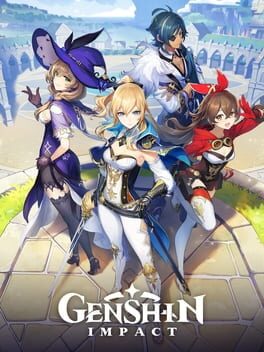
Genshin Impact is a free-to-play open-world action RPG in a lush fantasy setting where you master elemental abilities tied to characters, explore, craft, and uncover a vast lore. The traversal, world scale, and magical combat rhythm all echo Hogwarts Legacy's core loop.
Key difference: Gacha monetization; anime art style; live-service structure
Best for: Players who want a free, ongoing fantasy open world with frequent content
Skip if: You dislike gacha systems or anime aesthetics
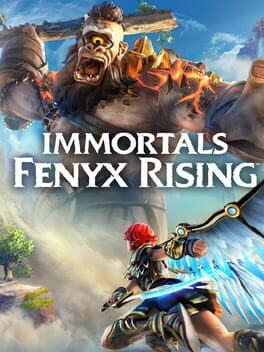
Immortals Fenyx Rising is a brightly colored open-world action RPG built around Greek mythology, with a skill tree, ability-based combat, and an open map packed with puzzles and secrets. Its accessible tone and exploration loop are close to Hogwarts Legacy's.
Key difference: Zelda-like puzzle focus; Greek myth not wizarding world
Best for: Players who want a lighter, humor-filled open-world fantasy RPG
Skip if: You want dark tone or deep RPG stat systems
Dragon Age: Origins is a fantasy RPG where you build a mage character who casts spells from a growing library, joins an order with school-like mentor dynamics, and navigates a richly written world. Its tactical depth runs deeper than Hogwarts Legacy but the magical RPG fantasy is the same.
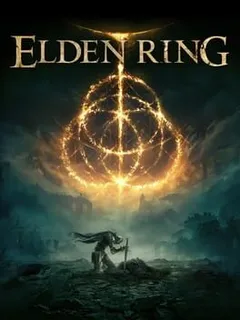
Elden Ring is an open-world fantasy action RPG where sorcery builds let you rain spells down on enemies across a beautifully hostile world. The exploration loop — finding hidden dungeons, upgrading abilities, mastering combat — shares clear DNA with Hogwarts Legacy, though the difficulty is much higher.
Key difference: Brutally difficult; minimal story hand-holding; no school or cozy elements
Best for: Hogwarts Legacy fans ready for a punishing, deeper challenge
Skip if: You prefer accessible combat and narrative guidance
God of War 2018 is a third-person action RPG in a dense fantasy world, with a skill tree, crafting, and spectacular ability-driven combat. The sense of growing power through learning new abilities mirrors Hogwarts Legacy's spell-progression satisfaction.
Key difference: Linear world structure; Norse mythology; no open exploration or school setting
Best for: Players who want the strongest narrative and combat craft in a fantasy RPG
Skip if: You need open-world freedom or a magic-school setting
GreedFall is a third-person action RPG set in a colonial fantasy world full of magic, political intrigue, and companion relationships. You can fully spec into a mage-style build, and the emphasis on exploration, crafting, and narrative choice mirrors Hogwarts Legacy's RPG structure.
Key difference: Colonial political story; less polished production; smaller scale
Best for: Players who want RPG choice and magic builds with a unique fantasy setting
Skip if: You want AAA production values or a beloved licensed world
BioShock Infinite is a first-person shooter where Vigor plasmid powers replace spells — you combine telekinesis, fire, and electricity attacks with weapons in creative ways inside a richly built fantasy-adjacent world. The power-fantasy progression and atmospheric world-building echo Hogwarts Legacy.
Key difference: First-person shooter, not third-person RPG; 1912 floating city, not Hogwarts
Best for: Fans of Hogwarts Legacy's power-mixing combat in a story-heavy game
Skip if: You dislike first-person games or gunplay
Marvel's Spider-Man shares Hogwarts Legacy's satisfying open-world traversal, ability-tree progression, and third-person combat built around chaining special moves — it just replaces spells with web-slinging and gadgets. The open-world collectible loop is nearly identical in structure.
Key difference: Superhero New York setting; no RPG stats, crafting, or fantasy
Best for: Players who loved Hogwarts Legacy's traversal and open-world pacing
Skip if: You want fantasy, magic, or an RPG depth layer
AC Odyssey is a massive open-world action RPG set in ancient Greece where you build a character with ability trees, explore richly detailed regions, and take on hundreds of quests. Its shift from action-adventure to RPG mirrors the same design philosophy as Hogwarts Legacy.
Key difference: Historical ancient Greece; no magic or school setting; much larger and grindier
Best for: Fans of Hogwarts Legacy's open-world scale who want 100+ hours of content
Skip if: You want magic systems or a cozy British fantasy tone
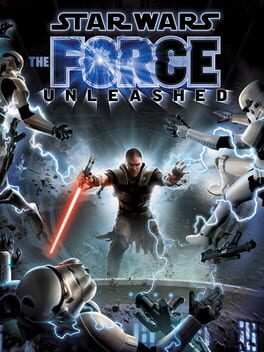
The Force Unleashed is the closest thing to Hogwarts Legacy inside a licensed sci-fi/fantasy IP: you play a powerful user of supernatural abilities (Force powers = spells), hurling objects, stunning enemies, and combining powers in third-person combat while uncovering a story within a beloved universe.
Key difference: Linear level design; older and rougher; Star Wars not Harry Potter
Best for: Hogwarts Legacy fans who want a similar power fantasy in the Star Wars universe
Skip if: You need an open world or modern production quality
Persona 5 is an RPG set almost entirely inside a school, with a double life of student social bonds by day and dungeon-crawling supernatural adventure by night. The school-life structure and ensemble cast scratch the same Hogwarts cohabitation itch even though the combat is turn-based.
Key difference: Turn-based JRPG; anime style; Japanese high school not British wizarding school
Best for: Players who loved the Hogwarts student-life and character-bond angle most
Skip if: You want real-time action combat or open-world exploration
Horizon Zero Dawn is a polished open-world action RPG with a deep skill tree, a richly realized fantasy-sci-fi world, and rewarding exploration. The third-person combat loop and quest structure closely parallel Hogwarts Legacy even if the themes differ sharply.
Darker, grittier adult narrative; no school or student fantasy
Xbox, PlayStation, PC, Nintendo
The Elder Scrolls V: Skyrim
91%
Role-playing (RPG), Adventure
First-person default; older graphics and shallower combat feel
PlayStation, PC, Xbox
Forspoken
90%
Role-playing (RPG), Adventure
Modern protagonist transported to fantasy world; divisive writing quality
PC, PlayStation
Middle-earth: Shadow of Mordor
85%
Role-playing (RPG), Adventure
Nemesis system replaces school life; darker tone and less RPG depth
PlayStation, PC, Xbox
Batman: Arkham City
83%
Adventure, Action
Superhero urban setting replaces open magical countryside
PlayStation, PC, Xbox, Nintendo
Batman: Arkham Knight
82%
Adventure, Action
Batmobile sections divide opinion; urban not fantasy
PlayStation, PC, Xbox, Nintendo
Batman: Arkham Asylum
80%
Adventure, Action
Linear level design; no open world or RPG progression depth
PlayStation, PC, Xbox, Nintendo
The Elder Scrolls IV: Oblivion
80%
Role-playing (RPG), Adventure
Dated graphics and AI; slower combat; no third-person action polish
PlayStation, PC, Xbox
Control
80%
Adventure, Action
Brutalist government setting; no open world; less RPG customization
Xbox, PlayStation, PC
Genshin Impact
78%
Role-playing (RPG), Adventure
Gacha monetization; anime art style; live-service structure
Xbox, PlayStation, Mobile, PC
Immortals Fenyx Rising
78%
Role-playing (RPG), Adventure
Zelda-like puzzle focus; Greek myth not wizarding world
Xbox, PlayStation, PC, Nintendo
Dragon Age: Origins
77%
Role-playing (RPG), Action
Tactical pause-and-play combat; older isometric option; much denser narrative
PlayStation, PC, Xbox
Elden Ring
74%
Role-playing (RPG), Adventure
Brutally difficult; minimal story hand-holding; no school or cozy elements
Xbox, PlayStation, Nintendo, PC
God of War
73%
Role-playing (RPG), Adventure
Linear world structure; Norse mythology; no open exploration or school setting
PlayStation, PC
GreedFall
72%
Role-playing (RPG), Adventure
Colonial political story; less polished production; smaller scale
Xbox, PlayStation, PC
What Makes a Game Feel Like Hogwarts Legacy?
Three pillars define the Hogwarts Legacy feel: a fantasy open world that rewards exploration with hidden secrets and lore, a third-person combat system built around chaining diverse abilities rather than just slashing or shooting, and RPG progression that makes learning new powers feel meaningful. The Witcher 3 and Skyrim nail all three, with magic systems and open worlds that set the genre standard. Control is the stealth pick for the ability-chaining angle specifically — its telekinetic powers create a very similar flow to juggling Hogwarts spells.
For the school-and-growth angle in particular, Persona 5 is an unexpected but rewarding alternative — no open world or action combat, but nobody has done the student-life-with-supernatural-powers structure more lovingly. And for the pure licensed-IP power fantasy, Star Wars: The Force Unleashed remains the closest antecedent: a beloved universe, a protagonist mastering supernatural abilities, and third-person combat built entirely around chaining those powers.
If You Loved the Spell Combat System
Hogwarts Legacy's combat owes a direct structural debt to the Batman: Arkham series — the Freeflow system of juggling crowd control, counters, and special abilities maps almost 1:1 onto juggling Stupefy, Accio, and Incendio. Arkham City and Arkham Knight are the most open-world entries in that series and will feel most familiar in scope and structure. Forspoken (in additional picks) goes furthest of all — its entire design is built around combining spells from multiple magic disciplines in real time, making it the most direct spell-combat analogue available.
Control deserves a special mention here: its third-person telekinetic combat inside a supernatural institution is almost a thematic mirror of Hogwarts Legacy, and players who specifically loved the ability-mixing and environmental destruction will find it enormously satisfying despite the very different aesthetic.
Best Open-World Fantasy RPGs for Hogwarts Legacy Fans
If the open-world exploration and RPG progression loop is what you're chasing, the highest-ceiling options are The Witcher 3 for sheer quality and Elden Ring for challenge and scope — both set in expansive fantasy worlds where every corner hides something worth finding. Genshin Impact offers a free alternative with genuine open-world scale, elemental magic combat, and regular new content, though its gacha monetization is a meaningful caveat. Horizon Zero Dawn is the most structurally similar in terms of third-person combat pacing, skill trees, and quest design, just transposed into a sci-fi setting.
For players who want the magic-school or mage-guild angle specifically, The Elder Scrolls IV: Oblivion remains the most thematically resonant recommendation: its Mages Guild questline is essentially a Hogwarts-style magical institution story, and you can build an entirely spell-focused character from the ground up in a classic open-world fantasy.
Is there anything as close to the Harry Potter setting as Hogwarts Legacy?
Within the candidate pool, the closest thematic neighbors are the older Harry Potter games (Chamber of Secrets, Prisoner of Azkaban) but their production quality is far lower. For a comparable sense of inhabiting a beloved fictional world with AAA fidelity, Middle-earth: Shadow of Mordor offers the best alternative — a richly realized Tolkien setting with a strong action RPG loop. Hogwarts Legacy remains uniquely positioned in its specific combination of IP, setting, and modern production values.
What game has the most similar spell/magic combat to Hogwarts Legacy?
Forspoken (not in the candidate pool) is the closest direct match — the entire game is designed around a large library of spell abilities you chain in real time during open-world combat. Within the candidate pool, Control's telekinetic power combat is structurally most similar, followed by the Batman: Arkham series whose Freeflow combat system directly inspired Hogwarts Legacy's mechanics.
Are there any games like Hogwarts Legacy but harder?
Yes — Elden Ring delivers open-world fantasy RPG exploration with magic spell builds (Sorcery and Incantation schools) but at a significantly higher difficulty ceiling. Dark Souls III is similarly punishing. Both reward learning and progression in ways that parallel Hogwarts Legacy but demand much more precision and patience from the player.
What's the best game like Hogwarts Legacy for younger or casual players?
Genshin Impact is the most accessible — free to start, colorful, and built around a gentle open-world exploration loop with elemental magic combat. Immortals Fenyx Rising (in additional picks) is also purpose-built for accessibility: a friendly open-world fantasy RPG with humor and lighter mechanics. Both avoid the darker themes some other recommendations carry.
Is The Witcher 3 actually similar to Hogwarts Legacy or just broadly fantasy?
Genuinely similar at the core loop level: both are third-person open-world action RPGs in a detailed fantasy setting where you use magical abilities in combat, explore a large map with dozens of optional quests, craft items, and develop a character over many hours. The Witcher 3's tone is darker and its narrative is more complex, but the basic feel of exploring a living fantasy world and growing in magical power maps closely onto what Hogwarts Legacy delivers.
 92%
92%