Dungeons & Dragons Online earns its dedicated fanbase by being the most faithful adaptation of tabletop D&D ever put into a live online game — real class archetypes, feats, spell slots, saving throws, and the D&D 3.5 ruleset translated into action-RPG form inside instanced, handcrafted dungeons. The cooperative dungeon-crawl structure, the character build depth, and the genuine sense that you are playing a D&D campaign with friends online are its irreplaceable core.
When players look for games like DDO, they are really chasing one or more of these pillars: a D&D (or D&D-derived) ruleset, cooperative instanced dungeon crawling, deep class-based character customization, and a persistent online fantasy world. This list is ordered around those pillars — prioritizing games that genuinely scratch the same itch.
Top pick: The single closest pick is Neverwinter — it is literally a free-to-play D&D MMORPG with instanced dungeon runs, official Forgotten Realms lore, and Dungeons & Dragons 4th Edition class archetypes, making it the natural next stop for any DDO player looking for a modern alternative that speaks the same language.
Some store buttons are affiliate links — we may earn a commission at no extra cost to you.
24 games like Dungeons & Dragons Online
95%
Neverwinter 2013
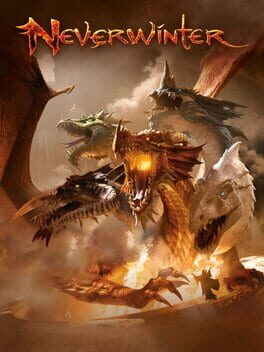
Neverwinter is a free-to-play MMORPG set in the Forgotten Realms and built directly on D&D 4th Edition rules, sharing DDO's instanced dungeon structure, class archetypes, and fantasy setting. Like DDO, its backbone is group dungeon runs, skirmishes, and a robust character-class system lifted straight from tabletop.
Key difference: D&D 4e rules and more streamlined, action-oriented combat than DDO's 3.5.
Best for: DDO fans wanting a modern, polished free-to-play D&D MMO.
Skip if: You want complex 3.5e rule fidelity or Eberron lore.
The Lord of the Rings Online is a subscription/free-to-play MMORPG with deep instanced dungeon content, class-based progression, and cooperative raid design nearly identical in structure to DDO. Both share Turbine's game engine heritage and design philosophy around fellowship-based play.
Key difference: Middle-earth lore focus; no D&D ruleset at all.
Best for: DDO players who want the same Turbine-era MMO feel with epic story.
Skip if: You dislike LOTR lore or prefer faster, more arcade-style combat.
Icewind Dale is a party-based D&D dungeon crawler built on the AD&D 2nd Edition ruleset, focused almost entirely on combat-heavy dungeon exploration — the same core fantasy as DDO minus the online layer. Its corridors, traps, and tactical spell use feel spiritually identical.
Key difference: Fully single-player/local; no online multiplayer component.
Best for: DDO fans wanting pure dungeon crawl focus with classic D&D rules.
Skip if: You require online co-op or real-time action combat.
PCMobile
85%
Baldur's Gate III 2023
Baldur's Gate 3 uses D&D 5th Edition rules with spell slots, class abilities, and dungeon exploration that shares DDO's tabletop DNA. Its co-op mode lets up to four players tackle encounters and dungeons together, echoing DDO's party structure.
Key difference: Turn-based combat and no persistent online MMO world.
Best for: DDO players who want premium modern D&D with co-op dungeon play.
Skip if: You prefer real-time action combat and live-service content.
The Elder Scrolls Online is a full MMORPG with fantasy dungeon crawling, party-based group content, and class-driven progression in a rich open world. It shares DDO's instanced group dungeons, trial raids, and heavy emphasis on cooperative play.
Key difference: No D&D ruleset; action MMO feel rather than tabletop-derived.
Best for: Players wanting a large, polished AAA MMORPG with dungeon content.
Skip if: You specifically want D&D class systems or a more niche community.
Baldur's Gate II runs on AD&D 2nd Edition rules with full party management, spell schools, and dungeon crawling in the Forgotten Realms — the same creative universe DDO draws from. Its dungeon designs and class variety are deeply aligned with DDO's inspiration.
Key difference: Classic isometric, no online play, fully story-driven.
Best for: DDO fans who want to explore the ruleset's RPG roots.
Skip if: You need online co-op or modern real-time action.
Path of Exile is a free-to-play ARPG built on a massive passive skill web and class-based active skills, with heavily instanced dungeon zones and co-op party play that mirrors DDO's dungeon-run structure and deep character build complexity.
Key difference: No D&D ruleset; pure action ARPG, not an MMO with open zones.
Best for: DDO players who love min-maxing builds and dungeon loot loops.
Skip if: You want a persistent shared world or D&D-faithful class systems.
Planescape: Torment runs on the AD&D engine and explores the same Dungeons & Dragons multiverse — including planes that DDO references — with deep class mechanics and dungeon exploration. Its Infinity Engine party system directly influenced DDO's design heritage.
Key difference: Extremely story/dialogue-heavy; combat is secondary.
Best for: DDO players who want to dive deep into D&D lore and philosophy.
Skip if: You play DDO primarily for combat, looting, and dungeon action.
Guild Wars features heavily instanced cooperative gameplay — every mission area is a private instance for your party — and class-based fantasy combat, making it structurally very close to DDO's dungeon-run format. The group composition strategy (healer, tank, damage) maps directly onto DDO's playstyle.
Key difference: No open persistent world; mission-based and no subscription.
Best for: DDO players wanting instanced co-op fantasy without monthly fees.
Skip if: You want a D&D ruleset or large open-world MMO exploration.
Dragon Age: Origins uses a D&D-inspired class and ability system with party-based tactical dungeon crawling in a dark fantasy setting. Its mechanics — crowd control, tank/healer/DPS roles, and ability cooldowns — mirror the DDO party composition meta.
Key difference: Single-player-focused; no persistent online world.
Best for: DDO players who want deep narrative with party-based tactical combat.
Skip if: You want online co-op or the actual D&D ruleset.
EverQuest is the foundational fantasy MMORPG that DDO descends from in spirit, featuring class-based group dungeon crawling, tank/healer/DPS party composition, and a vast fantasy world requiring genuine cooperative effort to survive.
Key difference: Slow, tab-target classic MMO; very dated interface and graphics.
Best for: DDO veterans who want to experience the roots of dungeon-focused MMOs.
Skip if: You need modern graphics, action combat, or a polished UI.
World of Warcraft is the benchmark MMORPG with dungeon runs, class roles, and loot progression that DDO fans will instantly recognize. Its dungeon finder, raid content, and tank/healer/DPS trinity directly parallel DDO's party design.
Key difference: No D&D ruleset; subscription-gated and far more mainstream.
Best for: DDO players who want a massive live community and polished endgame.
Skip if: You want D&D 3.5 fidelity or a less mainstream MMO feel.
Pillars of Eternity is a spiritual successor to the classic Infinity Engine D&D games with party-based dungeon crawling, class archetypes, and spell systems that echo DDO's tabletop roots. Its Deadfire sequel adds nautical exploration but the dungeon feel persists.
Key difference: Single-player; uses a custom ruleset, not D&D.
Best for: DDO fans who want classic-style party RPG with modern production.
Skip if: You need online multiplayer or real-time action combat.
Pathfinder: Kingmaker adapts Pathfinder's d20 ruleset — a direct descendant of D&D 3.5, the same edition as DDO — into a party-based RPG with dungeon crawling, class archetypes, and full rule fidelity to the tabletop source material.
Key difference: Single-player kingdom management; no online multiplayer component.
Best for: DDO fans who want the most faithful D&D 3.5-adjacent RPG experience.
Skip if: You need online co-op or an active MMO community.
TERA is a free-to-play action MMORPG with class-based dungeon running and group content built around the same tank/healer/DPS trinity DDO uses. Its real-time action combat distinguishes it but the dungeon-crawl loop is directly comparable.
Key difference: Fully action-based combat with no D&D ruleset whatsoever.
Best for: DDO players who want free-to-play MMO dungeons with fluid action combat.
Skip if: You value tabletop-derived rule systems over pure action feel.
Diablo III is a co-op ARPG dungeon crawler with class-based characters, loot progression, and randomized dungeon layouts that share DDO's core fantasy of clearing monster-packed rooms with a party for gear upgrades.
Key difference: No MMO world; faster, more arcade action and randomized maps.
Best for: DDO players who want instant co-op dungeon action and loot drops.
Skip if: You want tabletop rule fidelity or a persistent online world.
Dragon's Dogma features real-time combat with up to four party members (three AI pawns) clearing dungeons and fighting large monsters, echoing DDO's group dungeon experience. Its Vocation system and pawn hiring carry a faint echo of DDO's class and hireling mechanics.
Key difference: Mostly single-player AI party; no persistent online world.
Best for: DDO dungeon fans who want deep action combat with party management.
Skip if: You want live co-op partners or a genuine D&D ruleset.
PlayStationXbox
67%💎 Gem
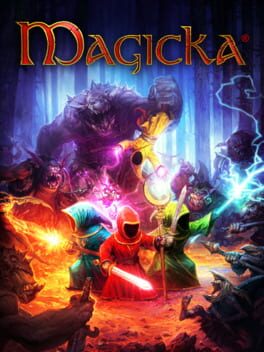
Magicka 2011
Magicka is a fantasy co-op spell-casting game where up to four players combine elemental magic to clear dungeons and fight bosses — sharing DDO's chaotic cooperative dungeon-run energy and fantasy setting. Its friendly fire and spell-combination systems reward coordination.
Key difference: No character leveling or class system; pure spell-combo arcade play.
Best for: DDO players who want funny, chaotic co-op fantasy dungeon action.
Skip if: You want long-term character progression or serious RPG depth.
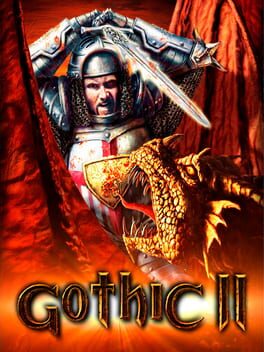
Gothic II is an immersive fantasy RPG with guild-based progression, dungeon exploration, and a living world that rewards careful skill investment — sharing DDO's sense of danger and earned advancement in a hand-crafted world.
Key difference: Single-player only; no classes, uses skill-point systems instead.
Best for: DDO fans who want challenging, punishing fantasy RPG exploration.
Skip if: You need online co-op or class-based D&D-style character builds.
Torchlight is a dungeon-crawling ARPG with class-based character builds, loot progression, and fantasy dungeons that share DDO's core loop of clearing rooms of monsters for gear. Its relatively simple, focused dungeon-run structure is easy to pick up.
Key difference: Single-player only; action ARPG, no tabletop rule fidelity.
Best for: DDO players who want a casual, focused dungeon loot experience.
Skip if: You need online multiplayer or the complexity of D&D character building.
Vampire: The Masquerade – Bloodlines adapts a pen-and-paper tabletop RPG into a real-time game with skill checks, dialogue branches, and builds — exactly the design philosophy behind DDO. Both are direct tabletop-to-game adaptations with deep mechanical heritage.
Key difference: Modern horror urban setting; single-player story focus.
Best for: DDO fans who love the tabletop-adaptation design philosophy.
Skip if: You want fantasy dungeons, online co-op, or D&D specifically.
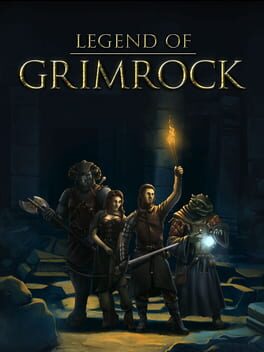
Legend of Grimrock is a grid-based dungeon crawler where a party of four characters descends through monster-filled corridors solving puzzles and managing combat — the purest possible expression of DDO's dungeon-crawl fantasy in a single-player package.
Key difference: Turn-based grid movement; no online play, no MMO elements.
Best for: DDO fans who want a focused, atmospheric old-school dungeon crawl.
Skip if: You need online co-op or real-time fluid action combat.
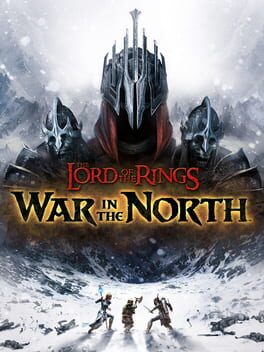
The Lord of the Rings: War in the North is a three-player co-op action RPG set in Middle-earth with dungeon areas, class-based characters (warrior, ranger, mage), and loot — directly approximating DDO's group dungeon format in a more accessible package.
Key difference: Linear action RPG, not an MMO; no persistent character or world.
Best for: DDO fans wanting console-friendly co-op dungeon runs in a fantasy world.
Skip if: You want deep character customization or a persistent online world.
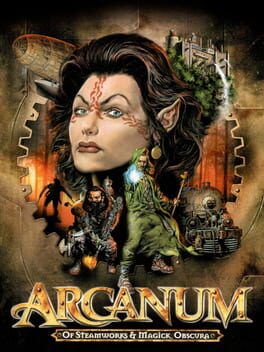
Arcanum blends tabletop RPG rules — skill trees, dice-based checks, character archetypes — with a rich fantasy/steampunk world, sharing DDO's love of deep, rules-heavy character customization. Its systems directly echo pen-and-paper RPG design.
D&D 4e rules and more streamlined, action-oriented combat than DDO's 3.5.
PlayStation, PC, Xbox
The Lord of the Rings Online
90%
Role-playing (RPG), Adventure
Middle-earth lore focus; no D&D ruleset at all.
PC
Icewind Dale
88%
Role-playing (RPG), Fantasy
Fully single-player/local; no online multiplayer component.
PC, Mobile
Baldur's Gate III
85%
Role-playing (RPG), Action
Turn-based combat and no persistent online MMO world.
Xbox, PC, PlayStation
The Elder Scrolls Online
84%
Role-playing (RPG), Adventure
No D&D ruleset; action MMO feel rather than tabletop-derived.
Xbox, PlayStation, PC
Baldur's Gate II: Shadows of Amn
82%
Role-playing (RPG), Fantasy
Classic isometric, no online play, fully story-driven.
PC
Path of Exile
82%
Role-playing (RPG), Adventure
No D&D ruleset; pure action ARPG, not an MMO with open zones.
PlayStation, PC, Xbox
Planescape: Torment
78%
Role-playing (RPG), Fantasy
Extremely story/dialogue-heavy; combat is secondary.
PC, Mobile
Guild Wars
78%
Role-playing (RPG), Adventure
No open persistent world; mission-based and no subscription.
PC
Dragon Age: Origins
76%
Role-playing (RPG), Action
Single-player-focused; no persistent online world.
PlayStation, PC, Xbox
EverQuest
76%
Role-playing (RPG), Adventure
Slow, tab-target classic MMO; very dated interface and graphics.
PC
World of Warcraft
75%
Role-playing (RPG), Adventure
No D&D ruleset; subscription-gated and far more mainstream.
PC
Pillars of Eternity
74%
Role-playing (RPG), Adventure
Single-player; uses a custom ruleset, not D&D.
PlayStation, PC, Xbox, Nintendo
Pathfinder: Kingmaker
74%
Role-playing (RPG), Adventure
Single-player kingdom management; no online multiplayer component.
PlayStation, PC, Xbox, Nintendo
Tera
72%
Role-playing (RPG), Adventure
Fully action-based combat with no D&D ruleset whatsoever.
PlayStation, PC, Xbox
What makes a game truly feel like DDO?
DDO's secret is that it sits at a rare intersection: a live MMORPG built on a genuine tabletop ruleset with handcrafted instanced dungeons designed for group play. Most MMORPGs have one or two of those traits; DDO has all three. Neverwinter and The Lord of the Rings Online come closest overall — both are instanced-dungeon-centric MMORPGs with cooperative party design as the backbone. For the D&D ruleset specifically, Neverwinter Nights 2 and Icewind Dale nail the D&D 3.5 / AD&D feel with full class and feat systems, even without the live-service layer.
The most-missed nuance is DDO's pacing: runs are self-contained dungeon missions, not open-world grind. Guild Wars (the original) replicates this better than almost any MMO — every group mission is a private instance, and the class combination strategy is equally deep.
Best co-op dungeon picks if you want that DDO party feel
If cooperative dungeon-clearing is your DDO obsession, several games outside strict MMORPGs deliver it well. Magicka gives you chaotic four-player spell-combo dungeon runs in a fantasy setting with genuine coordination required. The Lord of the Rings: War in the North is a streamlined three-player co-op action RPG in Middle-earth with class roles and loot — the closest console approximation of DDO's fellowship structure. For a modern premium option, Baldur's Gate 3 lets four players co-op through D&D 5th Edition dungeons with full rule fidelity, making it the highest-production co-op D&D experience available.
For longer-term character investment in a live co-op environment, Path of Exile (not in the original candidate pool) is worth noting — its deep passive tree and instanced zones scratches the same build-obsession itch DDO players know well.
If you want the D&D ruleset without the MMO
Some DDO fans love the Eberron/Forgotten Realms lore and D&D 3.5 rules but find the MMO layer exhausting. Neverwinter Nights 2 and its predecessor offer D&D 3.5/3e in a rich single-player campaign with optional cooperative play via persistent world servers — effectively offline DDO. Icewind Dale strips everything back to pure dungeon crawling under AD&D rules, which is exactly what DDO's dungeon runs feel like at their most concentrated. For those willing to try Pathfinder — a direct descendant of D&D 3.5 — Pathfinder: Kingmaker offers the deepest d20-system fidelity available in a modern game outside DDO itself.
Is there any game that uses the D&D 3.5 ruleset like DDO?
Neverwinter Nights 2 is the closest — it uses D&D 3.5 rules with the same classes, feats, and spell systems. The original Neverwinter Nights uses D&D 3rd Edition (3.0), which is nearly identical. Pathfinder: Kingmaker uses Pathfinder, which is a direct evolution of 3.5 and plays almost identically at the rules level.
What is the best MMO to play if you love DDO?
Neverwinter is the most direct substitute — it is a free-to-play D&D MMORPG with instanced dungeons and official D&D lore. The Lord of the Rings Online (built by the same studio, Turbine) shares DDO's exact dungeon-run structure. The Elder Scrolls Online is a larger, more polished option if you want a AAA production value.
Are there games like DDO that are free to play?
Yes — Neverwinter and The Lord of the Rings Online are both free-to-play with optional paid content, and TERA is also free-to-play. Path of Exile is completely free-to-play and scratches the dungeon-crawl and deep-character-build aspects of DDO outside an MMO structure.
What should I play if I love DDO's dungeon crawling but don't want an MMO?
Icewind Dale is the purest dungeon crawl in the D&D lineage, stripped of open-world content. Baldur's Gate 3 offers co-op dungeon crawling with D&D 5e rules and modern production values. Legend of Grimrock delivers an intensely focused, atmospheric dungeon-crawl experience if you want something more compact.
Is World of Warcraft similar to DDO?
Structurally yes — WoW popularized the instanced dungeon run, tank/healer/DPS trinity, and class-based loot progression that DDO uses. However, WoW uses its own ruleset with no D&D fidelity, has a much larger and more casual player base, and feels considerably more mainstream and streamlined than DDO's tabletop-derived complexity.
 95%
95%