Myst captivated players by treating them as intelligent adults: no tutorials, no enemies, no score — just a strikingly beautiful isolated world full of machines, books, and cryptic clues waiting to be decoded through patient observation. Its power comes from the feeling that the environment itself is the puzzle, and that every detail rewards attention.
When players ask for games like Myst, they're really searching for that rare combination of atmospheric solitude, logic-driven environmental puzzles, and mystery narratives discovered rather than told. The best picks below share at least two of those three pillars — and the closest ones share all three.
Top pick:The Witness is the single closest modern match: a first-person puzzle game set on a mysterious island where every solution is embedded in the environment itself, demanding exactly the same quiet, attentive observation that made Myst legendary — and it matches Myst's scale and ambition beat for beat.
Some store buttons are affiliate links — we may earn a commission at no extra cost to you.
22 games like Myst
96%
The Witness 2016
The Witness drops you on a mysterious island filled with hundreds of panel puzzles that must be solved by careful observation of the environment — the same core loop as Myst. Like Myst, it rewards patient, attentive exploration over action.
Key difference: All puzzles are abstract panel-based; no narrative dialogue or characters.
Best for: Myst fans who want the purest puzzle-island formula modernized.
Skip if: You dislike purely mechanical puzzles with no story payoff.
A first-person mystery aboard an abandoned ship where you deduce the fate of every crew member purely from environmental observation and deduction — the same 'observe everything, trust nothing, solve it yourself' ethos as Myst, with stunning monochrome visuals.
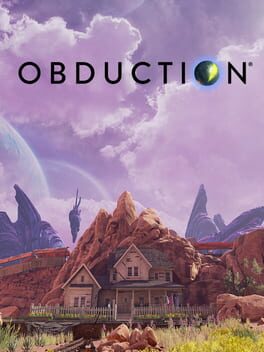
Made by Cyan — the creators of Myst — Obduction drops you on an alien world and demands you solve intricate environmental puzzles to uncover what happened, with the same pre-rendered-era philosophy rebuilt in modern 3D. Practically Myst 4 in spirit.
Key difference: Modern 3D navigation instead of pre-rendered slide-show movement.
Best for: Anyone who wants Myst made by the same studio today.
Skip if: You want a faster-paced or more action-oriented experience.
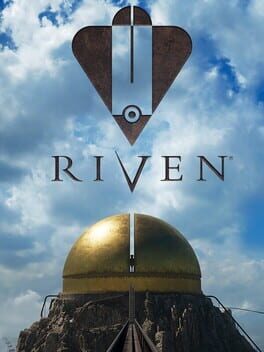
The direct sequel to Myst by Cyan, Riven doubles down on environmental observation and demands you learn an alien world's logic before any puzzle can be solved — widely considered even deeper and more ambitious than the original.
Key difference: Larger, denser world with harder puzzles requiring meticulous notes.
Best for: Myst players who want more of the same but harder and bigger.
Skip if: You found Myst's pacing already too slow.
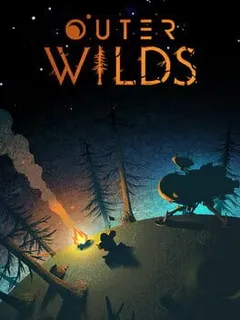
Outer Wilds is built entirely around discovering a mystery through environmental observation and exploration — you piece together what happened to a lost civilization by reading the world itself, exactly as Myst demands. The sense of isolation and wonder is almost identical.
Key difference: Real-time 3D space flight replaces point-and-click navigation.
Best for: Players who want Myst's 'aha' discovery feeling in a sci-fi setting.
Skip if: You want static, clearly bounded puzzle spaces.
The Vanishing of Ethan Carter is a first-person mystery set in a gorgeous, eerily quiet valley where you reconstruct events from environmental clues — no combat, no hand-holding, pure observation-driven puzzle solving. It channels Myst's lonely, atmospheric dread directly.
Key difference: Shorter, more linear narrative structure than Myst.
Best for: Myst fans who want photorealistic modern visuals and a tight mystery.
Skip if: You want lengthy, multi-layered puzzle systems.
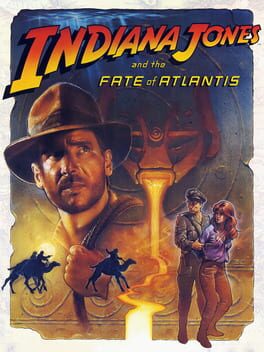
Indiana Jones and the Fate of Atlantis is a point-and-click puzzle adventure with elaborate logic puzzles and a layered mystery unfolding through environmental discovery — a direct genre sibling to Myst from the same era. It rivals Myst in puzzle complexity and atmosphere.
Key difference: Features a character-driven story with dialogue and comedy.
Best for: Myst fans who want rich narrative alongside the puzzles.
Skip if: You dislike dialogue-heavy classic adventure games.
The Room series presents intricate mechanical puzzle boxes you manipulate in three dimensions — the same tactile, observation-driven puzzle solving as Myst's machines, condensed into perfectly paced segments. Originally mobile, now on PC.
Key difference: Puzzle-box focus with no open world or exploration.
Best for: Myst fans who love the mechanical puzzle machines most.
Skip if: You want open-world exploration and narrative scope.
Soma is a first-person puzzle adventure set in an abandoned deep-sea facility, where you piece together the story through audio logs, environmental details, and logic puzzles — Myst's DNA transplanted into hard sci-fi horror. Exploration and observation drive everything.
Key difference: Contains stealth sequences and existential horror tone.
Best for: Players who want Myst's atmosphere with a weightier philosophical story.
Skip if: You dislike horror elements or existential themes.
Quern is a first-person puzzle exploration game set on a mysterious island with elaborate interconnected machine puzzles — it wears its Myst inspiration openly and delivers genuinely clever environmental challenges in a handsome modern engine.
Key difference: Shorter and less atmospheric than Myst; more puzzle-dense.
Best for: Myst fans who want a modern indie that nails the formula exactly.
Skip if: You want high production values or a deep narrative.
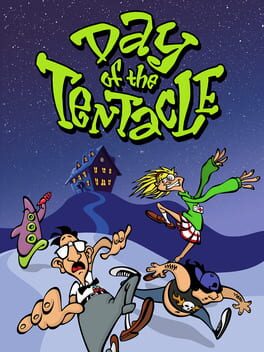
Day of the Tentacle is a masterwork point-and-click puzzle adventure where solving environmental logic puzzles across three time periods drives the whole experience — the same genre foundation as Myst but played for laughs. Puzzle design is exceptionally tight.
Key difference: Comedic tone and cartoon visuals instead of serious mystery.
Best for: Myst fans who want genre-classic puzzle craft with wit.
Skip if: You want atmosphere and dread over humor.
PC
79%
Grim Fandango 1998
Grim Fandango is a landmark point-and-click adventure built on creative environmental puzzles and a richly layered mystery narrative — the same adventure-game bloodline as Myst, just dressed in noir and comedy. Puzzle logic rewards lateral thinking.
Key difference: Dialogue and character-driven story is the primary draw.
Best for: Myst fans who love the adventure genre's storytelling potential.
Skip if: You want silent, atmosphere-first exploration.
PC
77%
Monkey Island 2: LeChuck's Revenge 1991
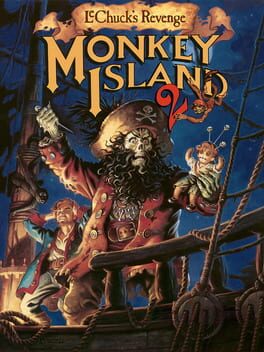
Monkey Island 2 is a brilliantly constructed point-and-click adventure with devious multi-step puzzles spread across a mysterious island — same genre, same era, similar non-linear exploration structure as Myst. Puzzle design remains among the best in the genre.
Key difference: Comedic pirate adventure tone, not mystery/horror.
Best for: Myst fans who want the classic era's best puzzle writing.
Skip if: You dislike comedic dialogue-driven games.
PC
76%
The Secret of Monkey Island 1990
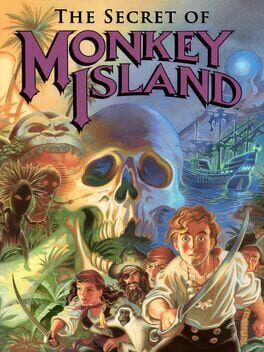
The Secret of Monkey Island established the point-and-click adventure template that informed Myst — mysterious island, observation-based puzzles, story uncovered through exploration. It's the genre cousin Myst grew alongside.
Key difference: Comedic tone with cartoon art and pirate setting.
Best for: Players new to classic adventure games starting from Myst.
Skip if: You want dark atmosphere over playful wit.
PC
74%
The Curse of Monkey Island 1997
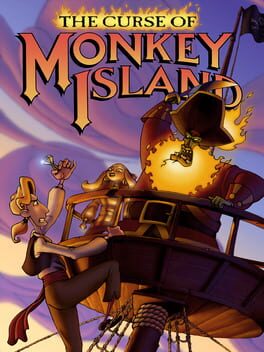
The Curse of Monkey Island continues the series with hand-painted visuals and clever point-and-click puzzle adventures across mysterious tropical islands — a direct genre relative of Myst with particularly polished production values.
Key difference: Warm comedic adventure; no mystery-dread atmosphere.
Best for: Fans who want the prettiest entry in classic point-and-click.
Skip if: You want serious tone and logic puzzles over inventory humor.
Firewatch is a first-person atmospheric mystery set in an isolated wilderness, where you uncover a hidden story purely through exploration and observation — no combat, no rushing, just a beautiful world with secrets to find. The mood is very Myst.
Key difference: Heavy dialogue and character relationship; minimal puzzle mechanics.
Best for: Players who want Myst's atmosphere and isolation in a grounded drama.
Gone Home distills Myst's core to its essence: you explore a strange, empty house and reconstruct an entire story purely by examining objects and reading environmental details — no action, no dialogue, just discovery. Short but precise.
Key difference: No puzzles at all; pure environmental narrative.
Best for: Myst fans who love the story-discovery feeling above all else.
Skip if: You need actual puzzle challenge alongside exploration.
Journey is a wordless, atmospheric exploration game where you traverse a mysterious ancient civilization's ruins piecing together what happened — the contemplative solitude and sense of wonder mirror Myst's best moments. No combat, no failure states.
Key difference: No puzzles; purely movement and environmental art.
Best for: Myst fans wanting pure meditative exploration in 90 minutes.
Abzu is a contemplative underwater exploration game with a silent mystery narrative told entirely through environment and imagery — the same peaceful, isolated discovery loop as Myst, just beneath the ocean. Beautifully scored and short.
Key difference: Essentially no puzzles; purely movement and observation.
Best for: Players who want Myst's serenity without any challenge.
Skip if: You want mental engagement alongside atmosphere.
Life Is Strange is a point-and-click-adjacent adventure where you piece together a mystery through environmental exploration and dialogue choices — the mystery-driven adventure structure echoes Myst, though with a contemporary high-school setting and supernatural mechanic.
Key difference: Dialogue and character drama dominate over puzzle solving.
Best for: Myst fans who want emotional storytelling with their mystery.
Skip if: You want silent environmental puzzles over teen drama.
The Stanley Parable is a first-person narrative exploration where you wander empty offices discovering layered secrets about the world — similar contemplative isolation and the sense that the environment itself tells the story. It subverts the form Myst helped create.
Silent Hill 2 combines environmental puzzle solving and mystery discovery in a fog-shrouded isolated world — the puzzle design and atmosphere of dread share DNA with Myst, though the context is survival horror. Story is uncovered through exploration.
Key difference: Survival horror combat and explicit dread instead of serene mystery.
Best for: Myst fans who want puzzle-mystery in a darker horror register.
Skip if: You want a peaceful experience with no danger.
PlayStation
At a glance
Game
Match
Shared DNA
Biggest difference
Platforms
The Witness
96%
Puzzle, Adventure
All puzzles are abstract panel-based; no narrative dialogue or characters.
Modern 3D navigation instead of pre-rendered slide-show movement.
PC, PlayStation, Mobile, Xbox
Riven
90%
Puzzle, Adventure
Larger, denser world with harder puzzles requiring meticulous notes.
PlayStation, PC
Outer Wilds
89%
Puzzle, Adventure
Real-time 3D space flight replaces point-and-click navigation.
Xbox, PlayStation, PC, Nintendo
The Vanishing of Ethan Carter
85%
Puzzle, Adventure
Shorter, more linear narrative structure than Myst.
PlayStation, PC, Xbox, Nintendo
Indiana Jones and the Fate of Atlantis
84%
Point-and-click, Puzzle
Features a character-driven story with dialogue and comedy.
PC
The Room
84%
Point-and-click, Puzzle
Puzzle-box focus with no open world or exploration.
Mobile, PC
Soma
82%
Puzzle, Adventure
Contains stealth sequences and existential horror tone.
PlayStation, PC, Xbox, Nintendo
Quern: Undying Thoughts
82%
Puzzle, Adventure
Shorter and less atmospheric than Myst; more puzzle-dense.
PC, PlayStation, Xbox
Day of the Tentacle
80%
Point-and-click, Adventure
Comedic tone and cartoon visuals instead of serious mystery.
PC
Grim Fandango
79%
Point-and-click, Puzzle
Dialogue and character-driven story is the primary draw.
PC
Monkey Island 2: LeChuck's Revenge
77%
Point-and-click, Puzzle
Comedic pirate adventure tone, not mystery/horror.
PC
The Secret of Monkey Island
76%
Point-and-click, Puzzle
Comedic tone with cartoon art and pirate setting.
PC
The Curse of Monkey Island
74%
Point-and-click, Puzzle
Warm comedic adventure; no mystery-dread atmosphere.
PC
What makes a game feel like Myst?
Three ingredients define the Myst feel: first-person or point-and-click exploration with no combat pressure, puzzles that are part of the environment rather than cordoned-off minigames, and a mystery narrative you reconstruct rather than receive. The Witness nails all three. Outer Wilds and The Vanishing of Ethan Carter hit the atmosphere and mystery reconstruction perfectly, while Indiana Jones and the Fate of Atlantis represents the classic point-and-click branch of the same family tree.
Games that merely have "adventure" or "mystery" tags — like L.A. Noire or Life Is Strange — capture some of the mystery mood but replace contemplative puzzle-solving with dialogue choices or action, which is a fundamentally different experience. The purest picks are the ones where silence and observation do all the work.
If you want the classic point-and-click tradition
Myst was a close cousin to the LucasArts point-and-click adventures of the same era, just stripped of dialogue and humor. Indiana Jones and the Fate of Atlantis is the gold standard puzzle-adventure from that world — its puzzle design is as demanding as Myst's, just wrapped in a story with characters. Day of the Tentacle and Grim Fandango represent the genre's creative peak if you're willing to embrace their comedic registers. All three are available in remastered form and hold up remarkably well.
Modern atmospheric exploration picks (no combat)
If what you loved most was wandering alone in a beautiful mysterious world with no enemies and no rush, Firewatch and Gone Home deliver exactly that in short, focused packages — though they trade puzzle complexity for narrative warmth. Journey and Abzu strip back even further to pure contemplative exploration, removing puzzles almost entirely but preserving the meditative solitude. For the deepest mystery-reconstruction experience in modern games, Return of the Obra Dinn (in "additional" picks) is unmissable — it may be the most intellectually satisfying game Myst fans have never played.
Is there a modern game that plays exactly like Myst?
The closest modern equivalent is The Witness — a first-person puzzle game on a mysterious island where environmental observation drives everything, made by Jonathan Blow as a deliberate response to Myst. Obduction, made by Myst's own creators Cyan, is even more structurally identical.
What is the best Myst sequel or spiritual successor?
Riven (1997) is the direct sequel and widely considered even better by fans. Obduction (2016) is Cyan's modern spiritual successor with the same design philosophy rebuilt in 3D. Both are essential if you loved Myst.
Are there games like Myst without any action or combat?
Yes — The Witness, Outer Wilds, The Vanishing of Ethan Carter, Gone Home, Firewatch, Journey, and Abzu all contain zero combat. Return of the Obra Dinn is also entirely non-violent. These are the cleanest matches for the peaceful, contemplative Myst experience.
What made Myst so influential on puzzle games?
Myst pioneered the idea that environmental observation alone could be the entire game — no inventory to juggle, no enemies, no explicit instructions. It proved that players would engage deeply with a world that respected their intelligence, influencing everything from The Witness to modern "walking simulators" like Gone Home and Firewatch.
Are the classic LucasArts adventure games similar to Myst?
They share the point-and-click adventure genre but differ in tone: LucasArts games like Monkey Island, Day of the Tentacle, and Grim Fandango are dialogue-driven and comedic, while Myst is silent and atmospheric. Indiana Jones and the Fate of Atlantis is the closest LucasArts title to Myst in puzzle seriousness and mystery tone.
 96%
96%